

Can You Buy Back Your Foreclosed Home? Right of Redemption Explained in California
If you lost your house in a foreclosure sale in California, you may be wondering whether you can buy it back. The answer depends largely on how your foreclosure was handled — and in California, the rules are stricter than in many other states. 2 This guide explains California's right of redemption laws, what options remain after a foreclosure sale, and what steps you can take to protect yourself. 1
Key Takeaways
- California primarily uses nonjudicial (trustee's sale) foreclosure, which eliminates most statutory redemption rights once the auction concludes.
- Equitable redemption — paying off the full amount owed before the trustee's sale — is available in California but ends the moment the auction is complete.
- If a judicial foreclosure is used, California law may provide a one-year statutory redemption period, but lenders rarely choose this route.
- Full payment must be made in cash or certified funds. Most lenders will not issue a new loan for redemption purposes.
- Alternatives such as loan modification, short sale, or selling before foreclosure may better protect your credit and financial future.
What Is the Right of Redemption?

The right of redemption gives homeowners a legal mechanism to reclaim a foreclosed property. In California, this right is narrow compared to states like Alabama or Michigan, and understanding the distinction between equitable and statutory redemption is critical before you take any action.
Statutory vs. equitable redemption in California
California law recognizes both types of redemption, but access to each depends on the foreclosure method used.
| Type of Redemption | What It Means | California Rules |
|---|---|---|
| Statutory Redemption | Allows a homeowner to repurchase the property after the foreclosure sale by paying what is owed plus costs. | Only available after a judicial foreclosure. California law generally provides up to one year. Rarely used because lenders prefer the faster nonjudicial process. |
| Equitable Redemption | Allows a homeowner to stop foreclosure by paying the full debt before the sale date. | Available in California up until the trustee's sale is completed. Once the gavel falls, this right is extinguished. This is the more commonly applicable option for California homeowners. |
Because most California foreclosures proceed nonjudicially under a deed of trust — handled by a trustee rather than a court — the statutory right of redemption typically does not apply. Acting before the trustee's sale is your best opportunity.
California's foreclosure timeline
California's nonjudicial foreclosure process moves relatively quickly compared to judicial foreclosure states. After a borrower defaults, the lender must record a Notice of Default and allow a 90-day reinstatement period. After that, a Notice of Trustee's Sale is recorded, giving the homeowner at least 21 additional days before the auction. In total, most California homeowners have roughly five months from the Notice of Default to the sale date to act — but once the auction occurs, redemption rights under a nonjudicial process are gone.
How Does Redemption Actually Work in California?

Calculating the redemption amount
If you are exercising equitable redemption before the California trustee's sale, you must pay the full outstanding loan balance, including all accrued interest, late fees, property taxes, and legal fees. Foreclosure-related costs in California commonly add $5,000 to $15,000 on top of your existing mortgage debt. Any unpaid homeowners association dues or tax liens may also be included.
During the 90-day reinstatement period following the Notice of Default, California law allows you to reinstate the loan — meaning you only need to bring overdue payments current rather than pay the full balance. This is a less costly path if you act early. After the reinstatement period closes, full payoff is required.
Payment must be made in cash or certified funds. Personal checks are not accepted, and new mortgage financing for this purpose is extremely rare.
Deadlines and filing requirements
California deadlines are unforgiving. The reinstatement window closes five business days before the scheduled trustee's sale. After that point, only full payoff can stop the auction. Missing these cutoffs eliminates your options under the nonjudicial process entirely.
If your foreclosure proceeds judicially — uncommon in California but possible — you must file a written notice of intent to redeem with the court and pay the full redemption amount within the statutory period. A real estate attorney familiar with California's Civil Code and Code of Civil Procedure should be consulted to ensure all paperwork is completed correctly and on time.
California's Position Among States: Limited Redemption Rights

States like Alabama, Michigan, and Kansas offer homeowners up to 12 months after a foreclosure auction to buy back their property. California provides no such protection in a nonjudicial foreclosure. Once the trustee's sale is complete, the former homeowner has no statutory right to redeem the property. This puts California alongside states like Nevada, Texas, and Washington in offering only pre-sale equitable redemption.
California's approach reflects its preference for the faster, out-of-court trustee's sale process, which benefits lenders but limits options for homeowners in Los Angeles, Sacramento, San Diego, and across the state. If you are facing foreclosure, the time to act is well before auction day.
Challenges and Realities of Redemption in California
Financial barriers and accrued costs
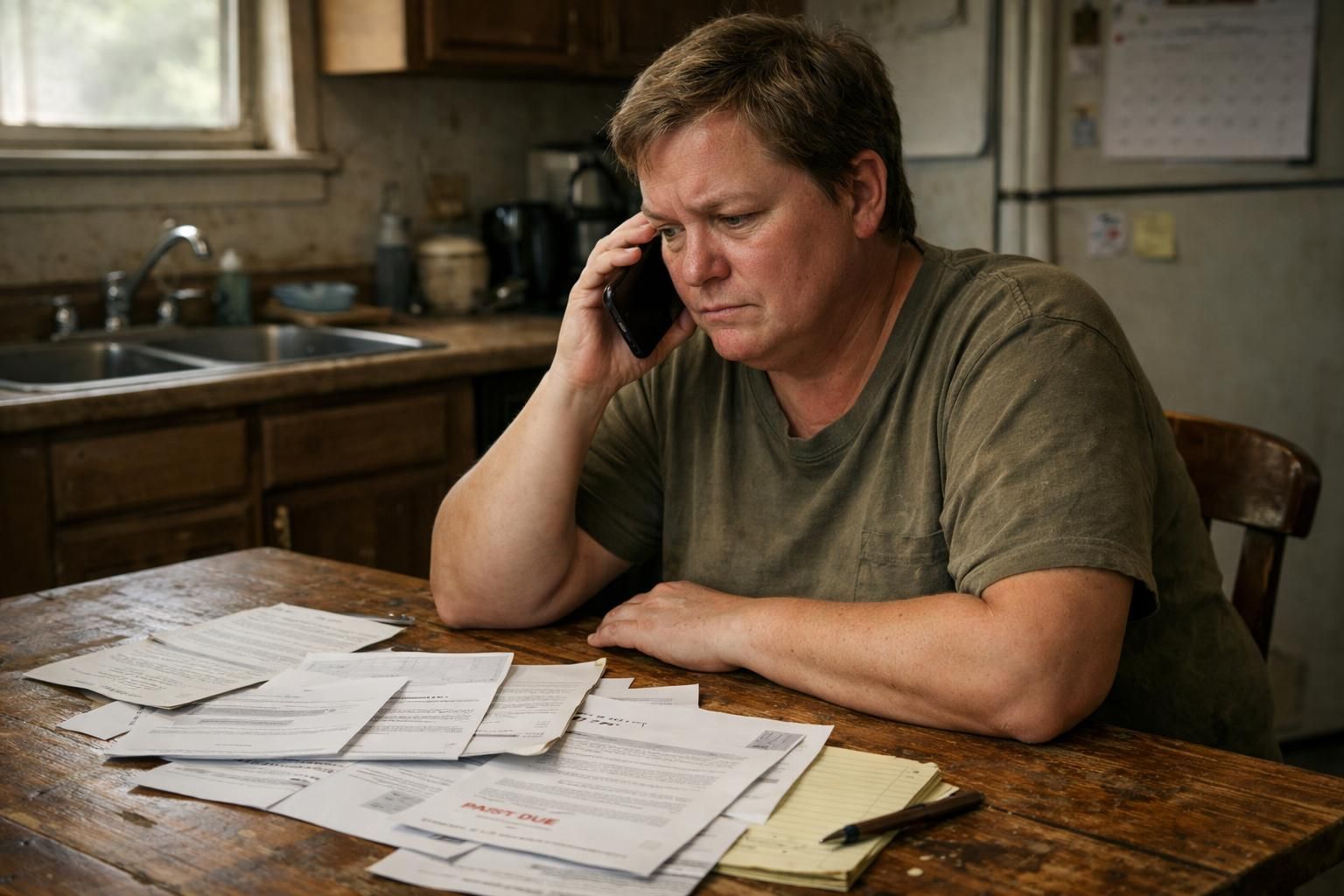
Given California's high home values, the total amount required to redeem a property is often substantial. In markets like the San Francisco Bay Area or Los Angeles, mortgage balances routinely exceed $600,000 or more, and adding foreclosure costs, accrued interest, and legal fees can make the redemption amount out of reach for most homeowners.
Banks will rarely issue a new loan to help a borrower buy back their foreclosed home, which means certified funds must come from savings, family assistance, or other liquid sources — a serious barrier for the homeowners who most need relief.
Property damage and California tax implications
If the property sustained damage during the foreclosure period, repair costs may need to be addressed before you can move back in, adding to your total financial burden. 2
From a tax standpoint, California does not automatically conform to all federal exclusions. While the federal Mortgage Forgiveness Debt Relief Act exempts forgiven mortgage debt on primary residences through 2025 from federal income tax, California's conformity with this provision has historically been inconsistent. You should consult a tax professional familiar with California Franchise Tax Board rules before making any decisions about foreclosure, short sales, or redemption. 3
California also imposes a documentary transfer tax on real estate transactions, which could be a factor if ownership changes hands through any part of the redemption or resale process.
Alternatives to Redemption for California Homeowners

Loan modification, short sale, or deed in lieu
California homeowners have access to several alternatives that may better fit their situation. Loan modification can change the interest rate, loan term, or monthly payment to make your mortgage more manageable. The California Mortgage Relief Program has also provided assistance for homeowners who fell behind during periods of hardship — check current eligibility with a HUD-approved housing counselor.
A short sale allows you to sell your home for less than the mortgage balance with lender approval. California's anti-deficiency protections — which generally prohibit lenders from pursuing a deficiency judgment after a nonjudicial foreclosure on a purchase money loan — may also apply in short sale scenarios, though the rules are nuanced. 4 A deed in lieu of foreclosure transfers the property directly to the lender and can avoid the public record of a full foreclosure. Both options require written lender approval and, in most cases, a property inspection.
Selling before foreclosure to protect your credit
Selling your California home before the trustee's sale is often the most effective way to protect your credit and avoid the lasting damage of a completed foreclosure. A foreclosure remains on your credit report for seven years; a pre-foreclosure sale typically causes significantly less harm.
Given California's strong home values in many markets, sellers may have enough equity to cover the mortgage balance entirely. Even if equity is limited, contacting your lender early opens doors to negotiated solutions. A real estate attorney or HUD-approved housing counselor can help you understand your rights under California law and move quickly before deadlines eliminate your options.
Buying Back Your Former Home After Foreclosure in California
If the trustee's sale has already occurred and you did not exercise redemption rights beforehand, you can still make an offer to purchase the property through normal market channels — but only if it is listed for sale. If the lender takes the property back as a Real Estate Owned (REO) property, you may be able to submit an offer directly to the bank or through a real estate agent.
Keep in mind that arm's-length transaction requirements may apply in certain loan programs, and prior owners may face scrutiny in short sale or REO repurchase scenarios. Consulting a California real estate attorney before making any offers involving your former home is strongly advised.
Conclusion
California's foreclosure laws give homeowners limited time and narrow options once the trustee's sale is scheduled. Because most foreclosures here proceed nonjudicially, statutory redemption rights rarely apply — making early action essential. If you are behind on your mortgage in California, speaking with a real estate attorney or housing counselor as soon as possible gives you the best chance of preserving your options.
Before the auction date arrives, review every alternative available to you: reinstatement, loan modification, short sale, or selling your home outright. The right move depends on your equity position, financial situation, and timeline.
If selling your home quickly makes sense for your situation, KDS Homebuyers purchases homes directly from California homeowners for cash — no repairs, no commissions, no waiting. Visit kdshomebuyers.net to request a free, no-obligation cash offer today.
FAQs
1. Does California allow the right of redemption after a foreclosure sale?
In most cases, no. California primarily uses nonjudicial foreclosure through a trustee's sale, which eliminates statutory redemption rights once the sale is complete. If judicial foreclosure was used, a redemption period may apply under California law, but this is uncommon.
2. What is the difference between equitable and statutory redemption in California?
Equitable redemption lets you pay off the full debt before the trustee's sale to stop the foreclosure. Statutory redemption would allow you to buy back the home after the sale, but this right generally does not exist in California's standard nonjudicial process.
3. How long do I have to reinstate my loan after a Notice of Default in California?
California law gives you a 90-day reinstatement period after the Notice of Default is recorded. During this window, you can bring overdue payments current — rather than paying the full loan balance — to stop the foreclosure process.
4. Are there anti-deficiency protections in California?
Yes. California's anti-deficiency laws generally prohibit lenders from pursuing a deficiency judgment after a nonjudicial foreclosure on a purchase money loan for a residential property. However, these protections have limitations and exceptions, so consult a real estate attorney for your specific situation.
5. What are my best alternatives if I cannot redeem my California home?
Consider loan modification, a short sale, a deed in lieu of foreclosure, or selling your home before the trustee's sale. Each option has different credit and tax implications under California and federal law. Working with a HUD-approved housing counselor or real estate attorney can help you identify the best path forward.
References
- ^ https://www.nolo.com/legal-encyclopedia/50-state-chart-key-aspects-state-foreclosure-law.html
- ^ https://scholarship.law.wm.edu/cgi/viewcontent.cgi?article=1183&context=wmlr
- ^ https://www.justia.com/foreclosure/right-of-redemption/ (2025-10-18)
- ^ https://www.justia.com/foreclosure/alternatives-to-foreclosure/short-sales-and-deeds-in-lieu-of-foreclosure/ (2025-10-18)
