

Can You Buy Back Your Foreclosed Home? Right of Redemption Explained in Indiana

If you lost your house in an Indiana foreclosure sale, you might wonder whether you can buy it back. Indiana is a judicial foreclosure state, meaning lenders must go through the courts before selling your home. This process gives homeowners certain legal protections, but the right to reclaim your property is limited and time-sensitive. 2 This guide explains how Indiana's redemption rules work, what you must pay, and what alternatives exist if redemption is out of reach. 1
Key Takeaways
- Indiana is a judicial foreclosure state. All foreclosures go through the court system, and the sheriff conducts the sale under court order.
- Indiana does not provide a statutory post-sale redemption period. Your right to redeem ends once the court confirms the sheriff's sale.
- Equitable redemption — paying off the full amount owed before the sale is confirmed — is available in Indiana up until the court enters a confirmation order.
- Full payment must be made in cash or certified funds. This includes the mortgage balance, accrued interest, legal fees, property taxes, and foreclosure costs typically ranging from $5,000 to $15,000 or more.
- Alternatives such as loan modification, short sale, deed in lieu, or selling before the foreclosure auction may protect your credit and give you more control over the outcome.
What Is the Right of Redemption?
The right of redemption gives homeowners a legal path to reclaim a foreclosed property by paying what they owe. In Indiana, this right exists only up to a specific point in the foreclosure process — and once the court confirms the sheriff's sale, that window closes permanently.
Statutory vs. equitable redemption in Indiana
There are two types of redemption rights — statutory and equitable — and Indiana treats them very differently.
| Type of Redemption | What It Means | Indiana-Specific Rules |
|---|---|---|
| Statutory Redemption | Allows a homeowner to buy back property after the foreclosure sale, as defined by state law. | Indiana does not grant a statutory post-sale redemption period. Once the Marion County, Hamilton County, or any Indiana court confirms the sheriff's sale, the former owner cannot reclaim the property under this right. |
| Equitable Redemption | Allows a homeowner to pay off the full debt owed and stop the foreclosure before the sale is finalized. | Available in Indiana up until the court enters its confirmation order on the sheriff's sale. Payment must be made in full — including principal, interest, fees, and costs. |
Because Indiana does not offer statutory redemption, acting before the sale confirmation is your only legal path to reclaim the home through the redemption process. Time is extremely limited once a foreclosure judgment is entered.
Indiana's foreclosure timeline
Indiana foreclosures proceed through the courts, which adds time compared to nonjudicial states. The lender files a complaint, serves you with notice, and obtains a judgment before a sheriff's sale can be scheduled. The entire process can take several months to over a year depending on the county and court docket — Indianapolis courts in Marion County may move faster than smaller rural courts.
CoreLogic data shows that judicial foreclosure states like Indiana average significantly longer timelines than nonjudicial states. That longer timeline gives you more opportunity to pursue equitable redemption, loan modification, or a sale before the auction date. However, once the court confirms the sale, no further redemption option exists under Indiana law.
How Does Redemption Actually Work in Indiana?
To stop a foreclosure in Indiana through equitable redemption, you must pay the complete amount owed before the court confirms the sheriff's sale. This is a strict, one-time opportunity.
Calculating the redemption amount
The total amount you must pay to redeem your Indiana home typically includes:
- The full outstanding mortgage loan balance
- Accrued interest through the redemption date
- Attorney's fees and court costs incurred by the lender
- Unpaid property taxes (Indiana property taxes are paid in arrears, so back taxes are common)
- Any homeowners association fees or liens
- Costs advanced by the lender for insurance or property preservation
Foreclosure-related costs in Indiana commonly add $5,000 to $15,000 on top of the original loan balance. Indiana courts will not accept personal checks — payment must be in cash or certified funds such as a cashier's check.
Deadlines and filing requirements
In Indiana, the critical deadline is the court's confirmation of the sheriff's sale. After the auction, the winning bidder typically petitions the court for confirmation. You must act before that order is signed. Missing this deadline eliminates your equitable redemption right entirely.
To exercise equitable redemption, you should:
- File a written motion or notice with the Indiana court handling your case
- Arrange certified funds for the full redemption amount
- Notify the lender or plaintiff's attorney through proper legal channels
- Work with a real estate attorney familiar with Indiana foreclosure procedure to ensure filings are correct
Courts in Indianapolis, Carmel, Noblesville, and other jurisdictions each have their own local rules about timing and notice requirements. An Indiana real estate attorney can help you navigate these differences quickly.
Payment requirements
Indiana courts require the full redemption amount in a single lump-sum payment using cash or certified funds. New mortgage financing is almost never available for this purpose — banks will not issue a new loan to redeem a property already in foreclosure. You will need to have funds available from personal savings, family support, or another verified source before filing your intent to redeem.
Indiana and the Judicial Foreclosure Process

Indiana requires all residential foreclosures to go through the court system. The lender files a lawsuit in the circuit or superior court of the county where the property is located — for example, Marion County Superior Court for Indianapolis properties or Hamilton County Superior Court for Carmel and Fishers. 1
Because foreclosure is court-supervised in Indiana, you receive formal written notice at each stage and have the opportunity to respond or contest the action. This oversight is more protective than nonjudicial states like California or Georgia, where lenders can foreclose without ever going before a judge. However, Indiana still does not grant a post-sale statutory redemption window — court oversight does not extend that far.
Indiana also allows lenders to seek a deficiency judgment if the foreclosure sale price does not cover the full mortgage debt. If you owe $180,000 and the property sells for $150,000 at the sheriff's sale, the lender may pursue you for the $30,000 difference. This makes acting early — through redemption, sale, or modification — even more important.
Challenges and Realities of Redemption in Indiana
Financial barriers and accrued costs
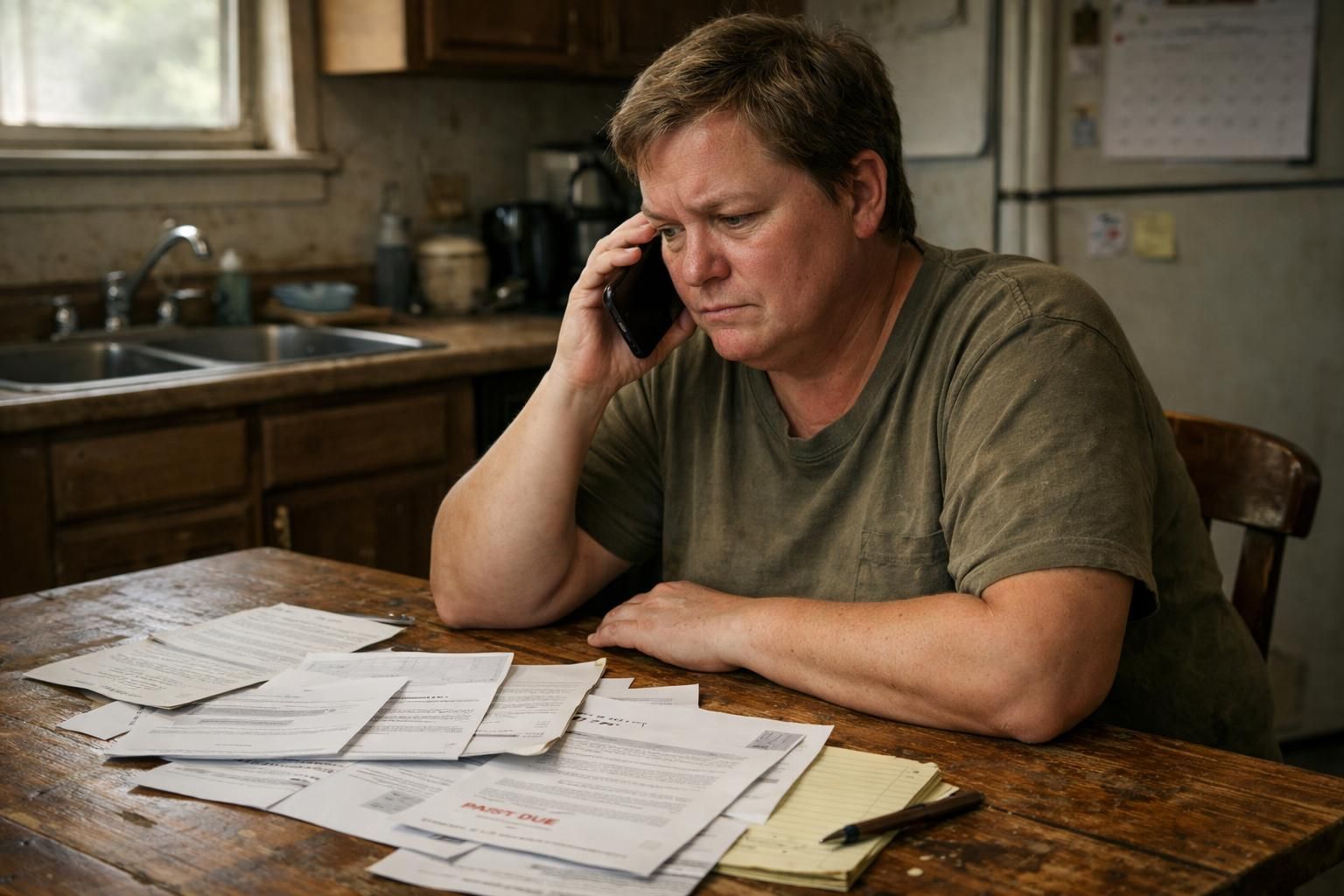
Most Indiana homeowners facing foreclosure cannot realistically exercise equitable redemption because the total amount required is simply too large. By the time a foreclosure judgment is entered, months of missed payments, accrued interest, and legal fees have compounded the original balance significantly.
Investors who purchase properties at Indiana sheriff's sales are aware that equitable redemption remains possible until confirmation. This sometimes causes them to bid aggressively, which raises the redemption threshold even further. If you are in this situation, consulting with a housing counselor or Indiana real estate attorney as early as possible is critical.
Property taxes and Indiana-specific tax implications
Indiana property taxes are paid in arrears, meaning taxes due in May and November of a given year cover the prior year. Homeowners behind on mortgage payments are frequently also behind on property taxes. Any redemption amount will include these unpaid taxes, and in some cases, a separate tax sale proceeding may have already been initiated by the county treasurer. 2
On the federal tax side, forgiven mortgage debt is generally treated as taxable income by the IRS. The Mortgage Forgiveness Debt Relief Act provides an exemption for forgiven debt on primary residences through 2025. If you are considering a short sale or deed in lieu that results in debt forgiveness, consult a tax professional alongside your real estate attorney. 3
Alternatives to Redemption for Indiana Homeowners
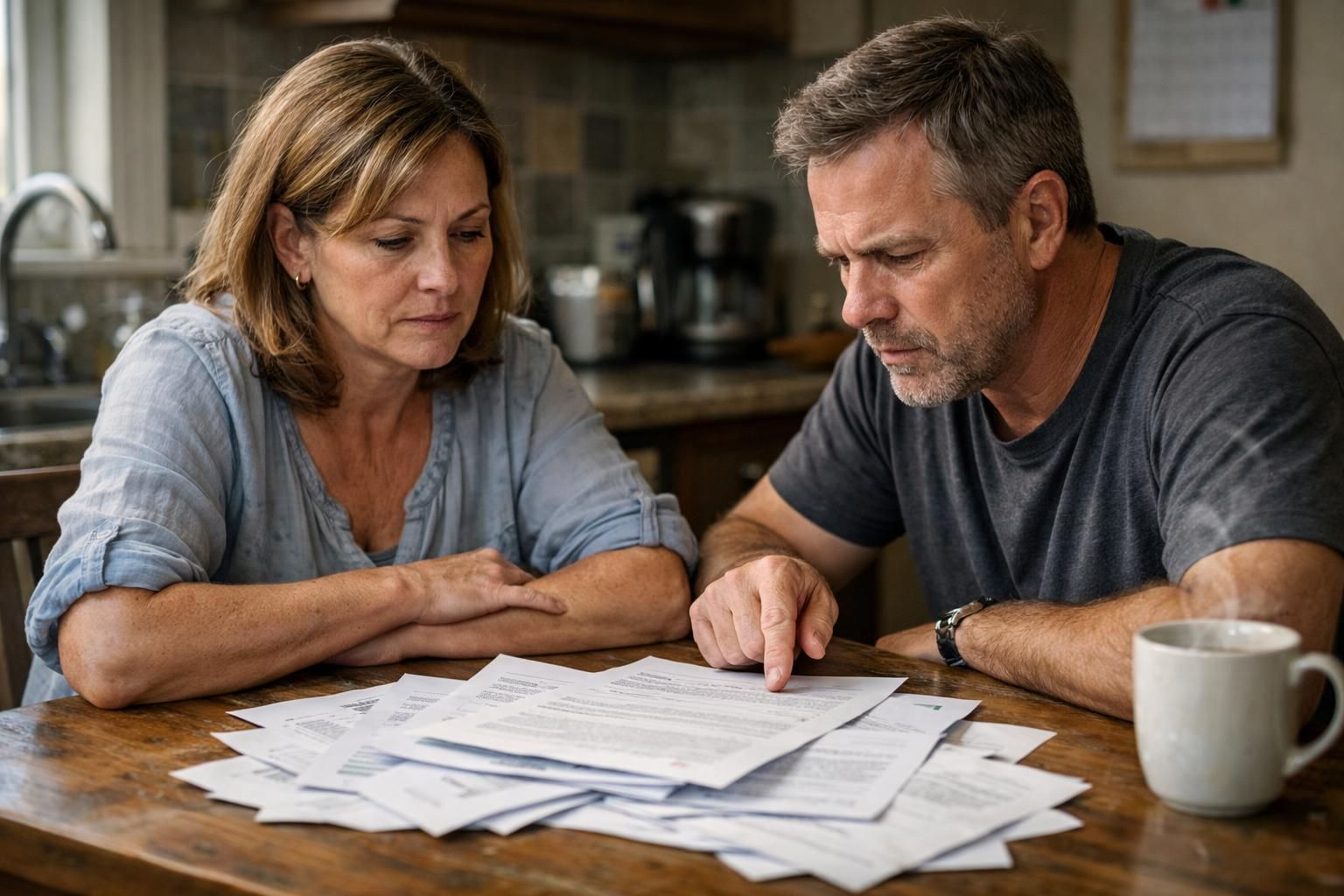
If full redemption is not financially possible, Indiana homeowners still have meaningful options. Acting early improves your outcomes significantly.
Loan modification, short sale, or deed in lieu
Loan modification allows you to restructure your mortgage terms — lowering your interest rate, extending repayment, or reducing monthly payments — so you can stay in your home. FHA and Fannie Mae both offer loss mitigation programs, and Indiana courts encourage foreclosure mediation in many jurisdictions. 4
A short sale lets you sell your home for less than the amount owed, with lender approval. This option affects your credit less severely than a completed foreclosure and may avoid a deficiency judgment if the lender agrees to accept the sale proceeds as full satisfaction. A deed in lieu of foreclosure transfers ownership directly to the lender, avoiding the public sheriff's sale process entirely. Both options require lender cooperation and proper documentation under Indiana law. 4
Selling before the sheriff's sale
Selling your home before the foreclosure auction is often the most practical path for Indiana homeowners with some equity. A completed foreclosure stays on your credit report for seven years; a pre-foreclosure sale limits that damage considerably. Lenders often prefer negotiated solutions and may pause proceedings if you are actively working toward a sale.
If you have equity in your Indianapolis, Noblesville, or Lebanon home, listing quickly — even at a competitive price — can generate enough proceeds to pay off the mortgage and avoid both a deficiency judgment and a damaged credit profile. A real estate attorney can help ensure the sale satisfies all lender and court requirements before the confirmation deadline.
Buying a Home After Foreclosure in Indiana
If your home was foreclosed and you want to purchase it back later, you would need to approach the new owner — whether a private investor or a bank holding it as REO (real estate owned) property — as an arm's-length buyer. Banks sell REO properties "as is" and expect cash or pre-approved financing. FHA guidelines allow former homeowners to qualify for a new FHA loan as early as three years after a foreclosure, provided credit and income requirements are met.
Keep in mind that Indiana law does not give you any special right to repurchase your former home after the sale is confirmed. You would compete like any other buyer. Working with a real estate attorney and a knowledgeable agent familiar with the Indianapolis metro or surrounding counties gives you the best chance at a fair offer.
Conclusion
Indiana's judicial foreclosure process gives homeowners formal notice and court oversight at every step, but it does not provide a post-sale redemption period. Your window to reclaim a foreclosed home through equitable redemption closes the moment the court confirms the sheriff's sale. If you are facing foreclosure in Indiana, acting quickly — whether through redemption, modification, or a pre-sale — is essential to protecting your options and your financial future. 3
If you need to sell quickly before a foreclosure auction, KDS Homebuyers works directly with Indiana homeowners to provide fair cash offers with no agent fees or repairs required. Visit kdshomebuyers.net to get a free cash offer and explore your options today.
FAQs
1. Does Indiana allow homeowners to buy back a foreclosed home after the sheriff's sale?
No. Indiana does not provide a statutory post-sale redemption period. Once the court confirms the sheriff's sale, the former owner's right to reclaim the property through redemption is extinguished.
2. What is equitable redemption in Indiana?
Equitable redemption allows you to pay off the full amount owed — including the mortgage balance, interest, legal fees, and property taxes — before the court confirms the sheriff's sale. This is the only redemption option available to Indiana homeowners.
3. How long does the foreclosure process take in Indiana?
Because Indiana requires judicial foreclosure, the process typically takes several months to well over a year. The timeline varies by county court docket and whether the homeowner contests the action.
4. Can a lender pursue a deficiency judgment in Indiana after foreclosure?
Yes. If the sheriff's sale price does not cover the full mortgage debt, Indiana law allows the lender to seek a deficiency judgment for the remaining balance. This makes early action — through sale or modification — especially important.
5. What happens to unpaid property taxes during an Indiana foreclosure?
Indiana property taxes are paid in arrears. Unpaid taxes become part of the redemption amount and may also trigger a separate county tax sale proceeding. A real estate attorney can help you understand how both processes interact.
6. Should I consult an attorney before attempting redemption in Indiana?
Yes. Deadlines are strict, calculations are complex, and the rules vary by county court. An Indiana real estate attorney can help you determine whether redemption is feasible, file the correct paperwork, and explore alternative options if redemption is not possible.
References
- ^ https://www.nolo.com/legal-encyclopedia/50-state-chart-key-aspects-state-foreclosure-law.html
- ^ https://scholarship.law.wm.edu/cgi/viewcontent.cgi?article=1183&context=wmlr
- ^ https://www.justia.com/foreclosure/right-of-redemption/ (2025-10-18)
- ^ https://www.justia.com/foreclosure/alternatives-to-foreclosure/short-sales-and-deeds-in-lieu-of-foreclosure/ (2025-10-18)
