

Judicial vs. Non-Judicial Foreclosure: What's the Difference in California
If you are worried about losing your home in California, you are not alone. California is a non-judicial foreclosure state, meaning most foreclosures here move quickly and outside the court system. 3 Understanding how California's process works — and how it compares to judicial foreclosure states — can help you protect your rights and plan your next steps. 1
Key Takeaways
- California uses non-judicial foreclosure as its primary process. A trustee manages the sale using the power-of-sale clause in your deed of trust — no court approval is required.
- The California non-judicial foreclosure timeline is roughly 120 days from Notice of Default to sale, though the full process often takes about four months from start to finish.
- California's anti-deficiency laws offer strong protections for homeowners on purchase-money loans, limiting a lender's ability to pursue you for remaining debt after a foreclosure sale.
- You have a five-business-day right of rescission after a Notice of Sale is recorded, and you may reinstate your loan up to five business days before the auction.
- Federal law still requires lenders to wait at least 120 days after a missed payment before officially beginning foreclosure proceedings.
- Acting quickly once you receive any notices is critical — California's timelines are short and deadlines come fast.
What Is Judicial Foreclosure?
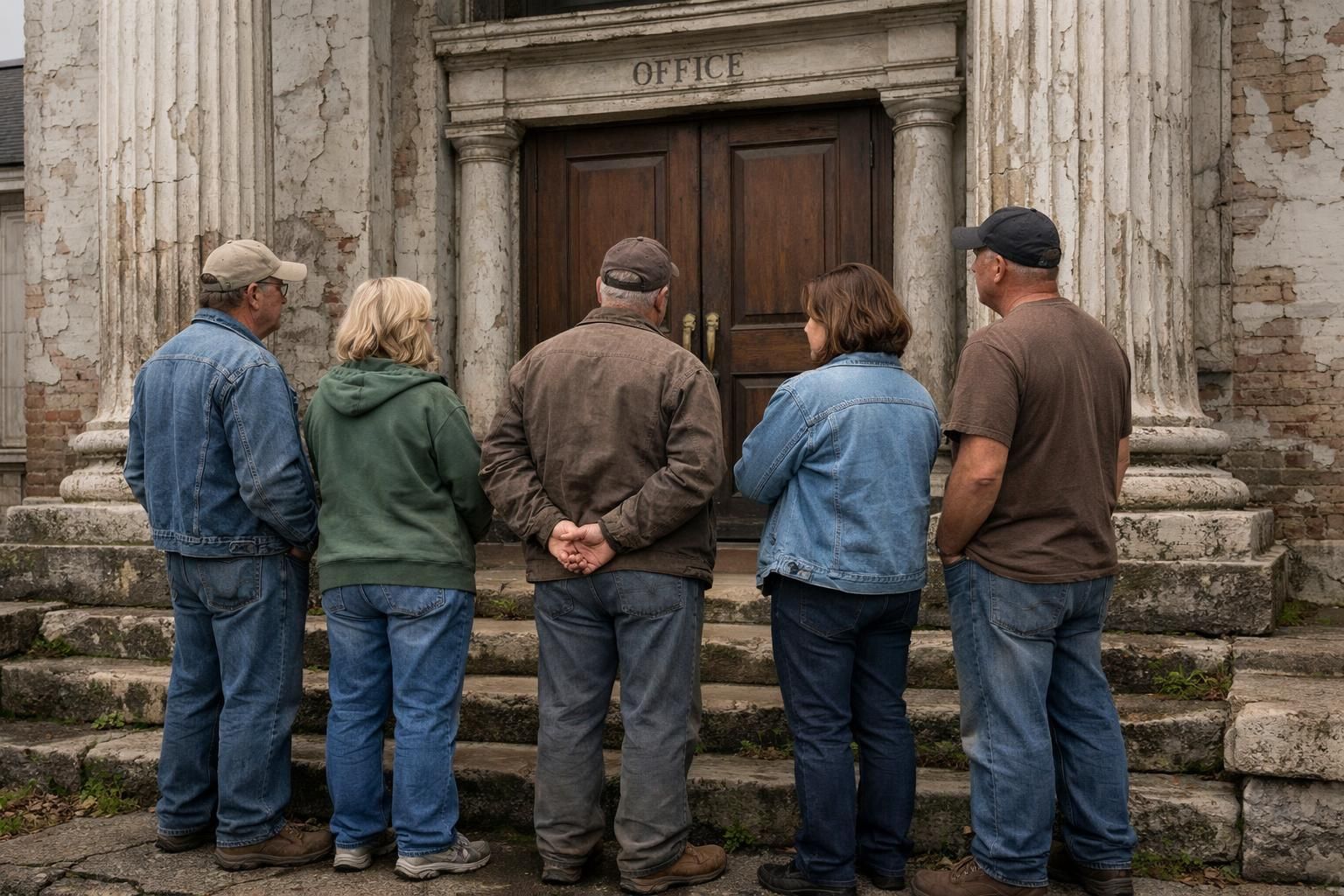
Judicial foreclosure uses the state court system to resolve mortgage default. The lender must follow formal legal steps, which can significantly slow down how quickly a home reaches auction. While California rarely uses this route, understanding it helps explain why California homeowners face shorter timelines than borrowers in states like New York or Florida.
Court involvement and lender lawsuit filing
In a judicial foreclosure, the mortgage lender files a lawsuit in state court. Official legal documents — including a summons and complaint — are served to the homeowner. You typically have 20 to 30 days to file a written response. If you do not answer in time, the judge can enter a default judgment against you, allowing the sale to proceed without hearing your side.
States like Florida, New York, and Illinois follow this model. Every step requires court oversight, which adds months or years to the process. Florida's average judicial foreclosure exceeds three years; New York and New Jersey average 540 to 720 days. California's non-judicial process, by contrast, typically wraps up in about four months.
Summons, judgment, and sale approval process
After a lawsuit is filed, the court issues a summons giving the borrower a response deadline. If the judge rules for the lender, a judgment of foreclosure is entered, followed by a court-ordered public auction. Some states require an additional hearing to confirm the sale after bidding closes. Redemption periods in certain judicial states — sometimes up to one year — allow former homeowners to reclaim their property by paying off the full debt plus costs. California does not offer a post-sale redemption right under non-judicial foreclosure, making it critical to act before the auction date.
States that use judicial foreclosure
Connecticut, Florida, Illinois, New York, and New Jersey are among the states that require judicial foreclosure. In these states, every stage of the process — from filing to sale — is managed by the court system. Indiana typically takes five to seven months; Florida can take well over three years. If you own property in multiple states or are comparing California's process to these, the difference in timelines is substantial.
What Is Non-Judicial Foreclosure?
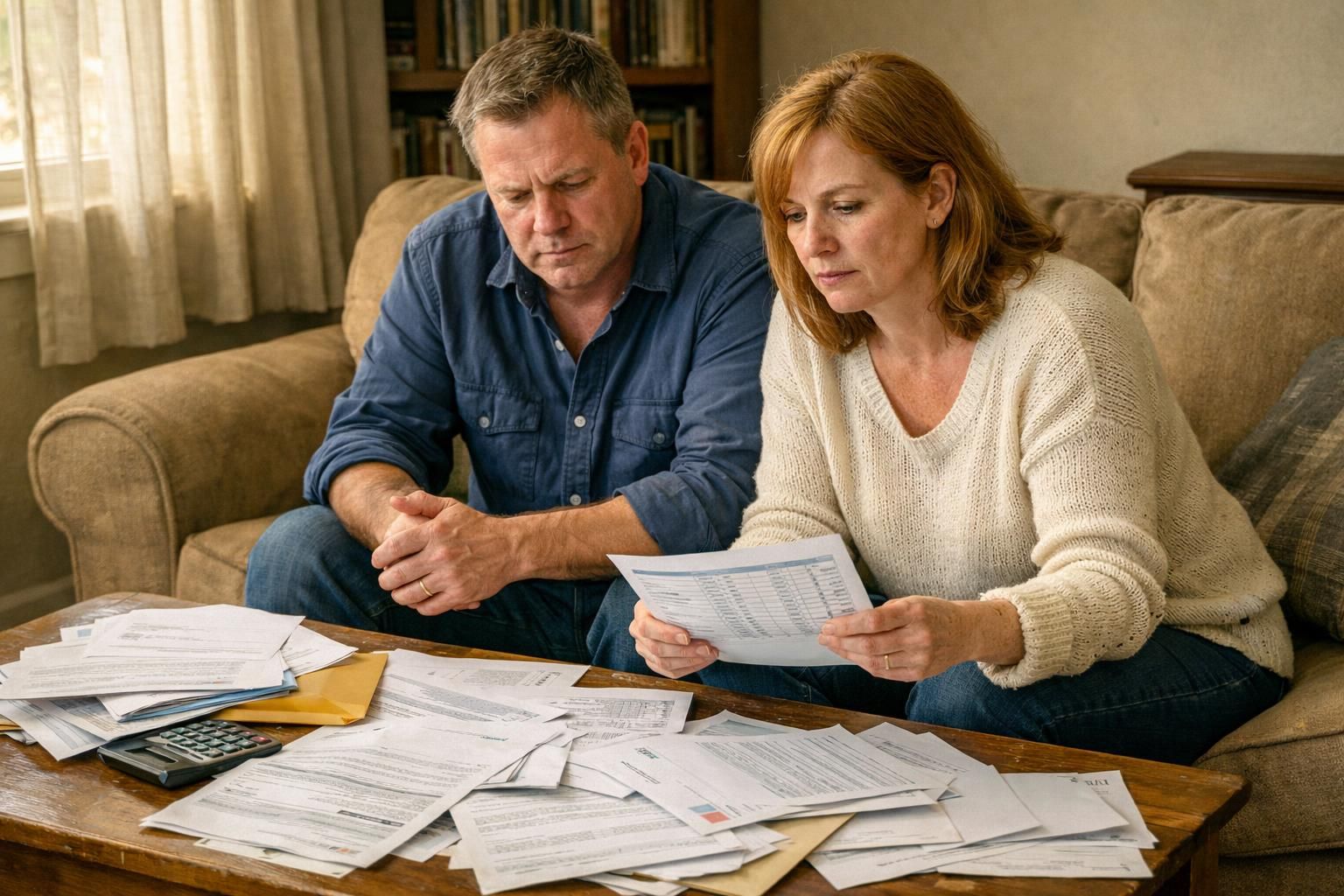
Non-judicial foreclosure lets lenders take back a property without using the court system. California primarily uses this process. If your home loan includes a power-of-sale clause in your deed of trust — which most California mortgages do — this process applies to you.
Power-of-sale clause and trustee-led process
California deeds of trust include a power-of-sale clause that authorizes a trustee to foreclose without court involvement. When you default, the lender instructs the trustee to record a Notice of Default (NOD) with the county recorder's office. The trustee then manages all subsequent steps — issuing the Notice of Trustee's Sale and conducting the public auction — without a judge's approval.
This is why California foreclosures move faster than those in judicial states. The lender and trustee manage the process internally, which reduces delays but also compresses your window to respond.
California's notice requirements and timeline
Under California law, once a Notice of Default is recorded, you have 90 days before a Notice of Trustee's Sale can be issued. The Notice of Trustee's Sale must then be posted, mailed, and published at least 20 days before the auction. In total, California's non-judicial foreclosure process takes approximately 120 days minimum — often around four months from start to finish.
You also have the right to reinstate your loan by paying all past-due amounts, fees, and costs up to five business days before the scheduled trustee's sale. Many Los Angeles and San Diego homeowners are surprised by how quickly these deadlines arrive — reading every piece of certified mail carefully is essential.
Other non-judicial foreclosure states
California is joined by Arizona, Texas, Georgia, Nevada, Washington, and more than twenty other states that use non-judicial foreclosure as their primary process. 1 In Texas, auctions are typically held on courthouse steps on the first Tuesday of each month. Nevada and Arizona follow similar trustee-led models. If your loan does not include a power-of-sale clause, even these states may require judicial foreclosure instead.
Key Differences Between Judicial and Non-Judicial Foreclosure
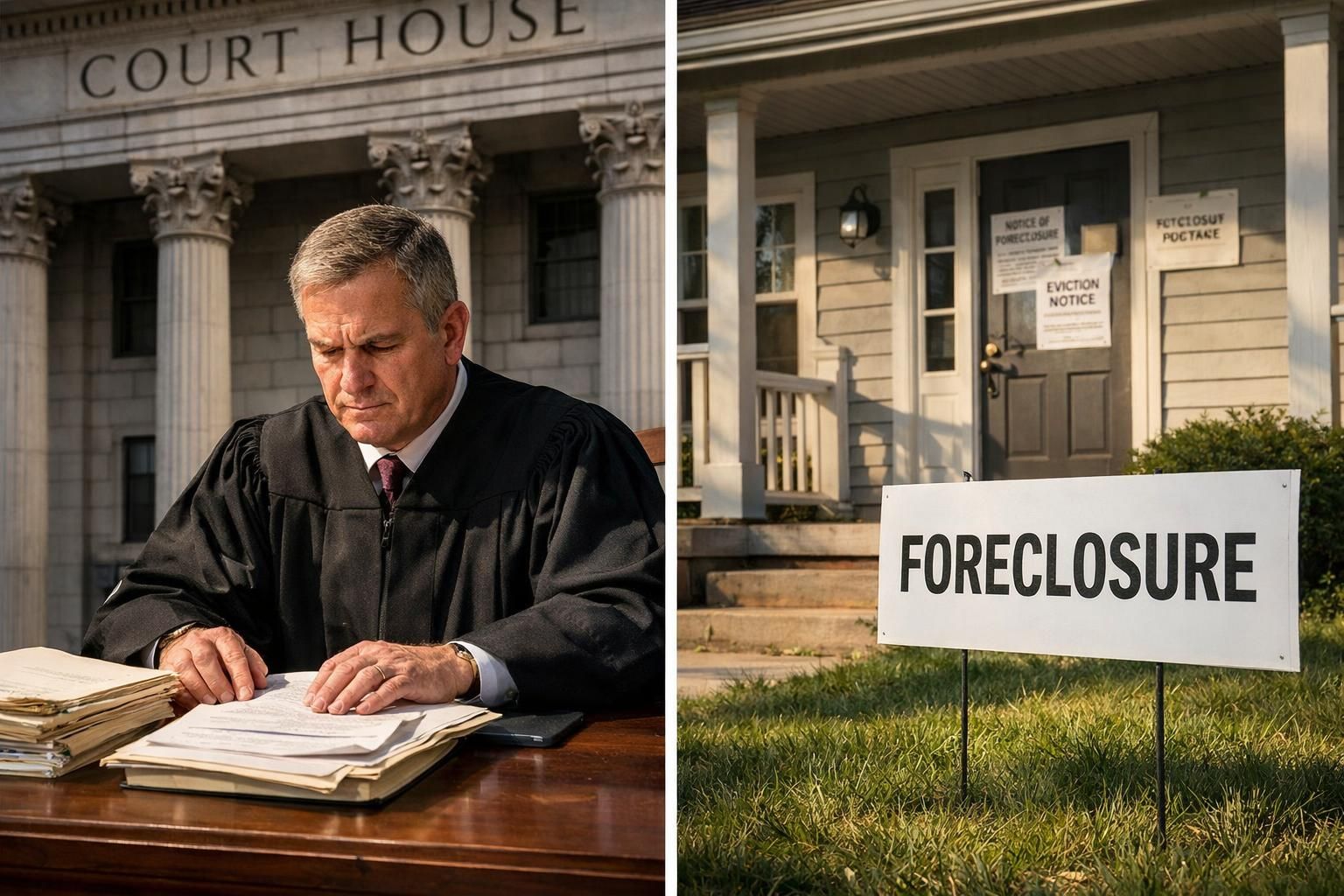
Court involvement, timelines, redemption rights, deficiency judgments, and notification processes
In judicial foreclosure states, every step requires court approval — driving timelines from several months to several years. In California, the trustee manages the entire process outside the court system, completing most foreclosures in about four months. 2
Redemption rights: California does not provide a post-sale redemption period for non-judicial foreclosures. Once the trustee's sale is completed, you no longer have a right to reclaim the property. This stands in sharp contrast to some judicial states that offer up to twelve months after the auction for homeowners to buy back their homes.
Deficiency judgments: California's anti-deficiency statutes provide significant protections. For purchase-money loans on owner-occupied residential properties (one-to-four units), lenders generally cannot pursue a deficiency judgment after a non-judicial foreclosure sale. This means if your home sells for less than you owe, the lender typically cannot come after you for the difference. Judicial foreclosure in California can sometimes allow deficiency judgments, which is one reason lenders rarely use it. 2
Notification process: California requires the Notice of Default to be recorded with the county recorder and mailed to the borrower. The Notice of Trustee's Sale must be posted on the property, mailed, and published in a local newspaper. These notice requirements are strict — any procedural error can be grounds to challenge the foreclosure.
Homeowner Rights in California's Foreclosure Process
California homeowners have meaningful legal protections even in a non-judicial foreclosure. Knowing these rights can buy you critical time.
Notice requirements, right to reinstate, and response options
Your lender must send a breach letter giving you 30 days to cure the default before initiating foreclosure. Federal law also requires your mortgage servicer to wait at least 120 days after your first missed payment before recording a Notice of Default. 3
Once the NOD is recorded, you have the 90-day period to reinstate your loan — catching up on missed payments plus fees. California's Homeowner Bill of Rights (effective for first-lien loans on owner-occupied properties) adds additional protections, including a prohibition on "dual tracking," where a servicer cannot pursue foreclosure while a complete loan modification application is under review.
If you believe the foreclosure process was handled improperly — due to incorrect notices, dual tracking violations, or servicer errors — you may file suit in California Superior Court to halt the sale. Unlike in judicial foreclosure states, where you respond to a lawsuit, California's non-judicial process requires you to take the initiative and file separately if you want to challenge the sale in court. Acting quickly is essential because California's timelines move fast.
Timeline Comparison: California vs. Judicial Foreclosure States
Month-by-month breakdown for California homeowners
Days 1–30: You miss a mortgage payment. Your servicer will attempt to contact you. No foreclosure action can begin yet under federal law.
Days 30–120: Federal 120-day waiting period. Use this time to explore loss mitigation options — loan modification, forbearance, or short sale. Your servicer is required to consider complete loss mitigation applications during this window.
Day 120+: If no resolution is reached, the trustee records a Notice of Default with your county recorder (Los Angeles County, San Diego County, Sacramento County, etc.). This is the official start of California's non-judicial foreclosure process.
Days 120–210 (approximately): The 90-day reinstatement period runs. You can still bring the loan current during this time.
Around Day 210: The Notice of Trustee's Sale is recorded and published. You now have approximately 20 days before the auction.
Around Day 230–240: Trustee's sale (auction) takes place. You lose reinstatement rights five business days before this date. Once the sale occurs, ownership transfers immediately — there is no redemption period.
By comparison, a homeowner in Florida facing judicial foreclosure might still be waiting for a court date two years after their first missed payment. California's four-month timeline demands fast, informed action.
What California Homeowners Can Do to Take Action
Verify your loan type, understand California's timeline, explore loss mitigation, and consider alternatives
First, confirm whether your loan is secured by a deed of trust (the norm in California) or a mortgage. This determines whether non-judicial or judicial foreclosure applies. Review your loan documents and contact your servicer immediately if you are behind on payments.
During the 120-day federal review period, request a loss mitigation review in writing. Options include loan modification, forbearance agreements, short sale, or deed in lieu of foreclosure. California's Homeowner Bill of Rights requires servicers to assign you a single point of contact and prohibits dual tracking while your application is under review.
Consult a HUD-approved housing counselor — free counseling is available through agencies throughout California, including in San Francisco and Los Angeles. You can also seek a real estate attorney experienced in California foreclosure law who can identify servicer violations or procedural errors that could delay or halt the sale.
Foreclosure Avoidance Strategies for California Homeowners
Start with a written request for loss mitigation from your servicer as soon as you know you are struggling. The 120-day federal buffer is your most valuable window. 4 Use it to pursue a loan modification that reduces your monthly payment or interest rate.
If staying in the home is not realistic, a short sale or deed in lieu of foreclosure can protect your credit better than a completed foreclosure and may avoid deficiency issues under California's anti-deficiency statutes. If the servicer has violated California's Homeowner Bill of Rights — for example, by dual tracking your modification application — you have grounds to seek an injunction in California Superior Court to stop the sale. 5
Early action provides more choices. Waiting until the Notice of Trustee's Sale is recorded leaves you with fewer than three weeks before the auction — not enough time to pursue most alternatives.
Conclusion: Act Early to Protect Your California Home
Facing foreclosure in California is stressful, but California law gives you real tools to respond — if you act quickly. The non-judicial process is fast, and deadlines are unforgiving. Whether your goal is to save your home through modification or to exit gracefully through a sale, the sooner you engage with your servicer, a housing counselor, or a real estate attorney, the more options you will have.
You are not powerless. Understanding California's timeline and your rights under state and federal law puts you back in control. Reach out for help before the next deadline passes.
Considering a Fast Home Sale? Start with a Free Cash Offer
If keeping the home is not the right path forward, selling quickly to a cash buyer can help you avoid the lasting credit damage of a completed foreclosure. Cash sales can close in as little as two weeks — far faster than waiting out California's trustee sale process or listing on the open market during a stressful time.
KDS Homebuyers works directly with California homeowners facing foreclosure, helping them move forward without the uncertainty of court delays or auction outcomes. Visit kdshomebuyers.net to request a free, no-obligation cash offer and explore your options today. Acting now — before the Notice of Trustee's Sale is recorded — gives you the most control over your outcome.
FAQs
1. Does California use judicial or non-judicial foreclosure?
California primarily uses non-judicial foreclosure. Most home loans in California are secured by a deed of trust with a power-of-sale clause, allowing a trustee to manage the foreclosure process without court involvement.
2. How long does foreclosure take in California?
California's non-judicial foreclosure process takes approximately four months from the recording of the Notice of Default to the trustee's sale, assuming no legal challenges or delays.
3. Can a lender pursue a deficiency judgment after a California foreclosure?
In most cases involving purchase-money loans on owner-occupied residential properties, California's anti-deficiency statutes protect borrowers from deficiency judgments after a non-judicial foreclosure sale. Judicial foreclosure may allow deficiency judgments in limited circumstances.
4. Can I stop a California foreclosure with a loan modification or bankruptcy?
Yes. Requesting a loan modification during the 120-day federal buffer period can delay or halt the process. Filing for bankruptcy also triggers an automatic stay that temporarily stops foreclosure proceedings. Both options require acting well before the trustee's sale date.
5. Do I have a right to reclaim my home after a California trustee's sale?
No. California does not provide a post-sale redemption period for non-judicial foreclosures. Once the trustee's sale is completed, ownership transfers immediately and you no longer have a right to reclaim the property.
6. What is the California Homeowner Bill of Rights?
The California Homeowner Bill of Rights provides protections for borrowers with first-lien loans on owner-occupied properties, including a prohibition on dual tracking, a requirement for a single point of contact at the servicer, and the right to sue for injunctive relief if servicer violations occur.
References
- ^ https://www.auction.com/blog/judicial-vs-non-judicial-foreclosures/ (2024-11-21)
- ^ https://www.nolo.com/legal-encyclopedia/the-difference-between-a-judicial-and-nonjudicial-foreclosure.html
- ^ https://www.justia.com/foreclosure/judicial-vs-non-judicial-foreclosure/ (2025-10-18)
- ^ https://scholarship.law.nd.edu/cgi/viewcontent.cgi?article=2219&context=law_faculty_scholarship
- ^ https://scholarlycommons.law.emory.edu/cgi/viewcontent.cgi?article=1116&context=elj
