

Judicial vs. Non-Judicial Foreclosure: What's the Difference in Indiana
If you feel worried about losing your home in Indiana, you are not alone. Indiana is a judicial foreclosure state, which means your lender must go through the court system before your home can be sold. 3 Understanding how Indiana's foreclosure process works can help protect your rights and give you more time to plan your next steps. 1
Key Takeaways
- Indiana uses judicial foreclosure, meaning your lender must file a lawsuit in court before your home can be auctioned. The process typically takes five to seven months, though it can run longer depending on court caseloads in counties like Marion or Hamilton.
- Because Indiana requires court involvement, you receive official notices, a chance to respond, and legal protections that do not exist in non-judicial states like California or Texas, where sales can happen within two to five months.
- Indiana law allows a redemption period in some circumstances, giving homeowners limited time after a sale to reclaim their property by paying off the debt.
- Federal law gives you at least 120 days after missing a payment before official foreclosure proceedings can begin — use this window to explore loss mitigation options.
- Deficiency judgments are possible in Indiana if your home sells for less than you owe. Acting early and consulting a legal expert gives you the best chance at avoiding this outcome.
What Is Judicial Foreclosure?

Judicial foreclosure uses the state court system to resolve mortgage default. The lender must follow formal legal steps, which affects how quickly a home may be auctioned. Indiana requires this process for nearly all residential mortgage foreclosures.
Court involvement and lender lawsuit filing
In Indiana, the judicial foreclosure process begins when your mortgage lender files a complaint in the circuit or superior court of the county where your property is located. You will be served with a summons and complaint — official legal documents notifying you that foreclosure proceedings have started.
You typically have 20 to 23 days to file a written response. If you do not answer on time, the court may enter a default judgment against you, allowing the lender to proceed to a sheriff's sale without hearing your side.
If the facts of the mortgage debt are not disputed, the lender's attorney may file for summary judgment, which can add weeks to the timeline. Every stage must pass through the court before a sale is approved, giving you more opportunity to raise defenses or negotiate with your servicer than homeowners in non-judicial states have.
Summons, judgment, and sale approval process
After the complaint is filed and you are served, the court manages each stage of Indiana's foreclosure process. If a judgment of foreclosure is entered against you, the court issues an order directing a sheriff's sale of the property. A notice of sale is published and posted, giving the public time to prepare for the auction.
In Indiana, the sheriff's sale is conducted by the county sheriff. After the sale, the court must confirm the sale before the buyer receives a deed. This confirmation step gives homeowners one more opportunity to raise objections.
Deficiency judgments are available to lenders in Indiana through this judicial process if your home sells for less than the amount owed. Understanding every step of this timeline helps you plan whether to pursue a loan modification, short sale, or other alternative before the sale date arrives.
Indiana as a judicial foreclosure state
Indiana requires judicial foreclosure for residential mortgages. Your lender cannot simply appoint a trustee and sell your home through a private process — they must file a lawsuit and obtain a court order. This gives Indiana homeowners more procedural protections than borrowers in non-judicial states.
Counties across the state handle these cases in their circuit or superior courts. In high-volume areas such as Marion County (Indianapolis) or Hamilton County (Carmel, Fishers, Noblesville), court backlogs can extend the timeline beyond the typical five-to-seven-month window. Knowing that you are in a judicial foreclosure state means you have more time and more legal avenues to respond before losing your home.
What Is Non-Judicial Foreclosure?

Non-judicial foreclosure lets lenders take back a property without using the state court system. If a home loan includes a power of sale clause in a deed of trust, this process may apply — but Indiana does not use this method for residential mortgages.
Power-of-sale clause and trustee-led process
In states that allow non-judicial foreclosure — such as California, Texas, Arizona, and Georgia — a power-of-sale clause in the deed of trust gives a trustee the authority to sell the property without court approval after a default. The trustee sends a notice of default and a notice of sale directly to the borrower, and the entire process can wrap up in two to five months.
Indiana uses mortgages rather than deeds of trust for most home loans, which is one reason the state relies on judicial foreclosure. If you own property in Indiana, you are not subject to a trustee-led non-judicial process — your lender must go through the courts.
Notice requirements and faster timeline in non-judicial states
In non-judicial states, homeowners receive a notice of default followed by a notice of sale, with the entire process often completing within 120 days. There is no court hearing to attend, no summons to answer, and no judge reviewing the lender's claims.
For Indiana homeowners, this comparison highlights a significant advantage: Indiana's judicial process builds in more notice, more time, and more chances to respond before a sale occurs. If you receive any foreclosure-related documents in Indiana, act quickly — but know that you have more procedural protections than borrowers in faster-moving non-judicial states.
Key Differences Between Judicial and Non-Judicial Foreclosure

Court involvement, timelines, redemption rights, deficiency judgments, and notification processes
In Indiana's judicial process, the lender files a lawsuit and you must be formally served. You have the right to respond, raise defenses, and appear before a judge. The entire process — from filing to sheriff's sale — typically runs five to seven months, though court backlogs in larger counties can push this longer. 2
In non-judicial states like California or Texas, a trustee manages the sale outside of court, completing the process in as few as two months. There is no summons, no courtroom, and far less time for homeowners to respond.
Indiana law provides a redemption period in certain circumstances, during which a homeowner may reclaim the property after the sheriff's sale by paying off the debt and associated costs. Most non-judicial states offer no post-sale redemption right. 2
Deficiency judgments are available in Indiana's judicial process. If the sheriff's sale proceeds do not cover the full loan balance, the lender may seek a court order requiring you to pay the remaining amount. Many non-judicial states have anti-deficiency protections for residential loans that limit this exposure.
Notification in Indiana begins with service of the lawsuit and summons. You will also see a published notice of sale before any auction. Reading all legal mail carefully and responding within deadlines is critical — missing a deadline can result in a default judgment that removes your ability to defend the case.
Homeowner Rights in Indiana's Foreclosure Process
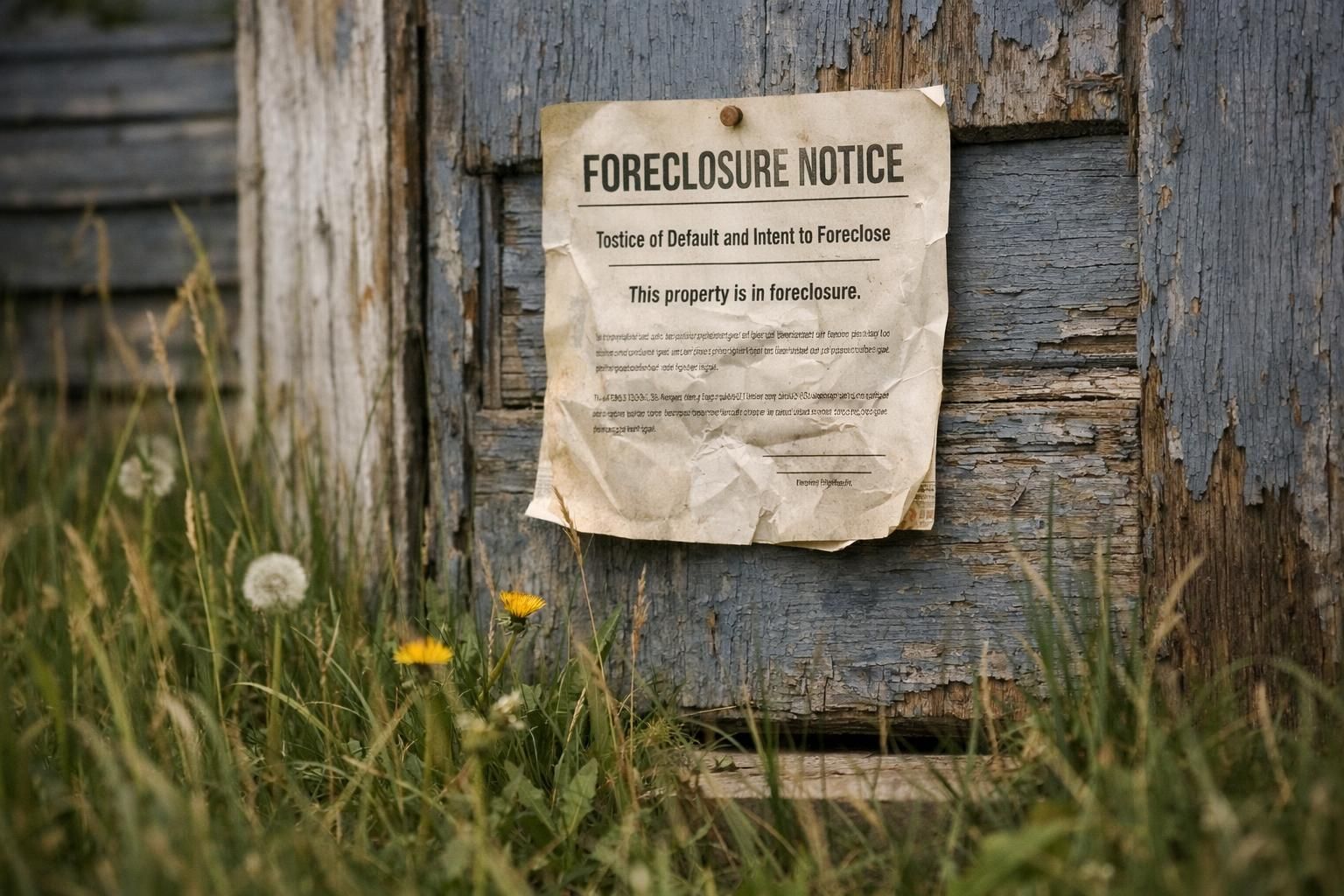
Indiana homeowners have meaningful rights throughout the foreclosure process. Your mortgage servicer must comply with state foreclosure law and federal rules before any sale can take place.
Notice requirements, redemption periods, right to cure, and response options
Under federal law, your mortgage servicer must wait until you are more than 120 days behind on payments before initiating foreclosure. Indiana law also requires the lender to send a breach letter giving you an opportunity to cure the default before filing suit.
Once you are served with a complaint, you have the right to respond and contest the lender's claims in court. Indiana law also provides a right of redemption after the sheriff's sale in certain cases, allowing you to pay off the debt and reclaim your home within the timeframe set by state law.
You may reinstate your loan by paying all overdue amounts plus fees before the sale date. Indiana also permits homeowners to request loan modifications or other loss mitigation options through their servicer. Acting quickly after receiving any notice gives you the most options — deadlines in foreclosure cases come up fast, and missing one can significantly reduce your choices.
Indiana Foreclosure Timeline: From First Missed Payment to Sale
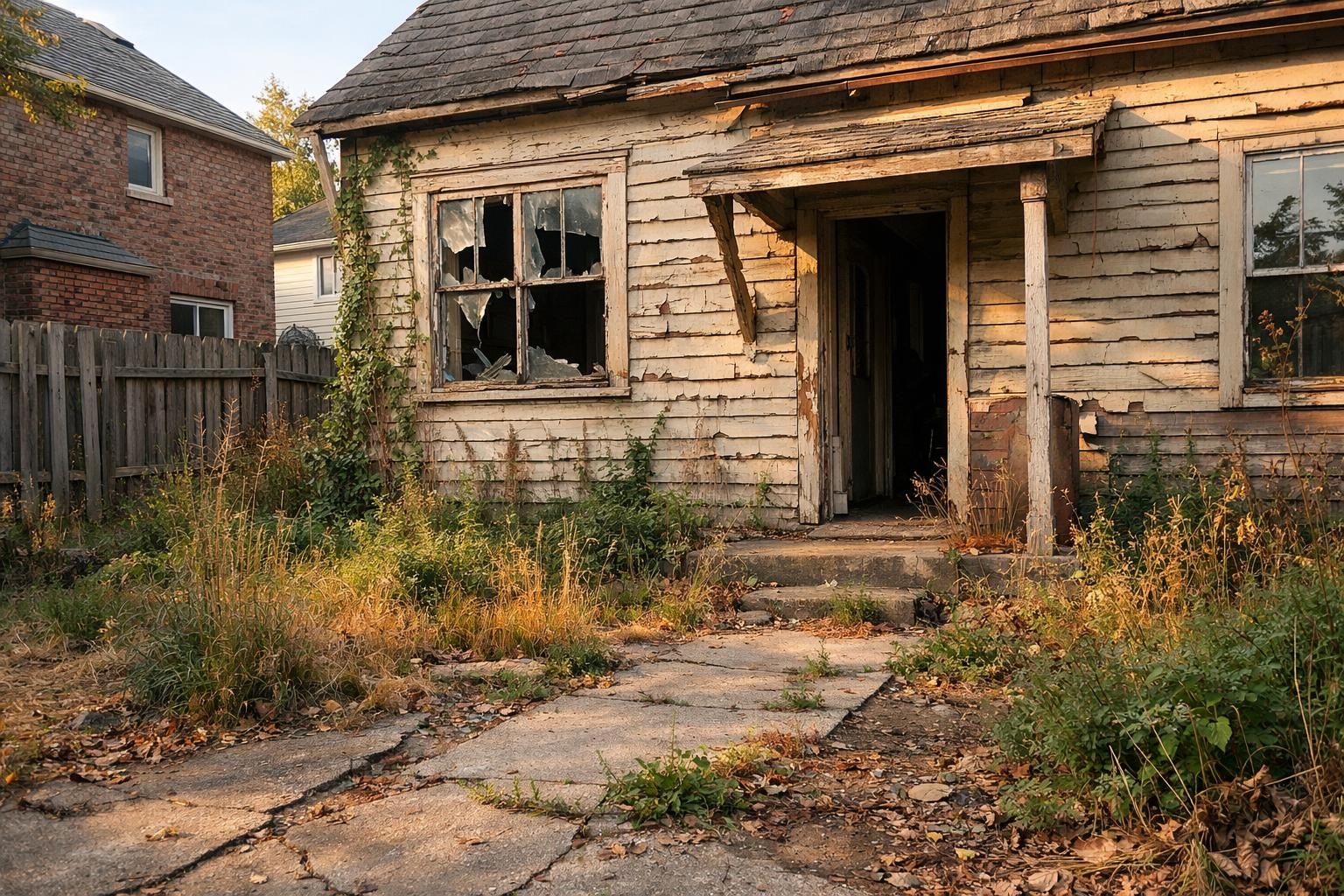
Indiana's judicial foreclosure timeline moves more slowly than non-judicial states, but that does not mean you have unlimited time. Here is a general breakdown of what to expect:
- Days 1–30: You miss a mortgage payment. Your servicer will attempt contact and may send a breach letter. No foreclosure action can begin yet under federal rules.
- Days 30–120: If payments remain missed, the servicer continues loss mitigation outreach. The 120-day federal waiting period applies before any complaint can be filed.
- Month 4–5: The lender files a foreclosure complaint in your county's circuit or superior court. You are served with a summons and have roughly 20–23 days to respond.
- Month 5–6: Court hearings occur. If no defense is raised, the lender may obtain summary judgment. A judgment of foreclosure is entered.
- Month 6–7: Notice of the sheriff's sale is published. The sale takes place. The court confirms the sale, and a deed is issued to the buyer.
In Marion County (Indianapolis) or other high-volume courts, backlogs may push the total timeline beyond seven months. Homeowners in Noblesville or Lebanon who engage legal counsel early often have more time to negotiate alternatives before a sale date is set.
What Indiana Homeowners Can Do to Take Action
You can protect your home by understanding Indiana's foreclosure laws, working with your mortgage servicer, and exploring all available alternatives before the sale date arrives.
Verify the process, understand your timeline, explore loss mitigation, and consider alternatives
Confirm that your loan is subject to Indiana's judicial foreclosure process and review your mortgage documents carefully. Contact your mortgage servicer during the 120-day federal window to ask about loss mitigation options — including loan modification, repayment plans, short sale, or deed in lieu of foreclosure.
If you are served with a foreclosure complaint, respond in writing within the deadline. Consult a HUD-approved housing counselor or a licensed Indiana real estate attorney who handles foreclosure defense. Legal aid organizations in Indiana may also offer free or low-cost help for qualifying homeowners.
Review your situation for potential defenses: improper notice, servicer errors, or questions about standing can all be raised in Indiana's court process. Understanding your redemption rights and the risk of a deficiency judgment will help you make the most informed decision about your next steps.
Foreclosure Avoidance Strategies
Request a loss mitigation review from your servicer as soon as possible. 4 A loan modification may reduce your monthly payment or adjust your interest rate. If your home has equity, selling before the sheriff's sale can protect your credit and help you walk away with proceeds rather than a deficiency judgment.
A short sale or deed in lieu of foreclosure may also be options depending on your lender and your financial situation. If you file a formal response to the foreclosure complaint, you may raise defenses such as improper notice or servicer error that could delay or halt the process. 5
Early action is the single most important factor. The more time you have before a sale date, the more alternatives remain available to you.
Conclusion: Act Early to Protect Your Indiana Home
Facing foreclosure is stressful, but Indiana's judicial process gives you more time and more rights than homeowners in non-judicial states. Understanding that your lender must file a lawsuit, serve you with a summons, and obtain a court order before any sale can happen means you have real opportunities to respond, negotiate, and explore alternatives.
Speak with a licensed Indiana attorney or HUD-approved counselor as early as possible. The sooner you act, the more options remain open to you.
If you need to sell quickly to avoid foreclosure, KDS Homebuyers purchases homes directly from Indiana homeowners for cash — no repairs, no agent commissions, and no waiting on bank approvals. Visit kdshomebuyers.net to request a free, no-obligation cash offer and explore your options before deadlines pass.
FAQs
1. Is Indiana a judicial or non-judicial foreclosure state?
Indiana is a judicial foreclosure state. Your lender must file a lawsuit in the county circuit or superior court and obtain a court order before your home can be sold at a sheriff's sale.
2. How long does foreclosure take in Indiana?
Indiana's foreclosure process typically takes five to seven months from the time the complaint is filed to the sheriff's sale, though court backlogs in counties like Marion or Hamilton can extend this timeline.
3. What rights do Indiana homeowners have during foreclosure?
You have the right to be served with a summons, respond to the complaint, raise defenses in court, and pursue loss mitigation options with your servicer. Indiana also provides a redemption period in certain cases after the sheriff's sale.
4. Can a lender get a deficiency judgment in Indiana?
Yes. If your home sells at sheriff's sale for less than what you owe, the lender may seek a deficiency judgment through the court requiring you to pay the remaining balance.
5. What should I do first if I receive a foreclosure notice in Indiana?
Contact a HUD-approved housing counselor or a licensed Indiana foreclosure attorney immediately. Also reach out to your mortgage servicer to ask about loss mitigation options during the 120-day federal waiting period before a complaint can be filed.
References
- ^ https://www.auction.com/blog/judicial-vs-non-judicial-foreclosures/ (2024-11-21)
- ^ https://www.nolo.com/legal-encyclopedia/the-difference-between-a-judicial-and-nonjudicial-foreclosure.html
- ^ https://www.justia.com/foreclosure/judicial-vs-non-judicial-foreclosure/ (2025-10-18)
- ^ https://scholarship.law.nd.edu/cgi/viewcontent.cgi?article=2219&context=law_faculty_scholarship
- ^ https://scholarlycommons.law.emory.edu/cgi/viewcontent.cgi?article=1116&context=elj
