

What to Do After a House Fire: Insurance Claims, Repairs, or Selling in Washington
A house fire can turn your life upside down in minutes. Fires can engulf an entire home in as little as five minutes, making quick action essential. This guide will walk you through the first steps after a house fire in Washington—from getting fire department clearance and securing your property, to contacting your insurance company, documenting damage, and connecting with support services like the Red Cross. Your next decision could shape your entire recovery.
Selling a house that needs work? Start with how selling a house as-is works. It explains what as-is means, how pricing works and every way to sell a house with problems.
Key Takeaways
- Wait for fire department clearance before reentering. Secure the property immediately and document all damage with photos or video before moving anything.
- File your insurance claim within 24–72 hours. The average homeowners' fire claim paid out around $77,000 in 2023—often far less than total rebuilding costs in high-cost markets like Seattle or Bellevue.
- Mortgage payments continue even if your home is unlivable. Most Washington homes are underinsured by roughly 22%, leaving significant out-of-pocket exposure.
- Fire-damaged homes typically lose 30–50% of market value. Cash buyers can close quickly on as-is sales, but traditional financing is difficult on fire-damaged properties.
- Seek immediate help from the Red Cross or Salvation Army for shelter, food, and emotional support. Keep your official fire incident report—you'll need it for insurance claims and any property sale.
Contact the fire department for clearance to enter
Wait for firefighters to inspect your home before entering. Washington State firefighters check structural integrity and identify ongoing hazards such as toxic fumes, compromised floors, carbon monoxide, and water damage. Do not restore gas, electricity, or any utilities until they confirm it is safe.
Call the local fire department as soon as possible after evacuation and give them information about any pets or people who may still be inside. Their official clearance—and the fire incident report they issue—protects you from hidden dangers and is required documentation for your Washington State insurance claim.
Secure the property to prevent further damage
Board up broken windows and lock all doors immediately to keep out rain, animals, or trespassers. Place tarps over damaged roof sections to block water intrusion during Washington's frequent wet weather. Contact a professional disaster restoration company for help securing the site if needed, and notify your insurance agent right away about every protective step you take.
Keep a photographic record as you secure the area. If utilities were not already shut off by emergency crews, contact Puget Sound Energy, Seattle City Light, or your local utility provider before reentering due to electrical hazards and gas leak risks.
Document everything with photos or videos before moving anything
Photograph and video every room, surface, and damaged item before you move, clean, or discard anything. Capture soot on walls, burned appliances, smoke-affected areas, broken windows, and all personal property losses.
Create a written inventory as you record images. Washington insurers typically want evidence within 24–72 hours. Save digital copies to cloud storage and email in case your devices are later damaged by firefighting water. Thorough documentation speeds up payments under replacement cost coverage and protects you if disputes arise during the claims process.
Contact your insurance company immediately
Call your insurance provider as soon as you receive fire department clearance. Provide the date, time, and address of the fire along with your policy number. Request a copy of the official fire incident report from the responding fire department—this document accelerates your claim review under Washington's insurance regulations.
Document smoke damage and losses before touching anything inside. Keep all receipts for hotel stays or temporary housing, as most Washington homeowners' policies include Additional Living Expenses (ALE) coverage. Notify your mortgage lender promptly to avoid loan complications during repairs.
Arrange for temporary housing and notify your mortgage lender and utility providers
Contact the American Red Cross or Salvation Army immediately for emergency shelter, food, clothing, and emotional support. Keep every receipt for temporary housing—these expenses are typically reimbursable under your ALE coverage.
Mortgage payments generally continue regardless of fire damage; contact your lender quickly to ask about payment options or forbearance. Notify your utility providers—including gas, electric, and water—to report the incident and stop unsafe connections. In Washington, this also helps when scheduling restoration work and coordinating with contractors later.
Back to topUnderstanding Fire Damage Levels
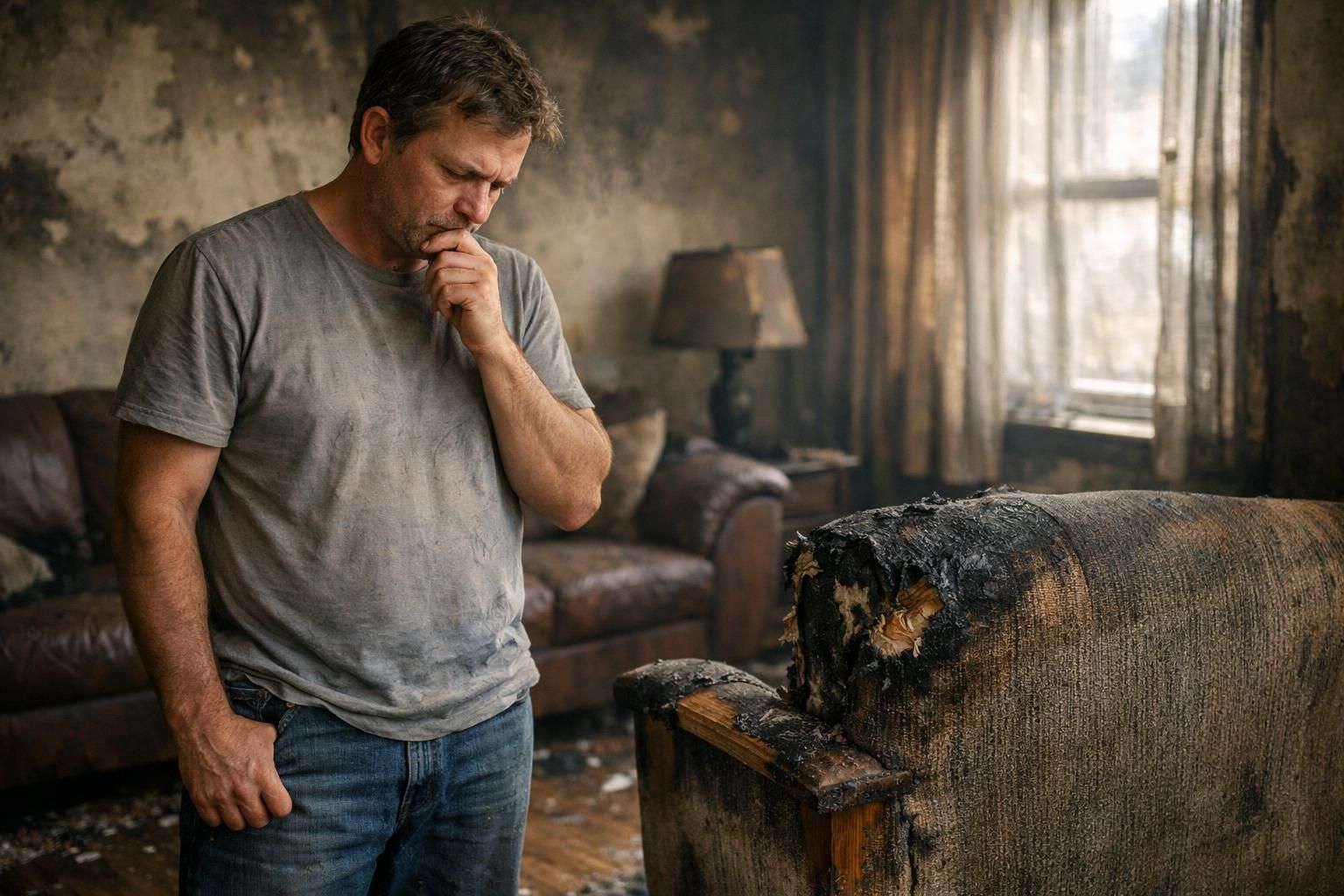
Fire damage ranges from light smoke stains to a complete loss requiring full reconstruction. Knowing the level of damage helps you decide between restoration, a partial repair, or selling—read on to see how each level affects your options in Washington.

Minor damage: Smoke and soot issues
Smoke and soot penetrate walls, ceilings, and furniture quickly. Toxic fumes can linger in drywall, carpets, and HVAC filters for weeks. Washington's rainy climate can worsen the problem—water from firefighting hoses spreads soot further and accelerates mold growth if not addressed promptly.
Smoke odor removal requires specialized equipment such as ozone generators and industrial air purifiers, costing between $2,000 and $15,000 depending on home size. Document all visible smoke damage with photos before any cleanup begins, and contact your insurance agent without delay to start repairs and reduce out-of-pocket costs.
Moderate damage: Repairable structural damage
Moderate fire damage involves repairable structural issues—weakened walls, ceilings, or framing from intense heat and smoke exposure. Restoration at this level typically takes six to twelve months. Insurance claims for moderate fire losses averaged $77,000 in 2023, but rebuilding costs in Puget Sound markets frequently exceed that figure significantly.
Expect your insurer to scrutinize smoke damage versus structural damage separately. Homes with moderate fire damage typically sell for 30–50% below market value if you decide selling is preferable to rebuilding. Engage licensed contractors and your insurer early to avoid missing permit requirements or critical claim details.
Severe damage: Total loss requiring rebuild
A severe fire may result in a total loss, requiring complete reconstruction. Washington's updated building codes will apply to any rebuild—including hardwired interconnected smoke alarms, improved egress windows, and fire-resistant construction materials. You must work closely with your insurance agent, document everything before disturbing the site, and secure permits through your local building department before reconstruction begins.
Many Washington homeowners in this situation connect with the Red Cross or Salvation Army while managing ongoing mortgage obligations during the lengthy rebuild process.
Back to topNavigating the Insurance Claims Process
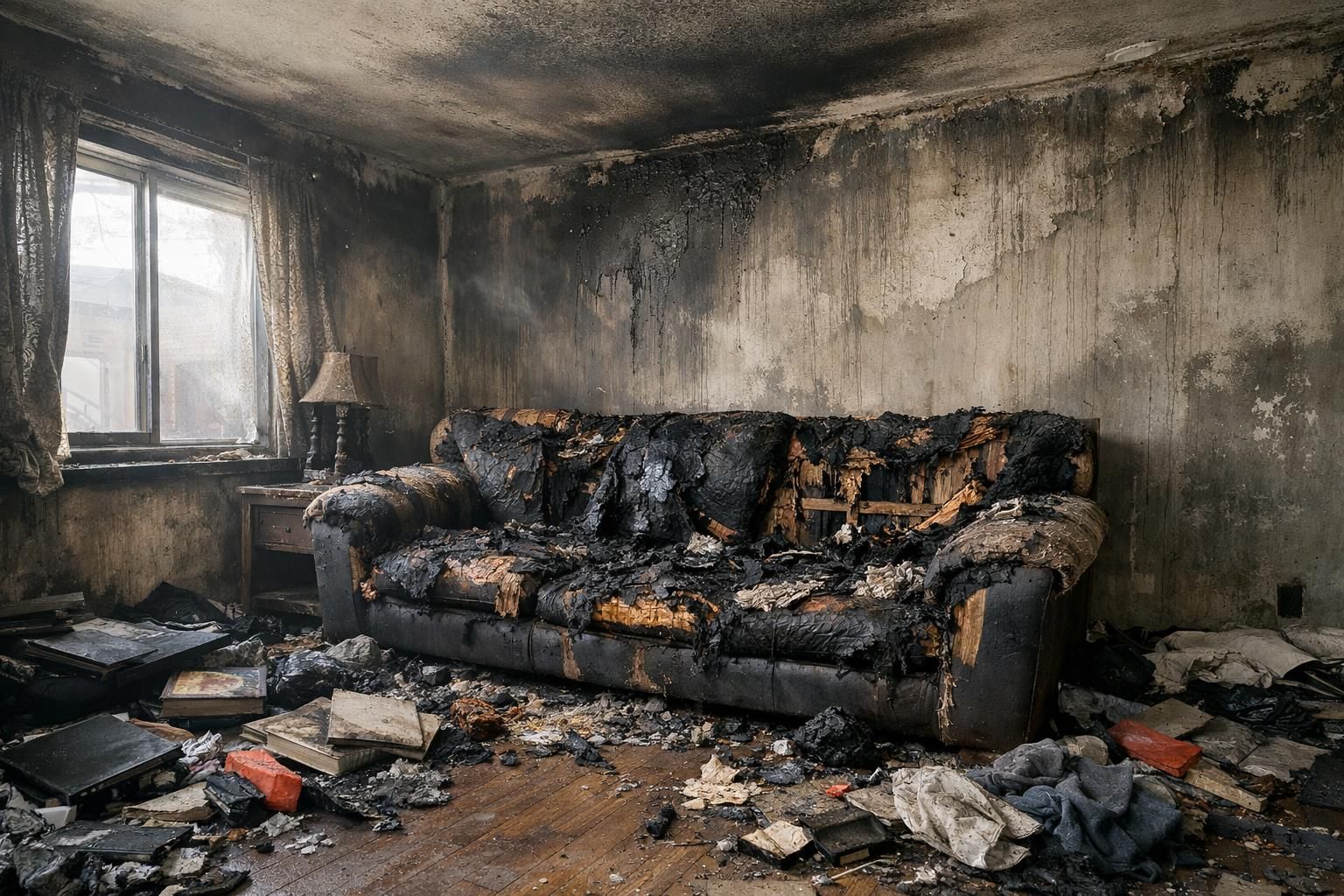
Your insurance agent can guide you through the claims process, but you'll need thorough documentation of smoke damage, structural losses, and damaged personal property to support your fire report and policy claim.
File the claim within 24–72 hours
Contact your insurance agent immediately after a house fire. Washington insurers typically require claims to be filed within 24–72 hours. Acting fast speeds up access to repair funds and temporary housing reimbursement.
Photograph all smoke damage and losses before anything is moved. Keep detailed receipts for cleanup services, hotel stays, and repair materials—these support reimbursement under your policy and may have tax implications. Notify your mortgage lender promptly, as they have a financial interest in major repairs or any sale of the property.
Document losses: Contents vs. structure
Photograph and video the damage to both personal contents—furniture, clothing, electronics—and structural elements like walls, floors, ceilings, and windows. Create a written inventory separating lost belongings from structural damage, and include receipts or purchase records where possible.
This separation matters for your Washington insurance claim because contents and structure are often covered under different policy provisions. Inadequate documentation of either category frequently results in out-of-pocket costs during restoration.
Understand Actual Cash Value (ACV) vs. Replacement Cost
Actual Cash Value pays you the depreciated worth of damaged property—not what it costs to replace it new. Replacement Cost coverage pays the full current cost to replace lost items without deducting for age or wear. In high-cost Washington markets like Bellevue or Seattle, the gap between ACV and true replacement cost can be substantial. Always confirm which coverage type your policy provides before assuming your payout will cover full rebuilding or replacement costs.
Typical claim timeline and common denial reasons
File within 24–72 hours. Insurers typically complete their initial assessment within 30–60 days, with full payouts on straightforward claims arriving in 60–90 days. Denials commonly occur due to inadequate coverage—Washington homes are underinsured by roughly 22% on average—or disputes over smoke damage classification. Keep your fire department incident report and all documentation readily available, and review your policy's code upgrade provisions before filing.
Back to topRepair and Rebuild Considerations
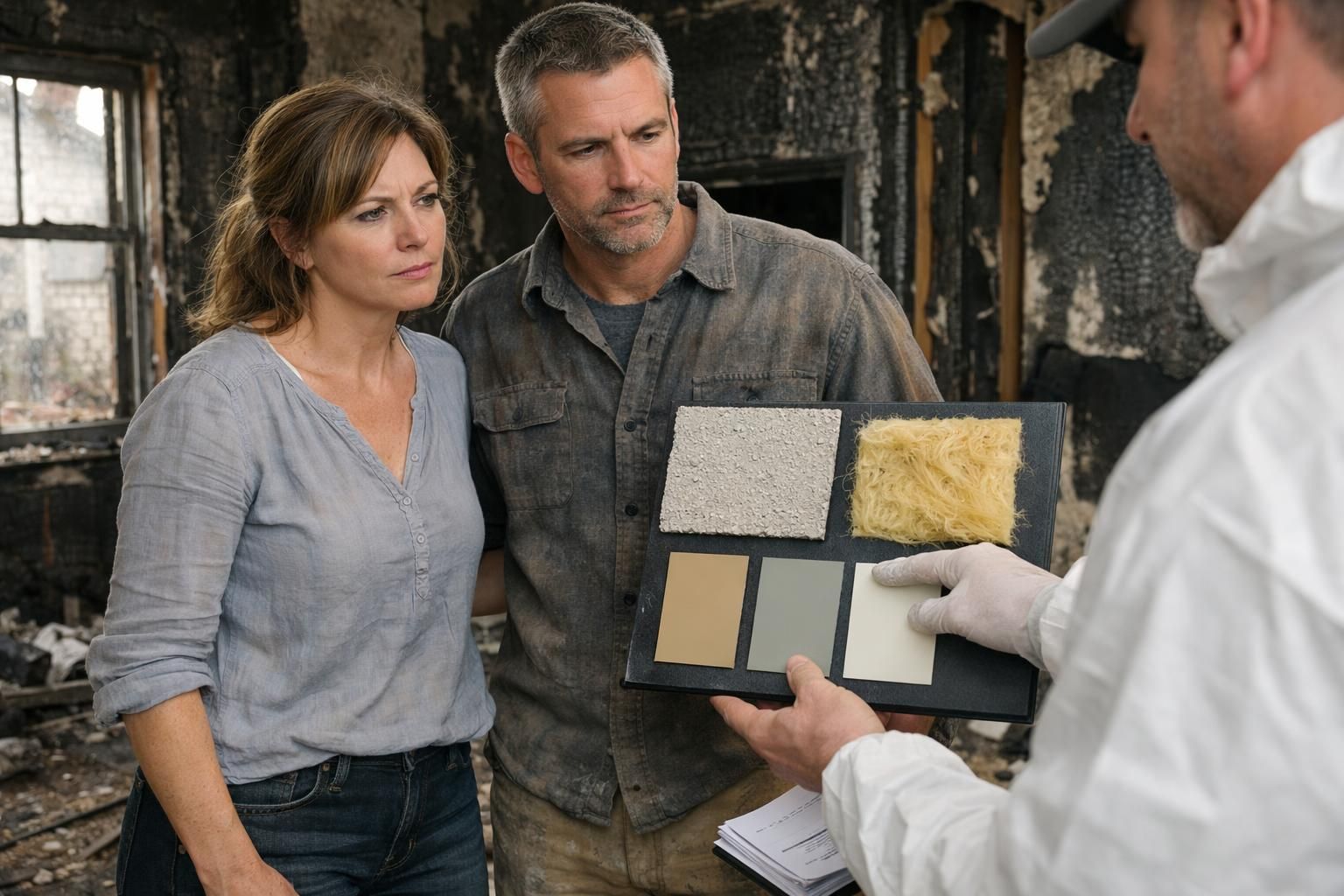
Repairing fire damage in Washington requires working with your insurance agent, obtaining multiple contractor estimates, and meeting state and local building code requirements—read on to understand how these factors affect your recovery timeline and costs.

Obtain contractor estimates and understand timeline realities
Get written estimates from at least three Washington State licensed contractors. Each bid should detail smoke damage remediation, structural repair scope, and estimated costs. Your insurer will likely require this documentation to approve claim amounts.
Rebuild timelines in Washington depend on debris removal, local permit approval, inspector availability, and contractor scheduling. In cities like Seattle or Tacoma, permit review alone can take several weeks. Plan for a multi-month recovery if extensive structural work is needed.
Decide between insurance-approved or independent contractors
Insurance-approved contractors are familiar with Washington State claim documentation and can communicate directly with your adjuster, often speeding up repairs. However, some policies may restrict your contractor options—review your policy carefully before committing.
Independent contractors may offer more competitive pricing or handle unique repairs outside standard policy coverage. Regardless of which you choose, always require written estimates, verify Washington State contractor licensing, and confirm whether local permits are required before work begins.
Address hidden damage, smoke odor, and permit requirements
Hidden fire damage—weakened beams, water intrusion, or toxic residues behind walls—poses ongoing health and structural risks. Smoke odor embeds in carpets, insulation, and ductwork; professional removal using ozone generators or thermal foggers typically costs $2,000–$15,000.
Washington State and local building departments require permits before major structural repairs or rebuilding begins. Some policies require special endorsements to cover code upgrade costs triggered by reconstruction. Permit delays are common in high-demand markets and can significantly extend your recovery timeline and expenses.
Back to topFinancial Realities of Recovery
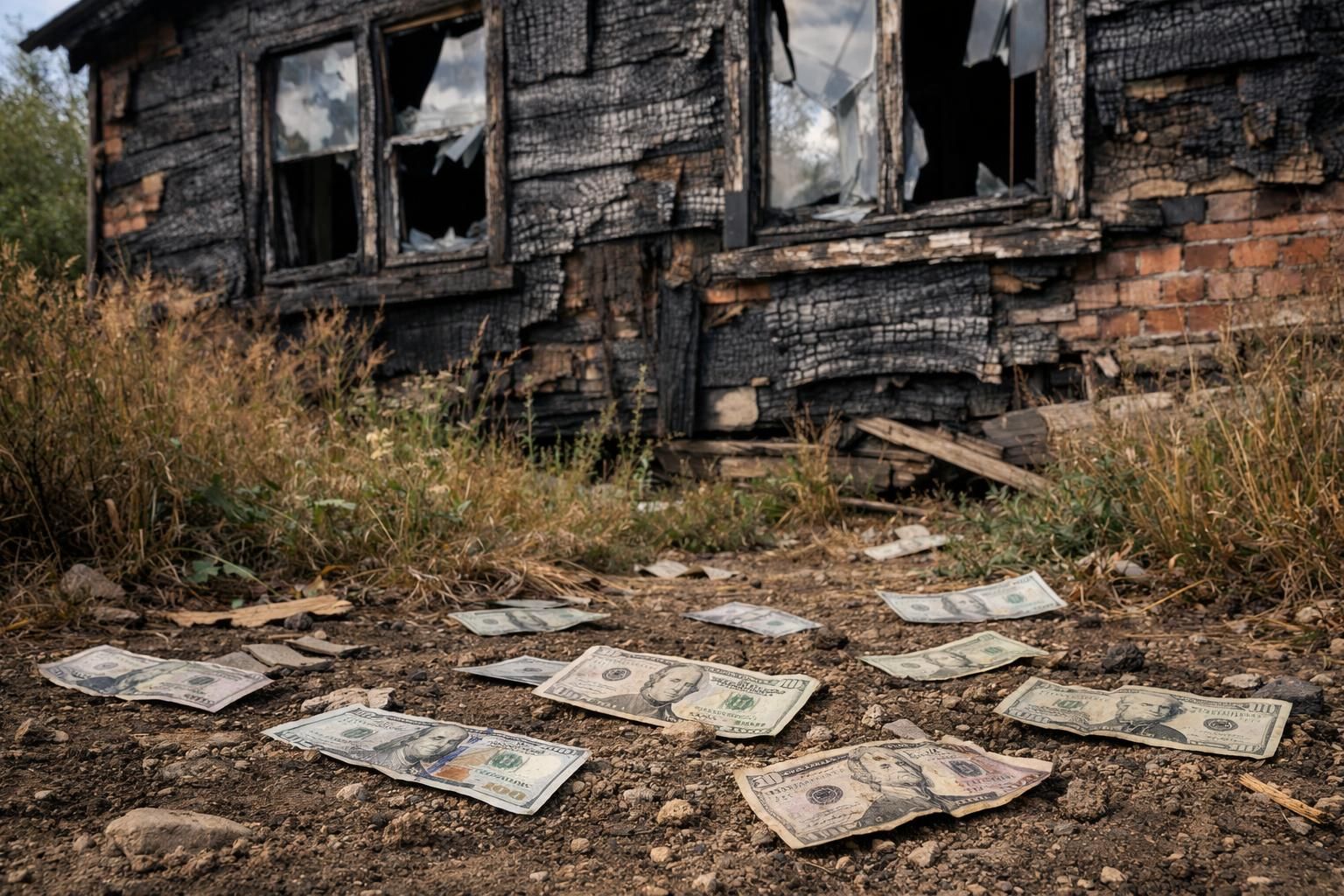
Out-of-pocket costs and continuing mortgage payments
Mortgage payments continue even if your home is unlivable after a fire. Most Washington lenders do not automatically offer disaster forbearance, so you must proactively contact your lender to discuss options. Property taxes also continue to accrue while you own the damaged property.
Many contractors require a 30–50% deposit before beginning work. If your ALE benefit runs out before repairs are complete, additional temporary housing costs come out of pocket. Fire-damaged homes in Washington often sell for significantly less than their pre-fire value, meaning a sale may not fully retire your mortgage balance.
Impact on property value and tax implications
Fire damage can reduce Washington property values by 30–50% compared to undamaged comparable homes. Washington State law requires full disclosure of known fire and smoke damage history when selling, which limits buyer interest and affects financing availability.
Property taxes continue until ownership is resolved or the property is rebuilt. Washington does not have a state income tax, but you may qualify for a federal casualty loss deduction if the fire is tied to a federally declared disaster—consult a tax professional to determine eligibility. Insufficient insurance coverage can significantly increase out-of-pocket recovery costs.
Back to topAlternatives to Rebuilding
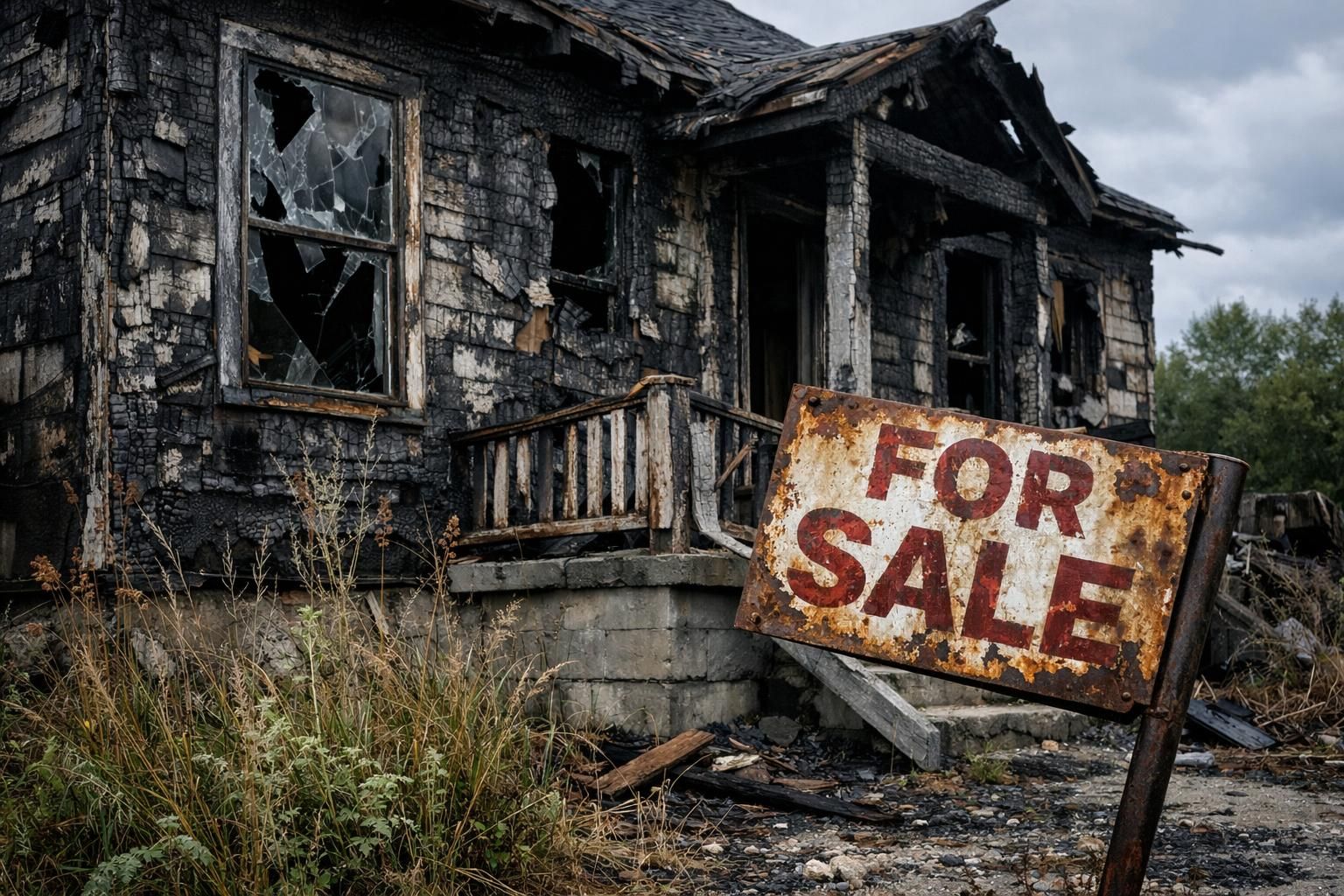
When selling makes more sense than rebuilding
High out-of-pocket repair costs, ongoing mortgage payments, and limited insurance payouts can make selling a more practical path than rebuilding—especially in Washington markets where construction costs are elevated. Selling your fire-damaged property can free you from lengthy permit processes, contractor management, and months of temporary housing.
Cash buyers are often the only realistic option since traditional lenders rarely finance homes with significant fire or smoke damage. Most cash buyers in Washington will offer 30–50% below market value. If emotional trauma makes returning to the property difficult, selling can allow your family to move forward faster.
Options for as-is sales vs. traditional listings
Selling as-is allows you to avoid costly repairs and close quickly. Cash buyers and investors regularly purchase fire-damaged homes in Washington markets. Expect lower offers reflecting the 30–50% value reduction typical of fire-damaged properties.
Traditional listings require cleanup, repairs, inspections, and staging. Washington State law mandates full disclosure of all known fire and smoke damage history to prospective buyers regardless of listing type. Even after repairs, disclosure requirements remain, and buyers may factor that history into their offers.
Considerations for selling a damaged property
Understand how your fire insurance proceeds affect your selling options before listing. Washington's disclosure laws require you to provide buyers with a completed Seller Disclosure Statement (Form 17) that includes known fire and smoke damage. Keep your fire incident report, insurance documentation, and photos of damage organized—buyers and their agents will request them.
Using insurance proceeds from a sale can help you purchase a new Washington home faster than waiting through a lengthy rebuild. Weigh repair costs against realistic post-repair market value, and factor in the emotional toll of a prolonged recovery process before deciding.
Back to topConclusion: Creating a Decision Framework
Choose your path by honestly assessing your financial situation, insurance coverage, emotional capacity, and long-term housing goals. Washington offers community resources to help at every stage—reach out to the Red Cross, Salvation Army, or local disaster relief programs as you work through your decisions.
Key questions to ask yourself
Start with safety: do you or family members need medical evaluation for smoke inhalation? Has the fire department cleared your home for entry? Do you have the fire incident report your insurer and any buyer will require?
Review your homeowners' policy carefully with your agent. Is the damage primarily smoke and soot, or does it involve structural repair? Do you have enough savings to cover out-of-pocket costs while continuing mortgage payments? Are repair estimates realistic given Washington construction costs and permit timelines?
Ask yourself whether rebuilding fits your future plans. Would selling—either as-is to a cash buyer or after partial repairs—allow your family to move forward more effectively? Each path has real tradeoffs; consider them carefully before committing.
Resources for support and next steps
Contact the American Red Cross or Salvation Army for immediate shelter and basic needs assistance. Reach out to your insurance agent promptly to start your claim and understand your coverage. Keep all receipts tied to fire recovery—they may support reimbursement or federal tax deductions.
If you decide not to rebuild, explore as-is sale options with buyers who specialize in fire-damaged Washington properties. Notify your mortgage lender of the loss and submit your fire incident report as required. Document every detail—dates, policy numbers, damage photos—so you remain organized through repairs, claims processing, or a property sale.
Back to topFAQs
1. What should I do first after a house fire in Washington?
Evacuate immediately and call 911. Once firefighters clear the property, obtain the official fire incident report from the responding department. Contact your insurance agent within 24–72 hours and document all damage thoroughly before touching anything inside.
2. How do I handle smoke damage and soot removal in Washington?
Hire licensed fire damage restoration professionals experienced with Washington State building codes. Smoke and soot require specialized equipment—ozone generators, thermal foggers, and industrial air purifiers—to remove safely. DIY cleanup often misses embedded residues that create ongoing health hazards.
3. Where can I find temporary housing help in Washington?
The American Red Cross and Salvation Army provide emergency shelter, food, and clothing. Your homeowners' policy's ALE coverage may also reimburse hotel or rental costs. Local community organizations in Seattle, Tacoma, Spokane, and other Washington cities offer additional disaster support resources.
4. Do I have to keep paying my mortgage after a house fire in Washington?
Yes, mortgage payments continue unless your lender specifically agrees to forbearance. Contact your lender immediately to discuss your options. Missing payments can harm your credit and complicate future financing while your claim is being processed.
5. Should I repair or sell my fire-damaged Washington home?
It depends on your insurance coverage, financial position, and emotional readiness. If repair costs exceed your coverage and savings, or if the recovery timeline is prohibitive, selling as-is to a cash buyer may allow you to move forward faster. Get contractor estimates and a realistic market value assessment before deciding.
If you're a Washington homeowner facing the difficult decision of what to do with a fire-damaged property, KDS Homebuyers can help. We buy houses as-is across Washington—no repairs, no lengthy listings, no stress. Visit kdshomebuyers.net to request a free, no-obligation cash offer and take the first step toward recovery on your terms.
Back to topMore in Water, fire, storm and roof damage
- Can You Sell a House With a Sinkhole? What You Need to Know
- How to Sell a Fire-Damaged House (And What It's Actually Worth)
- What to Do After a House Fire: Insurance Claims, Repairs, or Selling
- Selling a House After a Natural Disaster: Insurance, Repairs, and Options
See our guide: “How to Sell a House As-Is: What It Means and How It Works” →
