

What Happens to a House When There's No Will in Indiana
Losing a loved one is never easy, and dealing with their home adds stress to your grief. Only about 32% of Americans have a will, which means most Indiana families face the question: "no will — what happens to the house?" 3 This post explains how Indiana's intestacy laws work and guides you through managing an inherited property when there's no estate plan in place. 1 2
Key Takeaways
- If someone dies without a will in Indiana, the state's intestate succession statutes (found in Indiana Code Title 29) control how the house and other assets are distributed.3
- Probate in Indiana is handled through the Circuit or Superior Court of the county where the deceased lived — for example, Marion County Probate Court for Indianapolis residents. The process typically takes 6–18 months, sometimes longer.
- The court names an administrator who locates assets, pays debts, and distributes the house in a set legal order: surviving spouse first, then children (including adopted), then parents, siblings, and extended family.
- If multiple heirs inherit as tenants in common and cannot agree on whether to keep or sell the home, any co-owner may petition the court for a partition sale — which can extend the probate timeline significantly.
- Inherited homes in Indiana may carry unpaid mortgages, back property taxes, or deferred maintenance. Professional help from an Indiana probate attorney is key to resolving these issues efficiently.12
The Emotional and Practical Weight of Managing a Home Without a Will
You may feel overwhelmed after a loved one dies, especially when you must manage their house without a will. Grief comes hand in hand with legal and financial stress. Intestate succession adds to this burden because the probate process grows longer and more complex without a last will and testament.
Indiana's intestacy rules do not consider your personal relationship with the deceased, caregiving history, or financial need. State law simply follows a statutory formula. As a result, managing real estate through an Indiana probate court can trigger uncertainty and conflict among next of kin while adding months of delays to estate administration — whether the property is in Indianapolis, Carmel, Noblesville, or a small rural county.
Understanding Intestate Succession in Indiana
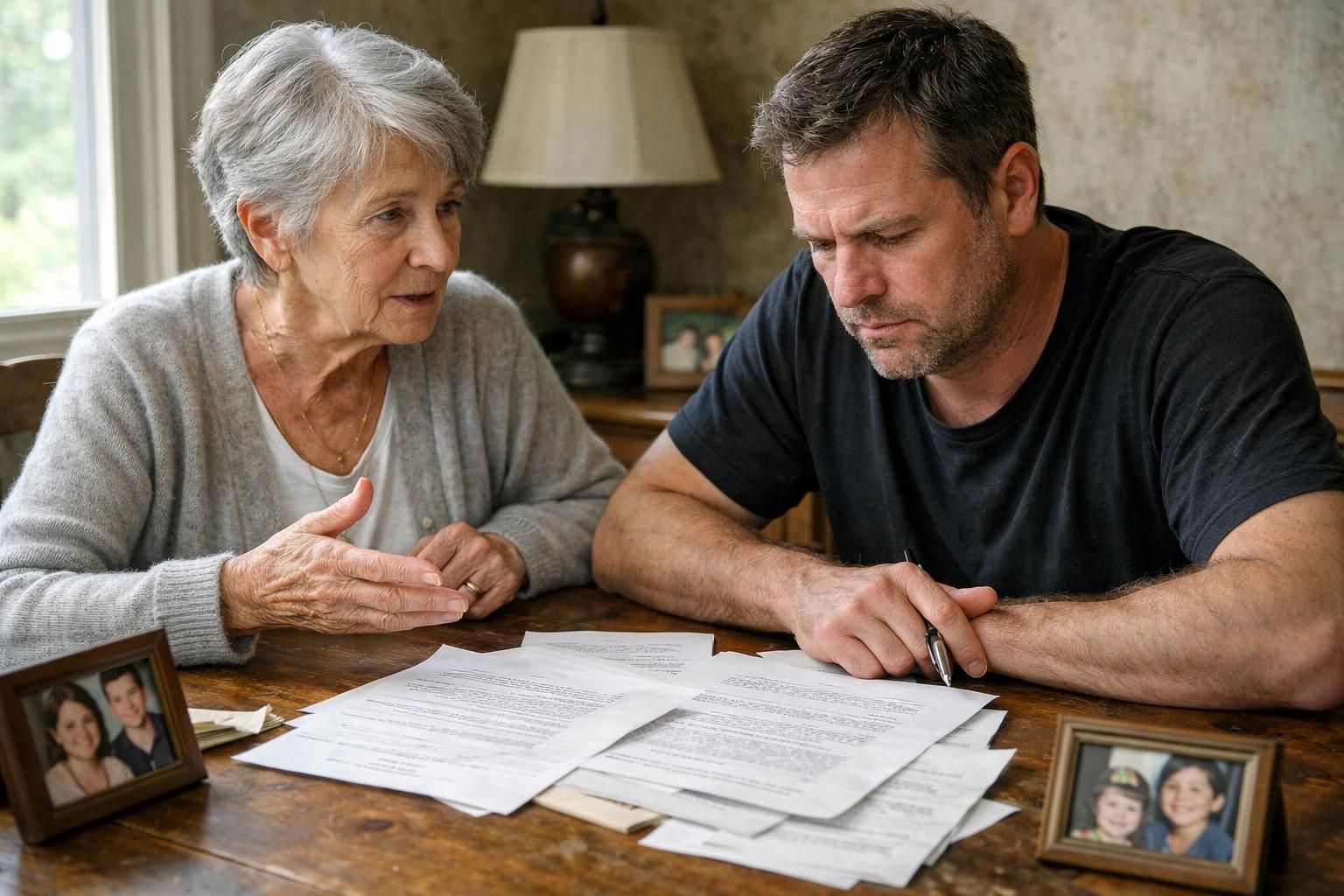
If a person dies without a will in Indiana, the state's intestate succession statutes decide how the estate is distributed. These rules determine who inherits property such as your house, bank accounts, and personal property — and can surprise families facing loss for the first time.
What it means when someone dies without a will in Indiana.
Dying without a will is called dying intestate. Indiana's intestate succession laws then decide who inherits your house and other probate assets — things like personal property or bank accounts titled solely in your name. Only assets without a beneficiary designation or held outside of a living trust go through the probate process.
The Indiana Circuit or Superior Court of the deceased's home county steps in when there is no will. A judge appoints an administrator — also called a personal representative — to handle estate administration duties such as paying debts and distributing property according to Indiana's statutory formulas rather than the deceased's personal wishes.
Indiana is a common-law property state, not a community property state. This means a surviving spouse does not automatically own all marital assets. Instead, Indiana law divides the estate based on who survives the deceased, and the outcome can surprise blended families or unmarried partners who have no legal standing under intestate succession rules.
How Indiana law determines what happens to the assets.
Indiana Code Title 29 governs how probate assets are divided when someone dies without a will. Indiana is a common-law state, so the distribution formula depends on which family members survive the deceased.1
Under Indiana intestate law, if the deceased is survived by a spouse and descendants (children or grandchildren), the surviving spouse inherits one-half of the estate and the descendants share the other half. If there are no descendants, the surviving spouse inherits everything. If there is no surviving spouse, all children share the estate equally. Parents, siblings, and more distant relatives inherit only when no closer relatives exist.
If no relatives can be found at all, Indiana law allows the estate to escheat to the state rather than passing to distant acquaintances or unmarried partners. Domestic partners and unmarried companions have no automatic inheritance rights under Indiana's intestate statutes.
What Happens When There's No Will in Indiana

If there is no will, the Indiana probate court oversees estate administration. The court selects a personal representative to manage asset distribution following Indiana's intestate succession statutes.
Discovery of assets.
Administrators must uncover all probate assets after someone dies without a will. Start by searching the home for bank records, retirement account statements, deeds, and tax returns. Administrators have a fiduciary duty to act honestly while gathering this information.2
As the court-appointed personal representative in Indiana, you gain access to financial details through the probate process. A public notice is published during Indiana probate — this sometimes prompts creditors and others to come forward with asset or debt claims.2 In some cases, additional property surfaces months later, which can force the court to reopen proceedings for proper distribution under Indiana's intestate succession rules.
Court appointment of an administrator in Indiana.
When someone dies intestate in Indiana, the local Circuit or Superior Court manages estate administration. The court follows a statutory priority order when selecting an administrator: surviving spouse first, then adult children, then parents or siblings if needed. More distant relatives may apply if no closer family exists.
You must file a petition with the appropriate Indiana court — for example, the Marion County Superior Court Probate Division for estates in Indianapolis. The court typically holds a hearing before appointing the administrator. Most Indiana courts require the administrator to post a surety bond to protect the estate from errors or misconduct, which adds to legal costs.
Until the court issues Letters of Administration, all estate assets remain frozen. You cannot sell or transfer the property. Once appointed, you must file an inventory of all assets, publish a creditor notice as required under Indiana law, and follow strict procedures for distribution according to Indiana's intestate succession statutes.
Identifying heirs and distributing assets in Indiana.
Indiana's probate court uses intestate succession statutes to identify legal heirs. The order starts with a surviving spouse and children — including adopted children, but not stepchildren unless formally adopted through Indiana legal proceedings. If there is no spouse or child, parents inherit next, followed by siblings, then extended family.
Once the court names a personal representative, that person manages asset distribution according to Indiana law. If an adult child predeceased the deceased but left their own children (grandchildren of the estate owner), those grandchildren may inherit their parent's share through per stirpes distribution under Indiana's right of representation rules.
Assets like retirement accounts and life insurance with named beneficiaries pass outside of probate entirely. The full process — from opening the estate to final distribution — typically takes 6–18 months in Indiana, and can stretch longer in complicated estates or when disputes arise among heirs.
Who Inherits the House Under Indiana Intestate Laws

Indiana law decides who receives the house when someone dies without a will or living trust. Estate distribution follows a legal hierarchy based on family relationships, which can create unexpected outcomes for blended families or long-term partners.
Indiana's inheritance hierarchy: spouse, children, parents, siblings, and extended family.
Under Indiana intestate succession law, a surviving spouse is at the top of the inheritance order. If the deceased left both a spouse and descendants, the spouse receives one-half and the descendants share the other half. If there are no descendants, the surviving spouse inherits everything.
Both biological and adopted children inherit equally in Indiana, but stepchildren must be formally adopted to qualify.3 If there is no surviving spouse or child, the deceased's parents inherit. If parents are gone, siblings inherit in equal shares. Extended family such as grandparents, aunts, uncles, and cousins inherit only when all closer relatives have passed away.
Unmarried partners — even long-term companions — receive nothing under Indiana's intestate statutes unless named as beneficiaries on specific accounts or assets held outside probate. This is an important reason why estate planning matters, particularly in Fishers, Lebanon, and other growing Indiana communities where blended and nontraditional families are common.
Indiana example scenario.
Imagine your father dies in Indianapolis without a will. The Marion County Superior Court Probate Division opens a probate case. Your mother, as surviving spouse, inherits one-half of the estate. You and your siblings divide the other half equally under Indiana's intestate succession statutes.
If your father had no surviving spouse or children, his parents would inherit everything. If his parents were also deceased, his siblings would inherit in equal shares. In the rare case of no living relatives, Indiana law would allow the estate to escheat to the state. This process typically takes 6–18 months and involves asset discovery, administrator appointment, creditor notice publication, and final distribution under Indiana law.
The Probate Process for Real Estate in Indiana

Indiana's probate court must confirm who has legal authority to manage or sell the house. This protects everyone's rights during estate administration and helps prevent future disputes among heirs.
Why houses require special handling in Indiana probate.
Real estate stands out in probate because of its high value and special legal requirements. As administrator, you must continue paying property taxes, homeowner's insurance, mortgage payments, and upkeep during estate administration — even before the property is distributed or sold.
In Indiana, estates with real property generally require full probate court involvement. Vacant homes face added risks including theft, vandalism, and code violations that can quickly escalate costs.4 You need a court-issued Letters of Administration before you can legally sell or transfer the home. Professional guidance from an Indiana probate attorney is essential, especially when debts exceed assets or multiple heirs hold shares under complex circumstances.5
How the administrator gets authority to manage or sell the property in Indiana.
To gain authority over the property, you must be appointed by the Indiana probate court as estate administrator. The judge holds a hearing, reviews your petition, and may require you to post a surety bond. Once appointed, the court issues Letters of Administration, which give you legal control over all probate assets including real estate.
Indiana allows for both supervised and unsupervised administration. Unsupervised (independent) administration gives the administrator more flexibility to manage or sell real estate without seeking court approval for every action. Supervised administration requires court approval for major steps, including real estate sales. As administrator, you carry a fiduciary duty to protect all beneficiaries' interests while settling debts and transferring property under Indiana's intestate succession rules.
What happens when multiple heirs inherit shares in Indiana.
Multiple heirs receive ownership as tenants in common under Indiana intestate succession law. Each person owns a fractional share of the house, and all must agree to keep it or petition the Indiana court for a partition sale if they cannot reach consensus. Disagreements over whether to sell or keep the home are common among siblings or adult children and can significantly delay estate administration.
Until probate closes and the administrator identifies all heirs, no one can transfer title alone. Every heir shares responsibility for mortgage payments, property taxes, and repairs. If payments stop, the mortgage lender may begin foreclosure on the estate's real property — a risk that affects all co-owners equally.
Common Complications with Inherited Real Estate in Indiana
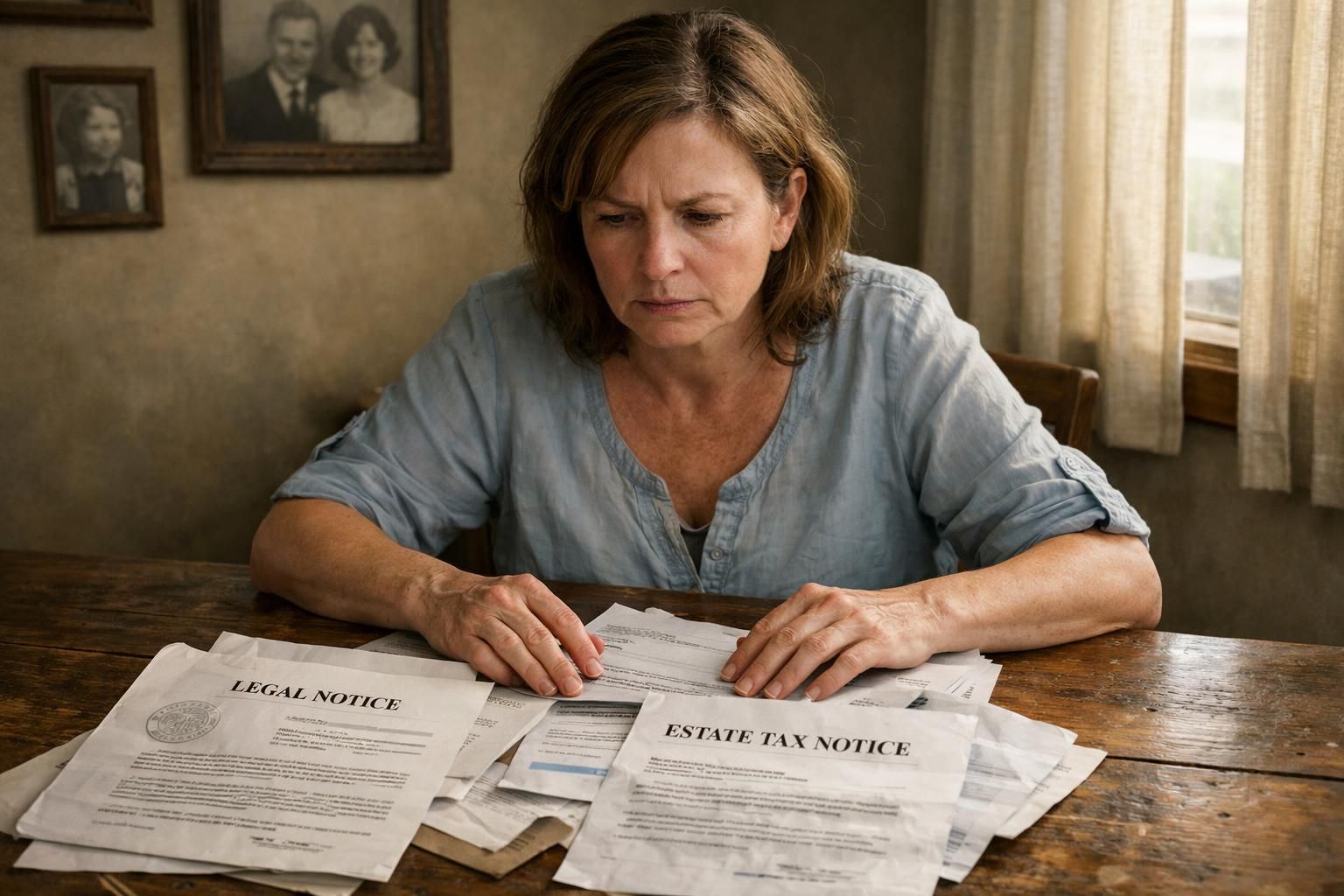
Disagreements among heirs about keeping or selling.
Family conflicts often erupt over inherited real estate, especially when heirs have different expectations.7 Some want to keep the property for sentimental reasons; others want a faster resolution through sale. Without a will to guide decisions, these disputes play out in Indiana probate court and can extend the process well beyond 18 months.
Clear communication among all heirs before meeting with the personal representative or a probate attorney helps prevent costly legal battles.7 Discuss each person's priorities and financial needs early, and consider mediation if disagreements are significant.
Issues with mortgages, Indiana property taxes, and needed repairs.
Inherited properties often carry financial burdens — outstanding mortgages, overdue Indiana property taxes, or long-deferred maintenance. If the deceased still owed money to a mortgage lender, missed payments can trigger foreclosure quickly. Indiana property taxes are assessed annually, and unpaid taxes can result in a tax lien or even a tax sale of the property.
Heirs property problems — where title is unclear during probate — make it difficult to obtain financing for needed repairs or qualify for disaster assistance programs.8 You cannot refinance or leverage the property until the estate administrator receives legal authority and title is cleared. Always consult a knowledgeable Indiana probate attorney before making decisions about repairs, sales, or asset distribution.
Options for Indiana Heirs Once They Inherit the House
Once you inherit a home through Indiana probate, you face important choices. Your next steps will shape both your family's relationships and the property's future.
Keeping the property.
Heirs who keep the house take on real responsibility. Indiana property taxes, homeowner's insurance, and ongoing maintenance fall to you. Indiana offers a homestead deduction that can reduce assessed value for owner-occupied properties — but you must apply for this through your county assessor's office after taking title. If several siblings inherit as tenants in common, everyone must cooperate on costs and repairs, which can create ongoing friction.
Selling it traditionally.
A traditional sale starts with a professional appraisal and a review of current Indiana market conditions. You must ensure probate is complete and title is clear before listing. Indiana does not impose a separate state real estate transfer tax, but you will still face real estate commissions, attorney fees, and any outstanding mortgage balances that reduce final proceeds. Sales using this method can take several months depending on buyer demand, condition of the property, and agreement among all heirs.
Renting it out.
Renting an inherited Indiana property can provide steady income, but it requires meeting all Indiana landlord-tenant law requirements, including habitability standards and proper lease agreements. If multiple heirs share ownership, rental profits must be divided according to each person's share, and all co-owners must agree on management responsibilities. Many out-of-state or busy heirs hire property management companies, typically charging 8%–12% of monthly rent collected.
Selling quickly for cash (pros and cons).
Selling to a cash buyer can simplify the probate process. Cash buyers typically purchase properties as-is, handle the paperwork, and close in weeks rather than months — providing immediate liquidity to pay estate debts or resolve disputes among heirs. This option works especially well when heirs cannot agree or when the property has significant deferred maintenance or back taxes.
The downside is that cash offers are usually below full market value. Carefully review all offers before deciding, and consult your Indiana probate attorney to ensure any sale complies with court requirements during estate administration.
Hoarder Houses and Inherited Indiana Properties
Hoarder houses can overwhelm heirs with clutter, hidden damage, and unsafe conditions. Estate administration specialists often recommend hiring a professional clean-out crew or estate liquidator to prepare the home for probate court and eventual sale.
Issues with inherited hoarder properties.
Inherited Indiana properties filled with clutter often hide bigger problems — leaking roofs, water damage, mold, or pest infestations.9 Local code enforcement authorities can cite violations for fire hazards or unsafe conditions. Before preparing the property for sale or occupancy under Indiana intestate succession law, you must address legal obligations such as unpaid debts and complete the probate process. Structural inspections help reveal hidden risks so you can plan repairs while following Indiana's requirements for asset distribution.
Cleaning and preparing for sale in Indiana.
You may need to decide whether to clean the property or sell it as-is. Professional cleaning services are crucial for extreme hoarding situations since hidden hazards often surface during cleanup.10 A licensed inspector can protect you from surprises before listing the estate. Indiana courts may require these steps as part of estate administration to ensure fair asset distribution among heirs.11
Mold Inspection and Remediation in Indiana Inherited Properties
Mold frequently hides in inherited Indiana homes, especially properties that have sat vacant or were maintained poorly. Estate administration should include a mold inspection early in the process. Musty smells, dark patches on walls, or visible moisture damage are warning signs. Professional remediation can cost thousands of dollars but protects heirs, future buyers, and the property's value. Indiana disclosure laws require sellers to reveal known material defects — including mold — so addressing it upfront prevents legal complications and lost buyers down the road. Always factor inspection and remediation costs into your expense planning during estate administration.
Actionable Next Steps for Managing an Indiana Inherited Property
Contact an Indiana probate attorney.
Reach out to an Indiana probate attorney as soon as possible after a loved one dies without a will.12 An experienced estate administration lawyer can explain Indiana's intestate succession statutes, guide you through the probate court process, and help you avoid costly delays. Indiana law has specific rules about spousal inheritance shares, adopted children's rights, and per stirpes distribution that a local attorney will know well. Quick action reduces stress and protects the interests of all heirs — whether they are in Indianapolis, Noblesville, or anywhere else in the state.
Secure the property and notify insurance.
Lock all entry points to protect the property from theft or vandalism. Vacant homes in Indiana attract trouble quickly and can develop maintenance problems. Notify the homeowner's insurance company about the owner's passing immediately — standard policies often do not cover vacant properties, so ask about vacant property coverage to maintain protection throughout the Indiana probate process. Update alarm systems and utilities as needed while awaiting asset distribution under Indiana's intestate succession statutes.
Get the property appraised and assess your options.
Schedule a professional appraisal to determine the property's fair market value. This number is essential for estate administration, tax reporting, and deciding between keeping and selling under Indiana probate court rules.13 Gather the deed, recent surveys, and insurance documents before the appraiser visits. Review mortgage balances, unpaid Indiana property taxes, and required maintenance costs so you are not caught off guard during asset distribution. Discuss all options — keeping, selling, renting, or a cash sale — with co-heirs and your Indiana probate attorney before committing to a course of action.
Indiana Tax Considerations for Inherited Property
Indiana does not have a state inheritance tax or estate tax, which simplifies the financial picture for many heirs. However, inherited real estate still comes with ongoing Indiana property tax obligations. When you inherit a home, the assessed value may be adjusted, and you will need to apply for any applicable deductions — such as the homestead deduction — through your county assessor after title transfers.
For federal capital gains tax purposes, inherited property typically receives a stepped-up basis to the fair market value at the date of death. This means if you sell the home shortly after inheriting it, your taxable gain may be minimal. Consult a tax professional alongside your Indiana probate attorney to fully understand the implications before selling or transferring the property.
Professional Support Is Available
Indiana probate attorneys, licensed appraisers, real estate professionals, and estate administration specialists can guide you through every step. They help identify heirs, manage probate assets, handle court filings, and ensure distribution follows Indiana's intestate succession statutes. With professional support, you reduce the risk of costly errors and avoid unnecessary delays beyond the typical 6–18 month Indiana probate timeline.
Conclusion
If you feel overwhelmed by Indiana estate administration or probate court, help is available. Taking action early — securing the property, contacting a probate attorney, getting an appraisal — protects your family's interests and keeps the process moving forward.
Consider selling to a cash buyer for a simpler solution.
Selling to a cash buyer can ease the burden of managing an inherited Indiana property, especially when dealing with estate administration after someone died without a will. Cash buyers often specialize in probate assets — including hoarder houses or distressed homes — and do not require repairs before closing. Sales can close in weeks rather than months, providing immediate funds to pay off estate debts or resolve disputes among heirs.
This route works especially well when multiple heirs cannot agree or when urgent costs threaten the estate's value. While the home might sell below full market value, many families find the speed and simplicity worth it. Always consult your Indiana probate attorney before finalizing any sale of inherited real estate.
If you have inherited an Indiana home and want to explore your options, KDS Homebuyers purchases houses directly from homeowners and heirs — in any condition, at any stage of probate. Visit kdshomebuyers.net to request a free, no-obligation cash offer and get straightforward answers about your situation.
FAQs
1. What happens to a house in Indiana if someone dies without a will?
Indiana's intestate succession statutes (Indiana Code Title 29) control who inherits the house. The local Circuit or Superior Court oversees estate administration and asset distribution.
2. Who gets the house under Indiana intestate law if there is a surviving spouse?
If the deceased left a surviving spouse and descendants, Indiana law gives the spouse one-half of the estate and the descendants split the other half. If there are no descendants, the surviving spouse inherits everything.
3. Do unmarried partners have inheritance rights in Indiana?
No. Indiana's intestate succession statutes do not grant automatic inheritance rights to unmarried partners or domestic partners. They can only inherit through beneficiary designations on accounts or assets held outside of probate.
4. How does having minor children affect Indiana estate distribution without a will?
Minor children can inherit a share of the estate under Indiana's per stirpes distribution rules. A court-appointed guardian or the personal representative manages their share until they reach legal age.
5. Does Indiana recognize common-law marriage for inheritance purposes?
Indiana does not recognize new common-law marriages formed after January 1, 1958. However, common-law marriages validly established in another state before moving to Indiana may be recognized. Proof of the relationship would be required by the probate court.
6. Does Indiana have an estate tax or inheritance tax on inherited property?
Indiana repealed its inheritance tax effective January 1, 2013, and has no state estate tax. Federal estate tax rules still apply to very large estates. Inherited real estate typically receives a stepped-up cost basis for federal capital gains purposes, which can reduce taxes owed if you sell shortly after inheriting.
References
- ^ https://www.littlejohnlawllc.com/blog/ohio-attorney-explains-intestate-succession-laws.cfm
- ^ https://sechlerlawfirm.com/articles-what-if-i-cant-find-my-loved-ones-assets/
- ^ https://www.nycourts.gov/courthelp/whensomeonedies/intestacy.shtml (2018-10-11)
- ^ https://www.nycbar.org/get-legal-help/article/wills-trusts-and-elder-law/probate-proceeding/
- ^ https://www.americanbar.org/content/dam/aba/publications/probate_property_magazine/v39/2025-aba-rpte-v39-05-september-october-issue.pdf
- ^ https://texaslawhelp.org/article/estate-administration-in-texas (2025-12-22)
- ^ https://www.
