

Can You Buy Back Your Foreclosed Home? Right of Redemption Explained in Washington
If you lost your house in a foreclosure sale in Washington State, you may wonder whether you can buy it back. The answer depends on when you act and how your foreclosure was handled. Washington law provides equitable redemption rights before a trustee's sale, but once that sale is complete, your right to reclaim the property is generally gone. 2 This guide explains Washington's foreclosure laws, your redemption options, and what alternatives may still be available to you. 1
Key Takeaways
- Washington is primarily a nonjudicial foreclosure state, meaning most foreclosures proceed through a trustee's sale rather than court. Once that sale is complete, there is no statutory right of redemption for the former homeowner.
- Equitable redemption — paying off the full amount owed before the sale — is available in Washington, but the window closes once the trustee's sale occurs.
- Payment must be made in full, including mortgage debt, accrued interest, legal fees, and costs. Cash or certified funds are required.
- Washington's foreclosure process typically involves a minimum of 190 days from the first missed payment to the trustee's sale, giving homeowners some time to explore options.
- Alternatives such as loan modification, short sale, deed in lieu, or selling before the sale can protect your credit and preserve more financial options than waiting out the process.
What Is the Right of Redemption?

The right of redemption gives homeowners a legal path to reclaim a foreclosed property. In Washington, how this works depends entirely on whether redemption occurs before or after the trustee's sale.
Statutory vs. equitable redemption in Washington
There are two types of redemption rights: statutory and equitable. Washington's laws treat these very differently, and understanding both is critical before taking action.
| Type of Redemption | What It Means | Washington Rules |
|---|---|---|
| Statutory Redemption | Lets you buy back your home after a foreclosure sale, defined by state law. | Washington does not provide statutory redemption after a nonjudicial trustee's sale. Once the sale is finalized, the former owner has no legal right to repurchase the property under state law. |
| Equitable Redemption | Gives you the right to pay off the full amount owed and stop the foreclosure before the sale. | Available in Washington up until the trustee's sale date. You must pay the full outstanding mortgage balance plus all fees and costs. This window closes permanently once the sale occurs. |
Washington homeowners should understand that their window to act closes at the trustee's sale. Acting before that date — through equitable redemption or another alternative — is the only path to keeping or reclaiming the home under state law.
Washington's nonjudicial foreclosure process and timelines
Because most Washington foreclosures are nonjudicial, lenders use the Deed of Trust Act rather than filing a lawsuit. The process proceeds through a trustee rather than through the courts. Washington law requires specific notice steps and waiting periods before a trustee's sale can occur.
After a default, the lender must issue a Notice of Default and then record a Notice of Trustee's Sale at least 90 days before the scheduled sale date. In total, from first missed payment to sale, the process generally takes a minimum of 190 days. During this time, homeowners in Seattle, Tacoma, Spokane, and across Washington can still exercise equitable redemption by paying off the full amount owed. Once the trustee's sale is completed, that option disappears.
Washington law also requires that lenders offer homeowners the opportunity to meet with a housing counselor before proceeding to a trustee's sale in many cases — a consumer protection designed to give struggling borrowers more options.
How Does Redemption Actually Work in Washington?

In Washington, exercising equitable redemption before the trustee's sale requires fast action and full payment. A real estate attorney familiar with Washington's Deed of Trust Act can help you navigate the steps.
Calculating the redemption amount
To stop a foreclosure before the trustee's sale in Washington, you must pay the full amount owed — not a partial payment. This includes your outstanding mortgage loan balance, accrued interest, unpaid property taxes, and all foreclosure-related legal fees and trustee costs. Foreclosure costs in Washington typically range from $5,000 to $15,000 on top of the underlying mortgage balance.
If homeowners association dues are unpaid, those may also need to be resolved. Payment must be made in cash or certified funds; personal checks are not accepted. Banks rarely offer new financing at this stage, so you will likely need to secure funds independently before contacting the trustee.
Understanding deadlines and filing requirements
Washington's foreclosure timeline is governed by strict statutory deadlines. Once the Notice of Trustee's Sale is recorded, you have until the actual sale date to exercise equitable redemption. There is no grace period after the sale.
You should contact the trustee in writing and notify them of your intent to pay off the debt before the sale. A Washington real estate attorney can help ensure proper documentation is submitted and that payment is delivered through the correct channels. Missing the sale date — even by one day — ends your right to reclaim the property under Washington law.
Payment requirements: full amount in certified funds
Washington requires full payment before the trustee's sale in order to halt the foreclosure. This means one lump sum covering the entire mortgage debt and all associated costs — no installment arrangements are permitted. Most lenders will not offer new mortgage financing at this stage, so you will likely need to access savings, family support, or other outside resources. Confirm the exact payoff figure with the trustee or lender in advance, as interest accrues daily and the total can change up to the sale date.
Washington's Position Among States on Redemption Rights

Washington falls on the stricter end of the national spectrum when it comes to post-sale redemption rights. Understanding where Washington stands compared to other states helps frame what options are realistic.
How Washington compares to other states
States like Alabama, Michigan, Kansas, and Minnesota offer statutory redemption rights after a foreclosure sale — sometimes up to 12 months. Judicial foreclosure states such as New York, Ohio, and Illinois often give homeowners six months to a year after the sale to redeem their property through court-supervised processes.
Washington, like California, Nevada, and Georgia, does not offer statutory redemption after a nonjudicial trustee's sale. 1 This makes acting before the sale absolutely critical for Washington homeowners. If you are in the Seattle metro area, Tacoma, or elsewhere in Washington and you have received a Notice of Trustee's Sale, do not wait — your window to act is limited and fixed by state law.
When judicial foreclosure applies in Washington
In limited circumstances, Washington lenders may pursue judicial foreclosure through the courts instead of a nonjudicial trustee's sale. This typically occurs when a lender wants to pursue a deficiency judgment against the borrower after the sale. In judicial foreclosure cases handled through Washington's Superior Court system, homeowners may have somewhat different procedural rights, and the involvement of the court can create additional notice requirements and timelines. However, even in judicial foreclosures in Washington, post-sale statutory redemption is not broadly available the way it is in states like Ohio or Indiana. Consult a Washington real estate attorney if you believe your foreclosure may be proceeding judicially.
Challenges and Realities of Redemption in Washington
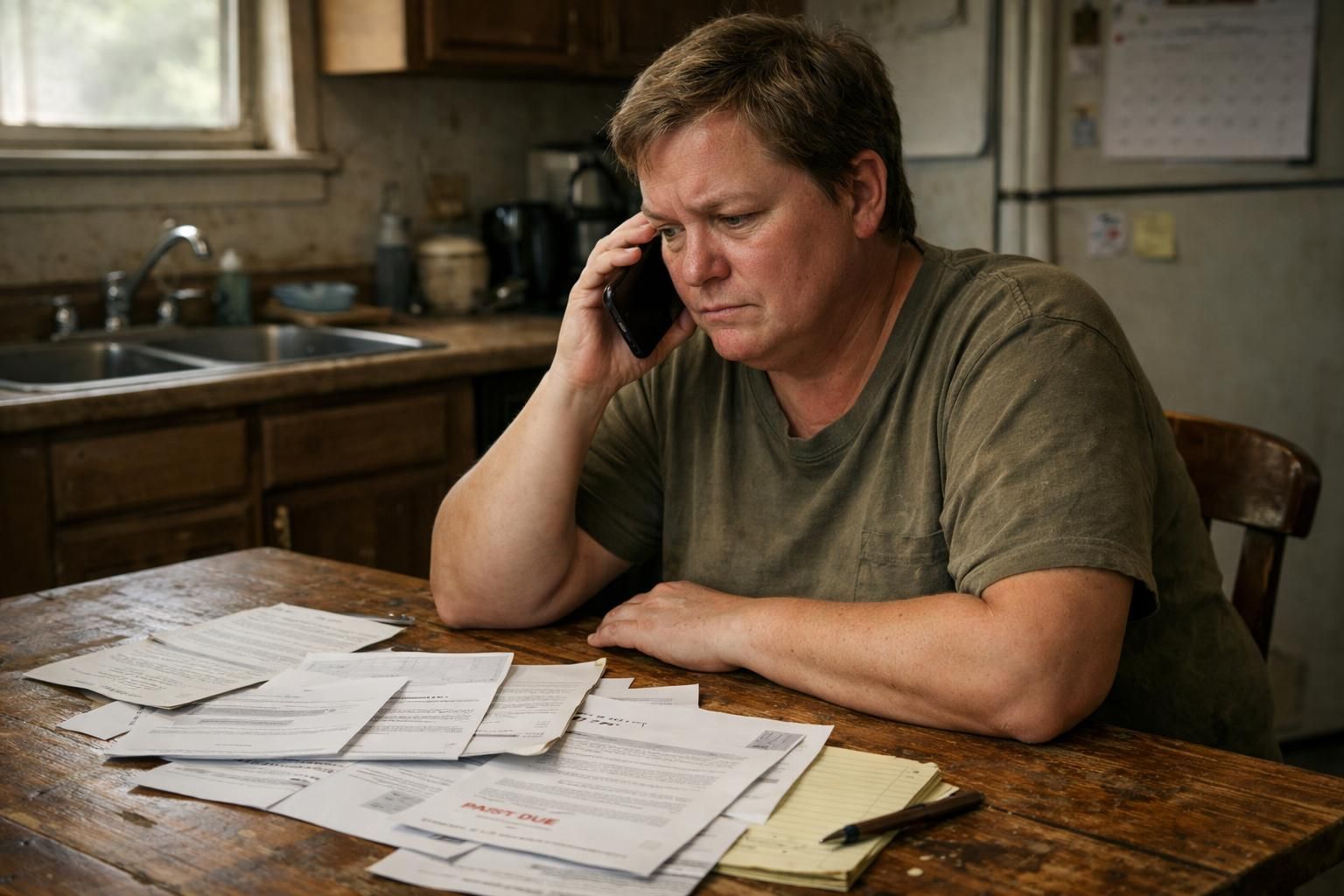
Even when equitable redemption is technically available, many Washington homeowners face significant financial and practical obstacles to making it work before the trustee's sale date.
Financial barriers and accrued costs
Paying off the full mortgage balance plus thousands in legal and trustee fees is a steep requirement. Most homeowners who are facing foreclosure do not have access to that level of cash on short notice. Banks and mortgage servicers rarely extend new financing for redemption purposes, which means you need personal resources or outside assistance.
Investors who purchase properties at Washington trustee's sales are aware that equitable redemption is theoretically possible before the sale date and may move quickly to finalize transactions. Once the sale is confirmed and the trustee's deed is recorded, ownership transfers and your right to reclaim the property ends.
Property damage and tax implications in Washington
Property damage discovered after you begin the redemption process can significantly affect both the cost and the feasibility of reclaiming your home. 2 You may face additional repair costs that raise the total amount needed to make the property livable again.
Washington State has its own tax considerations that differ from other states. Washington does not have a state income tax, which means forgiven mortgage debt is not subject to state-level income tax. However, the IRS may still treat forgiven debt as taxable income at the federal level. Under the Mortgage Forgiveness Debt Relief Act, debt discharged on a primary residence through 2025 is generally exempt from federal tax — but this changes if you reclaim ownership. 3 Washington also imposes a Real Estate Excise Tax (REET) on property transfers, which could apply depending on how a transaction to recover your home is structured. Speak with a Washington tax professional or real estate attorney before making any decisions.
Alternatives to Redemption in Washington
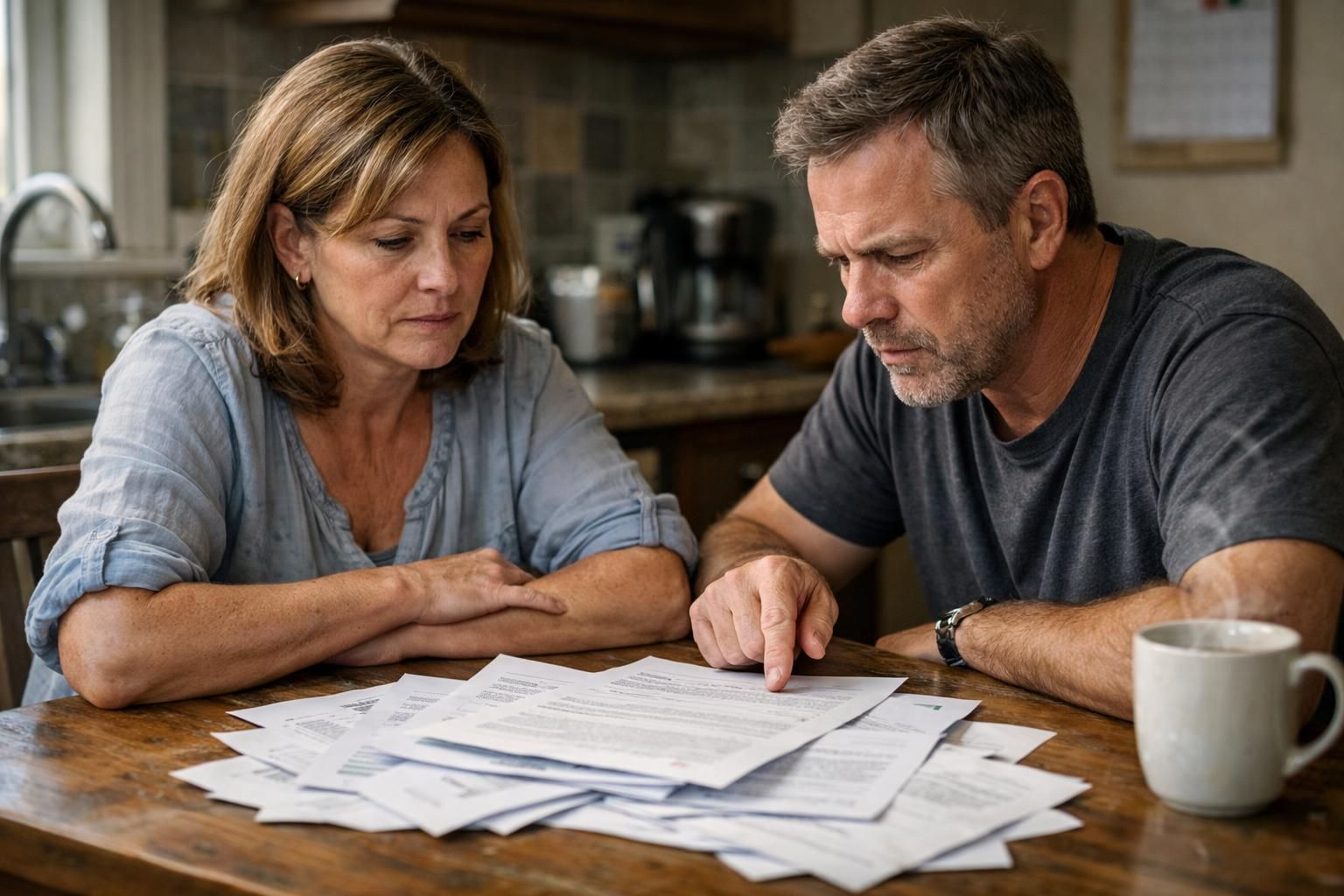
If redeeming your home before the trustee's sale is not financially realistic, Washington homeowners still have meaningful alternatives worth exploring early in the process.
Loan modification, short sale, or deed in lieu
Loan modification can adjust your mortgage terms — lowering your interest rate, extending the repayment period, or reducing monthly payments — to make the loan manageable again. Washington's Homeownership Information Hotline and HUD-approved housing counselors can help you pursue this path. FHA and Fannie Mae both offer loss mitigation programs that Washington homeowners may qualify for. 4
A short sale allows you to sell your home for less than what you owe, with your lender's approval. This typically damages your credit less severely than a completed foreclosure and avoids a deficiency judgment in many cases. A deed in lieu transfers ownership directly to the lender, bypassing the trustee's sale process. Both options require lender cooperation and proper documentation but can provide a cleaner path forward than foreclosure. 4
Selling before the trustee's sale to preserve credit
Selling your home before Washington's trustee's sale can protect your credit score and prevent a foreclosure from appearing on your record for seven years. Lenders often prefer negotiating a sale over proceeding with a full foreclosure, especially if you communicate early and demonstrate a willingness to cooperate.
If you have equity in your Bellevue, Olympia, or Spokane property, listing with a real estate agent may let you pay off the mortgage in full and walk away without a deficiency. If equity is limited, a short sale may still resolve the debt with less damage than foreclosure. Acting quickly — well before the 90-day notice period expires — gives you the most options and keeps foreclosure-related costs from accumulating further.
Selling Your Home as an Alternative to Redemption
For many Washington homeowners, selling before the trustee's sale is the most practical path. It protects your credit, prevents the public record of a foreclosure, and may allow you to recover some equity or at least settle the debt cleanly.
Contact a Washington real estate attorney or housing counselor early in the process to understand your exact situation under state law. If you act before the Notice of Trustee's Sale is recorded — or at minimum before the sale date — you have more leverage with your lender and more time to find a buyer. Proceeds from the sale can pay off your mortgage loan and potentially avoid a deficiency judgment. If the sale price falls short of what you owe, negotiating a short sale with your lender's written approval may still be a viable resolution.
Buying a Home After Foreclosure in Washington
After a Washington foreclosure, the property typically transfers to the winning bidder at the trustee's sale or reverts to the lender as a Real Estate Owned (REO) property. If your former home becomes an REO, you can submit an offer to the bank like any other buyer — but lenders generally require arm's-length transactions, which can complicate attempts by former owners to repurchase.
FHA guidelines typically require a waiting period of three years after a foreclosure before you can qualify for a new FHA-backed loan. Conventional loans through Fannie Mae or Freddie Mac may require a seven-year waiting period, though exceptions exist for documented extenuating circumstances. Work with a Washington mortgage professional and real estate attorney before pursuing any post-foreclosure purchase.
Conclusion
Washington's foreclosure law gives homeowners a meaningful but narrow window to act. Equitable redemption is available before the trustee's sale, but once that sale occurs, your right to reclaim the property ends. The best outcomes for Washington homeowners almost always come from acting early — whether through loan modification, a short sale, or selling the property before the sale date.
If you are facing foreclosure in Washington and need to move quickly, KDS Homebuyers works directly with homeowners across the state, offering cash purchases that can close on your timeline. Visit kdshomebuyers.net to request a free cash offer and explore your options before the trustee's sale date arrives.
FAQs
1. Does Washington State have a right of redemption after a foreclosure sale?
Washington does not provide a statutory right of redemption after a nonjudicial trustee's sale. Once the sale is complete and the trustee's deed is recorded, the former homeowner has no legal right to buy the property back under Washington law.
2. What is equitable redemption in Washington?
Equitable redemption allows a Washington homeowner to stop a foreclosure by paying off the full mortgage debt — including fees and costs — before the trustee's sale date. This window closes permanently once the sale occurs.
3. How long does the Washington foreclosure process take?
Washington's nonjudicial foreclosure process requires a minimum of approximately 190 days from the first missed payment to the trustee's sale, including mandatory notice periods. This gives homeowners some time to explore options but requires acting well before the sale date.
4. Can I get my home back after a Washington trustee's sale?
Generally no. After a nonjudicial trustee's sale in Washington, ownership transfers to the buyer and state law does not provide a redemption period. Your focus should be on acting before the sale, not after.
5. What are my best alternatives if I cannot redeem my home in Washington?
Washington homeowners should explore loan modification, short sale, deed in lieu of foreclosure, or selling the property before the trustee's sale. Each option has different credit and tax implications — consult a Washington real estate attorney or HUD-approved housing counselor for guidance specific to your situation.
6. Does Washington's lack of a state income tax affect foreclosure-related debt?
Yes, Washington's lack of a state income tax means forgiven mortgage debt is not taxed at the state level. However, federal tax rules still apply, and the IRS may treat forgiven debt as taxable income unless an exemption applies. Speak with a tax professional before making decisions about short sales or loan forgiveness arrangements.
References
- ^ https://www.nolo.com/legal-encyclopedia/50-state-chart-key-aspects-state-foreclosure-law.html
- ^ https://scholarship.law.wm.edu/cgi/viewcontent.cgi?article=1183&context=wmlr
- ^ https://www.justia.com/foreclosure/right-of-redemption/ (2025-10-18)
- ^ https://www.justia.com/foreclosure/alternatives-to-foreclosure/short-sales-and-deeds-in-lieu-of-foreclosure/ (2025-10-18)
