

Closing Costs for Sellers: What You'll Pay and How to Reduce Them in Washington
Seeing all the closing costs for sellers at the end of a real estate deal can be overwhelming. Many Washington homeowners are surprised to learn these fees often add up to 6%–10% of their home's sale price. 2 This guide breaks down each major cost, shows you where unexpected expenses might pop up in the Washington market, and gives simple ways to cut those numbers down.
Key Takeaways
- Seller closing costs in Washington often total 6% to 10% of your home's sale price, driven mainly by real estate agent commissions (5%–6%), title insurance ($1,000–$4,000), and settlement fees. On a $600,000 Seattle-area home, commission alone could reach $36,000. 2
- Washington-specific costs include the Real Estate Excise Tax (REET), which uses a graduated rate structure starting at 1.1% and rising to 3.0% on the portion of the sale price above $3 million. King County and other counties may add local REET on top of the state rate.
- Washington does not require a real estate attorney at closing, but escrow officers—typically from a title company—manage the transaction. Attorney fees of $500–$1,500 may still apply in complex situations like probate or divorce sales.
- Washington has a state capital gains tax (enacted 2023) of 7% on long-term capital gains above $262,000 (adjusted annually), but the primary residence exemption generally shields most home sale profits. Federal IRS exclusions of $250,000 (single) or $500,000 (married filing jointly) also apply.
- Sellers can lower costs by negotiating commission rates, shopping title and escrow providers, timing closings near month-end to minimize prorated property taxes, and requesting a net sheet before listing.
Definition of closing costs for sellers and why understanding them upfront is crucial
Closing costs for sellers in Washington include real estate agent commissions, escrow fees, title insurance, the Real Estate Excise Tax (REET), prorated property taxes, and other charges tied to the home sale. These expenses often add up to 6% to 10% of your home's price.
For example, selling a $500,000 home in Tacoma can mean paying around $25,000–$30,000 in combined closing costs. These expenses come directly out of your sale proceeds at closing—you typically do not pay them out of pocket beforehand.
Knowing these numbers before listing helps you set realistic expectations about net proceeds and prevents last-minute surprises on the closing disclosure. Title companies and escrow agents must give you a detailed cost breakdown before settlement. Early knowledge gives you more control over negotiations and timing.
Common surprise factors for homeowners at closing
Unexpected costs can catch you off guard at closing in Washington. Sometimes, sellers must bring cash if their mortgage payoff, agent commission, prorated property taxes, and REET add up to more than the sale price. Lenders may charge a prepayment penalty on your home loan if your agreement includes this clause.
Title searches can reveal liens or judgments you did not expect, including municipal liens or unpaid HOA dues. Washington's REET graduated structure can also produce a higher tax bill than sellers anticipate, especially in high-value markets like Bellevue or Seattle. Knowing all possible closing costs helps you avoid last-minute stress and protects your net proceeds.
Typical Seller Closing Costs Breakdown
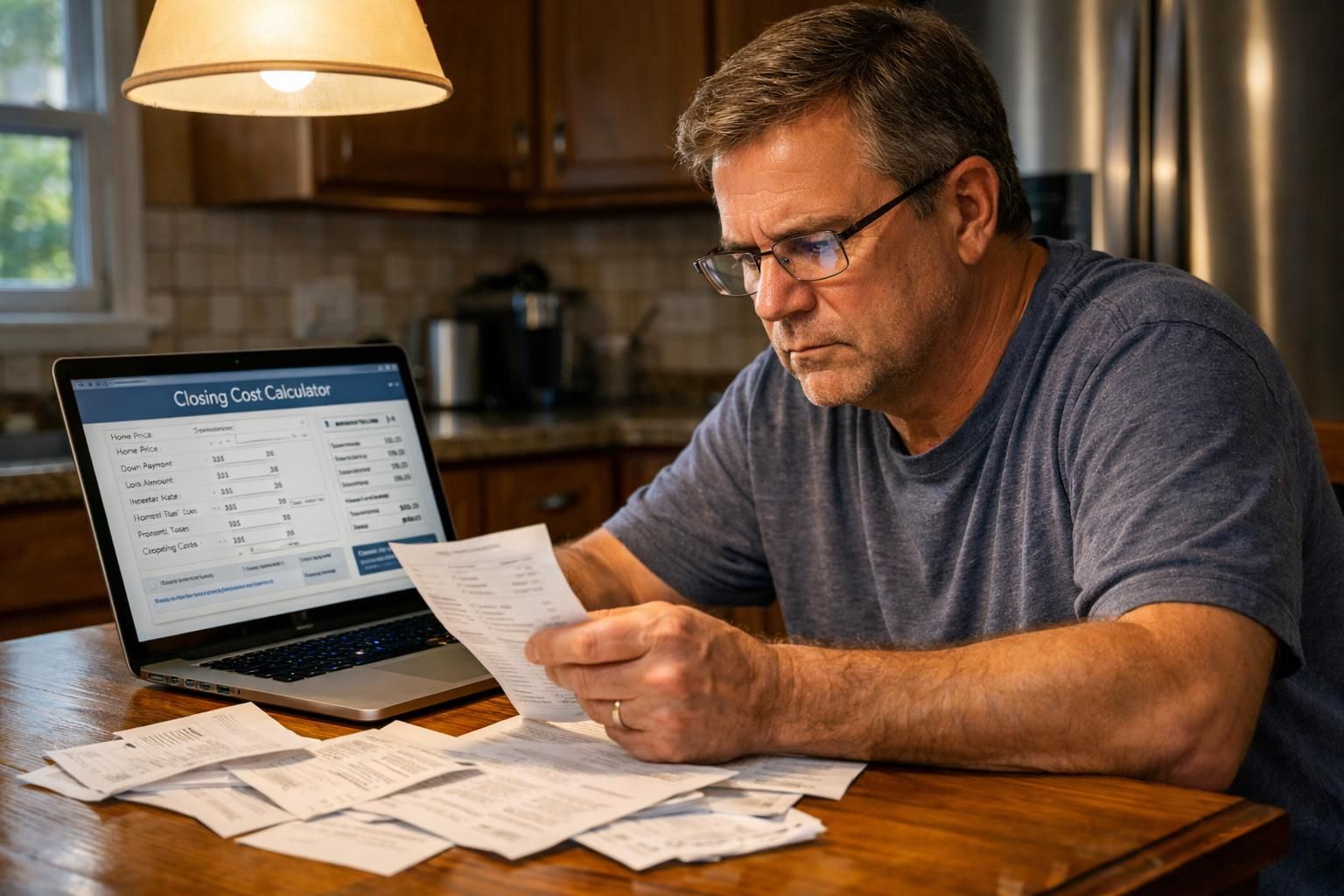
Seller closing costs often surprise many homeowners. Understanding the main charges—agent commissions, Washington's Real Estate Excise Tax, title insurance, and escrow fees—can help you protect your net proceeds.
Real estate agent commissions (5–6% of sale price)
Real estate agent commissions often make up the largest part of your closing costs as a seller. You can expect to pay between 5% and 6% of your home's sale price, typically split between the listing agent and the buyer's agent. On a $550,000 home in the Spokane market, that means $27,500 to $33,000 in commission fees alone.
After an August 2024 court settlement involving the National Association of Realtors®, buyers now play a bigger role in deciding how much their agents receive and must sign written agreements before starting their search. As a result, some Washington sellers may see more flexibility. Always review commission terms early so you have a clear picture of your net proceeds at closing.
Washington Real Estate Excise Tax (REET)
Washington state imposes a Real Estate Excise Tax (REET) on most property sales, and it is paid by the seller. Unlike a flat rate, Washington uses a graduated structure:
- 1.1% on the portion of the selling price up to $525,000
- 1.28% on the portion between $525,000 and $1,525,000
- 2.75% on the portion between $1,525,000 and $3,025,000
- 3.0% on the portion above $3,025,000
In addition, some counties collect a local REET (typically 0.25%–0.50%) on top of the state rate. King County sellers, for example, should confirm the current combined rate with their escrow officer. For a $700,000 home in Bellevue, your REET obligation alone could exceed $8,000. Always request an itemized net sheet that includes REET before you list.
Title insurance
Title insurance protects you and your buyer from hidden issues with the property's title. In Washington, the seller customarily pays for the owner's title insurance policy, while the buyer covers the lender's policy. Costs typically range between $1,000 and $4,000, or roughly 0.5% to 1% of the sale price.
Ask for a reissue rate if you have owned your home for less than ten years—this can cut costs by 20% to 40%. Request quotes from several Washington-licensed title companies to find competitive rates.
Escrow fees
In Washington, escrow companies—not attorneys—typically manage the closing process. Escrow fees cover the cost of a neutral third party who holds funds and coordinates paperwork until all conditions of the sale are met. You can expect these fees to range from about $300 to 0.5% of your sale price.
Escrow officers in Washington also coordinate the payoff of your existing mortgage, REET payment to the county, and any HOA balances. Always ask for a detailed settlement statement so you know exactly what you owe before signing final documents.
Prorated property taxes
Washington property taxes are paid in two installments (April 30 and October 31). At closing, you pay property taxes for the portion of the year you owned the home. Depending on your closing date relative to those payment deadlines, you may owe a prorated amount or receive a credit. 2 Your escrow officer will calculate this adjustment and show it on your closing disclosure. In high-tax areas like King or Snohomish County, prorated taxes can add thousands to your costs.
HOA fees and payoffs
If your home is part of a homeowners association, you must settle any unpaid dues before closing. Washington HOAs may also charge transfer fees ($100–$500) and document preparation fees ($200–$400). Check with your escrow officer early to confirm all HOA balances. Your settlement statement will list these costs alongside other seller closing expenses.
Recording fees
Washington counties charge recording fees to officially register the new deed in public records. Fees vary by county but generally range from $50 to $250 or more depending on the number of pages in the document. The county auditor's office collects this fee, and your escrow company typically handles payment at closing.
Attorney fees (if applicable)
Washington does not require a real estate attorney at closing—escrow officers handle most transactions. However, if you face complex situations such as selling an inherited property through probate, a divorce sale, or title disputes, hiring a real estate attorney ($500–$1,500) is worth considering. An attorney can review settlement statements, explain REET obligations, and help resolve outstanding liens before closing day.
Home warranty costs
Home warranty plans for sellers typically range from $300 to $600. Offering a home warranty can help attract buyers in competitive Washington markets and reduce post-inspection repair negotiations. These amounts are paid at settlement and appear on your closing disclosure under miscellaneous charges.
Outstanding liens or judgments
Outstanding liens or judgments can block your sale until paid in full. Title companies in Washington will flag these during their title search, including unpaid property taxes, utility balances, code violations, or court judgments. Work with your escrow officer to clear each debt before closing to avoid delays or canceled deals.
Hidden or Unexpected Seller Costs

You may face extra costs while selling your Washington home, even if you plan everything carefully. These surprises can directly affect your net proceeds and delay the transaction.
Repair credits negotiated during inspection
Washington buyers often request repair credits after a home inspection uncovers issues like plumbing leaks, roof damage, or electrical problems. Instead of lowering your sale price, you can offer a lump-sum credit at closing. Typical repair credits range from 1% to 3% of the sale price. Real estate agents often recommend this approach as a way to keep the transaction on track while meeting buyer demands.
Municipal liens discovered during title search
Title searches in Washington can reveal hidden charges such as unpaid utility bills, code violations, open permits, or special assessments filed by local governments. If unresolved, these liens must be cleared before the buyer can take ownership. 3 Clearing municipal liens early keeps your sale moving and prevents higher settlement costs at closing. 4
Washington State capital gains tax considerations
Washington enacted a 7% state capital gains tax on long-term gains above $262,000 (indexed annually), effective for sales beginning in 2023. However, the sale of a primary residence is generally exempt from this state tax, similar to the federal treatment. At the federal level, IRS rules allow you to exclude up to $250,000 in profit if single, or $500,000 if married filing jointly, as long as the home was your primary residence for two of the last five years. Profits above those thresholds are reported on IRS Form 8949 and Schedule D.
Consult a Washington-licensed CPA familiar with real estate sales to confirm your exemption status and calculate your cost basis—including documented home improvements—before closing.
Prepayment penalties on mortgages
Some older mortgage loans include a prepayment penalty. 5 If your loan agreement contains this clause, paying it off at closing could cost 1% to 2% of the remaining balance. Check your loan documents or contact your lender before listing. Most recent conventional mortgages do not carry these fees, but some home equity lines of credit may still include them.
Seller concessions for buyer's closing costs
Buyers in Washington sometimes ask sellers to cover part of their closing costs, especially in a buyer's market. You might agree to pay a portion of the buyer's escrow fees, title insurance, or prorated property taxes. These concessions can speed up the sale but reduce your net proceeds. Always review each concession request with your agent before agreeing.
Understanding Probate in Washington Real Estate Sales

You may face probate if you sell a home inherited from a loved one in Washington, which can add costs and legal steps to your transaction. Consulting a qualified Washington probate attorney early helps protect your net proceeds and avoid delays.
What is probate and how it influences the selling process in Washington
In Washington, probate is handled through the Superior Court in the county where the deceased resided. The court validates the will, inventories assets, and oversees debt and tax payments before the estate can distribute property. Many homes cannot transfer to new owners until this process is complete.
Washington does offer a simplified process for smaller estates, but homes typically require formal probate. Because timelines can stretch months or longer, some buyers avoid probate listings. Unpaid property taxes or outstanding liens must also be resolved from estate proceeds before closing.
The role of a probate attorney in Washington
A Washington probate attorney guides the executor through the Superior Court process, including valuing assets, paying debts, and ensuring transfers comply with state law. 6 If title issues or old liens appear during closing, your attorney can intervene quickly. They also explain how REET, prorated property taxes, HOA fees, and escrow costs affect net proceeds in a probate sale. Working with an experienced local attorney reduces costly errors and keeps the process on track.
Probate costs and how they impact sellers
Probate costs in Washington typically include court filing fees, attorney fees, appraisal costs, and title insurance—often totaling 2% to 7% of the property's value. Family conflicts among heirs can extend timelines and increase legal expenses. Careful planning with a Washington probate attorney limits surprises and protects your resources before closing day.
Strategies to Reduce Closing Costs in Washington

Negotiate real estate agent commission rates
Agent commission is the largest single closing cost for most Washington sellers. You do not have to accept the first rate offered. Many Seattle and Tacoma-area homeowners successfully negotiate down to 4%–5% total, or explore flat-fee listing services that save thousands in high-price markets. Use a seller closing cost calculator to see how different commission rates affect your net proceeds after REET, escrow fees, and prorated property taxes.
Shop for title and escrow services
Washington sellers can choose their own title and escrow providers. Request itemized quotes from at least three companies. Title insurance premiums and escrow fees can differ by hundreds or thousands of dollars between providers. Ask specifically about owner's title insurance, settlement fees, and REET processing charges. Taking time to compare quotes puts more money in your pocket at closing.
Time your closing to minimize prorated expenses
Washington property taxes are due April 30 and October 31. Scheduling your closing near those dates—or near the end of a month—can reduce the prorated property tax and HOA dues you owe at settlement. Work with your escrow officer to review estimated prorated amounts and select a closing date that maximizes your net proceeds.
Request net sheets from your agent before listing
Ask your real estate agent for a seller net sheet before listing. This document estimates your net proceeds after agent commission, REET, title insurance, escrow fees, prorated property taxes, and other charges. For a $700,000 home in the Olympia area, even small differences in REET calculations or escrow fees can shift your bottom line by thousands. Having this document early helps you plan and avoid last-minute surprises.
Sell as-is to avoid repair costs
Selling your Washington home as-is lets you skip expensive repairs, staging, and post-inspection negotiations. Cash buyers typically purchase homes in their current condition, which means you avoid repair credits, home improvement costs, and sometimes even escrow and agent commission fees. This approach can be especially valuable if you are facing urgent timelines, financial hardship, or a complex situation like probate or divorce.
Regional Variations in Washington Closing Costs

REET rates and local surcharges
Washington's graduated REET structure means sellers of higher-priced homes pay a significantly larger percentage than those in lower price ranges. In King County—home to Seattle and Bellevue—the combined state and local REET can be the largest tax a seller faces at closing. Sellers in lower-priced markets like Spokane will typically owe less in REET but should still confirm local county rates with their escrow officer. Always check with the Washington Department of Revenue or your title company for current rates before listing. 7
Attorney involvement in Washington
Washington does not require a real estate attorney to be present at closing. Escrow officers at title companies handle the closing process. However, sellers dealing with probate sales, divorce-related transactions, or complex title disputes often choose to hire a Washington real estate attorney for added protection. Attorney fees typically range from $500 to $1,500 depending on the complexity of the transaction.
Title insurance regulations in Washington
Title insurance in Washington is regulated by the Office of the Insurance Commissioner. While only a handful of major national underwriters operate most of the market, 8 premium rates and service fees can still vary between providers. Shopping around and requesting itemized quotes helps ensure you are not overpaying. 9
Special Seller Situations in Washington
Selling inherited property
Selling an inherited property in Washington often requires working through the Superior Court probate process. Estate taxes, outstanding liens, and prorated property taxes must all be addressed before closing. Washington does not have a state inheritance tax, but it does impose an estate tax on estates valued above a certain threshold (currently $2.193 million). Consult a Washington CPA about federal capital gains implications and whether the stepped-up basis rules reduce your tax obligation. Request a seller net sheet from a real estate agent experienced with inherited properties.
Divorce sales
Divorce sales in Washington require both parties to agree on how to split closing costs, including REET, escrow fees, agent commission, and prorated property taxes. Washington is a community property state, which means courts generally treat marital property as jointly owned. Your divorce decree may specify cost allocation. Review these terms with a Washington real estate attorney before finalizing any sale to avoid disputes at closing.
Short sales
Short sales in Washington involve selling your home for less than the amount owed on your mortgage. Your lender must agree to accept less than the full payoff. 10 Prepare a financial package including tax returns, pay stubs, bank statements, a hardship letter, and a net proceeds estimate. Respond quickly to lender requests, as delays can jeopardize approval. Use a seller closing cost calculator to understand how REET and other costs affect net proceeds in a short sale scenario.
Foreclosure alternatives
Washington is a deed-of-trust state, meaning most foreclosures proceed non-judicially. If you are facing foreclosure, alternatives like a short sale, loan modification, or selling to a cash buyer can protect your credit and help you avoid the foreclosure process. Cash buyers purchase homes as-is, often covering closing costs, which can be especially helpful when time is limited. Consult a Washington real estate attorney to understand your options and any implications under state law.
Conclusion
Start your Washington home sale with clear steps—request a net sheet, review your REET obligation under the graduated rate structure, compare escrow and title providers, and consult a CPA about capital gains. These actions give you control over your net proceeds before you ever list.
Action steps for Washington sellers
Ask your real estate agent for a seller net sheet that includes Washington's REET at the applicable graduated rate. Interview agents about commission fees and explore flat-fee or reduced-rate options available in your market. Contact at least three title and escrow companies for itemized quotes—fees vary significantly between providers. Research current REET rates on the Washington Department of Revenue website and confirm whether your county adds a local surcharge. Use an online seller closing cost calculator to estimate escrow fees, prorated property taxes, HOA payoffs, and recording costs before your closing date. 11
Consider selling to a cash buyer to simplify the process
Selling to a cash buyer can take the stress out of your Washington real estate transaction, especially if you are dealing with repair credits, probate costs, REET calculations, or urgent timelines. You skip many common closing costs like bank fees, post-inspection repairs, and extended escrow periods. Cash buyers typically purchase homes in their current condition, which means faster closings and fewer surprises on your settlement statement.
If you want to simplify the process and keep more of your net proceeds, KDS Homebuyers offers fair, no-obligation cash offers for Washington homes. Visit kdshomebuyers.net to request your free cash offer today and find out how much you could walk away with—without the stress of a traditional listing.
FAQs
1. What are typical closing costs for sellers in Washington state?
Washington sellers typically pay agent commissions, the Real Estate Excise Tax (REET) at graduated rates, owner's title insurance, escrow fees, prorated property taxes, recording fees, and any HOA payoffs. REET is often one of the largest costs and is paid by the seller.
2. How does Washington's Real Estate Excise Tax work?
Washington uses a graduated REET rate structure. The rate starts at 1.1% on the portion of the sale price up to $525,000 and increases in tiers, reaching 3.0% on amounts above $3,025,000. Some counties add a local REET surcharge. Your escrow officer calculates the total and pays it to the county at closing.
3. Does Washington require an attorney at closing?
No. Washington does not require a real estate attorney at closing. Escrow officers at title companies manage the process. However, attorneys are often advisable for complex transactions like probate sales, divorce, or title disputes.
4. How does Washington's capital gains tax affect home sellers?
Washington's 7% state capital gains tax applies to long-term gains above the annual threshold, but the sale of a primary residence is generally exempt. The federal IRS exclusion ($250,000 single / $500,000 married) also applies. Consult a Washington CPA to confirm your specific situation.
5. Can I reduce my closing costs as a Washington seller?
Yes. Negotiate agent commission rates, compare title and escrow providers, time your closing to reduce prorated property taxes, and request a net sheet before listing. Selling as-is to a cash buyer can also eliminate many traditional closing costs.
6. Are there tools to estimate seller closing costs in Washington?
Many online platforms offer seller closing cost calculators. For Washington-specific accuracy, make sure the tool includes REET at the graduated rate, local county surcharges, and Washington property tax proration rules. Your escrow officer can also provide a preliminary settlement statement before closing.
References
- ^ https://www.ownup.com/learn/first-home-loan/property-taxes-at-closing-who-bears-the-burden/ (2024-06-30)
- ^ https://www.bankrate.com/real-estate/closing-costs-for-sellers/ (2025-03-27)
- ^ https://www.wolterskluwer.com/en/expert-insights/what-is-a-municipal-lien-search-and-why-do-i-need-it (2024-05-17)
- ^ https://commons.stmarytx.edu/cgi/viewcontent.cgi?article=1188&context=facarticles
- ^ https://www.bankrate.com/mortgages/prepayment-penalty/
- ^ https://suarezlawyers.com/probate-lawyer-3/ (2024-02-12)
- ^ https://www.urban.org/urban-wire/why-do-closing-costs-differ-between-states
- ^ https://wustllawreview.org/wp-content/uploads/2022/01/Sterk_-Title-Insurance.pdf
- ^ https://link.springer.com/content/pdf/10.1111/1468-0440.00194.pdf
- ^ https://www.nar.realtor/legal/risk
