

Foreclosure vs. Bankruptcy: What's the Difference and Which Is Worse in Washington
Facing tough money problems can make you worry about losing your house or dealing with debts you cannot pay. Foreclosure vs. bankruptcy is a challenge many Washington homeowners face, and both can hurt your credit report for years. 3 This article explains the key differences between these two options and guides you through which might be better in your situation. Find out how to protect yourself and begin planning your next steps. 1
Key Takeaways
- Foreclosure is when the lender takes your home after missed mortgage payments. It stays on your credit report for 7 years and can drop your score by 85 to 160 points. Washington is a non-judicial foreclosure state, meaning lenders can foreclose without going through the courts in most cases, making the process faster than many states.
- Bankruptcy lets you erase or reorganize debts under federal law. Chapter 7 clears unsecured debts in about three to six months but can hurt your credit score by up to 240 points and remains on record for up to ten years. Chapter 13 sets a payment plan over three to five years and may allow faster FHA loan approval — just one year into repayment.
- Both options damage your credit differently and carry extra costs. Foreclosure has no filing fee, while bankruptcy costs $313–$338 plus attorney fees between $1,000–$2,000. Bankruptcy's automatic stay can temporarily stop foreclosure proceedings.
- Choose based on your debt type and income. Bankruptcy helps if most of your debt is unsecured (like medical bills) or if you want to keep the house with steady income via Chapter 13. Foreclosure may make sense if monthly payments are unaffordable or the home is "underwater."
- Alternatives like loan modification, short sale, deed-in-lieu, or cash sales may help you avoid both. Contacting your lender early opens more options, and consulting a Washington-licensed bankruptcy or foreclosure attorney helps protect your assets and guides your next steps.
Defining Foreclosure
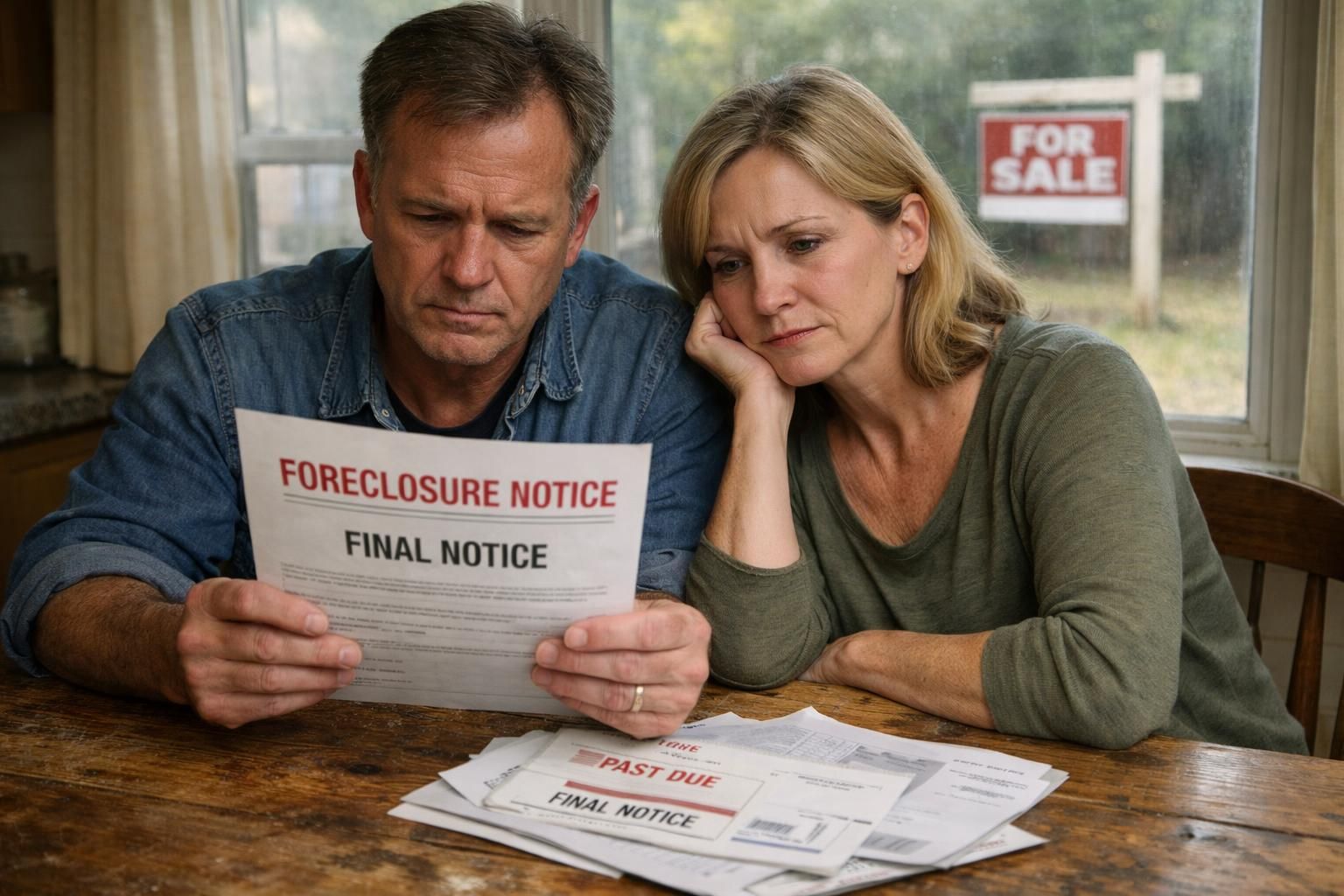
Foreclosure is a legal action where mortgage lenders repossess your house after you miss several payments. In Washington State, most foreclosures follow a non-judicial process under the Deed of Trust Act, which allows lenders to foreclose without filing a lawsuit — making the timeline shorter than in many other states.
Legal process where a lender takes possession of a home due to missed mortgage payments
If you fall behind on your mortgage in Washington, the lender typically uses a non-judicial trustee's sale process. After missing payments, the lender issues a Notice of Default. Washington law then requires a minimum of 190 days from the first missed payment before a trustee's sale can occur, though the practical timeline is often longer.
Washington does not allow deficiency judgments after a non-judicial foreclosure on a residential property. This means if your home sells at auction for less than what you owe, the lender generally cannot pursue you for the remaining balance — a significant protection compared to states like Indiana. For example, if your mortgage is $400,000 but the home sells for $300,000, you typically would not owe that $100,000 difference under Washington's non-judicial process.
The foreclosure remains on your credit report for seven years from your first missed payment. Lenders must follow Washington's Deed of Trust Act and provide required notices throughout the process.
Defining Bankruptcy

Bankruptcy is a federal legal process that gives you a chance to erase or reorganize debts, offering relief when debt feels overwhelming. Washington residents file bankruptcy in the U.S. Bankruptcy Court for the Western District of Washington (serving Seattle and Tacoma) or the Eastern District of Washington (serving Spokane and surrounding areas).
Legal proceeding to eliminate or restructure debts when unable to pay
You can file for bankruptcy under federal law to seek debt relief when you cannot pay your debts. Chapter 7 can wipe out most unsecured debts like credit cards and medical bills in three to six months. The filing fee is $338, plus typical attorney fees of $1,000–$2,000.
Washington State offers its own exemptions that protect certain assets in bankruptcy. The homestead exemption in Washington allows you to protect up to $125,000 in home equity (as of recent updates — confirm current amounts with a local attorney), which can be important for Seattle and Bellevue homeowners with significant equity. You can also use federal bankruptcy exemptions if they are more favorable to your situation.
Chapter 13 sets up a repayment plan lasting three to five years for those with steady income who want to catch up on mortgage arrears and keep their home. Filing triggers an automatic stay that immediately stops foreclosure proceedings and creditor collection actions.
Foreclosure vs. Bankruptcy: A Side-by-Side Comparison
Understanding how foreclosure and bankruptcy differ can help you protect your home equity and credit score. Each process affects your mortgage, secured debt, and overall financial health in unique ways — especially under Washington State law.
Timeline, credit impact, initiation, addressed issues, and cost
In Washington, non-judicial foreclosure can move relatively quickly — the statutory process requires specific notice periods, and a trustee's sale can occur within roughly six months of default in straightforward cases. The lender initiates the process; you do not have a choice once proceedings begin unless you cure the default or file bankruptcy.
Bankruptcy starts with you filing a petition in federal court. The automatic stay immediately halts foreclosure and collection actions. Chapter 7 takes three to six months; Chapter 13 lasts three to five years.
Credit reports show a foreclosure for seven years, dropping your score by approximately 85 to 160 points. Chapter 7 stays on record for ten years and can drop scores by 130 to 240 points. Chapter 13 remains for seven years with drops of around 130 to 200 points.
Foreclosure carries no filing fee but may involve trustee fees and other costs. Bankruptcy filing fees run $313 (Chapter 13) to $338 (Chapter 7), plus attorney fees. Foreclosure addresses only the secured mortgage debt, while bankruptcy can cover unsecured debts like credit cards, medical bills, and sometimes mortgage arrears through a repayment plan.
Washington's no-deficiency-judgment rule after non-judicial foreclosure is a key distinction — in many states, homeowners face additional debt after a foreclosure auction, but most Washington homeowners do not.
Which Is Worse for Your Credit?
Both foreclosure and bankruptcy can significantly lower your credit score, but they affect your credit report differently. Mortgage lenders and credit counselors in Washington look carefully at both types of records when reviewing future loan applications.
Initial impact vs. long-term recovery
A bankruptcy can cause your credit score to drop by 220 to 240 points if you start with a high score around 780. 1 With a starting score closer to 680, the decline is typically 130 to 150 points. Foreclosure, short sale, or deed-in-lieu events often result in drops between 105 and 200 points.
Long-term recovery depends on how consistently you manage debts and pay bills after these events. Chapter 13 bankruptcy can allow some homeowners to qualify for FHA loans within one year of entering a repayment plan with on-time payments — faster than the three-year wait typically required after a foreclosure.
Washington's strong housing market in areas like Seattle and Bellevue means some homeowners rebuild equity and financial stability faster than average, but the credit timeline is governed by federal reporting rules regardless of where you live.
Can You Stop Foreclosure with Bankruptcy?
You can use bankruptcy to pause Washington's non-judicial foreclosure process, but the level of protection depends on which chapter you file and how far along the trustee's sale process is.
Automatic stay, Chapter 13 payment plans, and Chapter 7 limitations
Filing for bankruptcy triggers an automatic stay under the bankruptcy code. This federal court order immediately stops the trustee's sale, creditor calls, and collection actions — even if a sale date has been set in Washington.
Chapter 13 lets you catch up on missed mortgage payments over a three-to-five-year repayment plan while keeping your home. Lenders must accept these structured payments as long as you follow the plan and stay current going forward.
Chapter 7 also triggers an automatic stay, but it only provides short-term protection unless you quickly bring your mortgage current. It discharges unsecured debts but does not eliminate the secured mortgage lien. After a Chapter 7 discharge, FHA loan eligibility typically requires a three-year wait, while one year into a successful Chapter 13 plan with on-time payments can restore FHA access much sooner.
Scenarios Where Bankruptcy Makes Sense
Bankruptcy can provide meaningful relief for Washington homeowners buried in unsecured debt or facing foreclosure while still earning steady income. The right chapter depends on your specific situation.
Overwhelming unsecured debt, income for Chapter 13, or keeping the home
If you are overwhelmed by credit card debt, medical bills, or personal loans and have little income available for repayment, Chapter 7 may offer a fresh start by discharging those unsecured debts. Washington's state exemptions — including the homestead exemption — can help you protect certain assets during this process.
If you have steady employment and want to keep your home, Chapter 13 is often the better path. You can use a court-approved repayment plan to catch up on mortgage arrears and stop a pending trustee's sale in Washington. Because Washington generally does not allow deficiency judgments after non-judicial foreclosure, the primary reason to choose bankruptcy over foreclosure is usually to keep the home or address other debts simultaneously.
Scenarios Where Foreclosure Makes Sense
Foreclosure can sometimes be a practical path for Washington homeowners facing unaffordable payments or severely underwater properties — especially given the state's protections against deficiency judgments.
Underwater home, unaffordable payments, or wanting a fresh start
If your mortgage balance is significantly higher than your home's current market value, continuing payments may not be financially sound. Washington's non-judicial foreclosure process, combined with the general prohibition on deficiency judgments for residential properties, means most homeowners will not face additional debt after the trustee's sale — a significant advantage over many other states.
Homeowners with monthly payments they simply cannot sustain, even after attempting a loan modification, may find foreclosure provides a cleaner exit. However, keep in mind that debt forgiven by a lender may be reported on a 1099-C form, which could have federal income tax implications. Washington has no state income tax, but the federal tax consequence of canceled debt is still worth discussing with a tax professional.
Consulting a Washington real estate attorney or HUD-approved housing counselor can help you explore options like short sale or deed-in-lieu before allowing a trustee's sale to proceed.
Alternatives to Both
Washington homeowners have several alternatives that may prevent both foreclosure and bankruptcy — often with less damage to your credit and finances.
Loan modification, short sale, deed in lieu, and cash home sales
Loan modification allows you to work with your mortgage servicer to change loan terms — lowering your interest rate, extending the loan term, or reducing the principal — to make payments affordable. Washington's Foreclosure Fairness Act provides additional mediation rights for homeowners facing non-judicial foreclosure, giving you a structured way to negotiate with your lender before a sale occurs.
A short sale means selling your home for less than the mortgage balance with lender approval. In Washington, lenders who approve a short sale typically waive their right to a deficiency judgment, providing a clean exit. Short sales generally cause less long-term credit damage than foreclosure.
Deed-in-lieu of foreclosure lets you transfer the property back to the lender voluntarily, avoiding a public trustee's sale. Some lenders offer relocation assistance or allow you to remain in the home temporarily. Lender acceptance rates vary, so this option is not guaranteed.
A cash home sale can provide the fastest resolution — allowing you to sell quickly, pay off your mortgage, and avoid both foreclosure proceedings and bankruptcy. For homeowners in the Seattle, Tacoma, or Spokane markets, a direct cash sale can close in days rather than months. 2
Foreclosure Avoidance Strategies
Contact your lender as soon as you fall behind on payments. Early outreach raises your chances of keeping your home and qualifying for more options. Request forbearance, loan modification, or a repayment plan to manage arrears before the formal process begins.
Washington's Foreclosure Fairness Act gives eligible homeowners the right to mediation before a non-judicial foreclosure can proceed. This is a powerful tool — use it. Apply for Chapter 13 bankruptcy if you need court-protected time to catch up on mortgage arrears through a structured repayment plan. The automatic stay will halt the trustee's sale immediately upon filing.
Consider short sale, deed-in-lieu, or a cash sale for faster resolution if keeping the home is no longer realistic. Washington's generally favorable no-deficiency-judgment rule makes these exits cleaner than in many states. Acting early reduces both financial and emotional stress throughout this process.
Conclusion and Guidance
Seek support from financial professionals, evaluate all your options carefully, and consider a cash home sale for faster resolution — then take the steps that make the most sense for your Washington situation.
Consult professionals, evaluate your situation, and consider a cash home sale for faster resolution
Meet with a Washington-licensed bankruptcy attorney or foreclosure defense attorney to review your options. Many offer free initial consultations. They can explain how Chapter 7, Chapter 13, short sales, or deed-in-lieu of foreclosure apply to your specific circumstances under Washington State law, including the protections available under the Deed of Trust Act and the Foreclosure Fairness Act.
Review your financial picture carefully — home equity, mortgage arrears, other debts, monthly income, and long-term goals. A cash home sale can sometimes resolve mortgage obligations quickly with minimal credit impact compared to going through a full foreclosure or lengthy bankruptcy proceedings.
A fast cash sale stops creditor calls, avoids the trustee's sale process, and prevents derogatory marks that could stay on your credit report for seven to ten years. 3 Consulting qualified professionals ensures you protect your future options and peace of mind during a stressful time. 4
If you are a Washington homeowner facing foreclosure or overwhelming debt and want to explore a fast, hassle-free exit, KDS Homebuyers can help. Visit kdshomebuyers.net to request a free, no-obligation cash offer on your home — and take the first step toward financial relief today.
FAQs
1. What is the main difference between foreclosure and bankruptcy in Washington?
Foreclosure in Washington is typically a non-judicial process where the lender uses a trustee's sale to repossess your home after missed payments. Bankruptcy — Chapter 7 or Chapter 13 — is a federal court process that helps you eliminate or restructure debts, including the mortgage, and can temporarily stop a Washington trustee's sale through the automatic stay.
2. Does Washington allow deficiency judgments after foreclosure?
Washington generally does not allow deficiency judgments after a non-judicial residential foreclosure. This means if your home sells at a trustee's sale for less than what you owe, the lender typically cannot pursue you for the difference — a significant protection for Washington homeowners.
3. Can I keep my house if I file bankruptcy instead of going through foreclosure in Washington?
Filing Chapter 13 may allow you to set up a repayment plan to catch up on mortgage arrears and save your home from a trustee's sale. Chapter 7 provides only temporary protection unless you bring the mortgage current. Washington's homestead exemption can protect a portion of your home equity during the process.
4. Does filing for bankruptcy stop a Washington trustee's sale?
Yes. The automatic stay under federal bankruptcy law immediately halts a scheduled trustee's sale — even if the sale date is imminent. However, lenders can petition the court to lift the stay, so acting quickly and with legal guidance is important.
5. Which option gives me a better fresh start — bankruptcy or foreclosure in Washington?
Bankruptcy can discharge a broader range of debts, including unsecured obligations, offering more comprehensive relief than simply losing your home through foreclosure. However, Washington's no-deficiency-judgment rule means foreclosure here is less financially punishing than in many other states. The best choice depends on your overall debt load and financial goals.
6. What is Washington's Foreclosure Fairness Act and how does it help?
Washington's Foreclosure Fairness Act gives eligible owner-occupants the right to request mediation with their lender before a non-judicial foreclosure can proceed. This creates a structured opportunity to negotiate loan modifications or other alternatives before a trustee's sale date is set.
References
- ^ https://www.nolo.com/legal-encyclopedia/which-is-worse-for-my-credit-score-bankruptcy-or-a-deed-in-lieu-of-foreclosure.html
- ^ https://www.bankruptcy-law-seattle.com/Articles/short-sale-vs-foreclosure-vs-deed-in-lieu/ (2024-07-25)
- ^ https://www.sawinlaw.com/blog/bankruptcy-versus-foreclosure/ (2023-11-29)
- ^ https://www.nbcnews.com/id/wbna21478416 (2007-10-28)
