

How the Real Estate Closing Process Works (Seller's Guide) in Washington

The house closing process trips up many sellers in Washington, even seasoned investors and real estate agents. Closing on a house means transferring legal ownership to the buyer and settling all funds, documents, and fees through a title company or escrow agent.
You must complete steps such as a home inspection, title search, securing title insurance, reviewing your closing disclosure, and being ready for last-minute repairs or credits. 1
This article breaks down every stage in plain language so you can avoid surprises and close faster in Washington state — from listing to handing over keys.
Key Takeaways
- Most Washington closings with financing take 30–45 days. Cash offers can close in 7–14 days since they skip loan approval entirely.
- Washington sellers typically pay 8% to 10% of the sale price in closing costs. Agent commissions at 5% to 6% are the largest expense. Washington's Real Estate Excise Tax (REET) is graduated, ranging from 1.1% up to 3% depending on the sale price.
- You must complete a home inspection, appraisal, title search, and secure title insurance before closing day. Lenders require a lender's policy; buyers should also obtain an owner's policy.
- Federal law requires buyers receive a Closing Disclosure at least three business days before closing. Sellers receive a settlement statement detailing all final costs and credits.
- Resolve any liens or deed errors during the title search stage. Always verify wire instructions directly with your escrow officer to prevent fraud.
What Is Closing?
The closing process ends the real estate transaction and transfers property ownership. In Washington, closings are typically handled by a title and escrow company rather than an attorney, though complex deals may involve legal counsel.
Definition of closing/settlement
Closing, also called settlement, marks the final step in a real estate transaction. In Washington, escrow companies serve as neutral third parties who collect and disburse funds, prepare documents, and coordinate the recording of the deed with the county auditor's office. You exchange title documents and funds through this escrow process rather than at an attorney-managed table as in some other states.
At this stage, you receive payment while your mortgage lender collects any remaining loan balance from sale proceeds. Monitor each step closely to ensure every party transfers money properly and signs required forms such as the closing disclosure or settlement statement.
Final step where ownership transfers to the buyer
Ownership passes to the buyer after you sign all required title documents, including the statutory warranty deed or bargain and sale deed, and the settlement statement. The escrow officer oversees distribution of funds by wire transfer or cashier's check, then transmits the deed to the county auditor's office for recording — making the transaction official under Washington law.
As a seller, you hand over keys once proceeds are confirmed and all documents are signed. Property taxes, HOA dues, and utilities are prorated so each side pays its share up to the closing date. Buyers must have homeowners insurance in place before transfer. Always verify all amounts on the final settlement statement to avoid future ownership claims or title disputes.
Timeline: How Long Does Closing Take?
The time frame for closing in Washington depends on your buyer's financing and how quickly the escrow company can complete the title search. Track all deadlines in the purchase and sale agreement to avoid delays.
Typical 30–45 days with financing
Most Washington closings with financing span 30 to 45 days. This period lets the buyer complete the mortgage application, appraisal, underwriting, and final loan approval. In competitive markets like Seattle and Bellevue, buyers often seek mortgage pre-approval before making offers to strengthen their position.
You can help speed up closing by providing all requested documents quickly. Efficient communication between your real estate agent, escrow officer, and lender keeps the transaction moving on schedule.
Faster timeline for cash offers (7–14 days)
Cash offers typically close in 7 to 14 days in Washington. You skip mortgage approval and underwriting entirely. The escrow company still runs a full title search and both parties complete standard inspection steps, but fewer contingencies mean reduced risk of delays.
Always ensure all required paperwork is ready for title documents and escrow setup to keep the timeline tight. This streamlined approach is common among investors in markets like Tacoma and Spokane where speed is a competitive advantage.
Steps Before Closing Day
Review all title documents and closing disclosures with your agent and escrow officer. Make sure any home inspection issues are addressed before signing at the escrow company.
Conducting a home inspection and appraisal
A home inspection and appraisal are key steps in any Washington real estate transaction. These steps protect both buyers and sellers by identifying risks and confirming property value before closing.
- Hire a Washington state-licensed home inspector to evaluate the property's structure, roof, systems, and safety.
- Schedule pest inspections if required by your lender. Radon testing is also recommended in parts of eastern Washington where elevated levels are more common.
- Buyers may use inspection findings to negotiate repairs or credits, or to exit the deal under an inspection contingency without penalty.
- The buyer's lender orders an independent appraisal to confirm the market value meets or exceeds the purchase price.
- If the appraised value falls short of the agreed sale price, you may need to renegotiate terms or accept additional cash from the buyer at closing.
- Ensure all agreed-upon repairs are completed promptly to keep your deal on track for an on-time closing day.
Completing a title search and obtaining title insurance
In Washington, your escrow and title company handles the title search and coordinates title insurance. These steps are critical for a smooth transaction.
- Order the title search early. The title company verifies legal ownership, reviews the property's legal description, and checks for liens, unpaid property taxes, or encumbrances recorded with the county auditor.
- Resolve any problems — errors in the deed, unpaid taxes, or outstanding liens — before closing. Title issues are a leading cause of delays in Washington transactions.
- Receive a preliminary title report (called a "prelim") detailing any recorded defects. Review it carefully with your agent.
- Obtain a title insurance policy. Lenders always require a lender's policy; buyers should also secure an owner's policy for full protection. In Washington, the one-time premium typically runs 0.5% to 1% of the home's purchase price.
- Confirm all title-related charges appear on your settlement statement and ask your escrow officer about anything unclear before signing.
- Always verify wire transfer instructions with your escrow company by phone — wire fraud targeting real estate closings is an increasing concern statewide.
Reviewing the closing disclosure (3-day rule)
Federal law requires the lender to deliver the Closing Disclosure to buyers at least three business days before closing. This document lists all final loan terms, mortgage costs, title fees, escrow deposits, property taxes, and homeowners insurance amounts.
Sellers in Washington receive a settlement statement from the escrow company listing net proceeds and their share of transaction costs. Encourage buyers to compare the Closing Disclosure to their original Loan Estimate. If material changes appear — such as a new loan product or interest rate shift — the three-day waiting period resets. Use this window to catch and correct errors before closing day.
Addressing repair requests or credits
After the home inspection, buyers and sellers in Washington often negotiate repair requests or credits. All agreements must be documented in writing before closing.
- Review the home inspection report for issues that could impact the sale.
- Buyers may request specific repairs or a seller credit applied at settlement toward closing costs.
- All negotiated changes must be in writing, signed by both parties, and reflected in the updated Closing Disclosure.
- The final walk-through confirms that agreed-upon repairs are complete and no new damage has occurred.
- If unresolved repairs are discovered at the walk-through, buyers may delay closing or request an escrow holdback for the repair amount.
- Ensure your escrow officer is informed of all agreed credits so disbursements are accurate on closing day.
What Happens on Closing Day
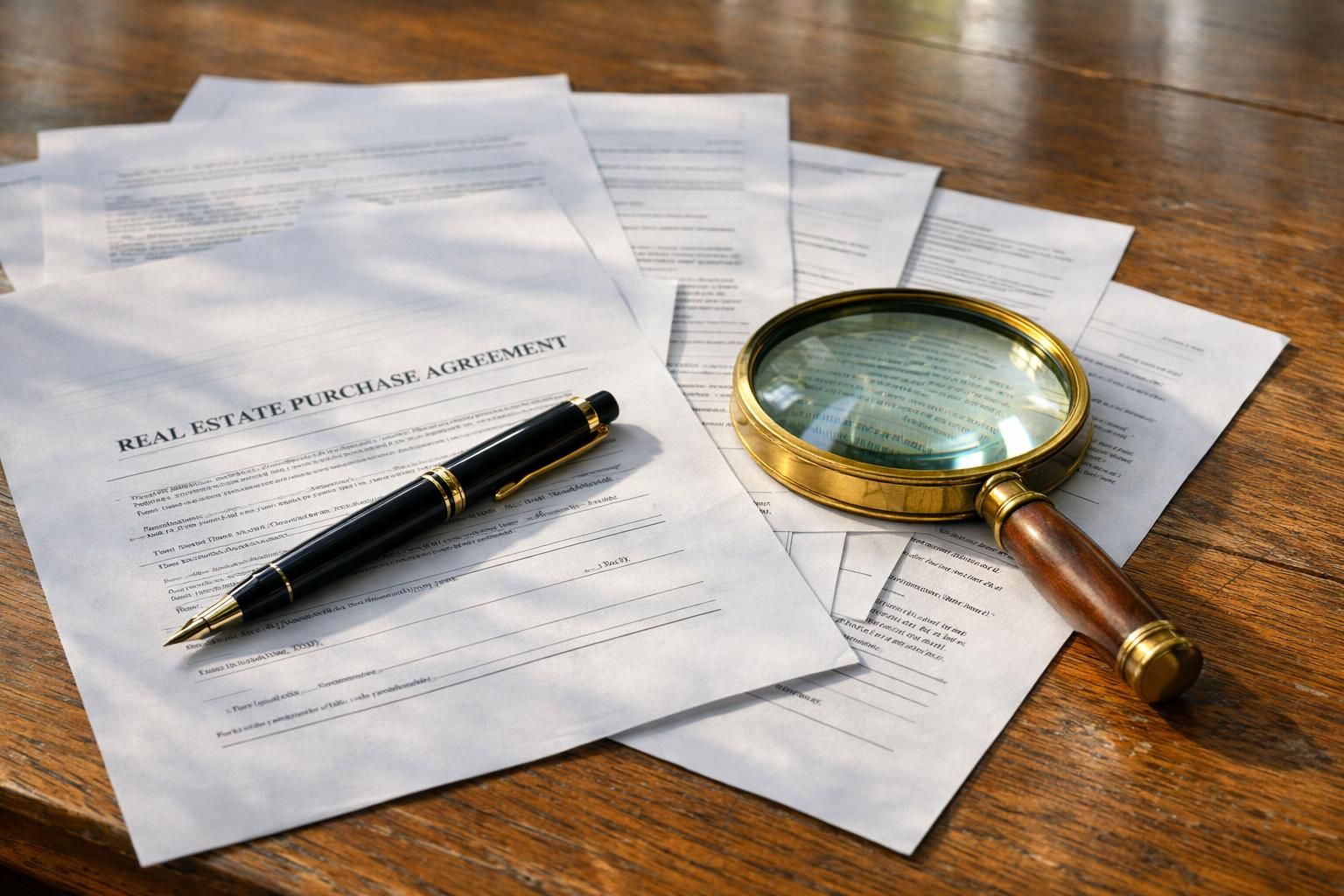
On closing day in Washington, you typically sign documents at the escrow company's office — or via a mobile notary — and transfer ownership is completed once the deed records with the county auditor.
Attendees at the closing meeting
Washington closings often involve a split signing process, where buyers and sellers sign separately at the escrow office. Common attendees include:
- Sellers, who sign the deed and seller-side closing documents.
- Buyers, who sign loan documents, the settlement statement, and other required forms.
- The escrow officer, who manages funds, coordinates document signing, and arranges recording with the county auditor.
- Real estate agents for both parties, who ensure the transaction meets contract requirements.
- A notary, who witnesses and notarizes signatures on key documents including the deed.
- Remote or digital closings using e-signatures and online notarization are permitted in Washington, making the process more flexible.
Bring a government-issued photo ID to every signing appointment. Confirming all parties are prepared in advance prevents funding delays.
Key documents to sign: deed, settlement statement, affidavits
- You sign the deed — typically a statutory warranty deed or bargain and sale deed — transferring ownership to the buyer.
- Both parties sign the settlement statement detailing every closing cost, credit, commission, and tax in the deal.
- You sign an affidavit of title confirming you own the property free of undisclosed liens or judgments.
- Washington requires a Real Estate Excise Tax (REET) affidavit. This form is submitted to the county treasurer's office at recording and must accurately reflect the sale price.
- The buyer signs a promissory note and deed of trust if financing is involved, placing a lien on the property until the loan is repaid.
- All signed documents are reviewed by the escrow officer before being transmitted to the county auditor for recording.
Reviewing the settlement statement numbers
Scrutinize your settlement statement closely. Confirm that agent commissions, escrow fees, title insurance premiums, the REET amount, and prorated property taxes all match what was disclosed earlier. Any negotiated repair credits or price adjustments must appear exactly as agreed.
Washington property taxes are paid in arrears, so your share of taxes from January 1 through the closing date will be credited to the buyer on the settlement statement. Compare all figures against the original estimates and flag any unexpected fees with your escrow officer before signing.
Distribution of funds
The escrow company distributes funds after all parties sign and the lender funds the buyer's loan. Seller proceeds are released after paying off any existing mortgage balances, liens, REET, agent commissions, escrow and title fees, and prorated property taxes and HOA dues.
Earnest money held in escrow is credited toward the buyer's down payment or closing costs per the purchase and sale agreement. Always verify wire transfer instructions with your escrow officer by phone before sending or receiving large sums. Once the deed records with the county auditor — typically the same day or next business day — the transaction is officially complete and proceeds are disbursed.
Closing Costs for Sellers in Washington

Typical seller costs: agent commissions, title fees, REET
- Real estate agent commissions are the largest seller expense, typically 5% to 6% of the final sale price — for example, $22,000 to $26,400 on a $440,000 home.
- Washington's Real Estate Excise Tax (REET) is graduated: 1.1% on the portion of the sale price up to $525,000; 1.28% on the portion between $525,000 and $1,525,000; 2.75% on the portion between $1,525,000 and $3,025,000; and 3% on any amount above $3,025,000. In high-cost markets like Seattle and Bellevue, most sellers will pay at least the 1.28% rate on a portion of their proceeds.
- Title and escrow fees cover the title search, title insurance premium, and escrow services. These typically range from $1,500 to $3,000 depending on the sale price and county.
- Prorated property taxes, HOA dues, and utility adjustments appear on the settlement statement and reduce your net proceeds.
Average percentage of the sale price
Washington sellers typically pay 8% to 10% of the sale price in total closing costs. Agent commissions account for the bulk of this amount. Washington's graduated REET means sellers of higher-priced homes — particularly in King, Snohomish, and Pierce counties — pay a higher effective tax rate than those in lower-cost markets. Always request an itemized estimate from your escrow company before agreeing to terms so there are no surprises at closing.
Washington capital gains considerations
Washington does not have a general state income tax, but sellers should be aware that Washington enacted a capital gains tax that applies to certain long-term capital gains above $262,000 (adjusted annually). However, gains from the sale of real estate are generally exempt from this tax under Washington law. Federal capital gains rules still apply — the IRS allows single filers to exclude up to $250,000 in gains from a primary residence sale, and married couples filing jointly can exclude up to $500,000, provided ownership and use tests are met. Consult a tax professional for your specific situation.
Strategies to reduce closing costs
- Negotiate agent commission rates with your listing agent before signing a listing agreement.
- Shop around for escrow and title services. Washington allows you to choose your own escrow company, and fees can vary significantly between providers.
- Review every line on your settlement statement and ask your escrow officer to explain any fee that is unclear.
- Address inspection issues promptly after the home inspection to avoid price reductions or credits that reduce your net proceeds.
- Ensure buyers complete their mortgage application early to reduce the risk of underwriting delays that could extend your closing timeline and add costs.
- Request a copy of your preliminary title report and settlement statement estimate several days before closing to spot errors in advance.
Common Closing Problems and How to Avoid Them
Title issues or liens
Unpaid property taxes, outstanding liens, or errors on the deed can stop a Washington real estate transaction. Your title company will conduct a thorough title search and issue a preliminary title report to identify these problems before closing day. Common issues include old construction liens, unresolved probate matters, or recorded judgments from prior owners.
You must resolve all liens and judgments before transferring ownership. Title insurance protects buyers and lenders if hidden defects surface later. Always work with your escrow officer or a real estate attorney to clear issues quickly so your deal does not fall through at settlement.
Appraisal gaps affecting the sale price
Lenders require an appraisal during every financed Washington real estate transaction. If the appraised value comes in below the agreed purchase price, lenders will not finance the gap. Buyers may need to bring additional cash to closing, or you may face pressure to reduce your price. Appraisal contingencies in the purchase and sale agreement let buyers back out or request concessions if this happens. Update your settlement statement to reflect any renegotiated terms before closing day.
Financing complications for the buyer
Last-minute financing problems cause many failed transactions. 1 Even with mortgage pre-approval, buyers can lose loan approval if they change jobs, take on new debt, or miss lender document requests during the closing process. Encourage buyers to avoid any major financial changes between contract signing and closing day. If buyer financing falls through and no financing contingency exists in the purchase and sale agreement, you may be entitled to retain the earnest money deposit — typically 1% to 3% of the sale price in Washington transactions.
Walkthrough issues on closing day
Buyers in Washington typically conduct a final walk-through within 24 to 48 hours before closing to confirm that agreed-upon repairs are complete and no new damage has occurred. Report any issues to your real estate agent immediately. Unresolved walk-through problems can delay signing or result in an escrow holdback — where a portion of your proceeds is held until repairs are completed. Vacate the property as promised and document that all requested fixes are finished to keep funds moving through escrow.
Closing When Selling to a Cash Buyer
Simplified and faster process
Cash buyers close on a Washington home much faster than those requiring a mortgage — typically in 7 to 14 days. You skip lender contingencies, appraisals required by mortgage underwriters, and lengthy loan approval processes. The escrow company still runs a title search and issues title insurance, but with fewer moving parts, the risk of last-minute issues is significantly reduced. Your closing costs may also be lower because third-party lender fees are eliminated.
Fewer contingencies and reduced risk
Fewer contingencies in a cash transaction lower your risk as a Washington seller. Without financing requirements, buyers have fewer grounds to exit the purchase and sale agreement. You can expect a shorter, more predictable closing timeline. Many sellers — particularly in fast-moving markets like Seattle and Tacoma — accept slightly lower sale prices from cash buyers because the deal brings far less uncertainty and a faster path to proceeds.
Selling Your Home in Washington
Work with experienced Washington real estate agents and escrow companies to avoid costly mistakes during the closing process. Clarify all closing costs — including REET and escrow fees — before signing a purchase and sale agreement. Expect total seller closing costs to run about 8% to 10% of the sale price.
Prepare all required documents — statutory warranty deed, REET affidavit, title affidavits — in advance so you can move efficiently through each step. Pay off existing mortgages or liens before the transfer date. Communicate early with your buyer's agent to prevent last-minute surprises. Always double-check your settlement statement for accuracy before the escrow company disburses funds or records the deed with the county auditor.
Conclusion
Mastering the closing process in Washington helps you protect your profits and avoid last-minute surprises. Stay organized by working closely with your real estate agent, escrow officer, and — for complex situations — a real estate attorney. Double-check all details on your settlement statement and REET affidavit. Complete title document reviews ahead of time to speed up the transfer of ownership. Your attention to each step ensures a smoother sale and gives you confidence in future real estate transactions.
If you want to skip the traditional process entirely, KDS Homebuyers purchases homes directly from Washington homeowners for cash — no agent commissions, no lengthy escrow timelines, and no repair requests. Visit kdshomebuyers.net to request a free, no-obligation cash offer on your Washington home today.
FAQs
1. What is the first step in the real estate closing process for Washington sellers?
The first step is signing a purchase and sale agreement with the buyer. The escrow company then opens escrow and begins a title search to confirm ownership and identify any liens or encumbrances recorded with the county.
2. Why does a home inspection matter before closing in Washington?
A home inspection helps buyers identify problems like roof damage or failing systems. Washington sellers may need to make repairs or offer credits before the deal can move forward to closing.
3. What is the Real Estate Excise Tax and who pays it in Washington?
The REET is a graduated state tax on real estate sales, ranging from 1.1% to 3% depending on the sale price. In Washington, the seller is responsible for paying REET at closing. The escrow company submits the REET affidavit to the county treasurer before recording the deed.
4. What role does title insurance play when selling a Washington home?
Title insurance protects against claims arising from title defects discovered after closing — such as unpaid liens or errors in the deed. Lenders require a lender's policy; sellers should ensure buyers understand the value of also purchasing an owner's policy.
5. How do wire transfers work when receiving proceeds at a Washington closing?
After the deed records with the county auditor and all conditions are met, the escrow company disburses your proceeds by wire transfer. Always verify wire instructions directly with your escrow officer by phone to protect against wire fraud schemes targeting real estate transactions.
6. Does Washington have a state income tax on home sale profits?
Washington has no general state income tax, and real estate gains are exempt from Washington's capital gains tax. However, federal capital gains rules apply — most primary residence sellers can exclude up to $250,000 (single) or $500,000 (married filing jointly) in gains if IRS ownership and use requirements are met.
