

How to Avoid Foreclosure: 7 Options You Need to Know in Washington
Falling behind on your mortgage payments can feel overwhelming and isolating. 3 Many homeowners do not realize that taking action early is key to stopping foreclosure—your lender will often work with you if you reach out quickly. 1 This guide walks you through seven ways to stop foreclosure in Washington State and protect your home, using real solutions like loan modification, government help, or even selling before it's too late. 2
Key Takeaways
- Contact your mortgage servicer right away if you miss a payment. Early action gives you more options, such as loan modification or repayment plans, and can increase the chance of stopping foreclosure by 70%. 3
- Government programs like FHA-HAMP, VA assistance (1-877-827-3702), and USDA loans help struggling Washington homeowners with repayment solutions. HUD-approved housing counselors provide free guidance at hud.gov/findacounselor or 800‑569‑4287.
- Selling your home before foreclosure—either through a realtor if you have equity or to a cash buyer for speed—can protect your credit and let you avoid auction. Cash buyers often close in 7–14 days with no repairs needed. 6
- Washington is primarily a non-judicial foreclosure state. Once a trustee's sale occurs, there is no statutory right of redemption, making early action critical.
- Avoid scams that promise miracle fixes for upfront fees. Report fraud to the Washington State Attorney General's Office at 1-800-551-4636 or file a complaint at atg.wa.gov. Free help from HUD-certified counselors protects both your rights and property documents.
Acknowledge the stress of facing foreclosure and validate emotions.
Facing foreclosure creates intense stress and fear that can impact your mental and physical health. Homeowners across Washington—from Seattle to Spokane—experience anxiety, sleep problems, and financial uncertainty when mortgage payments fall behind.
Your feelings of worry, anger, shame, or uncertainty are common during this time. The Consumer Financial Protection Bureau recognizes heightened risk from scammers targeting stressed homeowners seeking loan modification or loss mitigation help. 1 You are not alone. Validating these emotions is important as you begin exploring foreclosure prevention solutions such as financial counseling, repayment plans, or government housing assistance through HUD or the Federal Housing Administration.
Emphasize that actionable solutions are available to avoid losing your home.
You have real options to avoid foreclosure and keep your home. Many Washington homeowners qualify for loan modification, forbearance agreements, or repayment plans from their mortgage servicer. Programs such as FHA loss mitigation, Making Home Affordable, and the Washington State Housing Finance Commission offer help if you are struggling with financial hardship.
HUD-approved housing counselors can provide free or low-cost guidance. 1 Taking action early gives you more choices—refinancing your mortgage, selling before a trustee's sale, or exploring a short sale if you owe more than your home is worth. Lenders often prefer helping you stay current rather than going through foreclosure. 2
What is Foreclosure?

Foreclosure happens when your mortgage lender or servicer takes back your home after you miss several mortgage payments. Understanding how Washington's process works can help you protect your rights and find solutions.
Define foreclosure and explain the typical timeline in Washington, including pre-foreclosure vs. active foreclosure.
If you fall behind on mortgage payments, your lender may start the foreclosure process. Foreclosure means the lender can repossess and sell your home to recover what you owe. Lenders typically initiate this process once a mortgage is at least 120 days past due.
Pre-foreclosure begins after missed payments but before formal legal steps. You still own your home during pre-foreclosure and have options such as loan modification or repayment plans. Active foreclosure in Washington starts when the lender's trustee records a Notice of Trustee's Sale with the county. Washington's non-judicial process typically takes about 120 to 190 days from the Notice of Default to the trustee's sale. Critically, Washington has no statutory right of redemption after a non-judicial trustee's sale—once your home sells at auction, you cannot reclaim it.
Highlight the importance of acting early to explore options.
Acting early can make a big difference in how many options you have. Contact your mortgage servicer within 90 days of the first missed payment, and your chance of stopping foreclosure jumps by 70 percent. Starting soon gives you time to try loan modification, forbearance, or even refinance if you still have decent credit and home equity. 3
Because Washington's non-judicial foreclosure timeline moves quickly—and offers no post-sale redemption—waiting too long sharply limits your choices. Quick action lets you apply for state or federal housing assistance or connect with a HUD-approved counselor before legal risks escalate.
Judicial vs. non-judicial foreclosure in Washington.
Washington is primarily a non-judicial foreclosure state. Most foreclosures here proceed through a deed of trust and a trustee's sale, without court involvement. The process runs approximately 120 to 190 days and does not require a judge's approval. Once the trustee's sale is complete, there is no statutory redemption period—ownership transfers permanently.
Judicial foreclosure is rare in Washington and is typically used for certain mortgage types or when a deed of trust is not in place. Judicial cases move through Washington Superior Court and take considerably longer. For most homeowners in the Seattle, Tacoma, or Spokane areas, the non-judicial process is what applies, making early action especially critical.
Understanding Foreclosure
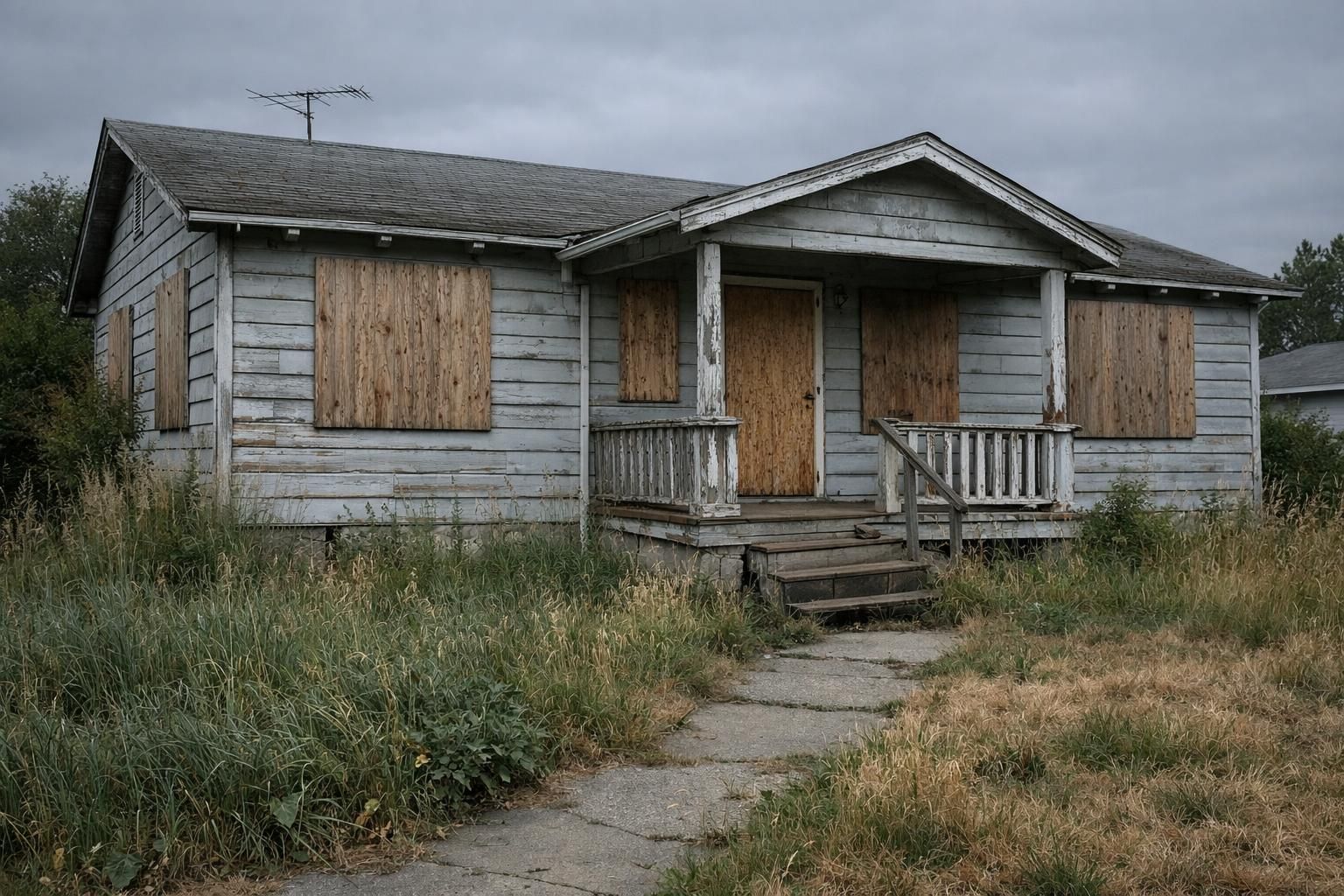
Foreclosure starts when you miss mortgage payments and the lender uses legal steps to take back your home. In Washington, the process acts fast and involves your mortgage servicer, a trustee, and county recording offices.
How does foreclosure work in Washington?
Missed mortgage payments trigger the foreclosure process. Most lenders begin after your loan is 120 days past due. In Washington, the trustee records a Notice of Default and then a Notice of Trustee's Sale with your county auditor's office. You receive written notice and have 20 days after the Notice of Trustee's Sale is recorded to request mediation through Washington's Foreclosure Fairness Act, if you qualify.
If no repayment plan or loan modification is reached, the trustee's sale proceeds. A completed foreclosure stays on your credit report for seven years and significantly impacts your ability to obtain future credit or loans.
Option 1: Contact Your Lender Immediately
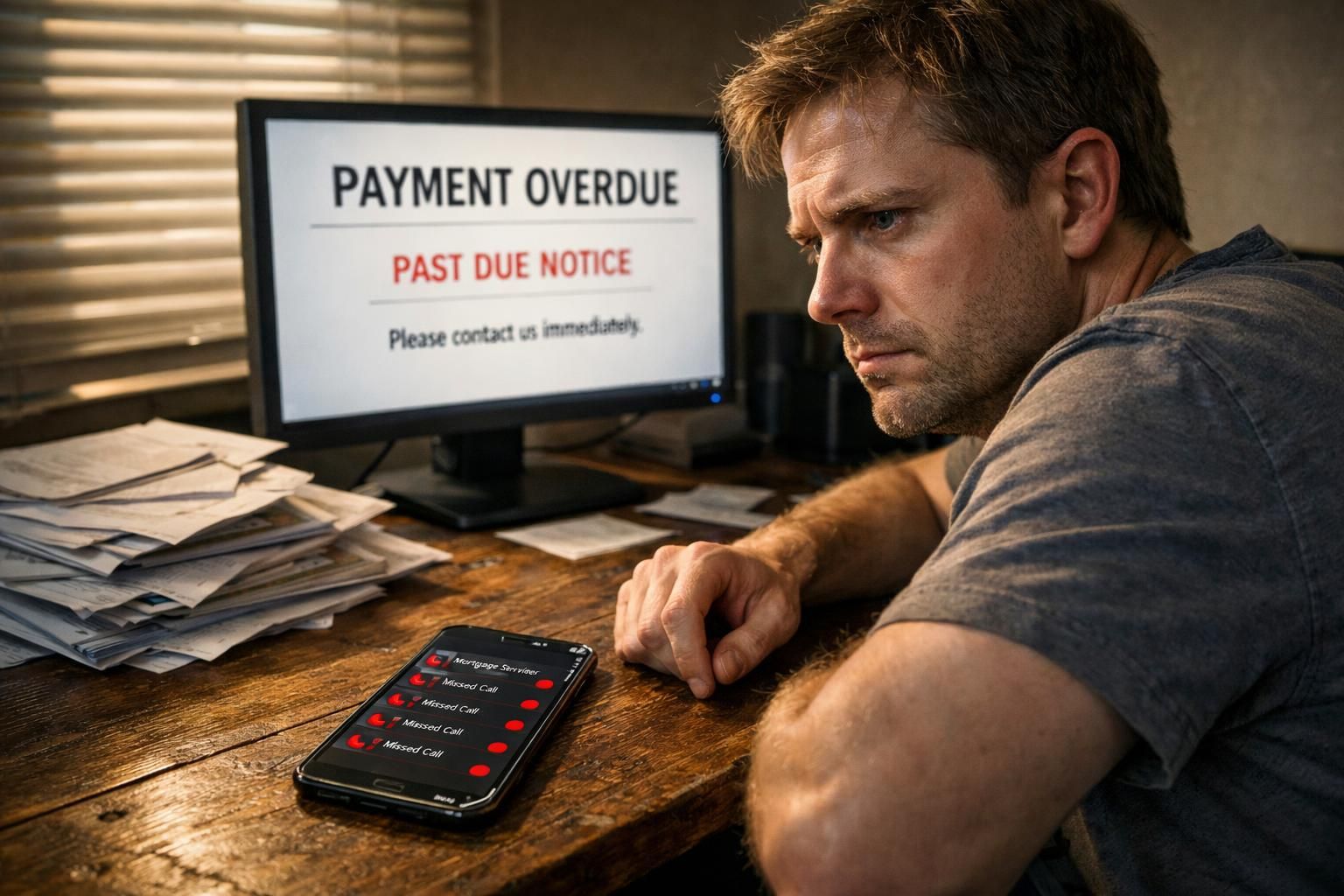
Reach out to your mortgage servicer at the first sign of missed payments. Many lenders offer options like loan modification or a repayment plan that can help you avoid foreclosure—keep reading to find out how to prepare for this conversation.
Discuss loan modifications, forbearance agreements, and repayment plans.
Loan modification changes your original mortgage agreement to provide lower payments or better terms. FHA-insured loans have about a 60% approval rate and conventional loans closer to 40%. Your mortgage servicer may adjust interest rates, extend the loan term, or add missed payments to the balance. 4
Forbearance agreements allow you to pause or reduce mortgage payments for three to twelve months. This relief is not free money—most lenders require repayment in a lump sum or through a structured plan once forbearance ends. 4 A repayment plan helps you catch up by spreading missed amounts over several months. Each option requires honest communication with your lender and documentation of financial hardship.
Washington's Foreclosure Fairness Act: A Key Protection
Washington State's Foreclosure Fairness Act gives eligible homeowners the right to request mediation with their lender before a trustee's sale. A HUD-approved housing counselor or attorney can help you request mediation through the Washington State Department of Commerce. This is a powerful tool unique to Washington that can pause the foreclosure timeline and create space to negotiate alternatives. Contact a housing counselor quickly after receiving a Notice of Trustee's Sale to determine if you qualify.
What to prepare before calling your lender.
Gather recent pay stubs, tax returns, and a copy of your mortgage statement before calling your mortgage servicer. Prepare a detailed list of monthly expenses and income sources. Write a hardship letter explaining the financial difficulties leading to trouble with mortgage payments. Having this documentation ready shows your commitment to finding a solution and speeds up the review process.
Option 2: Refinance Your Mortgage

Refinancing your mortgage can help lower payments or adjust your loan terms if you have enough home equity and fair credit. Acting fast with a local lender or credit union in Washington may improve your chances of qualifying for this foreclosure prevention step.
When refinancing works—and when it doesn't.
You may have a good chance to refinance if you have home equity and a decent credit score. Lenders look at your payment history, income, and the value of your home compared to what you owe. In high-value markets like Seattle and Bellevue, many homeowners have significant equity that may support refinancing.
If your home is "underwater"—worth less than what you owe—refinancing often does not work. About 2.5% of U.S. mortgaged homes are underwater as of 2024. Poor credit or late mortgage payments can also prevent lender approval. If refinancing is not available to you, consider loan modification or housing assistance instead.
Every day counts. Many lenders reject applications once foreclosure proceedings start, so gather financial documents and speak with your bank or credit union before falling further behind.
Option 3: Government Assistance Programs
Government help programs offer real support if you struggle with mortgage payments in Washington. Speaking with a HUD-approved counselor can guide you through your best options.
FHA-HAMP, VA assistance, USDA options, and Washington-specific programs.
FHA-HAMP can help you avoid foreclosure if you have an FHA loan by combining overdue payments and adjusting your repayment plan. 1 Homeowners with VA loans can reach the VA financial counselor at 1-877-827-3702 for free support. If you live in a rural part of Washington—eastern Washington counties, for example—check whether your mortgage qualifies for USDA housing assistance.
Washington-specific resources include the Washington State Housing Finance Commission, which offers foreclosure prevention counseling and connects homeowners with local assistance programs. The Washington Homeownership Resource Center (wshfc.org) provides guidance and referrals. Low-income homeowners may also qualify for assistance through legal aid organizations such as Northwest Justice Project, which offers free legal help to eligible residents statewide. 5
How to find local HUD-approved housing counselors in Washington.
Visit hud.gov/findacounselor or call 800-569-4287 to locate HUD-approved counselors serving Washington communities including Seattle, Tacoma, and Olympia. The HOPE NOW alliance also provides 24-hour mortgage counseling at 1-888-995-HOPE in multiple languages. These counselors are free or low-cost, and they can communicate directly with your mortgage servicer on your behalf—a key advantage when time is short.
Option 4: Sell Your Home Traditionally
Selling your home through a licensed Washington real estate agent can give you time to control the process and possibly protect your financial health. A skilled agent will help you use any home equity, handle mortgage payoff, and avoid foreclosure.
Selling when there's enough equity to cover what's owed plus closing costs.
If your home has enough equity, a traditional sale can prevent foreclosure and protect your credit. In strong markets like Seattle, Bellevue, and Tacoma, many homeowners have built significant equity that can cover the loan balance, Washington's real estate excise tax (REET), and closing costs.
Washington imposes a graduated real estate excise tax on home sales. For most residential sales, the rate ranges from 1.1% to 3% depending on the sale price. Factor this into your net proceeds calculation when determining whether a traditional sale covers what you owe.
Most traditional sales take 30 to 60 days to close, so act quickly. If you wait too long and enter active foreclosure, buyers may hesitate. A local real estate agent understands how to time the market and ensure all steps are handled before a trustee's sale gets scheduled.
Option 5: Sell to a Cash Buyer
Selling your home to a cash buyer often gives you the fastest solution when foreclosure is near. Cash buyers skip the loan process, which eliminates delays and reduces stress.
Speed, no repairs, and certainty of closing.
A cash buyer can close on your home in as little as 7 to 14 days. 6 You do not need to handle repairs or updates since these buyers purchase properties as-is. This speed is critical in Washington, where the non-judicial foreclosure timeline moves quickly and there is no post-sale redemption period. By dealing directly with a cash buyer, you skip lender appraisals and loan approvals, preventing delays that can derail traditional sales.
You typically pay lower closing costs and no real estate agent commissions. These savings keep more money in your pocket. Choosing this route lets you move forward quickly while avoiding foreclosure's long-term damage to your credit and future borrowing ability.
Option 6: Short Sale
A short sale lets you sell your home for less than you owe on the mortgage if your lender agrees, giving you a possible way to avoid foreclosure.
What is a short sale and when do lenders approve it?
In a short sale, you sell your home for less than what you owe and the lender agrees to accept the lower amount. Lenders use this option when your home's market value is below your loan balance and you can prove financial hardship such as job loss or medical bills. About 2.5% of mortgaged U.S. homes are underwater as of 2024.
Lenders may approve a short sale after reviewing pay stubs, bank statements, and a hardship letter. You must work closely with your mortgage servicer since their approval is required before listing or accepting offers. In Washington, you should also consult a tax professional, as forgiven mortgage debt may have federal income tax implications depending on your circumstances.
Credit impact compared to foreclosure.
A short sale typically lowers your credit score by 50 to 150 points. Foreclosure can drop your score by as much as 250 to 300 points. Because of this, a short sale causes significantly less damage than losing your home through a trustee's sale. Lender cooperation is essential—without it, a short sale cannot move forward.
Option 7: Bankruptcy (Chapter 13)
Chapter 13 bankruptcy can provide legal protection known as an automatic stay, which may halt foreclosure proceedings and allow you to create a repayment plan.
The automatic stay and how it pauses foreclosure in Washington.
Filing for Chapter 13 bankruptcy triggers an automatic stay that immediately stops most collection efforts, including Washington trustee's sales. Your mortgage servicer cannot proceed with a sale or collect past-due payments during this period. The automatic stay gives you space to catch up on missed mortgage payments through a court-approved repayment plan. 7 Washington bankruptcy cases are handled in the U.S. Bankruptcy Court for the Western District of Washington (Seattle) or the Eastern District of Washington (Spokane), depending on where you live.
When bankruptcy makes sense and long-term credit consequences.
Bankruptcy may make sense if you cannot keep up with mortgage payments even after trying loan modification or repayment plans. Chapter 13 lets you pause foreclosure and catch up on overdue payments through a structured, court-approved plan—typically lasting three to five years.
Expect long-term credit consequences. A Chapter 13 filing stays on your credit report for seven years; Chapter 7 lasts ten years. Weigh these impacts carefully against the protection bankruptcy provides before making any decisions. Consulting a Washington-licensed bankruptcy attorney is strongly recommended.
What NOT to Do
Avoid risky shortcuts or ignoring contact from your mortgage servicer—these mistakes can cost you your home and your equity.
Warn against foreclosure rescue scams and deed transfer fraud.
Foreclosure rescue scams have surged as interest rates climb. Scammers target Washington homeowners in financial distress with promises to "save" your home in exchange for upfront fees or a deed transfer. These tactics put your mortgage rights and home equity at serious risk.
Free help is available from HUD-approved counselors and your mortgage servicer. Report suspected scams to the Washington State Attorney General's Office at 1-800-551-4636 or file a complaint at atg.wa.gov. Never sign paperwork under pressure without legal advice, and never transfer your deed to someone promising you can stay and pay rent—this is a common and devastating fraud.
The risks of ignoring the problem.
Ignoring calls or letters from your mortgage servicer speeds up the foreclosure process. In Washington, the non-judicial timeline moves without court hearings, so delays on your end can close doors fast. Missed payments, active foreclosure filings, and a completed trustee's sale can all appear on your credit report for seven years. You may lose not just your house but everything you have invested. Facing the problem head-on gives you far more choices and better outcomes.
Conclusion
Take action today to protect your mortgage rights, explore foreclosure prevention tools, and connect with free financial counseling—or consider a quick home sale as an alternative.
Doing nothing is the worst option.
Ignoring foreclosure notices almost always leads to losing your property and causes severe damage to your credit score. Washington's non-judicial foreclosure process moves quickly, and missing key deadlines can eliminate your legal rights entirely. Homeowners who contact their lender or seek financial counseling early qualify for loan modification or repayment plans far more often than those who wait.
Take immediate action—free counseling is available.
Act fast to expand your options and avoid foreclosure. 8 Reach out to free HUD-approved housing counselors at 800-569-4287 or visit hud.gov/findacounselor. Washington homeowners can also contact the Washington State Housing Finance Commission or the Northwest Justice Project for additional free guidance. A HUD-certified counselor can advise you on loan modifications, repayment plans, Foreclosure Fairness Act mediation, and government programs specific to Washington.
If time is critical, selling to a cash buyer is a fast, low-stress solution.
Selling to a cash buyer can help you avoid foreclosure quickly. Cash buyers often close in as little as 7 to 14 days, which is vital given Washington's fast-moving non-judicial timeline. 6 You will not need repairs or staging, and there are no real estate agent commissions eating into your proceeds. If keeping up with mortgage payments feels impossible and time is critical, this option can stop pre-foreclosure before it damages your credit further.
If you are a Washington homeowner facing foreclosure and need to act quickly, KDS Homebuyers can help. Visit kdshomebuyers.net today for a free, no-obligation cash offer and take the first step toward protecting your home and your financial future.
FAQs
1. What steps can I take to avoid foreclosure in Washington if I am behind on my mortgage payments?
You have several options. Talk to your mortgage servicer about a loan modification or repayment plan. Request mediation through Washington's Foreclosure Fairness Act. Seek help from a HUD-approved counselor or contact the Washington State Housing Finance Commission for local assistance programs.
2. How does a loan modification work in helping me keep my home?
A loan modification changes the terms of your original mortgage, potentially lowering monthly payments or extending the repayment period. This helps homeowners facing financial difficulties by making payments more manageable without going through foreclosure.
3. What is the Foreclosure Fairness Act in Washington?
Washington's Foreclosure Fairness Act gives eligible homeowners the right to request mediation with their lender before a trustee's sale. A HUD-approved counselor or attorney can help you request this process through the Washington State Department of Commerce, potentially pausing the foreclosure timeline and creating space to negotiate alternatives.
4. Are there scams I should watch out for when seeking foreclosure help in Washington?
Yes. Only seek legal advice from trusted sources. Report suspected foreclosure fraud to the Washington State Attorney General's Office at 1-800-551-4636 or at atg.wa.gov. Never pay upfront fees or transfer your deed to someone promising to save your home.
5. Where can I find reliable support if I struggle with mortgage payments in Washington?
Contact HUD-approved housing counselors at 800-569-4287, visit hud.gov/findacounselor, reach out to the Washington State Housing Finance Commission at wshfc.org, or contact the Northwest Justice Project for free legal assistance if you qualify.
References
- ^ http://www.hud.gov/helping-americans/avoiding-foreclosure
- ^ https://www.researchgate.net/publication/228679029_Interventions_in_mortgage_default_Policies_and_practices_to_prevent_home_loss_and_lower_costs
- ^ https://pmc.ncbi.nlm.nih.gov/articles/PMC4388711/
- ^ https://www.justia.com/foreclosure/alternatives-to-foreclosure/forbearance-agreements-and-repayment-plans/
- ^ https://www.usa.gov/avoid-foreclosure
- ^ https://www.cameronjournal.com/avoiding-foreclosure-how-cash-buyers-can-help/
- ^ https://www.uscourts.gov/court-programs/bankruptcy/bankruptcy-basics/chapter-13-bankruptcy-basics
- ^ https://www.hudexchange.info/programs/housing-counseling/foreclosure-prevention/
