

Can You Sell a Condemned House? How It Works in Colorado
You may worry about what to do if you need to sell a condemned house in Colorado. A condemned house means the local government has declared your property unsafe or uninhabitable, often due to code violations or severe damage.
This guide explains how you can still sell condemned property in Colorado and lays out clear steps for real estate investors, auction sales, and more. 1
Key Takeaways
- You can sell a condemned house in Colorado, but you must follow strict disclosure laws and provide all notices, repair records, and code violations to buyers. Hiding problems may lead to fraud lawsuits or reversal of sale.
- Most buyers for condemned homes are cash buyers or real estate investors who expect discounts of 40%–70% below normal home prices because they pay for repairs, demolition (often $10,000–$50,000), or clean-up (as much as $20,000).
- Local government authorities condemn properties for serious safety risks like fire damage, black mold, hoarding situations, utility shutoffs over 60 days, illegal drug activity, or severe code violations.
- To remove condemnation status before selling at a higher price, you need licensed contractors to make repairs and pass city inspection first. Otherwise most traditional lenders will not finance the sale; only cash offers apply.
- Outstanding liens from unpaid fines or demolition costs must be resolved before closing. Real estate attorneys familiar with Colorado property law can help with title searches and contract review.
What Does Condemned Mean?
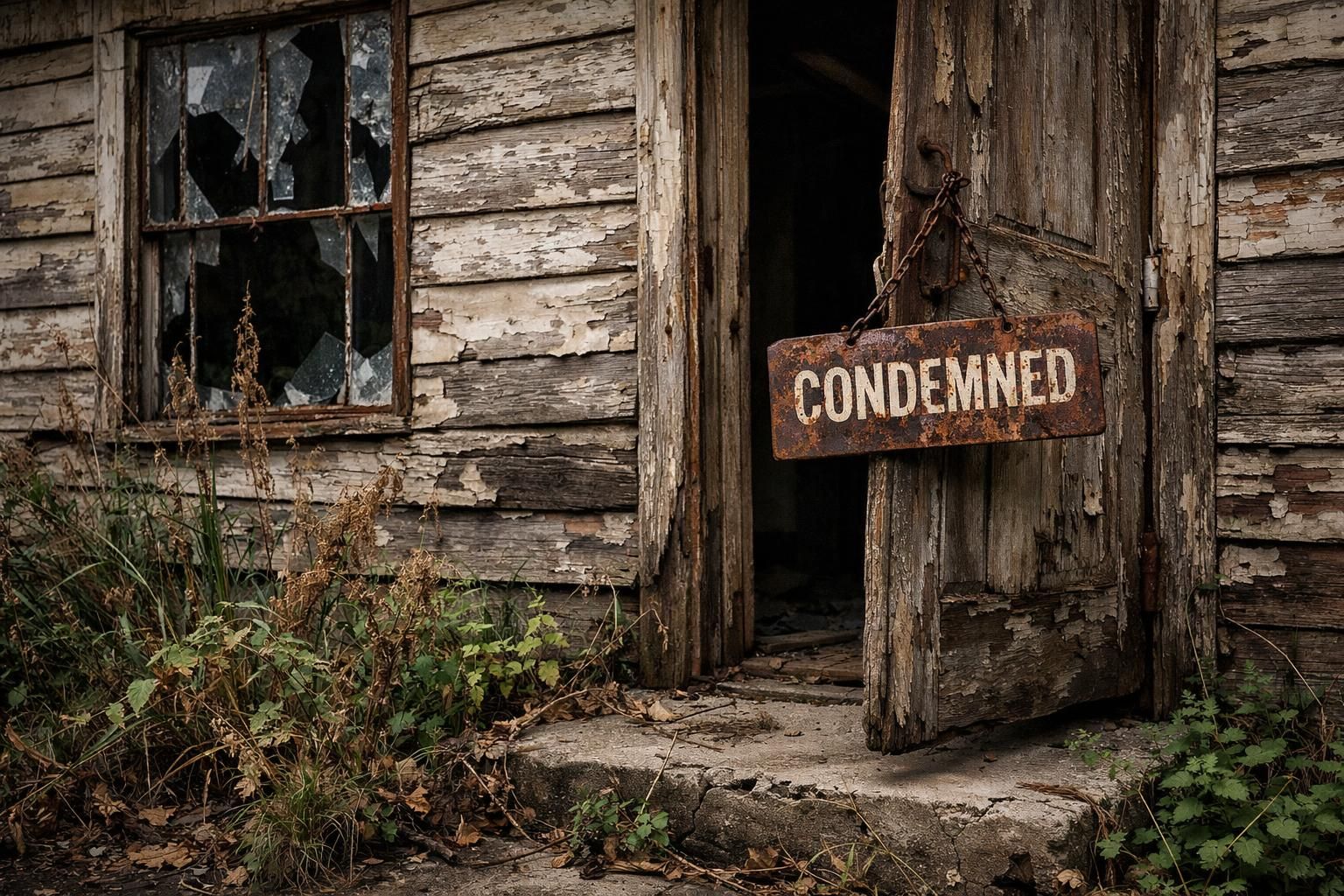
A condemned house means local government authorities have declared the property unsafe for people to live in. In Colorado, this declaration typically comes from municipal building departments or county code enforcement offices, and it can directly affect your ability to sell or repair the property.
Structural condemnation vs. code violations
Structural condemnation occurs when your property suffers from major damage, like foundation failure, severe fire, or dangerous water damage. Colorado code enforcement officers post "unfit for human habitation" notices on homes with serious safety hazards such as asbestos, lead paint, and black mold — all common in older Colorado housing stock.
Code violations often involve electrical wiring, plumbing systems, hoarding situations, or other breaches of local ordinances that do not always require total demolition. In Colorado, these problems are usually correctable if you make the required repairs and pass a new home inspection. Condemned status can be reversed after fixing all housing code violations and passing re-inspection with your local building department.
Homes facing structural condemnation present higher repair costs and often need review from a real estate attorney before sale options move forward.
Who condemns properties in Colorado
In Colorado, local government authorities — including building inspectors, county health departments, and municipal code enforcement officers — issue condemnation orders for unsafe property. These officials represent your city or county and hold the legal authority to declare a house condemned when it violates Colorado's housing codes or presents safety hazards.
Denver's Department of Excise and Licenses, for example, oversees unsafe structure complaints within city limits, while Colorado Springs and Aurora have their own building and code enforcement divisions. Your local municipality may also place liens against the condemned property for unpaid fines, demolition costs, or other code violation fees.
Written notice of condemnation typically arrives both by mail and posted directly on your property. If you disagree with a condemnation order, Colorado law allows you to appeal the decision through your local municipal hearing process. All actions are governed by local ordinances and enforced through city building offices — not private lenders or real estate agents.
Common reasons for condemnation in Colorado
Understanding why Colorado properties get condemned helps you take action quickly.
- Structural damage from wildfires, floods, or Colorado's harsh freeze-thaw cycles often leads to condemnation. Foundation failure and severe roof collapse fall into this category.
- Major code violations that do not meet Colorado housing codes, such as missing smoke detectors, unsafe stairs, or broken windows.
- Health hazards including black mold, pest infestations, asbestos exposure, and lead paint — particularly common in pre-1980s homes throughout the Denver metro area.
- Utility problems like disconnected water, electricity, or heating systems, which are especially dangerous during Colorado winters.
- Properties vacant for over 60 days or showing clear signs of abandonment, which often trigger increased safety hazard reviews under local ordinances.
- Illegal activities such as drug manufacturing, which Colorado law enforcement and health officials treat as grounds for immediate condemnation.
- Hoarding situations that create blocked exits, fire hazards, and poor ventilation.
- Environmental hazards including hazardous waste spills or long-term neglect that prompt action from Colorado Department of Public Health and Environment (CDPHE) officials.
- Poor construction quality causing recurring repair costs that exceed the home's market value.
Understanding the Condemnation Process in Colorado

Colorado local governments must follow clear steps before declaring a property unsafe. Timelines are strict, which makes knowing your rights under Colorado law essential.
Notification and timelines
Colorado city and county officials notify you in writing when your home faces condemnation. These notices explain what code violations exist and outline deadlines for repairs.
- Officials physically post a notice at your property and mail a written copy to the address on record with the county assessor.
- The notice details the specific housing codes or safety hazards found, including structural damage, unsafe conditions, or illegal activity.
- You typically have 30 to 90 days from the date of the notice to address all listed violations, though timelines vary by municipality.
- Failing to make corrections within this period may lead to a demolition order, with municipal demolition costs of up to $50,000 added as a lien on your property.
- Colorado homeowners are offered an opportunity for a hearing to appeal condemnation before further government action proceeds.
- If you resolve all violations within the given period, officials may reverse condemnation after a re-inspection confirms compliance with current building codes.
Reversing condemnation with repairs
You can sometimes reverse a condemned status in Colorado with the right repairs and inspections, reopening the door to traditional buyers and higher sale prices.
- Review the official notice from your local building department. It lists all structural issues, code violations, and repair requirements.
- Contact Colorado-licensed contractors to get detailed repair cost estimates covering safety hazards, electrical systems, plumbing, or structural damage.
- Apply for all necessary building permits before starting work. Colorado municipalities require permit approval before repairs on condemned structures begin.
- Complete all repairs listed in your violation notice and schedule a re-inspection with the local housing authority.
- After passing re-inspection, request formal removal of condemnation status from your city or county building department. Official clearance allows you to list the property as no longer condemned.
- Restoring your home removes lender restrictions, allowing traditional buyers to access mortgage financing again.
- A successful reversal also increases property value above land-only or auction pricing and attracts a wider pool of buyers and investors in Colorado's competitive real estate market.
- Thorough documentation of completed repairs protects against legal issues and proves you resolved outstanding liens and met all building codes.
The Challenges and Solutions of Selling a Hoarder House

Selling a hoarder house in Colorado can feel overwhelming, especially if you worry about health risks or code violations. Real estate agents and specialized cleaning contractors can help you protect your property value and reduce legal risks.
Recognizing hoarder house health issues
Black mold, cockroach infestations, and severe clutter often hide in hoarder homes. You may find asbestos or lead paint — both regulated under Colorado and federal standards — that threaten health. Large piles of possessions can block exits and create serious fire hazards.
Code violations increase the risk of condemnation by Colorado local government authorities. Environmental hazards like biohazard waste or rodent droppings lower your property value and deter real estate investors. Professional remediation may be required before you can meet Colorado's disclosure requirements or list with a real estate agent.
A comprehensive hoarder house cleaning checklist
- Remove all visible trash and debris from each room before tackling hidden clutter.
- Sort items into separate piles for keeping, donating, recycling, or discarding.
- Dispose of hazardous waste such as chemicals, old batteries, and paint following Colorado local ordinances and CDPHE guidelines; improper disposal can result in fines.
- Clear out contaminated materials like carpets or insulation damaged by pests or moisture.
- Use proper protective equipment — gloves and masks — to avoid hazards from mold or dust during cleanup.
- Assess rooms for pest infestation evidence and schedule licensed Colorado pest control if needed.
- Pull up damaged flooring where pet urine, mold, or water leaks have caused structural damage.
- Wash hard surfaces thoroughly with disinfectant to remove bacteria from neglected kitchens and bathrooms.
- Check walls and ceilings for black mold; hire a licensed Colorado remediation company if spread is significant.
- Remove food waste immediately to prevent attracting rodents or insects.
- Address biohazards quickly; consult certified crime scene cleaners if bodily fluids are present.
- Inspect HVAC systems for blockages caused by hoarded objects — a fire hazard under Colorado safety standards.
- Document all damage found during cleaning for your real estate attorney's review before contract negotiations with cash buyers or investors.
- Schedule a full home inspection after initial cleaning to identify remaining repair requirements under current Colorado building codes before listing.
The pros and cons of selling a hoarder house
- Selling as-is skips deep cleaning or repairs and avoids thousands in renovation costs. 1
- Hoarder homes usually attract cash buyers or real estate investors who move quickly without relying on mortgages.
- Safety hazards like structural damage or health risks may deter traditional Colorado homebuyers and private lenders.
- Expect lower property values because buyers factor in repair costs, debris removal, and code violation remediation.
- Clean-up expenses can range from $3,000 to $20,000 or more; skipping this step saves money but lowers the selling price.
- Colorado's disclosure requirements protect you legally but may shorten your buyer pool if major safety hazards exist.
- Fast sales reduce risk of further financial loss from potential condemnation or court-ordered auction.
- Selling to an investor often cuts down negotiations over inspection issues since they expect distressed properties needing rehabilitation.
- Real estate attorneys familiar with Colorado property law help with contract review and disclosure compliance.
- Repairing some issues before listing increases market value but requires upfront capital that may be hard to recover in lower-demand areas.
Can you hire someone to clean a hoarder house in Colorado?
Professional cleaning companies in Colorado specialize in hoarder house remediation and can handle biohazard removal, deep cleaning, and hazardous waste disposal while ensuring your property meets Colorado health and safety codes. Costs typically range from $3,000 to $20,000 depending on home size and contamination severity.
Contractors may also identify structural damage or code violations during cleanup that require repair before listing. A thorough cleanout can attract more cash buyers or real estate investors interested in distressed properties and speeds up the overall sale process.
Selling Options for a Condemned House in Colorado

You have several ways to sell a condemned house in Colorado, even if it needs major repairs. Real estate investors and cash buyers often see value in distressed properties that traditional buyers avoid.
Selling to cash buyers or investors
Cash buyers and real estate investors often purchase condemned Colorado homes as-is, meaning you avoid expensive repair costs and delays. Closings can happen in as little as three weeks since lenders and traditional home inspections are not required.
Expect offers reflecting the cost of needed repairs or demolition — most investors will offer 40 to 70 percent below current market value for a condemned property. In high-demand Colorado markets like Denver and the surrounding metro, land value can partially offset repair discount expectations, so compare each offer carefully using a recent home appraisal or research current lot prices in your area.
Selling to developers or builders
Developers and builders often target condemned Colorado properties for the land rather than the structure. In growing Front Range communities and along the I-25 corridor, your lot may attract strong developer interest even if the home itself is unsalvageable.
Demolition costs between $10,000 and $25,000 are typical, but city-ordered teardowns due to safety hazards can reach $50,000. Sellers should expect offers below market rate since buyers subtract demolition and remediation from their bids. Always consult a Colorado real estate attorney for contract review and disclosure compliance before signing any agreement with a developer or builder.
Repairing first and then selling
Bringing a condemned Colorado house up to code requires investing in repairs before listing. You must fix all code violations, including structural damage and safety hazards cited by local building authorities, and obtain all required building permits before work begins.
Once repairs pass inspection and condemnation status is formally lifted, you can market your property to a wider buyer pool since traditional Colorado mortgage lenders may finance restored homes. Although repair costs and timelines can be significant, finished renovations often generate higher offers and attract families using conventional financing. This route works best if you have available capital and sufficient time before municipal deadlines.
The Selling Process for Condemned Properties in Colorado
Colorado disclosure requirements
Colorado law requires sellers to disclose known material defects, and condemned status is clearly a material defect. You must present all condemnation notices, code violations, and correspondence from local government authorities to potential buyers. Include your deed, title, proof of ownership, and records of any repairs attempted.
Colorado's Seller's Property Disclosure form should reflect all known issues. Non-disclosure may result in lawsuits for fraud or breach of contract, and Colorado courts have the authority to reverse sales over undisclosed defects. Full transparency now is far less costly than defending a fraud lawsuit later.
Pricing expectations and timelines
Condemned properties in Colorado typically sell for 40 to 70 percent below comparable market prices. Cash buyers and investors factor in safety hazards, repair costs, and code violations before making offers. Set pricing after reviewing current land values, estimated demolition costs, and any outstanding liens.
Quick closings are possible — some cash buyers can settle within three weeks if full disclosure is provided. Consult a Colorado real estate agent experienced with condemned property sales to understand timelines based on your specific municipality's rules and current investor demand in your area.
Financial and Legal Implications in Colorado
Selling a condemned property in Colorado can involve unpaid debts, title checks, and tax considerations specific to the state. Working with a Colorado real estate attorney or qualified agent helps protect you throughout the sale.
Outstanding fines and liens
- Municipal liens attach to condemned Colorado properties for code violations, unpaid fines, or government-ordered demolition costs.
- All outstanding liens, including overdue Colorado property taxes, must be paid before closing.
- Government-imposed demolition costs reduce your profit if local officials have already acted.
- Title searches run by a Colorado real estate attorney or title company reveal all encumbrances affecting your ability to transfer ownership.
- Cash buyers and real estate investors sometimes agree to pay certain municipal debts at settlement, but only after negotiation.
- Get a preliminary title check early to identify back taxes, safety hazard liens, or violation fees before listing.
- If you cannot pay all debts before closing, consider an agreement where the buyer deducts them from the purchase price and pays directly at settlement.
Colorado tax implications and liability concerns
In Colorado, losses on condemned homes used as your primary residence generally do not qualify for deductions — consult a Colorado tax professional before making any decisions, particularly if government eminent domain is involved under Colorado's condemnation statutes.
Selling a condemned house can affect capital gains calculations. Colorado does not have a separate state capital gains tax rate; gains are taxed as ordinary income under Colorado's flat income tax rate, currently 4.4%. If local authorities seize or demolish the home due to unpaid fines, additional penalties may apply.
Liability for injuries on the property remains with you until closing is complete. Keep your homeowners insurance active through the closing date. Have a Colorado real estate attorney review all documents and guide you through state and local disclosure requirements to avoid fraud lawsuits or sale reversals.
Decision Framework for Colorado Homeowners
Repair vs. sell as-is
Choosing between repairing your condemned Colorado property and selling as-is depends on your time, finances, and goals. Selling as-is skips repair costs and avoids the hassle of permits and code inspections. Cash buyers and real estate investors often prefer buying condemned Colorado homes in current condition — a practical route if you face outstanding liens, urgent financial needs, or lack repair capital.
Repairing to meet Colorado building codes attracts more buyers and boosts offers from families using conventional financing. Hiring licensed Colorado contractors for estimates shows actual repair costs before committing. Missing municipal deadlines during a repair process could lead to additional fines, so weigh your timeline carefully.
Evaluating offers and red flags
Compare all offers side by side, looking at net proceeds, repair cost contingencies, and payment timelines. Watch for red flags such as buyers refusing home inspection, asking you to skip Colorado disclosure requirements, or offering prices far below local land value.
Offers tied to traditional financing rarely close on condemned properties because most Colorado lenders will not fund homes with active housing code violations. Clear title issues and resolve all outstanding liens before accepting any offer. Ask a Colorado real estate attorney to review contracts, especially if eminent domain or ownership disputes are involved. Avoid deals where buyers pressure you to skip proper contract review or hide known property defects.
Conclusion
Selling a condemned house in Colorado can feel overwhelming, but you have real options. Real estate investors and cash buyers actively look for distressed Colorado properties. Meet all disclosure requirements, understand your local municipality's building codes, and consult a Colorado real estate attorney to protect your interests throughout the process.
If you need to sell a condemned or distressed property quickly without the stress of repairs, liens, or inspections, KDS Homebuyers buys houses directly for cash across Colorado. Visit kdshomebuyers.net to request your free, no-obligation cash offer today.
FAQs
1. What is a condemned property and why does it happen in Colorado?
A condemned property is a home that Colorado local government authorities declare unsafe due to serious housing code violations, safety hazards, or illegal activities. Property abandonment and Colorado's severe weather damage are also common triggers.
2. Can you legally sell a condemned house in Colorado?
Yes. You can sell a condemned house in Colorado if you meet the state's disclosure requirements and resolve outstanding liens. Many real estate investors and cash buyers purchase distressed Colorado properties for land value or rehabilitation potential.
3. How do repair costs affect the sale of an unsafe Colorado property?
High repair costs lower a property's value since buyers must bring it up to Colorado building codes before use. Investors factor these costs directly into their purchase offers.
4. Should I work with professionals when selling a condemned Colorado property?
Yes. A Colorado real estate attorney ensures legal protection through contract review, title examination, and disclosure compliance. A licensed agent helps you understand current market conditions and price your property appropriately.
5. What are common ways to sell a condemned house quickly in Colorado?
Direct cash sales to investors or house flippers are the fastest route. Auction sales are another option. Both avoid the delays of traditional financing and allow as-is sales without requiring repairs.
6. Are there risks involved in selling condemned homes in Colorado?
Yes. Risks include sale reversal if proper Colorado disclosures are not made, fraud lawsuits over hidden defects, and unresolved liens that block closing. Working with a qualified Colorado real estate attorney significantly reduces these risks.
