

How to Sell a Fire-Damaged House (And What It's Actually Worth) in Washington
Dealing with a house fire can leave you overwhelmed and uncertain how to sell a fire-damaged house in Washington state. Every year, homeowners across Seattle, Tacoma, Spokane, and smaller communities face this challenge—and discover that selling a fire-damaged property is not only possible but sometimes the best path forward. 2 This guide walks you through how real estate agents, insurance adjusters, and home buyers approach these situations in Washington and what your damaged home might actually fetch in today's market. 3
Key Takeaways
- Selling a fire-damaged home in Washington is possible. You can repair and sell, list as-is, or accept a quick cash offer from real estate investors.
- Insurance claims for fire damage typically take 60 to 180 days to settle. Payouts often range between $80,000 and $120,000 per incident, but repairs can run from $5,000 (cosmetic) up to $400,000 (full rebuild). Document all damage with photos and receipts before filing your claim.
- Buyers typically subtract total repair costs from their offers. Expect most as-is sales of fire-damaged homes to come in at 40%–70% of pre-fire value; severe cases may only bring lot value.
- Washington state enforces strong seller disclosure laws. Under the Washington Seller Disclosure Act, you must disclose all known material defects—including fire damage—or face legal liability. Cities like Seattle can also issue daily fines for unsafe or unsecured properties.
- Direct cash buyers can close in as little as 7–10 days, helping you avoid ongoing holding costs such as increased insurance premiums, property taxes, and utilities on a vacant home.
Acknowledge the emotional and financial challenges of dealing with a fire-damaged home in Washington.
Losing your home to fire causes deep emotional distress and financial strain. Insurance claims often take 60–180 days to settle, and waiting feels hard when you need answers fast. Homeowners insurance may cover $80,000 to $120,000 per incident, but those funds do not arrive immediately.
Take practical steps while managing stress. Document all property damage with receipts and photos for your insurer. Secure the site quickly—Washington cities can issue code enforcement fines for unsecured or unsafe structures, and those costs accumulate fast on a vacant property.
Holding a vacant home is expensive in Washington. Insurance premiums can rise by up to 40 percent after a fire loss, and King County and Pierce County property taxes continue regardless of the home's condition. Connecting with real estate investors experienced with fire-damaged Washington properties can give you fast, practical options.
Assess the Damage and Your Options
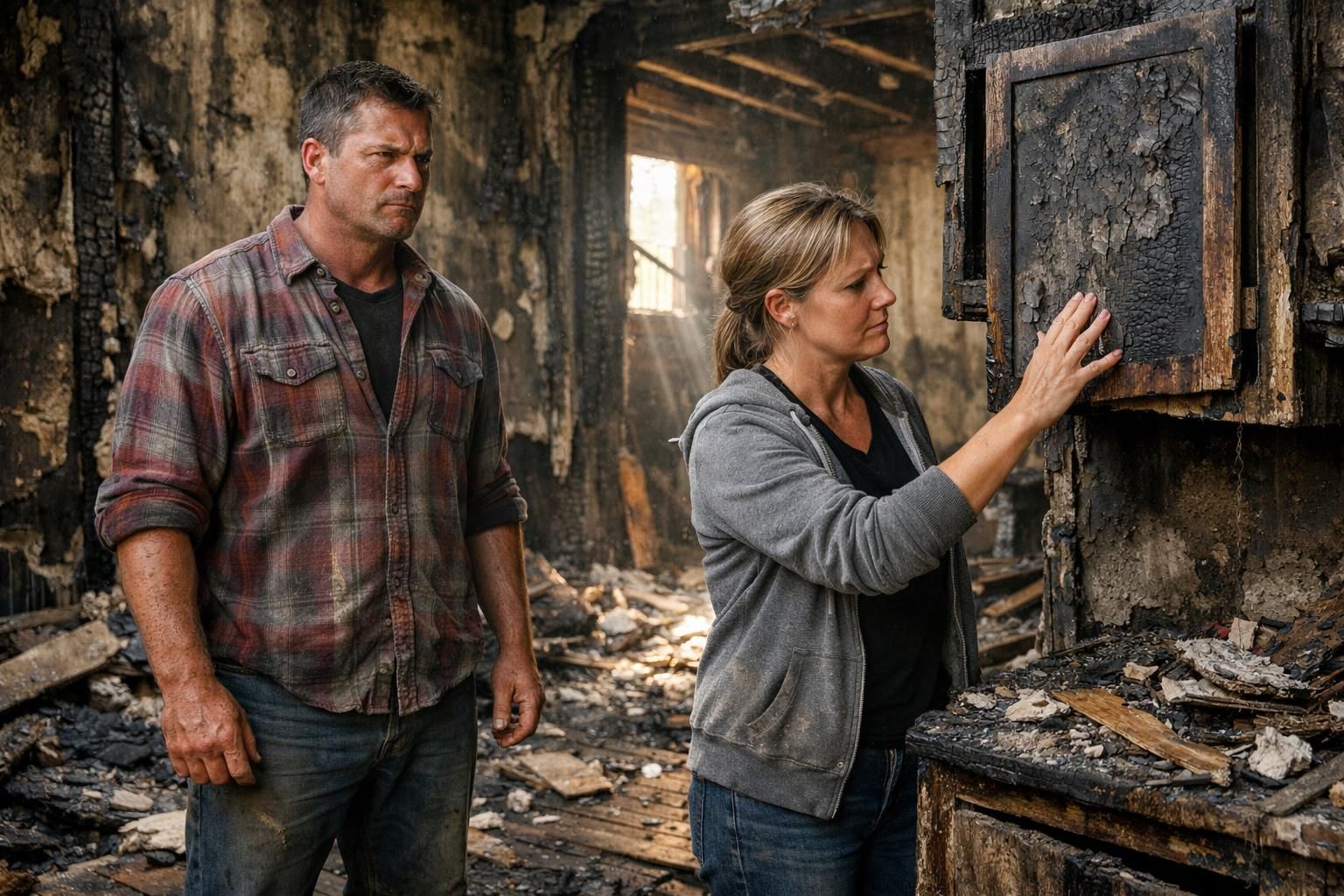
A fire can leave behind both obvious destruction and hidden risks, making a full inspection from a Washington State licensed home inspector essential. Fire restoration firms and insurance experts can help clarify your choices for selling or repairing the property.
Differentiate between cosmetic damage (smoke, minor charring) and structural damage (foundation or roof issues).
Cosmetic fire damage often shows up as smoke stains on walls, ceilings, or fixtures. Minor charring may mark trim or cabinets without affecting structural strength. Most cosmetic repairs cost between $5,000 and $15,000. Restoration companies use specialized tools to remove odors and soot efficiently.
Structural damage hits deeper—foundation cracks, roof collapses, and burned load-bearing studs threaten both safety and market value. Repair costs for severe fire damage often reach $100,000 to $250,000; full rebuilds range from $150,000 to $400,000. In high-cost markets like Seattle and Bellevue, contractor labor rates push those numbers higher.
A professional assessment typically runs around $4.50 to $6 per square foot but is essential for accurate pricing if you plan an as-is sale or an insurance claim. Always document both cosmetic and structural damage thoroughly before reaching out to buyers or listing agents.
Explore the insurance claim process in Washington: when to file, settlement timelines, and selling before settlement.
File your insurance claim as soon as the property is safe. Washington insurance companies will assign an adjuster, but you should also obtain an independent assessment to document your losses accurately. Average payouts range from $80,000 to $120,000, though Washington's higher home values often mean claims and repair costs exceed national averages.
If you have a mortgage, your lender has rights to insurance proceeds up to the outstanding loan balance. Settlements generally take 60 to 180 days. Some policies reimburse after repairs are complete; others pay upfront. Washington homeowners may also be entitled to Additional Living Expense (ALE) coverage while the home is uninhabitable—review your policy carefully.
If you need to sell before the claim settles, buyers and sellers can negotiate who receives the eventual payout. This flexibility lets you move forward even while the claim remains open.
Decision-making framework: repair and sell traditionally, or sell as-is.
Weigh repair costs against your insurance payout and personal finances. If damage is mostly cosmetic and your policy covers most expenses, repairing and listing with a Washington real estate agent can secure a higher sale price. Traditional sales typically take three to nine months but deliver the best return. 1
If structural damage is severe or out-of-pocket costs are steep, selling as-is may suit you better. Cash buyers typically offer 50% to 70% of after-repair value (ARV) for distressed Washington properties. As-is deals close much faster—often within 30 to 90 days—without renovation costs or lengthy lender approvals.
Consult a Washington attorney or tax professional about capital gains tax implications before moving forward. Washington does not have a general personal income tax, but the state's capital gains excise tax—currently 7% on gains above $262,000 for tax year 2025—could apply depending on your situation. 1
Understanding What Your Fire-Damaged House Is Worth in Washington
The worth of your fire-damaged Washington property depends on pre-fire market value, the extent of damage, location, and current real estate market conditions—keep reading to learn how buyers calculate what they will actually pay.
Factors affecting value: pre-fire market value, damage extent, location, and lot value.
Your pre-fire market value serves as the baseline. Buyers reduce offers by estimated repair costs to arrive at a fair market value. Washington fire-damaged homes generally sell for 40% to 60% of original value, though properties in competitive Seattle or Bellevue neighborhoods can fetch 60% to 70% because investor demand for renovation projects remains strong there.
Location matters enormously in Washington. Urban properties in King County, Snohomish County, or the greater Tacoma area attract more cash buyers and rehabbers because profit margins after repair are larger. In contrast, rural Eastern Washington properties—like those near Spokane Valley or in Yakima County—face weaker demand, and severe damage can push value down to little more than lot value.
Calculate lot value by taking the After Repair Value (ARV) and subtracting demolition and construction costs. In desirable Washington neighborhoods, this figure can still be substantial even after a total loss.
Explanation of repair cost deductions and realistic market offers.
Buyers almost always subtract full repair costs from their offers. Minor smoke cleanup may run $3,000 to $15,000; major structural rehabilitation can exceed $51,000 or much more in Washington's high-labor-cost markets. Investors typically add a 15% to 20% deduction for profit and holding expenses on top of repair estimates.
Conventional mortgages rarely cover fire-damaged homes, so buyers may look at FHA 203k or Fannie Mae HomeStyle loans, but slow approvals limit the buyer pool. Cash investor offers reflect these hurdles—the price may seem low compared to your home's former worth but is consistent with what distressed properties command in today's Washington market.
Example scenarios to set expectations.
A Seattle-area home valued at $700,000 before a fire with only cosmetic smoke damage might attract offers around $450,000 to $490,000 as-is, with buyers expecting $15,000 to $30,000 in cleanup costs. In Tacoma, a home worth $400,000 pre-fire with moderate damage requiring $50,000 in repairs might draw investor offers in the $200,000 to $240,000 range.
For severe structural damage in a rural Eastern Washington community—a home once appraised at $250,000 facing $150,000 in rebuild costs—expect investor offers closer to $80,000 to $100,000, essentially reflecting land value only. Seasonal demand also plays a role; Washington's wet winters can reduce buyer interest and complicate exterior repair assessments, pushing offers lower between November and February.
Your Selling Options Explained
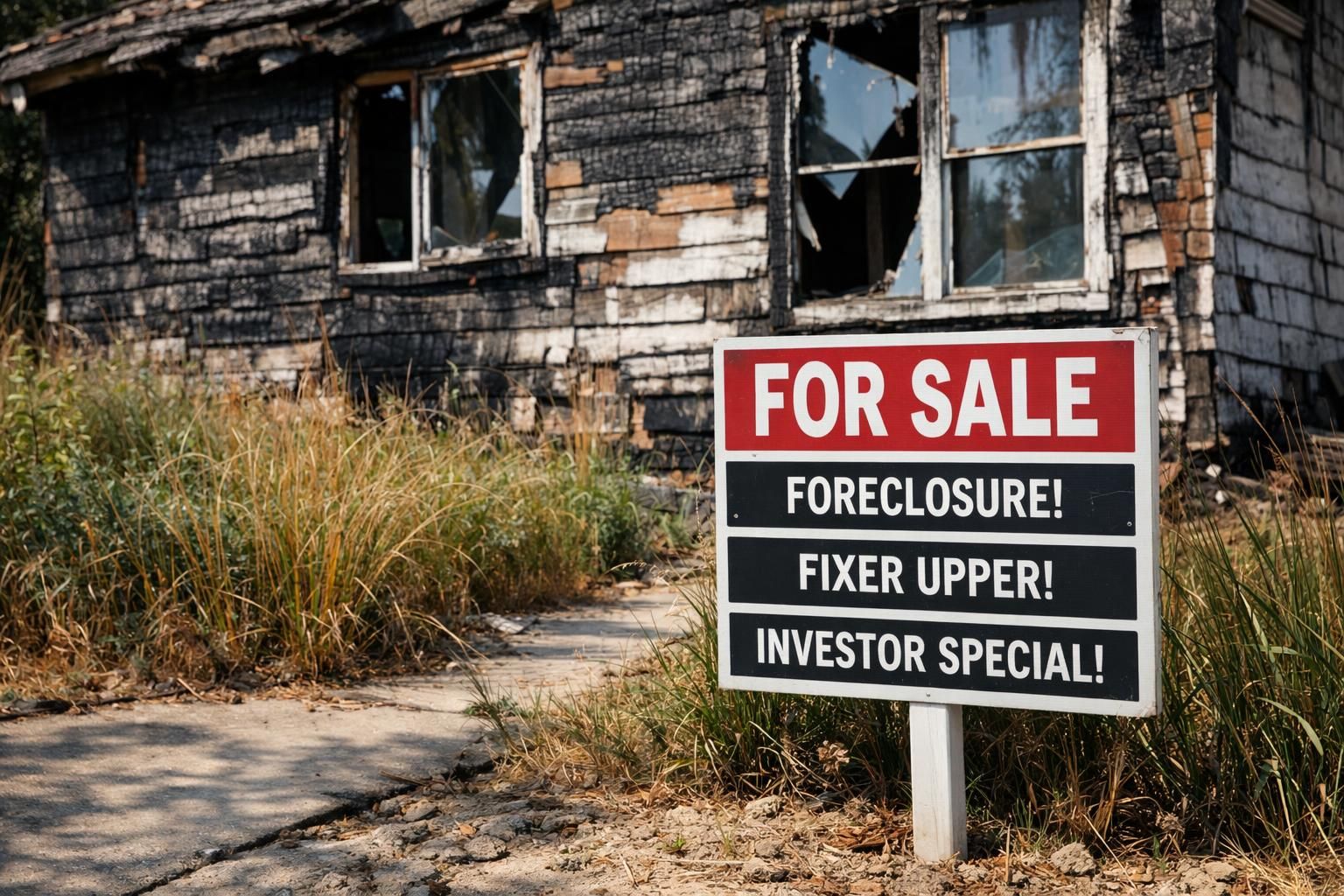
You can choose from several paths to sell a fire-damaged property in Washington, each with distinct trade-offs. Understanding your local market and buyer expectations will help you select the best option.
Traditional sale after repairs: time-intensive but highest return.
Repairing your fire-damaged property and pursuing a traditional sale can bring the highest return. Once repairs are complete, conventional mortgage buyers re-enter the pool, and a well-marketed MLS listing in a Washington market like Seattle or Bellevue can generate strong offers.
You must pull all required permits through your local building department—King County, Pierce County, Spokane County, and other jurisdictions each have their own permitting processes—and pass final inspections before listing. Major repairs can range from $3,000 up to $400,000 depending on structural damage. The full process typically takes four to eight months. 2 Detailed documentation of all repairs and permits strengthens both your insurance claim and your disclosure package for future buyers.
Sell as-is with a traditional agent: pros, cons, and challenges.
Listing as-is with a Washington real estate agent lets you avoid upfront repair costs and can result in a closing within 30 to 90 days. The trade-off is a smaller buyer pool—most lenders will not finance heavily damaged properties—so you will primarily attract investors and rehabbers who will price in all repair risks.
Under Washington's Seller Disclosure Act (RCW 64.06), you must complete a detailed seller disclosure statement that covers all known material defects, including fire damage history and any unresolved code violations. Failure to disclose can expose you to civil liability. Expect ongoing holding costs—property taxes, elevated insurance premiums, and utilities—until the sale closes.
Sell to an investor or cash buyer: quick and hassle-free, but lower price.
Cash buyers and real estate investors can close Washington transactions in 7 to 10 days, skipping repairs, agent commissions, and lengthy lender approvals. You provide damage assessments, insurance claim documents, and title information; they handle the rest.
Expect offers around 50% to 70% of ARV. If your Tacoma home could sell for $350,000 fully repaired but suffered heavy structural damage, an investor may offer between $175,000 and $245,000. The lower price reflects their repair costs and risk. For homeowners who need immediate relief from holding costs and emotional burden, this route offers speed and certainty that a traditional sale cannot match.
Sell for lot value if the home is beyond repair.
When repair costs exceed the home's after-repair value, selling for lot value is often the most practical choice. Developers and builders calculate their offer by taking the ARV of a rebuilt home and subtracting demolition, permitting, and construction costs. In desirable Washington neighborhoods—think close-in Seattle suburbs or waterfront communities—lot values remain strong even after a total loss.
Land-only sales in Washington typically close within 60 to 120 days. Buyers will factor in demolition permits required by local jurisdictions and any environmental review obligations. Being transparent about structural damage and existing code violations speeds up due diligence and helps ensure you receive a fair offer based on current market conditions.
Washington Legal and Disclosure Requirements

Washington has some of the most detailed seller disclosure requirements in the country. Understanding these rules protects you throughout the sale process.
Washington Seller Disclosure Act and fire damage.
Washington's Seller Disclosure Act (RCW 64.06) requires sellers to complete a multi-page disclosure statement covering structural conditions, environmental hazards, and material defects—including fire damage. You must disclose the fire's date, cause, extent of structural and smoke damage, and all repairs performed, even if you believe the repairs fully restored the home.
Buyers in Washington have inspection rights and can request additional review periods after receiving disclosure documents. If you conceal known fire damage, buyers can pursue legal remedies including contract rescission and damages. Washington courts have consistently upheld buyer protections in disclosure disputes, so full transparency is not just good practice—it is legally required.
Title and code compliance issues for fire-damaged Washington properties.
Fire-damaged properties in Washington frequently face title complications and code compliance hurdles. Repairs completed without proper permits from the applicable county or city building department can create resale problems and delays at closing. Red-tagged structures—condemned or restricted from occupancy by local building officials—cannot be sold for habitation use until inspections confirm all repairs meet Washington State Building Code standards.
Code enforcement fines for unsecured or unsafe properties can reach $100 to $500 per day. Seattle, Tacoma, and other municipalities actively monitor vacant distressed properties. Keep all permits, inspection reports, and contractor documentation organized—buyers, agents, and title companies will all request these records during the transaction.
Steps to Take Right Now

Actionable checklist for Washington homeowners.
Secure your fire-damaged property immediately—board windows, lock doors, and restrict access to unsafe areas to prevent further damage and discourage theft. Photograph and video every room, documenting structural issues, smoke damage, water damage from firefighting efforts, and personal property losses. Washington insurance companies require thorough documentation before approving claims. 3
Request professional inspections from Washington State licensed inspectors or certified fire restoration specialists to assess structural concerns including roof and foundation damage. Collect at least two repair estimates so you understand full renovation costs—buyers will deduct these figures from any offer. Contact your insurance adjuster early to begin your claim and review whether your policy includes Additional Living Expense coverage.
Explore all selling options: consult a Washington real estate agent experienced with distressed properties, or speak directly with local cash buyers who specialize in as-is purchases. Keep all receipts, emails, inspection reports, and correspondence organized—you will need these for your insurance claim, your disclosure statement, and any sale negotiations.
Conclusion
Every Washington homeowner's situation is different, and having clear options brings relief during a difficult time. Whether your fire-damaged home is in Seattle, Spokane, Tacoma, or a rural county, understanding your legal obligations and realistic market value puts you in a stronger position to move forward.
Consider your options carefully—including direct cash buyers for a fast, stress-free solution.
Compare your repair costs, insurance payout, current finances, and how quickly you need to sell before deciding. Direct cash buyers can close Washington transactions in 7 to 10 days, ending ongoing costs like property taxes, utilities, and elevated insurance premiums on a vacant home.
When selling as-is to a cash buyer, you typically retain your insurance payout while the buyer assumes all repair risk. Expect offers roughly 20% to 40% below fair market value in exchange for speed and certainty. This path eliminates agent commissions, protracted negotiations, and renovation headaches—offering genuine relief when you need it most.
If you are ready to explore your options, KDS Homebuyers purchases fire-damaged homes throughout Washington for cash, as-is. Visit kdshomebuyers.net to request a free, no-obligation cash offer and take the first step toward putting this behind you.
FAQs
1. How does fire damage affect a home's market value in Washington?
Fire-damaged properties in Washington typically sell below fair market value due to repair costs, structural concerns, and required disclosures. In competitive markets like Seattle or Bellevue, values hold up better; rural Eastern Washington properties can fall close to lot value in severe cases.
2. Can I sell my Washington home as-is after a fire?
Yes. Selling as-is is common in Washington. Most buyers for fire-damaged properties are cash investors or rehabbers who understand the condition and price their offers accordingly.
3. What must I disclose under Washington law when selling a fire-damaged home?
Under Washington's Seller Disclosure Act (RCW 64.06), you must disclose all known material defects including fire damage history, the cause and extent of damage, and all repairs performed—even if you believe the home was fully restored.
4. Who buys fire-damaged homes in Washington?
Cash buyers, real estate investors, and companies like KDS Homebuyers purchase fire-damaged Washington homes. They make quick cash offers and handle all repairs after closing.
5. Does Washington's capital gains tax apply when I sell my fire-damaged home?
Washington's capital gains excise tax currently applies to gains above $262,000 (2025 threshold) on qualifying asset sales. Your primary residence sale may qualify for the federal exclusion ($250,000 single / $500,000 married), which typically offsets or eliminates exposure. Consult a Washington tax professional for guidance specific to your situation.
6. What speeds up the sale of a fire-damaged property in Washington?
Work with agents or buyers experienced in distressed Washington properties; get licensed contractor repair estimates promptly; complete your Washington Seller Disclosure statement accurately; obtain all required permits for any repairs already made; and keep all insurance claim records and inspection reports organized for buyer review.
