

Selling a Flood-Damaged House: Disclosure Rules and Options in Washington
Selling a house with flood damage in Washington State can feel overwhelming. State law requires you to share details about any water damage when you sell a flood-damaged house, or you could face lawsuits. 1 This guide explains your legal responsibilities under Washington's disclosure rules, your selling options, and ways to protect your property value and peace of mind. 3
Key Takeaways
- Washington State requires sellers to complete a Seller Disclosure Statement (Form 17) that includes questions about flooding, drainage problems, and water damage history.
- Hiding flood damage in Washington can lead to lawsuits for fraud or misrepresentation; buyers generally have up to three years to file a claim after discovering undisclosed defects.
- Flood-damaged homes typically sell for 15%–25% less than comparable undamaged properties. Cash buyers often pay 50%–70% of After Repair Value.
- Buyers will request repair records, CLUE reports, mold remediation receipts, insurance claim documentation, and proof of current flood insurance.
- Cash buyers and real estate investors can close in as little as 7–21 days with no repairs required — a practical option for Seattle, Tacoma, and other high-risk areas along Puget Sound.
Federal Flood Disclosure Requirements
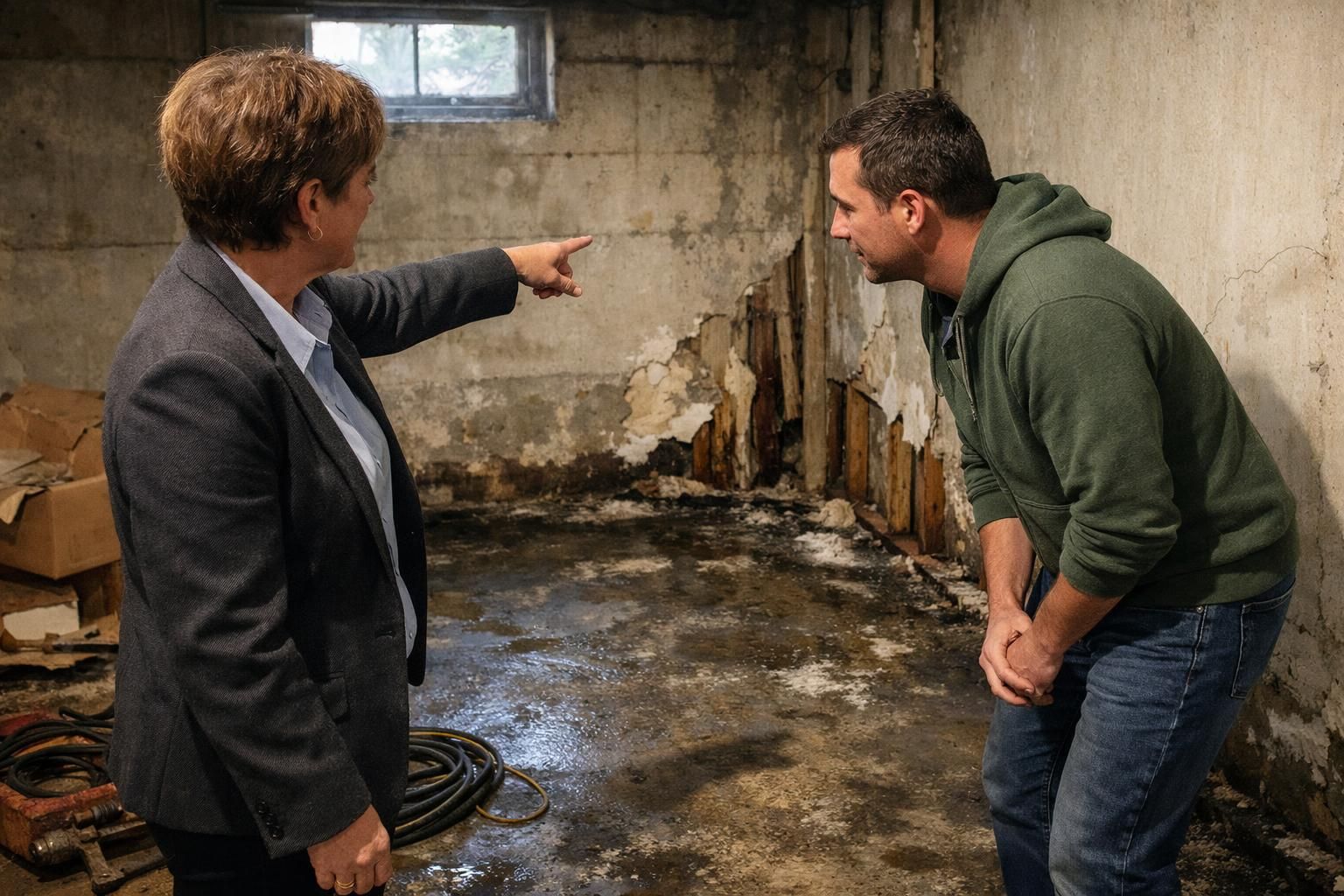
Federal law requires you to disclose known flood damage or water issues when selling your property. Real estate agents and home inspectors use these rules to protect both buyers and sellers during the sales process.
Legal obligations for disclosing flood damage
You must disclose all known flood damage and material defects before selling your Washington home. While no single federal law mandates sharing past flood risk, you are required to report known problems — such as mold growth, electrical issues, or property restoration from flooding — that affect value or safety.
Washington goes further than federal minimums. Under state law, sellers must complete a Seller Disclosure Statement (commonly called Form 17) before a purchase and sale agreement is signed. This form includes specific questions about flooding, standing water, drainage problems, and moisture intrusion. Buyers have a three-business-day right to rescind after receiving Form 17. 1
Insurance claims history also appears in CLUE (Comprehensive Loss Underwriting Exchange) reports, which buyers can access during the sale. Hiding water damage often leads to lawsuits or fraud claims after closing. Full disclosure is your best legal protection.
Difference between material defects and known issues
Material defects affect the property's safety or value — things like mold, structural damage, electrical problems, and water intrusion damage. Under Washington's disclosure law, these must be listed on Form 17 along with details about any repairs made.
Known issues cover all conditions you are aware of, even those that have been fixed. If your home had past floodwater intrusion but was repaired through insurance funds and professional mold remediation, this still qualifies as a known issue requiring disclosure. You must report both unrepaired material defects and prior flooding incidents — full transparency protects against post-sale lawsuits and builds buyer confidence.
Consequences of non-disclosure
Failing to disclose flood damage in Washington can result in serious legal consequences. Buyers may sue for fraud or misrepresentation, and Washington courts generally allow claims to be filed within three years of discovering an undisclosed defect. Courts often rule against sellers who hide material defects such as recurring mold, electrical problems, or prior insurance claims.
Insurance records and CLUE reports can expose hidden flood history during a buyer's due diligence. Undisclosed damage not only risks post-sale litigation but can also trigger financial penalties exceeding your home's original sale price. Properties with repeated flooding may become difficult or impossible to insure, making future resale harder. Real estate attorneys in Seattle and Tacoma consistently advise full disclosure — over-disclosure provides far more legal protection than under-disclosure ever could.
Washington State Flood Disclosure Rules
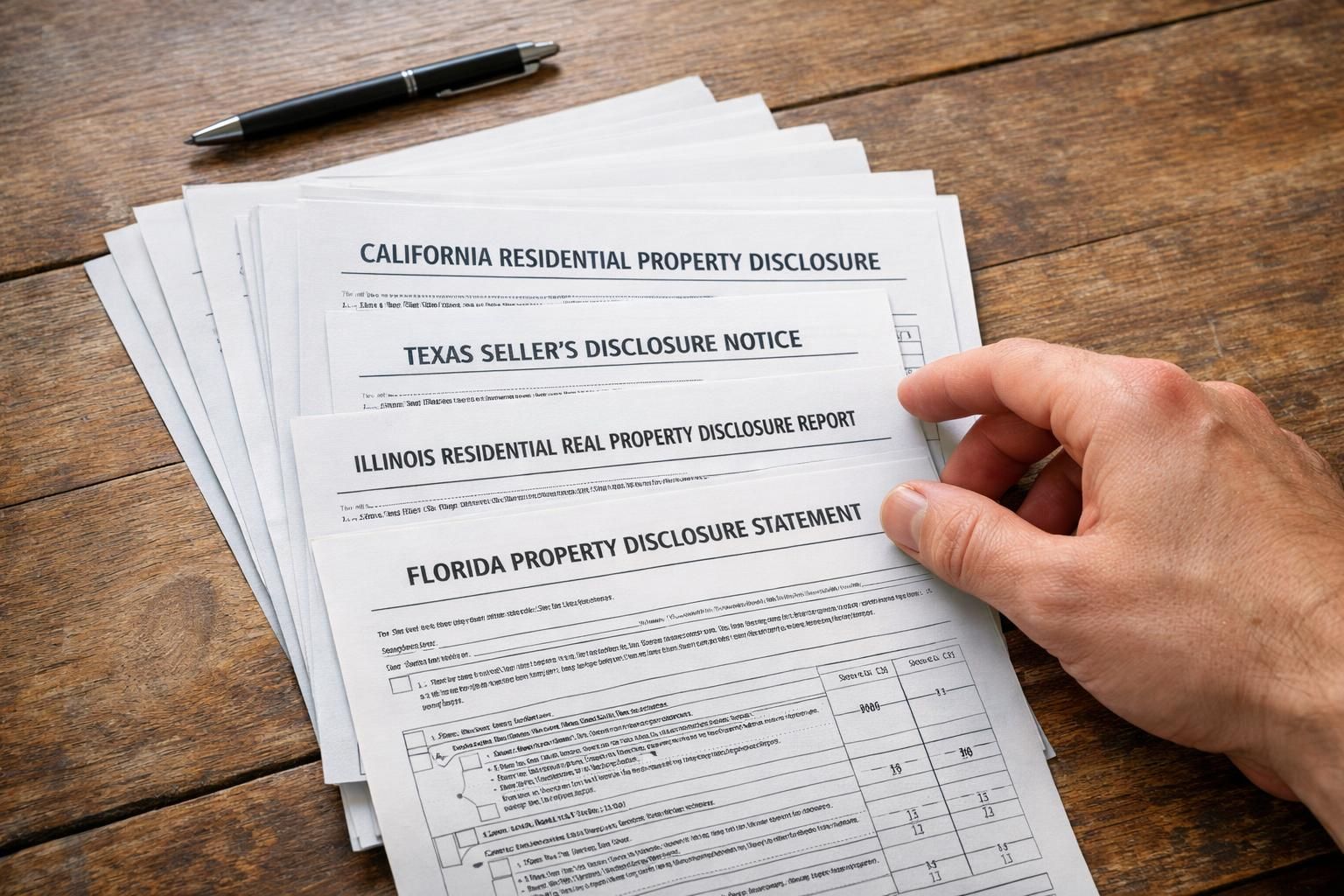
Washington has specific disclosure requirements that go beyond general property condition statements. Understanding these rules helps you avoid legal risk and keep your sale on track.
Washington's Seller Disclosure Statement (Form 17)
Washington's Seller Disclosure Statement requires you to answer specific questions about your property's water and flood history, including:
- Whether the property has experienced flooding, standing water, or drainage problems
- Any moisture or water damage to the structure, including the basement or crawlspace
- Whether the property is located in a FEMA-designated flood zone
- Any past insurance claims related to water or flood damage
- Whether mold has been present and what remediation steps were taken
Buyers receive Form 17 before signing a purchase and sale agreement and have a three-business-day window to rescind their offer after receipt. Sellers who fail to deliver the form, or who knowingly provide false information, face potential liability for damages, rescission of the sale, and legal fees.
High-risk flood zones in Washington
Washington has significant flood risk across the state — from low-lying areas around Puget Sound and the Green River Valley near Seattle and Tacoma, to river corridors in Olympia, Yakima, and Spokane. If your property sits in a FEMA Special Flood Hazard Area (Zone A or AE), lenders with a mortgage on the property require flood insurance as a condition of financing.
In these high-risk zones, buyers and investors will scrutinize repair records, mold remediation documentation, and elevation certificates before making offers. As climate-related flooding increases across western Washington, disclosure requirements have tightened statewide. 4 Keeping thorough records is essential to a smooth sale in any flood-prone area.
Insurance Claims and Documentation

Insurance claims can affect your selling timeline, so gathering home insurance records, property restoration invoices, and mold remediation reports helps buyers feel confident in the transaction.
Impact of insurance claims on the sale timeline
Filing insurance claims for flood damage can affect how quickly you close. Buyers and lenders often ask for details about open or settled claims before finalizing a deal. Cash buyers typically close in one to four weeks, while traditional financed sales take three to six months.
If you have an open claim, you must disclose its status and payout amounts to all parties. Buyers may request CLUE reports showing your home's full insurance claim history. Unsettled claims can delay closing if buyers require additional adjuster reports or proof of completed property restoration. You can assign claim rights to the buyer or adjust your sale price to reflect unpaid settlement amounts.
Documentation buyers will request
Selling a flood-damaged home in Washington requires clear documentation. Buyers expect thorough records to protect their investment and move the transaction forward efficiently.
- Photos and videos of water damage and completed repairs, showing the extent of the flooding and restoration work
- Written estimates and invoices from licensed Washington contractors or restoration companies
- Insurance claim documentation — settlement statements, adjuster reports, and correspondence with your insurer
- Mold remediation records from certified professionals, including any clearance testing results
- Foundation and structural repair invoices addressing material defects
- FEMA flood zone maps and your property's flood zone designation
- Proof of current flood insurance, especially if the home is in a Special Flood Hazard Area
- Professional inspection reports and engineer certifications where structural issues were involved
- CLUE reports covering your property's insurance history over the past seven years
- Warranties on recent repairs or upgrades, such as replaced insulation or new drywall
- Your completed Washington Seller Disclosure Statement (Form 17)
Preparing these documents upfront prevents delays, builds buyer trust, and strengthens your negotiating position even in a challenging market.
Selling Options: Pros and Cons

Traditional sale (repairs needed, longer timeline)
A traditional sale after flood damage means completing repairs and accepting a longer timeline — typically three to six months to close. Mortgage lenders, including FHA and VA loan providers, generally require all material defects to be resolved before closing. This includes structural issues, electrical problems, and mold remediation.
Repair costs can range from a few thousand dollars for minor damage to tens of thousands for major property restoration. Holding costs — mortgage payments, Washington property taxes, utilities, and insurance — continue accumulating throughout. If the local market in your area is strong, completing key repairs may boost your net proceeds enough to justify the investment.
Selling as-is to retail buyers (lower offers, potential deal failures)
Selling as-is after flood damage typically attracts lower offers. Retail buyers factor in repair costs, mold remediation risk, and flood history when making offers, and many lenders refuse to finance homes with unresolved material defects. Under Washington law, you must still complete Form 17 and disclose all known issues — even in an as-is sale.
Deals can fall through if appraisers flag major restoration needs or if buyers have difficulty securing financing. In severely damaged cases, offers may approach land value rather than market value, especially in high-risk flood zones along the Green River or other western Washington waterways.
Selling to cash buyers (fast closing, no repairs needed)
Selling directly to a cash buyer — such as a real estate investor or house flipper — is often the fastest path forward after flood damage. 6 Cash buyers typically close in 7 to 21 days with no repairs, cleaning, or staging required. This makes the option appealing for Washington homeowners dealing with urgent situations.
Cash buyers generally offer 50%–70% of the After Repair Value based on the property's condition, location, and resale potential. You gain speed and certainty in exchange for a lower sale price. Always verify a buyer's proof of funds and review references before signing. Watch for vague contracts or high-pressure tactics — red flags that may signal an unreliable buyer.
Pricing Expectations

How flood damage affects market value in Washington
Flood damage hurts property value immediately. Homes with a history of water damage or repeated flooding typically sell for 15%–25% less than comparable undamaged properties. Buyers worry about repair costs, mold remediation, and future insurance expense. 7
Washington's disclosure requirements mean flood history becomes part of the public record of the sale, which can suppress offers further. In extreme cases — particularly along river corridors or low-lying coastal areas near Tacoma or Olympia — land value may exceed the value of the structure itself after catastrophic flooding.
Key factors affecting your sale price
- Extent of damage: Cosmetic water damage costs far less to remediate than structural problems. Mold remediation can run $2,000–$30,000; foundation repairs can exceed $50,000 if the structure shifted.
- FEMA flood zone designation: Properties in Special Flood Hazard Areas (Zones A or AE) require flood insurance for mortgaged buyers and typically attract lower offers and fewer qualified buyers.
- Quality of repairs: High-quality, professionally documented repairs boost buyer confidence and property value. Repair warranties and licensed contractor invoices support stronger offers.
- Local market conditions: In competitive Seattle and Bellevue markets, demand can partially offset flood damage discounts. In slower markets, damage has a more dramatic effect on pricing.
- Investor pricing method: Cash buyers calculate After Repair Value, then subtract repair costs and their profit margin. This produces lower offers but near-certain closings.
- Repeated flood history: Multiple flooding events reduce buyer interest even after restoration, due to ongoing risk concerns — especially relevant given Washington's increasing weather severity.
Practical Steps to Prepare for Sale
Independent damage assessment
A professional inspection gives you a clear picture of your home's flood damage. Most Washington inspectors charge $300–$500 for a full assessment, which can reveal hidden issues like mold or electrical problems. Mold can begin growing within 24–48 hours after flooding, so early action matters.
If flooding affected your foundation or structure, a licensed structural engineer may be needed. Inspection reports support your Form 17 disclosure, help establish accurate pricing, and reassure buyers that damage was professionally evaluated and addressed.
Gathering flood documentation and repair records
Take clear photos and videos of all flood-affected areas, including any repair or mold remediation work completed afterward. Keep insurance settlement statements, adjuster reports, denied claims, appeals, and all insurer correspondence. Collect invoices for foundation work, electrical repairs, and property restoration services.
Organize documents chronologically so buyers, real estate agents, and investors can review them easily. Store inspection reports and warranties in one place. Buyers will check CLUE reports that track your property's insurance claim history — having your own records ready speeds up negotiations and prevents surprises.
Identifying your property's flood zone designation
Visit FEMA's Flood Map Service Center online and enter your Washington property address to view your official flood zone designation. Zone A or AE indicates high risk — at least a 1% annual chance of flooding. Zone X means moderate to low risk.
Your designation affects whether lenders require flood insurance and how buyers perceive your property. Washington's Form 17 asks whether your property is in a flood zone, so knowing your designation before listing is essential. Many buyers in western Washington ask for copies of current insurance policies and claim history before submitting offers.
Washington Tax Considerations When Selling
Washington does not have a state income tax, but sellers should be aware of a few tax-related factors when selling a flood-damaged home:
- Real Estate Excise Tax (REET): Washington imposes a graduated real estate excise tax on the sale of real property. Rates vary based on the sale price, and the tax is typically paid by the seller at closing. For most residential sales, combined state and local REET ranges from about 1.1% to 3% of the sale price depending on the final amount.
- Federal capital gains: If your flood-damaged home is your primary residence and you've lived there at least two of the past five years, you may exclude up to $250,000 (single) or $500,000 (married filing jointly) of capital gains from federal tax. Insurance proceeds received for property damage are generally not treated as taxable income but may affect your cost basis — consult a tax professional for your specific situation.
- Casualty loss deductions: Under current federal tax law, casualty loss deductions for personal-use property are generally only available if your loss occurred in a federally declared disaster area. Check whether your area has received a federal disaster declaration, as this may affect your tax position.
Conclusion
Selling a flood-damaged home in Washington comes with clear legal obligations but also real options. Start by completing Washington's Seller Disclosure Statement (Form 17) accurately and gathering thorough documentation of all damage and repairs. Whether you choose a traditional sale, an as-is listing, or a direct cash sale, honest disclosure protects your interests and keeps you out of legal trouble.
Repair costs, your selling timeline, and local property values will guide your decision. The Seattle, Tacoma, and broader Puget Sound markets see regular buyer demand even for distressed properties — but buyers expect full transparency when flood history is involved.
If you need to sell a flood-damaged home quickly without making repairs, KDS Homebuyers buys houses directly from Washington homeowners for cash — as-is, no repairs needed, and on your timeline. Visit kdshomebuyers.net to request a free, no-obligation cash offer today.
FAQs
1. What must I disclose about flood damage when selling a home in Washington?
Washington law requires you to complete a Seller Disclosure Statement (Form 17) that includes specific questions about flooding, drainage problems, water damage, and whether the property is in a FEMA flood zone. You must disclose all known issues, including those that have been repaired.
2. Can I sell a flood-damaged house as-is in Washington?
Yes. You can sell as-is to real estate investors or cash buyers who purchase homes needing repairs. You still must complete Form 17 and disclose all known flood damage history under Washington law.
3. Should I get a professional inspection before listing?
A professional inspection helps identify hidden water damage and other issues. The report supports your Form 17 disclosure, helps set a fair price, and builds buyer confidence in the property's condition.
4. How do insurance claims affect my selling timeline in Washington?
Open or unsettled insurance claims can delay closing because buyers and lenders want documentation of all claim statuses. Cash buyers are generally less affected by this than buyers using traditional financing.
5. Will making repairs increase my sale price after flood damage?
Completing key repairs — especially mold remediation and structural fixes — typically improves buyer interest and can lead to stronger offers. However, you should weigh repair costs against the expected increase in sale price before committing to extensive restoration work.
References
- ^ https://help.firststreet.org/hc/en-us/articles/360049236793-Learn-about-flood-risk-disclosures-and-which-states-have-them
- ^ https://www.nrdc.org/resources/how-states-stack-flood-disclosure (2025-04-14)
- ^ https://pmc.ncbi.nlm.nih.gov/articles/PMC8092410/
- ^ https://www.jchs.harvard.edu/blog/more-states-requiring-landlords-disclose-flood-risk-laws-vary-nationwide (2026-02-18)
- ^ https://pmc.ncbi.nlm.nih.gov/articles/PMC10162782/
- ^ https://www.bankrate.com/real-estate/selling-your-home-for-cash/ (2025-03-19)
- ^ https://www.tandfonline.com/doi/full/10.1080/10527001.2020.1836915
