

What to Do After a House Fire: Insurance Claims, Repairs, or Selling in Colorado
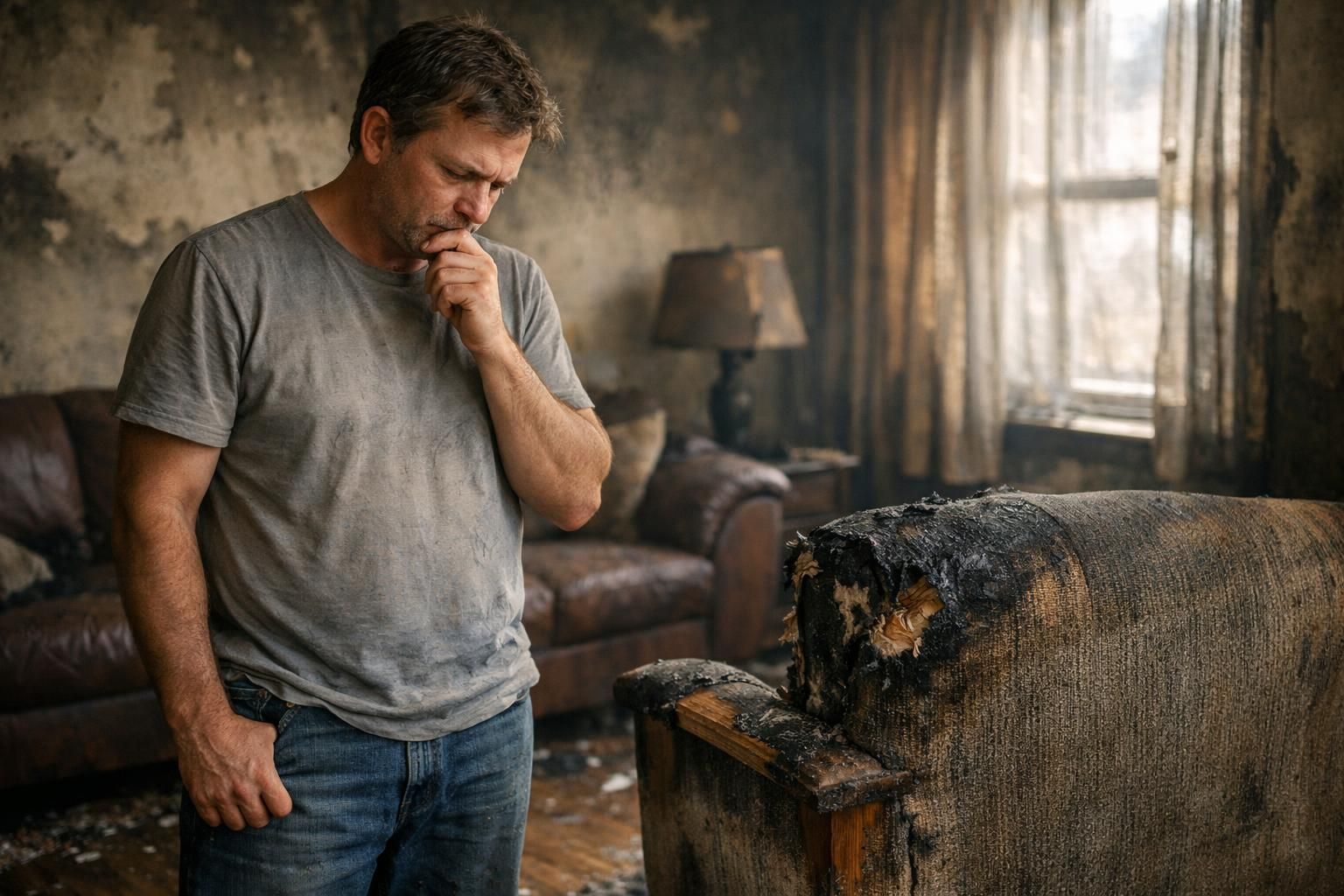
A house fire can turn your life upside down in minutes. In Colorado, where wildfire risk is high and mountain communities face unique hazards, knowing exactly what to do after a house fire can make all the difference in your recovery. This guide walks you through immediate steps—confirming safety, securing your property, contacting your insurance company, documenting damage, and connecting with support services like the Red Cross—so you can make clear decisions when it matters most.
Key Takeaways
- Wait for fire department clearance before reentering. Secure the property right away and photograph all damage before moving anything.
- File your insurance claim within 24–72 hours. Keep receipts for hotel stays or temporary housing. Average payouts were around $77,000 in 2023—often less than full rebuilding costs in Colorado's high-cost market.
- Mortgage payments continue even if your home is unlivable. Most Colorado homes are underinsured by about 22%, especially after rebuild costs spiked following events like the 2021 Marshall Fire.
- Fire-damaged homes typically lose 30–50% of market value. Cash buyers can close quickly on as-is properties, but traditional financing is difficult on damaged homes.
- Use disaster relief organizations like the Red Cross or Salvation Army for shelter, food, and emotional support. Keep your official fire report handy for insurance and any future sale.
Contact the fire department for clearance to enter
Never reenter your home until the fire department confirms it is structurally safe. Colorado firefighters will check for ongoing hazards including toxic fumes, compromised floors, gas leaks, and carbon monoxide. Do not attempt to restore gas, electricity, or heating until crews give the all-clear.
Call your local fire department immediately after evacuation. In the Denver metro area, contact Denver Fire Department or your local jurisdiction. Their clearance protects you from hidden dangers and is required before you begin documenting damage for your insurance claim.
Secure the property to prevent further damage
Board up broken windows, lock all doors, and place tarps over damaged roof sections to block Colorado's unpredictable weather—including late-season snowstorms that can worsen fire damage quickly. Contact a fire damage restoration company for professional site securing if needed.
Notify your insurance agent immediately about every step you take. Keep a photo record as you secure the area to support your claim. If utilities were not shut off by emergency crews, contact Xcel Energy or your local utility provider before reentering due to electrical and gas hazards.
Document everything with photos or videos before moving anything
Walk through every room with your phone camera running before touching, cleaning, or discarding anything. Capture soot on walls, burned appliances, smoke alarm damage, broken windows, and all personal belongings affected by fire or smoke.
Create a written inventory alongside your photos. Most Colorado insurers want documentation within 24–72 hours. Save copies to cloud storage and email in case devices are later damaged by water from firefighting efforts. Strong documentation can speed up claim payments and protect you if coverage disputes arise.
Contact your insurance company immediately
Call your insurer as soon as the fire department gives clearance. Provide the date, time, address, and your policy number. Request a copy of the official fire report from your local fire authority—this document is required by most Colorado insurers to begin the claim review.
Provide photo and video evidence of all damage before anything is disturbed. Keep all receipts for temporary housing, since Colorado homeowners' policies typically include Additional Living Expenses (ALE) coverage. Notify your mortgage lender right away to prevent loan complications during repairs.
Arrange temporary housing and notify your mortgage lender and utilities
Reach out to the American Red Cross Rocky Mountain Region or the Salvation Army for immediate shelter, food, clothing, and emotional support. Keep every receipt for hotels or short-term rentals—these expenses are usually covered under your ALE benefit.
Contact your mortgage servicer immediately to ask about payment options or forbearance. Mortgage payments do not automatically stop due to fire damage. Notify Xcel Energy, Black Hills Energy, or your local water and gas providers to report the incident and suspend unsafe service connections in the damaged structure.
Understanding Fire Damage Levels
Fire damage in Colorado can range from light smoke stains to a complete rebuild scenario. Knowing the level of damage helps you choose the right path—restoration, insurance claim, or sale.
Minor damage: Smoke and soot issues
Smoke and soot penetrate deeply into walls, ceilings, carpets, and ductwork. Toxic fumes can linger for weeks. Water damage from firefighting hoses often spreads soot further, and Colorado's dry climate can accelerate mold growth once moisture is trapped under soot layers.
Professional smoke odor removal typically costs between $2,000 and $15,000 depending on home size. Specialists use ozone generators or thermal foggers for thorough treatment. Document all visible smoke damage with photos before any cleanup—your insurer needs this evidence. Following the 2021 Marshall Fire in Boulder County, many homeowners discovered that acting quickly on smoke damage prevented permanent staining and long-term air quality problems.
Moderate damage: Repairable structural damage
Moderate fire damage may leave weakened walls, ceilings, or structural framing that still allows for repair. Restoration at this level typically takes six to twelve months. Average insurance claims for moderate fire losses were $77,000 in 2023—often not enough to cover Colorado's elevated labor and materials costs.
Hire licensed Colorado contractors and electricians to address hidden hazards including faulty wiring and chemical residues. Be prepared for your insurer to dispute portions of your claim. Homes with moderate fire damage typically sell for 30–50% below market value if you choose to sell instead of rebuild.
Severe damage: Total loss requiring rebuild
A total loss requires a full rebuild and close coordination with your insurance adjuster. Colorado's building codes now mandate hardwired smoke alarms, improved egress windows, and fire-resistant construction materials—particularly important in wildland-urban interface (WUI) zones across the Front Range and mountain communities.
You will need to obtain permits from your local municipality or county building department before any reconstruction begins. In cities like Colorado Springs or Denver, permit timelines can add weeks to your recovery. Consider consulting a public adjuster if your insurer's settlement offer seems inadequate for Colorado rebuilding costs.
Navigating the Insurance Claims Process
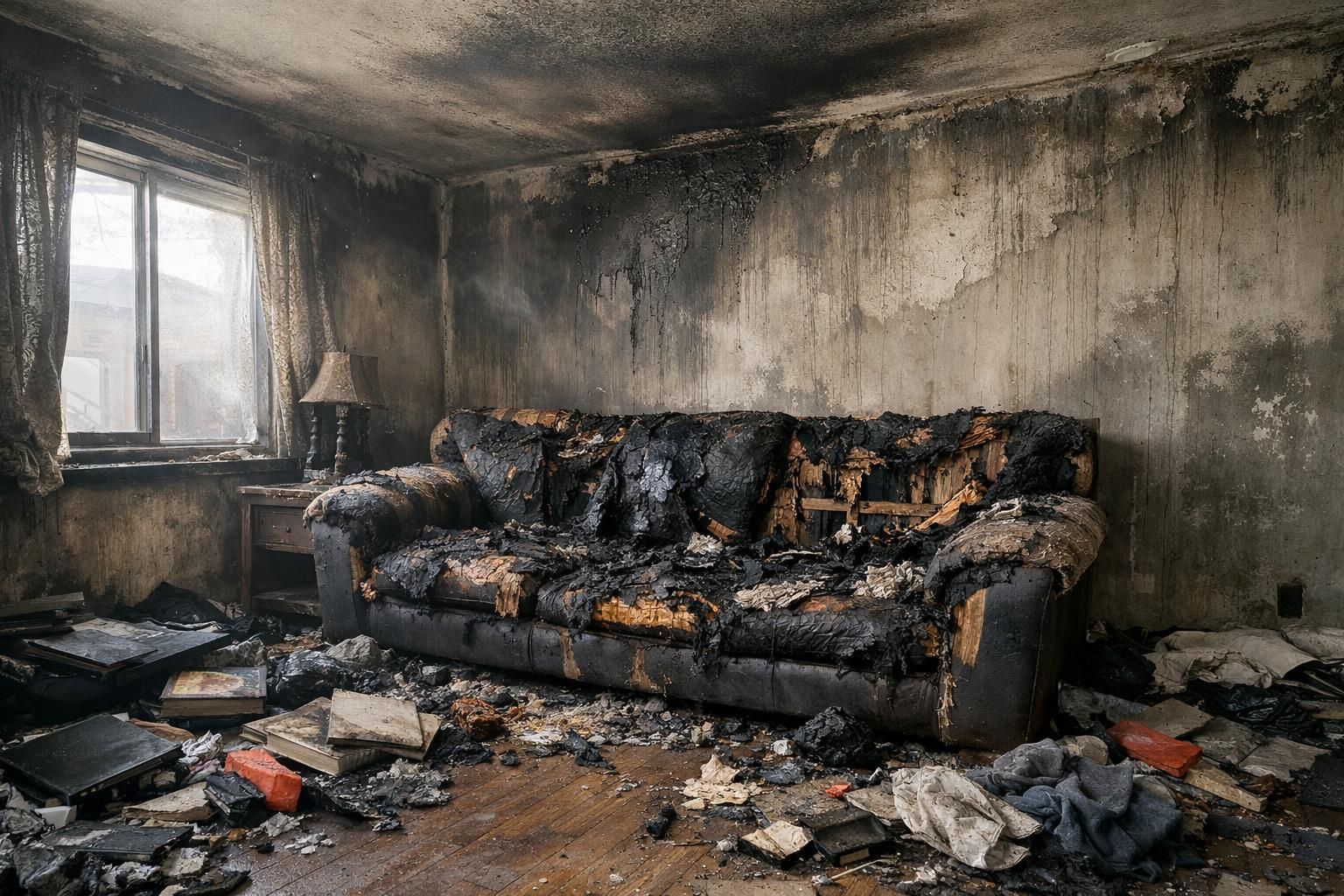
File the claim within 24–72 hours
Contact your insurance agent immediately and file within 24–72 hours of the fire. Photograph and video all damage before anything is moved. Request a list of approved fire damage restoration contractors from your insurer. Document every damaged item for both structure and contents coverage, and keep receipts for all cleanup expenses and temporary housing.
Notify your mortgage lender as soon as possible—they have a financial interest in your property and will need to be informed of any major damage or repair decisions.
Document losses: Contents vs. structure
Separate your documentation into two categories: personal contents (furniture, clothing, electronics, appliances) and structural damage (walls, floors, ceilings, roofing). Include purchase receipts or model numbers where possible. This separation strengthens your claim and helps your adjuster process both Actual Cash Value (ACV) and replacement cost components accurately.
Understand Actual Cash Value vs. Replacement Cost
ACV coverage pays the depreciated value of damaged property—so a ten-year-old furnace destroyed in a fire would only pay out its current used value, not what a new one costs. Replacement Cost coverage pays the full cost to replace items with new equivalents. Given Colorado's high construction costs, replacement cost coverage is significantly more valuable and worth confirming before a claim arises.
Many Colorado homeowners discovered after the Marshall Fire that their coverage limits fell well short of actual rebuild costs, which had surged due to supply chain issues and contractor demand.
Typical claim timeline and common denial reasons
File immediately, then expect a 30–60 day assessment period. Most straightforward claims resolve within 60–90 days with thorough documentation. Common denial reasons in Colorado include inadequate coverage limits, smoke damage disputes, lack of code upgrade endorsements, and policies that exclude certain wildfire-related losses. Always review your policy carefully and keep your official fire report accessible throughout the process.
Repair and Rebuild Considerations
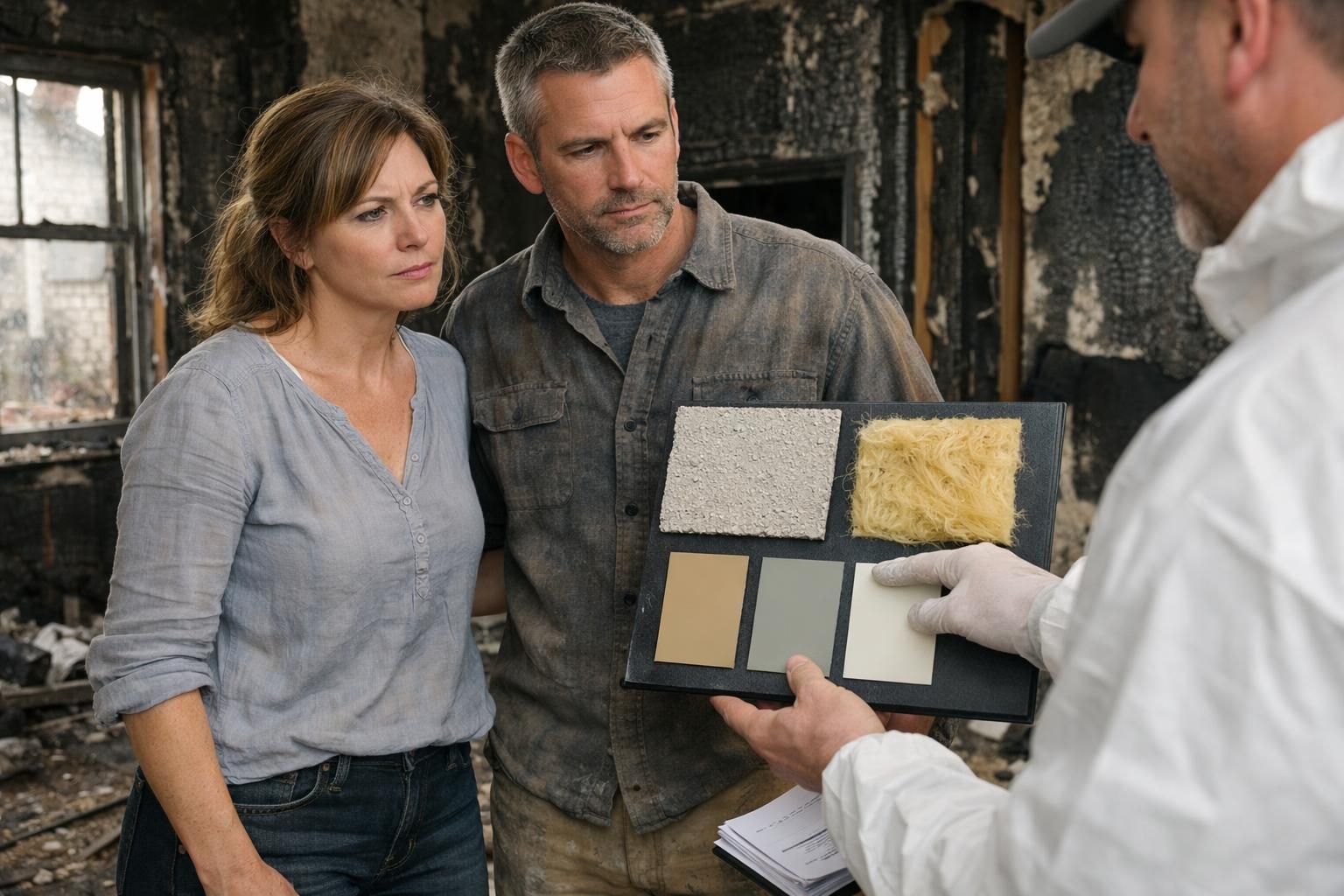
Obtain contractor estimates and understand timeline realities
Get at least three written estimates from licensed Colorado contractors. Insurance agents require detailed breakdowns before approving funds. Rebuild timelines depend on debris removal, local permit approval, inspector availability, and contractor schedules. In high-demand areas like the Denver metro or mountain communities, busy seasons and disaster events can extend timelines significantly—plan for several months of work for extensive repairs.
Insurance-approved vs. independent contractors
Insurance-approved contractors understand Colorado claims paperwork and can streamline the process. Independent contractors may offer competitive pricing but may lack experience with insurer requirements. Always get written estimates from both, verify Colorado contractor licensing through the Department of Regulatory Agencies (DORA), and confirm whether local building permits are required before any major work begins.
Address hidden damage, smoke odor, and permit requirements
Hidden fire damage—weakened beams, compromised insulation, water intrusion—can hide behind walls and under floors. Smoke odor treatment typically costs $2,000–$15,000. Colorado building codes require permits for any significant structural repair or rebuild, and your insurer may require a code upgrade endorsement to cover the added cost of meeting current standards. Delays in permit approval can significantly extend your recovery timeline and increase costs.
Financial Realities of Recovery
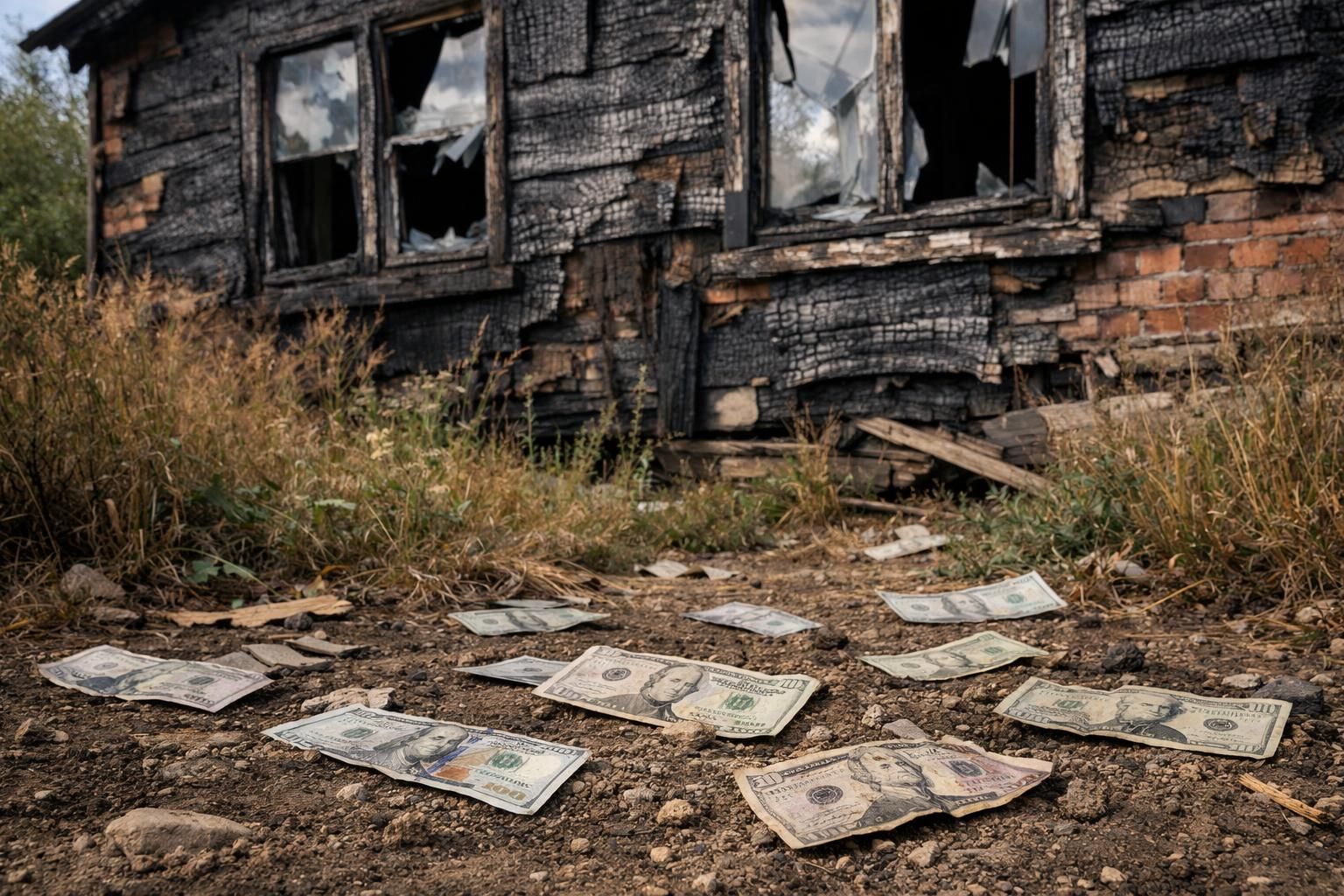
Out-of-pocket costs and continuing mortgage payments
Your mortgage does not pause after a fire. Colorado lenders generally do not offer automatic disaster forbearance, so contact your servicer immediately to explore options. Property taxes continue to accrue as well. Many Colorado homeowners also face contractor down payments of 30–50% before work begins, and ALE benefits have limits—if temporary housing extends beyond your policy's coverage period, those costs come out of pocket.
Fire-damaged homes can sell for up to 50% less than undamaged comparables, which may not fully satisfy your outstanding mortgage balance.
Impact on property value and tax implications
Fire damage typically reduces Colorado property values by 30–50%. You are legally required under Colorado real estate disclosure law to inform buyers of any known fire or smoke damage history, which affects both buyer interest and financing options.
Colorado homeowners may qualify for a property tax reassessment after major damage—contact your county assessor's office to request a review. You may also be eligible for a federal casualty loss deduction if the fire occurred in a federally declared disaster area; consult a Colorado tax professional to evaluate your eligibility under current IRS rules.
Alternatives to Rebuilding
When selling makes more sense than rebuilding
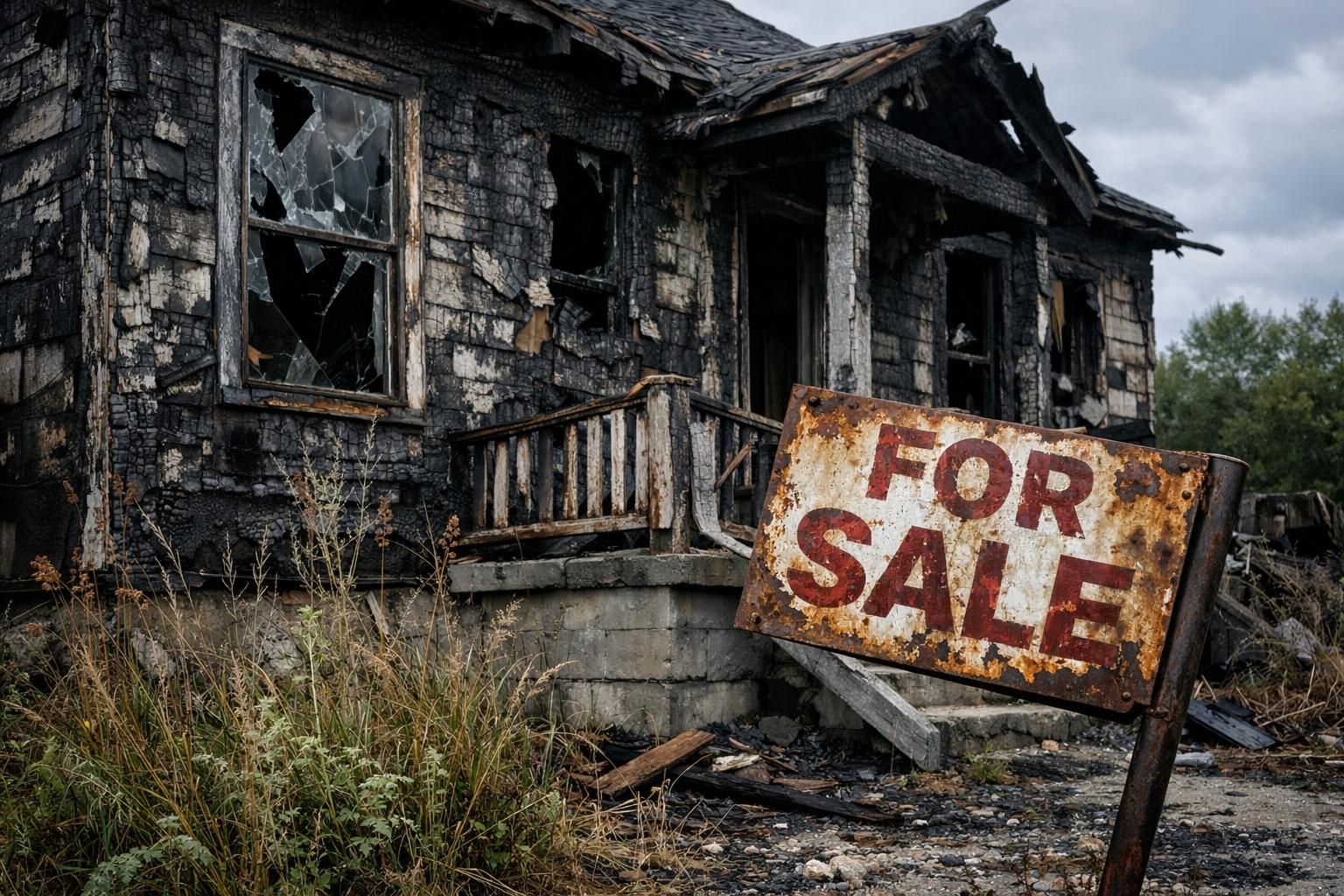
High rebuild costs, ongoing mortgage payments, low insurance payouts, and emotional trauma can all make selling the more practical choice. Colorado's construction costs have risen sharply in recent years, making full rebuilds especially expensive in the Denver metro, Colorado Springs, and mountain corridor communities. Selling frees you from navigating permits, contractor delays, and drawn-out insurance disputes—and lets you use proceeds to move forward sooner.
As-is sales vs. traditional listings
Selling as-is to a cash buyer allows you to skip costly repairs and close quickly. Traditional lenders typically will not finance homes with significant fire or smoke damage, so cash buyers are usually the most realistic option for fire-damaged properties. Expect offers 30–50% below market value, but weigh that against months of repair costs, permit delays, and the emotional toll of a lengthy rebuild.
Traditional listings require full disclosure of fire history under Colorado real estate law, extensive repairs, and staging—all of which take time and money. If you go that route, document every repair thoroughly for both your insurer and prospective buyers.
Considerations for selling a damaged property in Colorado
Colorado's seller disclosure requirements mean you must fully disclose all known fire and smoke damage. Buyers will request the fire report and documentation of any soot removal or structural repairs. Set realistic price expectations—insurance proceeds from the sale may help you purchase a new home faster than waiting through a lengthy rebuild. Weigh repair costs against likely market value, particularly if smoke odor or structural issues remain after cleanup.
Conclusion: Creating a Decision Framework
After a house fire in Colorado, your path forward depends on the extent of the damage, your insurance coverage, your financial situation, and your long-term goals. Ask yourself:
- Is the damage minor, moderate, or a total loss?
- Does my insurance coverage come close to actual Colorado rebuild costs?
- Can I afford out-of-pocket costs while continuing mortgage payments?
- Does rebuilding make sense given the property's location and my future plans?
- Would selling as-is let me move forward faster and with less stress?
Connect with the American Red Cross Rocky Mountain Region or the Salvation Army for immediate support. Work closely with your insurance agent, a licensed Colorado contractor, and a tax professional to understand all your options. Keep every receipt, every photo, and your official fire report organized throughout the process.
FAQs
1. What should I do first after a house fire in Colorado?
Leave immediately and call 911. Wait for fire department clearance before reentering. Contact your insurance agent and request an official fire report from your local fire authority, which you will need for your claim and for any future sale.
2. How do I handle smoke damage and soot removal?
Hire a licensed fire damage restoration professional. Soot and toxic residues pose serious health risks and require specialized equipment to remove safely. Document all damage with photos before any cleaning begins.
3. Where can Colorado residents find temporary housing after a fire?
Contact the American Red Cross Rocky Mountain Region or the Salvation Army for emergency shelter, food, and clothing. Your homeowners insurance ALE benefit may also cover hotel or rental costs—keep all receipts.
4. Do I still owe mortgage payments after a fire damages my Colorado home?
Yes. Colorado lenders do not automatically pause payments after a disaster. Contact your mortgage servicer immediately to discuss forbearance or hardship options while your claim is processed.
5. Should I repair or sell my fire-damaged Colorado home?
It depends on the damage level, your insurance coverage, and your financial situation. If rebuild costs exceed your payout or the emotional and financial burden is too great, selling as-is to a cash buyer may be the faster, less stressful path forward.
If you're facing the aftermath of a house fire in Colorado and need to move on quickly, KDS Homebuyers can help. We buy fire-damaged homes as-is, anywhere in Colorado—no repairs, no lengthy listings, no stress. Visit kdshomebuyers.net to request your free cash offer today and take the first step toward a fresh start.
