

What to Do After a Flood or Tornado Damages Your Home in Colorado
Seeing your home after a flood or tornado can leave you feeling overwhelmed and unsure where to start. Colorado faces real risks from flash floods along the Front Range, severe hailstorms, and tornadoes on the Eastern Plains — all capable of devastating a home's structure and contents. This guide walks you through urgent safety steps, dealing with insurance, cleanup tips, and ways to protect your family from hazards like contaminated water or live power lines. You have options — discover them here. 1 2 3
Key Takeaways
- Wait for official clearance from Colorado emergency services before entering your damaged home. Hazards like contaminated water, downed power lines, and gas leaks can be deadly within the first 24–48 hours after a flood or tornado (FEMA.gov).
- Document all damage with high-resolution photos and videos to support your insurance claim. Insurers denied nearly half of storm claims in 2023 because of missing records — keep everything saved on secure drives or cloud storage.
- Contact your insurance company right away and know what coverage you have. Standard homeowners insurance covers tornadoes but not floods; only National Flood Insurance Program (NFIP) policies pay for floodwater damage. Claims processing can take 30–60 days, sometimes longer after major Colorado disasters.
- Use reliable, Colorado-licensed contractors for repairs, get at least three bids with detailed contracts, and do not start permanent repairs until an adjuster inspects the property. Mold grows within 24–48 hours after flooding; average remediation costs range from $500 to $6,000 while structural repairs can reach up to $80,000. 7
- If insurance does not cover all costs — including temporary housing ($1,500–$3,000 per month) — explore FEMA grants (average $5K–$10K), SBA disaster loans (up to $200K), or selling as-is to cash buyers who can close in as little as 7–14 days. 8
Acknowledge the emotional toll of returning to a damaged home.
You may feel overwhelmed and emotionally drained as you walk through a home damaged by flood or tornado. Disaster fatigue is real, especially when repairs drag on for months — as many Colorado homeowners discovered after the 2013 Front Range floods and subsequent storm seasons.
Displacement and reconstruction can last 6 to 12 months for severe property damage. Support is available from organizations like the American Red Cross Rocky Mountain Region and FEMA.gov. Connecting with others who have faced similar losses can make the long process of disaster recovery less isolating.
Immediate Safety Steps (First 24–48 Hours)

Your safety is the top priority after a disaster. Use protective clothing, an emergency kit, and a battery-powered radio or NOAA Weather Radio to stay aware of ongoing hazards like fast-moving floodwater common in Colorado's mountain canyons and creek corridors.
Do not enter the property until cleared by authorities.
Wait for official clearance from emergency services before stepping into your home. 1 Colorado State Patrol, local fire departments, and county emergency managers — such as those in Jefferson County or El Paso County — often need 24 to 48 hours to assess structural damage, downed power lines, gas leaks, and contaminated water. Xcel Energy and Black Hills Energy serve much of the state and have protocols for shutting off utilities in disaster zones; do not assume power is off until confirmed.
Stay tuned to Colorado's Emergency Alert System, NOAA Weather Radio, and local news outlets for accurate return timelines. Entering before you get the all-clear can expose you to carbon monoxide, electrical hazards, and unstable structures.
Document all damage with photos and videos.
Take high-resolution photos and videos of every room, including damaged furniture, broken appliances, and structural damage. Capture close-up shots of water marks, mold growth, and damaged systems like HVAC units. List serial numbers and purchase dates for major appliances when possible.
Save all documentation to a secure cloud service or external drive. Insurers denied nearly half of storm claims in 2023 due to missing records. Detailed evidence supports both your homeowners and flood insurance claims, and is also required for FEMA or SBA disaster assistance applications in Colorado's federally declared disaster areas.
Contact your insurance company immediately.
Call your insurance company as soon as you are safe. Provide photos and videos of all property damage. Keep receipts for any emergency housing or temporary repairs. 2
Expect the claims process to take 30–60 days under normal conditions; after widespread Colorado events it may extend beyond six months. Standard homeowners policies cover tornado wind damage but not floodwater — only a separate NFIP policy covers flooding. Note that insurance proceeds may go directly to your mortgage lender first. 1 Colorado's Division of Insurance (doi.colorado.gov) can help you resolve disputes or understand your policy rights.
Secure the property to prevent further damage or theft.
Cover damaged roofs and walls with waterproof tarps to block additional water intrusion. Board up broken windows and doors with plywood. Move valuables and important documents into waterproof containers. Transfer undamaged furniture and electronics to higher ground if additional flooding is possible — a real concern along Colorado's many creek flood plains.
Alert local police that your house is uninhabitable so they can increase patrols. Save receipts and photos of every protective measure, as insurance adjusters require documentation for all property damage claims. Remove spoiled food and hazardous chemicals quickly to prevent mold growth and contamination.
Arrange temporary housing if the home is uninhabitable.
Act quickly to arrange temporary housing if your property is unsafe. FEMA and the American Red Cross Rocky Mountain Region offer emergency shelter referrals across Colorado. Average costs for short-term rentals or hotel stays range from $1,500 to $3,000 per month.
Contact your insurer about Additional Living Expenses (ALE) coverage and save all receipts for reimbursement. If you have pets, confirm pet policies ahead of time. The SBA offers disaster loans to help cover remaining shelter costs if insurance is insufficient. Use the Red Cross Safe and Well listing to keep loved ones informed.
Working with Insurance

Your insurance claims adjuster will assess property damage including roof damage and structural issues. Keep all records from your emergency cleanup efforts to support your claim. If you believe your Colorado insurer is acting in bad faith or unreasonably delaying your claim, you can file a complaint with the Colorado Division of Insurance.
Understand the claims process and timeline expectations.
Claims adjusters typically contact you within a few days of reporting damage. Processing normally takes 30 to 60 days, but major Colorado disaster declarations can stretch that timeline past six months. Mortgage lenders may require insurance payouts go directly to them while holding your loan as collateral.
Keep every receipt for repairs, supplies, and living expenses. FEMA disaster recovery grants average just $5,000 to $10,000 and cover basic needs — not full rebuilding costs. Accurate records help adjusters process claims faster and support any FEMA or SBA applications tied to a Colorado federal disaster declaration.
Avoid common pitfalls, like starting repairs before an adjuster arrives.
Starting permanent repairs before an insurance adjuster inspects your home can jeopardize your entire claim. 3 In 2023, nearly half of storm damage claims were denied by major insurers due to mistakes like this. Document all damage thoroughly before touching anything.
You may use tarps to cover roof damage or board up broken windows to prevent further loss, but do not begin permanent repairs until you receive written approval from your insurer. Keep a detailed communication log with your agent and note which emergency actions your flood insurance policy permits. 3
Know the differences between flood insurance and standard policies.
Standard homeowners insurance does not cover flood damage. Only a separate flood insurance policy — typically through the NFIP — pays for flood-related repairs. 4 Many Colorado homeowners in areas like the Cache la Poudre corridor or South Platte floodplain learn this too late.
NFIP coverage often requires a 30-day waiting period, so you cannot purchase it when a storm is imminent. Wind and hail damage from tornadoes and severe thunderstorms — common across Colorado's Front Range and Eastern Plains — is covered by standard homeowners policies. Average flood repair costs range from $7,000 to more than $50,000, climbing higher when foundations or extensive mold remediation are involved.
Repairing Your Home

Repairing your home starts with finding honest, licensed contractors and checking for mold or structural damage early.
Obtain reliable contractor estimates and beware of scams.
Scam contractors often flood disaster zones across Colorado after major weather events, targeting vulnerable homeowners. Verify that any contractor holds a valid Colorado contractor license through the Colorado Department of Regulatory Agencies (DORA) and carries proper insurance. Use the Better Business Bureau and NASCLA to check credentials. 5
Get at least three written bids using identical repair specifications. Ensure contracts outline specific work, timelines, and payment schedules tied to milestones — not large upfront cash payments. Only use contractors your insurer approves when possible. Remember that government agencies like FEMA never charge fees for disaster assistance.
Address mold remediation and structural damage concerns.
Mold grows within 24 to 48 hours after water exposure. Remediation costs range from $500 to $6,000 depending on severity. Remove wet drywall and insulation after drying out your home; discard carpets or mattresses that cannot be properly cleaned. Colorado's dry climate can sometimes mask hidden moisture in walls, so professional moisture testing is advisable. 7
Structural repairs often follow mold remediation. Foundation repair for flood damage ranges from $10,000 to $80,000 based on severity. Wear protective clothing during all disaster cleanup to guard against floodwater contamination and sharp debris. Addressing these issues quickly reduces health risks including respiratory problems linked to mold exposure. 6
Evaluate repair costs and timelines to make informed decisions.
Get several written estimates from licensed Colorado contractors before approving any repairs. Contractors in disaster zones often have waiting lists of three to six months. Flood damage repairs typically cost between $7,000 and $50,000 or more. Foundation fixes may reach $80,000 after severe flooding. Mold remediation can add another $500–$6,000.
Temporary housing during major repairs costs roughly $1,500–$3,000 per month. Insurance and FEMA assistance often leave coverage gaps you must fill with savings or SBA loans. Weigh these numbers carefully when deciding whether repairing makes sense compared to exploring options like selling as-is.
Financial Realities and Alternatives

Insurance may not cover all types of property damage after a Colorado flood or tornado. FEMA assistance and SBA disaster loans can help you handle unexpected costs beyond your policy limits — but understanding Colorado-specific tax implications matters too.
Colorado Tax Considerations After a Disaster
Colorado homeowners should be aware of several tax considerations following a major disaster. If your home is located in a federally declared disaster area, you may be able to deduct casualty losses on your federal tax return to the extent they exceed 10% of your adjusted gross income (after the $100 threshold). Colorado generally follows federal tax treatment for casualty losses, so coordinate with a Colorado tax professional.
If you sell your storm-damaged home, Colorado conforms to the federal capital gains exclusion — up to $250,000 for single filers and $500,000 for married couples filing jointly — if the home was your primary residence for at least two of the past five years. Insurance proceeds used for home restoration generally are not taxable, but proceeds exceeding your adjusted basis in the property may trigger a gain. Colorado also imposes a real estate transfer tax at the county level in some jurisdictions, so factor that into your sale calculations. Consult a Colorado CPA or tax attorney for guidance specific to your situation.
Explore options if insurance doesn't cover everything.
FEMA may provide disaster recovery grants averaging $5,000 to $10,000, covering basic needs rather than full home restoration. The SBA offers disaster loans for Colorado homeowners facing property damage that insurance did not fully address — loans can also help small business owners repair losses.
If your insurance settlement falls short and your mortgage company receives part of those proceeds first, large bills may remain. Many Colorado families combine FEMA grants, SBA loans, personal savings, and in some cases sell their homes as-is to manage overwhelming costs. Temporary housing costs of $1,500–$3,000 per month should factor into your emergency financial planning.
Consider selling as-is, FEMA assistance, or SBA disaster loans.
You can sell your Colorado home as-is to cash buyers, especially if repairs and ongoing mortgage payments are difficult to manage. These buyers often close in 7 to 14 days, helping you avoid contractor wait times and lengthy repair timelines.
You can also apply for FEMA assistance to cover immediate needs like temporary housing, or apply for SBA disaster loans of up to $200,000 for home repairs and contents replacement in designated disaster areas. Use the MySBA Loan Portal for fast application management. These options are available even when insurance does not fully cover losses from contaminated water or roof damage. 8
Options for Selling Your Flood-Damaged Home
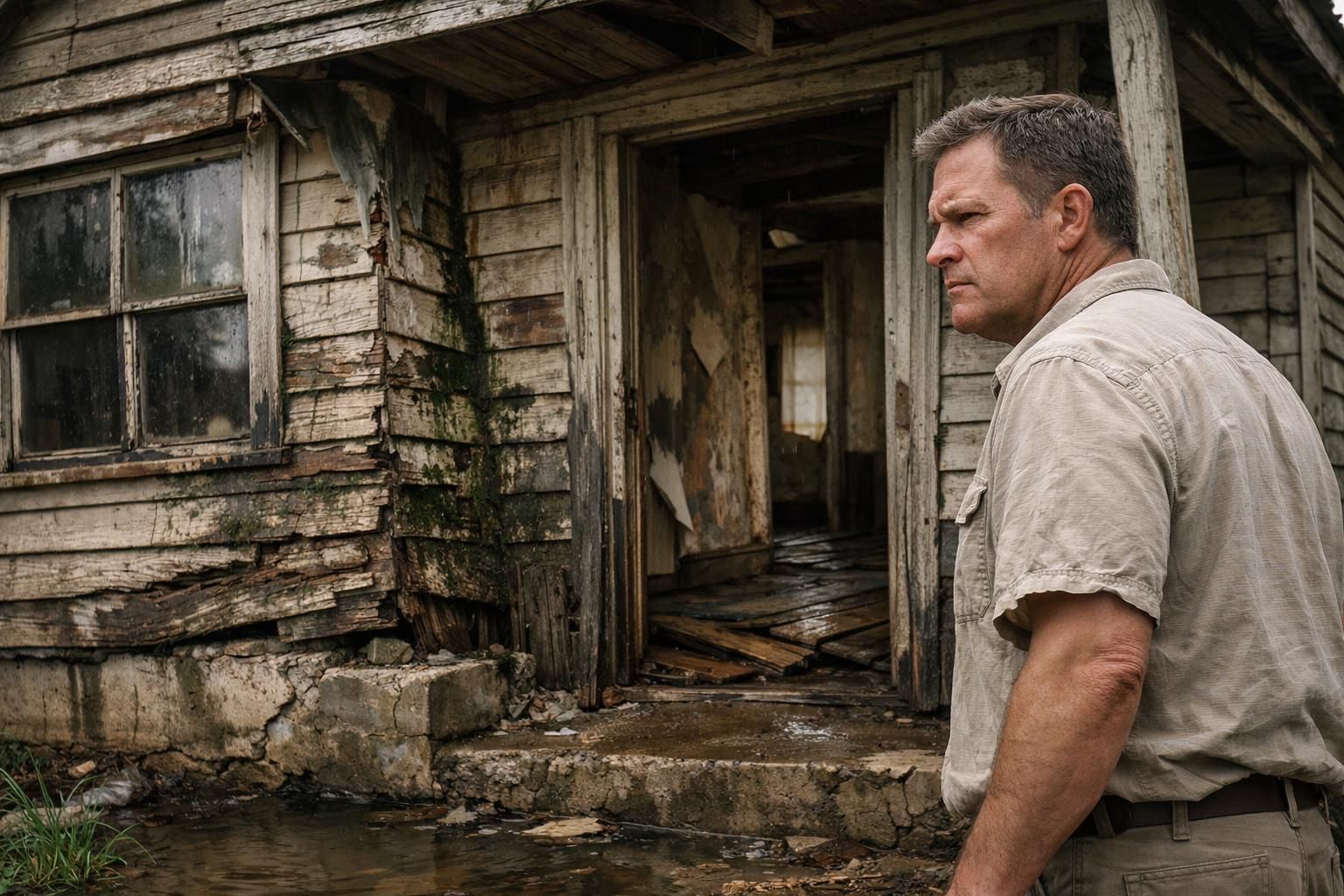
Cash buyers and investors purchase flood-damaged Colorado homes as-is, even with major mold, structural damage, or contaminated water issues. Closings often take just 7 to 14 days after reaching an agreement — far faster than the traditional listing process.
You can skip expensive repairs, contractor waitlists, and stressful disaster cleanup tasks. Colorado law requires sellers to disclose known material defects — including flood history and water damage — even in as-is transactions, so work with a Colorado real estate attorney familiar with post-disaster disclosure requirements. Proceeds from selling as-is may cover your mortgage balance and help fund relocation without the burden of carrying an uninhabitable property.
Many Colorado homeowners in Denver's metro area and along the Front Range find relief by choosing this route after tornado or flooding events rather than managing every repair detail alone.
Moving Forward
Reach out to Colorado disaster recovery centers, the American Red Cross Rocky Mountain Region, and your county's Office of Emergency Management for help. Use resources like the National Weather Service Denver/Boulder office, FEMA, and Colorado's emergency alert systems to plan your next steps with confidence.
Seek emotional and community support resources.
You do not have to cope with disaster recovery alone. The American Red Cross Rocky Mountain Region offers emotional support and counseling after property damage from floods or tornadoes. Use the Red Cross Safe and Well listing to let family know you are safe.
Local community centers across Colorado may host support groups where you connect with others facing similar challenges. The CDC shares tips for managing stress after a crisis, and local nonprofits provide access to trained counselors and mental health resources at no cost. Many people find that talking through their experiences helps them feel less overwhelmed as they tackle mold cleanup and financial decisions.
Create a clear decision timeline and know when to ask for help.
Use CDC and FEMA checklists to stay organized during disaster recovery. List key steps such as contacting your insurance company, scheduling property damage inspections, and beginning mold prevention within the first 24–48 hours. 9 Check all deadlines for submitting FEMA or SBA applications so you do not lose access to critical resources.
If overwhelmed by cleanup or financial strain, reach out to local Colorado nonprofits, use the Red Cross Resource Directory, or contact the Colorado Division of Insurance if you face claim disputes. The NWS Denver/Boulder office provides weather updates via NOAA Weather Radio. Do not hesitate to seek expert advice about mold remediation, generator safety, or structural concerns when issues fall outside your experience.
Conclusion
Help is available through Colorado's community warning systems and organizations like the American Red Cross Rocky Mountain Region. You do have options for recovery — insurance coverage, FEMA and SBA programs, community support, and the possibility of selling your home as-is if repairs feel impossible or too costly.
Consider all available solutions before making big decisions about your property's future. Get estimates from licensed Colorado contractors, review your FEMA assistance eligibility, and connect with a Colorado tax or real estate professional to understand your full picture. Recovery is possible, and you do not have to navigate it alone.
If you're ready to move forward without the burden of costly repairs, KDS Homebuyers purchases flood- and storm-damaged homes across Colorado for cash — in any condition. Visit kdshomebuyers.net to request your free, no-obligation cash offer and take the first step toward a fresh start.
FAQs
1. What is the first thing I should do after flood or tornado damage to my Colorado home?
First, check for safety hazards like downed power lines and structural damage. Use a battery-powered radio or NOAA Weather Radio to monitor the Colorado Emergency Alert System for updates from local emergency managers.
2. How can I protect myself during disaster cleanup?
Wear protective clothing including gloves, boots, and masks. This limits exposure to contaminated water, mold spores, and debris — hazards common after Colorado flash flooding.
3. Is it safe to use a portable generator after property damage?
Never run a portable generator inside your home due to carbon monoxide risk. Place generators outside, away from windows and doors, and follow all generator safety guidelines.
4. How do I handle electrical equipment after flooding?
Do not touch electrical equipment if you are standing in water or if it appears damaged by floodwater. Contact an electrician — or Xcel Energy/Black Hills Energy if lines are involved — before using any appliances.
5. What steps help with mold prevention after water intrusion?
Dry out your home quickly using fans, sump pumps, or dehumidifiers. Remove wet materials immediately. Colorado's climate can cause moisture to hide inside walls, so consider professional moisture testing after any significant flooding.
6. When should I seek medical attention during disaster recovery?
Seek help immediately if someone has trouble breathing, shows signs of shock, or suffers injuries beyond basic first aid. Call 911 for emergencies; Colorado crisis hotlines are also available for mental health support during prolonged recovery.
References
- ^ https://atirestoration.com/blog/home-flooded-first-24-hours/
- ^ https://www.wyff4.com/article/tornado-damage-heres-what-to-do-next/43530893
- ^ https://www.tigeradjusters.com/blog/avoid-five-common-mistakes-that-could-derail-your-storm-damage-claim
- ^ https://carnegieendowment.org/russia-eurasia/research/2025/05/comparing-national-flood-insurance-frameworks-lessons-and-trade-offs
- ^ https://files.hudexchange.info/resources/documents/OHC-DR-Toolkit-Avoiding-Post-Disaster-Scams-and-Fraud.pdf
- ^ https://pmc.ncbi.nlm.nih.gov/articles/PMC6769180/
- ^ https://www.epa.gov/mold/mold-cleanup-your-home
- ^ https://www.sba.gov/funding-programs/disaster-assistance
- ^ https://www.fema.gov/press-release/20250416/how-document-damages-after-severe-weather-events
