

Selling a House After a Natural Disaster: Insurance, Repairs, and Options in Washington
Dealing with damage to your home after a wildfire, earthquake, landslide, or flood can feel overwhelming and confusing. 1 Disaster damage can bring down property value and affect how quickly you can sell your house after a natural disaster strikes. 2 This guide explains insurance claims, repairs, pricing your home, and selling options in clear steps you can use right away in Washington State. 3
Key Takeaways
- Natural disasters like wildfires, floods, and earthquakes can lower property value by 20% to 40%. Most repairs take 14–18 months and cost $25,000–$100,000+ depending on the damage. (FEMA)
- Standard homeowners insurance covers wind and hail but not flood damage. Over 20% of homeowners face claim denials or delays after disasters. Extra support may come from FEMA grants or SBA loans.
- Cash buyers often pay between 50% and 70% of After Repair Value (ARV) for storm-damaged homes. Selling "as-is" offers a faster solution, usually closing in under three weeks.
- Washington law requires sellers to disclose all known material defects—including disaster-related damage, whether repaired or not—through the state's Seller Disclosure Statement under RCW 64.06.
- Washington does not have a personal income tax, but a state capital gains tax applies to gains over $262,000 (2024 threshold) on certain asset sales. Federal casualty loss deductions may also apply. Consult a tax professional before making decisions.
Acknowledge the stress and overwhelming decisions homeowners face after a natural disaster.
You may feel lost after a wildfire scorches the hills above your neighborhood in Eastern Washington, or after a major flooding event along the Snoqualmie or Chehalis River leaves your home waterlogged. Many homeowners must juggle calls with the insurance company, repair costs, and worry about property value all at once.
About 1.1% of U.S. households have faced displacement from disasters in recent years. 1 Washington is particularly vulnerable to multiple hazard types—wildfires in the eastern part of the state, coastal flooding, Cascades volcanic activity, and the ever-present threat of a major Cascadia Subduction Zone earthquake.
If you do not have adequate disaster insurance, stress rises even more as bills add up. Low-income families often face extra barriers accessing help, leading to greater financial strain when seeking funds for repairs or mold remediation. Community resources and local housing counselors in cities like Seattle, Tacoma, and Spokane can connect you to experienced contractors and real estate professionals familiar with disaster recovery.
Immediate Steps After Disaster Damage

Stress can run high after severe water damage or storm damage strikes your home. Quick action with insurance claims and professional property valuations will help protect your equity and keep your options open.
Conduct safety assessments.
Check your home right away for hazards after a natural disaster. Make sure you and your family are safe before doing anything else. Look out for downed power lines, gas leaks, broken glass, mold growth, and hidden water damage. FEMA states that home repairs can take 14 to 18 months on average.
Washington's Department of Natural Resources and local fire marshals may restrict access to properties in wildfire zones until officials declare them safe. In earthquake scenarios, watch for chimney collapses, foundation cracks, and shifted framing—common issues given Washington's seismic risk.
Close off unsafe rooms. Wear safety gear if you must enter. Take note of visible cracks in walls or foundations since these signal structural risks that affect property value and your ability to sell.
Contact your insurance company.
Reach out to your insurance company as soon as your house suffers disaster damage. Early contact sets the claims process in motion. Insurance adjusters typically visit within 7 to 15 days after a major disaster declaration.
In Washington, the Office of the Insurance Commissioner (OIC) oversees insurer conduct and can assist homeowners who encounter bad-faith claim handling. Washington's insurance regulations generally require insurers to acknowledge a claim within 10 working days and complete an investigation within 30 days under WAC 284-30. Many Washington homes—particularly in flood-prone river valleys or high-fire-risk counties like Okanogan and Chelan—are underinsured, so clarify your coverage gaps before assuming you are fully protected.
Document damage with photos and videos.
Take clear photos and videos of every area affected. Capture close-ups of storm damage, flood damage, or wildfire destruction. Before discarding anything, photograph it alongside other objects to show scale and record serial numbers on large appliances to speed up insurance claims. 2
Keep all receipts for emergency repairs—tarping roofs, boarding windows, or remediating mold. Accurate documentation helps you prove repair costs and property value losses if you face arbitration or a dispute with your insurer under Washington's insurance code.
Prevent further damage and secure the property.
Cover roof holes with tarps to block rain—a constant risk in Western Washington. Board up broken windows or doors right away. Note that some repair work in Washington may require permits from your local building department, which can add time and cost. 3
Mold remediation should begin within 24–48 hours after water enters the property given Washington's wet climate. Keep all receipts; insurance companies require proof of mitigation efforts before releasing funds. Be cautious of contractor fraud in post-disaster areas—verify licenses through Washington's Department of Labor and Industries (L&I) contractor lookup before allowing anyone onsite. 3
Understanding Your Insurance Coverage

Understanding your policy helps you know what to expect from your insurance company after wildfire or flood damage. Review key details about coverage, deductibles, and supplemental resources like FEMA and SBA disaster loans before making any decisions.
What homeowners insurance typically covers vs. what it doesn't.
Standard homeowners insurance pays for storm damage caused by wind and hail and typically covers fire—including wildfires. Policies also usually pay if a tree falls on your home or if a fire breaks out after a natural disaster.
However, flood damage is not included unless you purchased a separate flood insurance policy, such as through FEMA's National Flood Insurance Program (NFIP). This gap catches many Washington homeowners off guard, particularly those near rivers like the Nooksack, Skagit, or Snoqualmie. Earthquake damage is also excluded from standard policies—a significant concern given Washington's seismic exposure—and requires a separate earthquake endorsement or policy. Mold remediation costs may be excluded if mold results from long-term leaks rather than sudden events.
Key distinctions: wind damage vs. flood damage.
Wind damage often happens during severe Pacific storms or windstorms, ripping off roof shingles and shattering windows. 4 Insurance policies usually cover wind damage, but claims require detailed proof.
Flood damage involves rising water soaking floors, walls, and belongings—causing mold growth if not dried quickly. Homeowners insurance rarely covers flood damage. Washington's coastal and river communities are especially vulnerable. File property claims fast with clear photos showing both wind and flood issues to prevent disputes between insurers about liability for repairs.
Deductibles, coverage limits, and ACV vs. replacement cost.
Most policies require you to pay a deductible before coverage kicks in—often 1% to 5% of your dwelling coverage limit. On a $400,000 home insured with a 2% deductible, you pay the first $8,000 in repair costs yourself.
Coverage limits cap what the insurer will pay. If damages exceed those limits, you may need FEMA assistance or an SBA disaster loan. Actual Cash Value (ACV) pays based on your property's current worth minus depreciation—generally lower than replacement cost coverage, which reimburses the full cost to rebuild at today's prices. Review your policy carefully, and contact Washington's Office of the Insurance Commissioner at 1-800-562-6900 if you have questions about your rights. 56
FEMA assistance and SBA disaster loans.
FEMA offers support for disaster recovery when your homeowners insurance does not cover all repair costs—including temporary housing and basic home repairs. Washington has received numerous federal disaster declarations over the years for wildfires, floods, and severe storms, making FEMA assistance a real option for many residents.
SBA disaster loans provide extra funds at low interest rates for both property damage and related expenses. Federal tax relief sometimes extends IRS filing deadlines for taxpayers in federally declared disaster areas in Washington. These resources can help you protect your financial footing and avoid foreclosure during recovery.
The Insurance Claims Process

Understanding how property value and repair costs factor into insurance claims can help you prepare for potential roadblocks in Washington's claims process.
How to file a claim and work with adjusters.
Contact your insurance company as soon as possible after damage occurs. Take clear photos and videos of all losses before moving debris or making temporary repairs. Keep receipts for any emergency work. Washington's insurance regulations require insurers to respond promptly; file your claim as early as possible and confirm the deadline in your policy—typically within one to two years of the event.
An adjuster will visit your home, often within 7 to 15 days after a government disaster declaration. Walk through every room together and point out issues such as mold or structural damage. Expect an initial advance payment first—not the final settlement. If your home has a mortgage, your lender will likely need to endorse repair checks before work can begin.
Managing lowball offers or claim denials.
Do not accept the first offer without reviewing it carefully. In Washington, if your insurer acts in bad faith—unreasonably denying or delaying a valid claim—you may have a claim under Washington's Insurance Fair Conduct Act. Property damage attorneys familiar with Washington law, often offering free consultations, can help negotiate fair settlements.
In 2022, over 20% of homeowners reported claim denials or delays after major disasters. 7 Request mediation or arbitration as faster alternatives before pursuing litigation in Washington Superior Court. Keep detailed records of all communications, contractor estimates, and mold remediation receipts.
Initial payments vs. final settlements.
You may receive an initial payment soon after filing. 8 ACV policies pay part of your claim upfront reflecting depreciation; once repairs are complete and receipts submitted, you can request the remaining balance. Expect claims in heavily impacted areas of Washington to take longer due to contractor shortages—especially after major wildfire seasons in Eastern Washington or flooding events in the Puget Sound region. You typically have up to two years to complete repairs and submit documentation, but verify your specific policy terms.
Deciding: Repair, Rebuild, or Sell

You may weigh the financial burden of repair costs against your property's current market value after disaster damage in Washington. Licensed real estate professionals and insurance experts can help you assess your best path forward.
Pros and cons of repairing, rebuilding, or selling.
Repairing or rebuilding can restore your home's value and may increase it, especially with upgrades that meet current Washington State building codes. However, repair costs often surge 30% to 50% after major disasters due to contractor demand, and timelines average 14 to 18 months according to FEMA. Mold remediation—common after Washington's wet winters—adds further expenses.
Selling as-is offers a faster exit and helps avoid high repair bills and drawn-out insurance claims. Homes with significant disaster damage typically sell for 20% to 40% less than pre-disaster value. Demolishing severely damaged structures costs $5,000 to $25,000 but may allow you to sell just the land if repair costs exceed the property's worth.
Factors to consider: costs, timelines, emotional toll, and contractor availability.
Hidden damage behind walls or under floors can raise repair costs by 20% to 30% above initial estimates. Washington's permitting requirements and building code upgrades after a declared disaster add both time and cost. If you must rent during repairs in the Seattle or Bellevue market, housing costs stack up quickly while insurance claims are still pending.
Contractor shortages after major regional disasters—such as the widespread wildfires that have swept through Eastern Washington in recent years—push timelines out by months. Some homeowners work with a real estate agent familiar with Washington's disclosure requirements and local market conditions to set realistic expectations.
Selling as-is vs. repairing for a higher sale price.
Selling as-is can provide a faster resolution with less stress. Cash buyers and investors often purchase damaged properties for 50% to 70% of After Repair Value (ARV), giving you quick access to funds without waiting on repairs or dealing with contractors. This suits homeowners facing limited cash, tight timelines, or extensive damage.
Repairing first may increase property value and attract traditional buyers who rely on financing. However, weigh repair costs against the possible sale price and ongoing holding costs. Your decision depends on insurance claim progress, mold remediation needs, flood or fire damage severity, your emotional situation, and Washington's disclosure requirements under RCW 64.06.
Selling Options for Damaged Properties
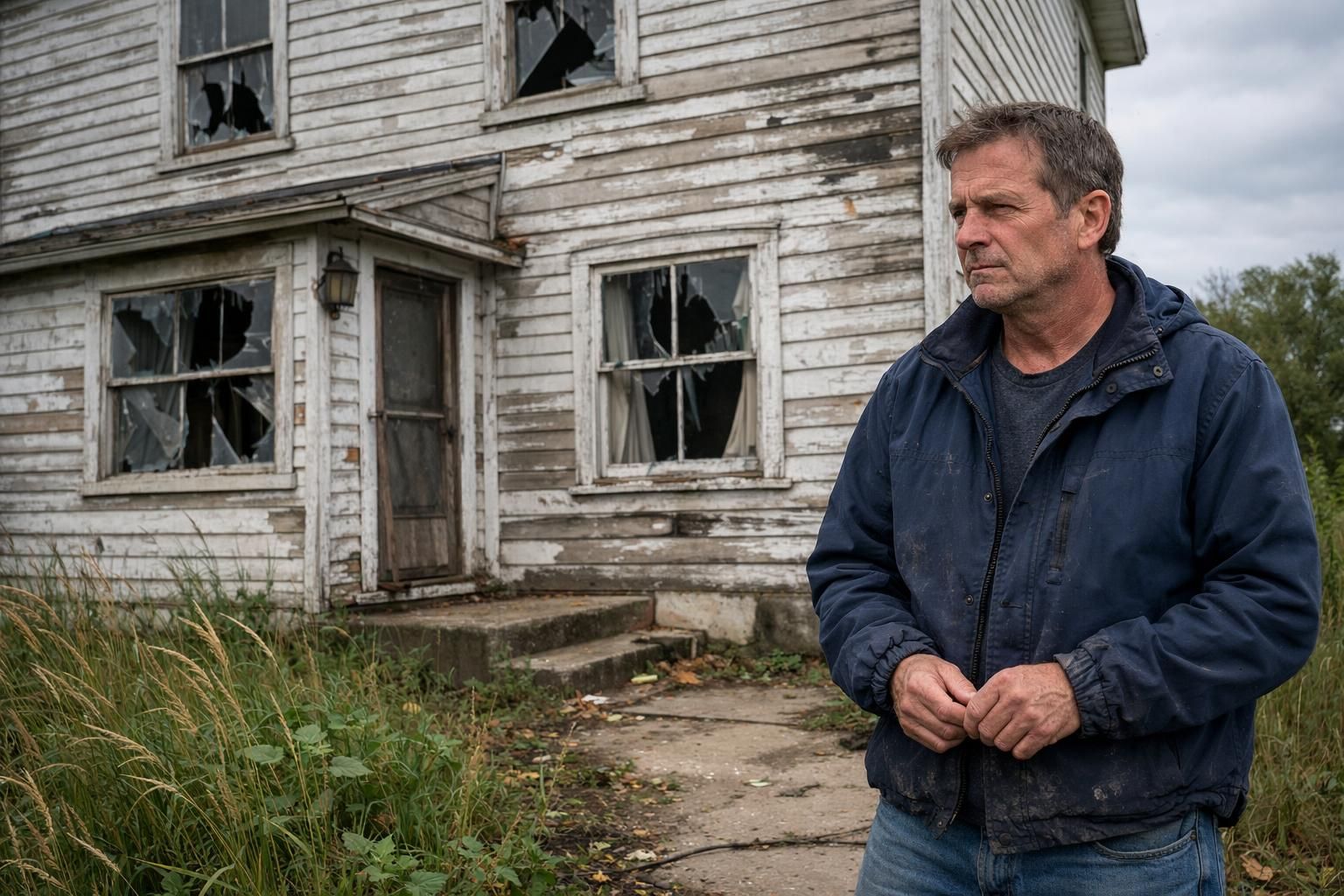
Traditional sales requiring repairs and disclosures.
Most traditional home sales require you to complete major repairs before listing, especially after significant disaster damage. Mortgage lenders almost never finance homes with unresolved structural or safety issues.
Washington law under RCW 64.06 requires sellers to complete a Seller Disclosure Statement (Form 17) disclosing all known material defects—including disaster-related damage, whether repaired or not. Save every inspection report, mold remediation receipt, insurance claim document, and repair invoice. Nondisclosure can expose you to civil liability in Washington Superior Court, so working with a real estate attorney or experienced agent is strongly advised.
Selling as-is to cash buyers or investors.
Selling your damaged property as-is to cash buyers or real estate investors can provide a quick and simple solution. You can often close in as little as 7 to 21 days, avoiding the hassle of repairs, mold remediation, or appraisal delays. Many investors are willing to buy homes with open insurance claims, allowing you to transfer claim rights rather than waiting for final settlements.
These buyers expect repairs and offer discounted prices based on repair costs and current property value. They do not require bank financing or lengthy negotiations. This stress-free route works well when contractor shortages make rebuilding difficult—common after major wildfire and flood events across Washington—or when the emotional toll drives you toward a clean break.
Tax Implications and Financial Considerations
Washington's tax environment has some important differences from other states. Speak with a qualified tax professional to understand how disaster-related transactions affect your specific situation.
Casualty loss deductions and capital gains implications.
Casualty loss deductions cover sudden disasters like wildfires, floods, or earthquakes. 9 At the federal level, you can claim a deduction if you itemize using Schedule A—the loss must exceed $500 per incident and exceed 10% of your adjusted gross income, and applies only to losses not covered by insurance.
Washington does not have a personal income tax, so there is no state-level income tax on casualty losses or ordinary income from a home sale. However, Washington enacted a capital gains tax effective in 2022 that applies to gains above $262,000 (as of 2024) on the sale of certain long-term assets. The sale of a primary residence is generally exempt from Washington's capital gains tax, but investment properties or rental homes may not be—consult a tax professional familiar with Washington law before proceeding. If you receive insurance proceeds exceeding your cost basis, a federal casualty gain may result, and IRS rules for federally declared disaster areas may provide some relief.
Insurance proceeds and mortgage debt forgiveness.
Insurance proceeds can affect your federal taxes if your payment exceeds your original cost basis in the property. If you sell for less than you owe on the mortgage in a federally declared disaster area, mortgage debt forgiveness may apply and the forgiven debt might not count as taxable income under certain federal relief provisions. Your mortgage lender is paid at closing from sale proceeds. Always consult a qualified tax professional to understand the interplay between insurance claims, Washington's capital gains tax rules, and federal tax obligations.
Importance of consulting a tax professional.
Tax rules after a natural disaster can be complex. A tax professional familiar with both federal law and Washington's specific tax structure—including the capital gains tax and the absence of a state income tax—will help you understand how a sale, insurance proceeds, or debt forgiveness affects your bottom line. Keep all receipts for mold remediation, repairs, and emergency work, as this documentation supports deductions and protects you if questions arise later.
Conclusion
Every homeowner's situation is unique.
Your experience after a natural disaster will differ from your neighbor's. Property value, storm or wildfire damage, and repair costs depend on many factors including insurance coverage, local regulations, and personal circumstances. Washington's disclosure laws, contractor licensing requirements enforced by the Department of Labor and Industries, and the Office of the Insurance Commissioner's consumer protections all shape what options are available to you.
State laws affect how insurance claims are handled and what sellers must disclose. Explore all your options—repair, rebuild, or sell—before deciding how to move forward.
Encourage exploring all options before making a decision.
Weigh every route before you settle on repairs, rebuilding, or selling after disaster damage in Washington. Assessing repair costs and current property value side by side helps reveal the best path forward. 10 Some homeowners invest in resilience upgrades for future protection; others find that selling as-is provides a faster resolution with less emotional toll.
Transparency about past disaster damage plays a big role if you plan to sell your Washington property. 10 Washington's Form 17 Seller Disclosure Statement requires honesty about known defects, and buyers expect it. Consider consulting local real estate professionals and licensed contractors who can share up-to-date data on repair timelines and market demand in your area. 11
Consider selling your damaged home as-is for a clean break and certainty in uncertain times.
Selling your damaged home as-is can give you a fast, straightforward solution after wildfire, flood, or storm damage. You do not have to worry about expensive fixes, drawn-out insurance claims, or navigating Washington's permitting process for major repairs. Cash sales often close far faster than traditional real estate transactions. 12
This option lets you move forward without facing hidden repair costs or uncertain market shifts. Many Washington homeowners choose this route because it provides peace of mind when life feels unpredictable. If you are ready for stability and want to skip further risk, selling as-is could be your clean break from disaster stress.
KDS Homebuyers works with Washington homeowners in exactly these situations—buying houses directly for cash, as-is, with no repairs required. Visit kdshomebuyers.net to request your free cash offer and find out how quickly you can move forward.
FAQs
1. How does disaster damage affect property value in Washington?
Disaster damage typically lowers property value because buyers worry about repair costs and future risks. Homes with visible or recent damage may sell for significantly less than comparable undamaged homes in the same Washington market.
2. What insurance steps should I take before selling my Washington home after a disaster?
Contact your insurer right away to file a claim. Review your policy for coverage details. If you encounter delays or bad-faith handling, Washington's Office of the Insurance Commissioner can assist. Keep records of all communication, inspections, and repair estimates.
3. Can I sell my Washington home as-is if it hasn't been fully repaired?
Yes. However, Washington law under RCW 64.06 requires you to complete a Seller Disclosure Statement disclosing all known material defects, including unrepaired disaster damage. Buyers will factor needed repairs into their offers. Working with a real estate attorney is advisable to ensure full compliance.
4. Are there options besides traditional sales for disaster-damaged homes in Washington?
Yes. Cash buyers and real estate investors purchase properties needing significant repairs, offering speed and certainty in exchange for a discounted price. This is often a practical choice when repair costs are high, contractor availability is limited, or you simply want a clean break after a difficult situation.
References
- ^ https://onlinelibrary.wiley.com/doi/10.1111/jori.12466 (2024-04-15)
- ^ https://www.fema.gov/press-release/20250416/how-document-damages-after-severe-weather-events (2025-04-16)
- ^ https://content.naic.org/sites/default/files/publication-post-disaster-claims-guide.pdf
- ^ https://boggslawgroup.com/wind-vs-flood-damage-understanding-coverage-differences-in-storm-claims/
- ^ https://www.tdi.texas.gov/tips/home-insurance-policies-replacement-cost-or-actual-cash-value.html (2024-01-24)
- ^ https://content.naic.org/article/whats-difference-between-actual-cash-value-coverage-and-replacement-cost-coverage
- ^ https://scholarlycommons.law.cwsl.edu/cgi/viewcontent.cgi?article=1442&context=fs
- ^ https://www.iii.org/article/understanding-the-insurance-claims-payment-process
- ^ https://www.financialplanningassociation.org/article/journal/DEC17-claiming-casualty-loss-after-disaster
- ^ https://bostonapartments.com/selling-a-property-affected-by-natural-disasters.htm
- ^ https://onlinelibrary.wiley.com/doi/full/10.1111/jfr3.12667
- ^ https://coldwellbankernwa.com/2024/06/05/are-you-buying-selling-a-home-during-a-fema-declared-disaster
- ^
