

Sell Your House and Rent It Back: How Sale-Leaseback Works in Colorado
Are you worried about selling your house but need more time before moving out? A sale-leaseback lets you sell your Colorado home and rent it back from the new owner, giving you fast access to your equity. 1 This guide explains how a residential sale-leaseback works in Colorado, who it helps, and what steps you should follow for a smooth transaction. 2
Key Takeaways
- A sale-leaseback lets you sell your house, receive 70% to 85% of market value in cash quickly, and rent it back from an investor or cash buyer.
- Rent is typically 110%–125% of local market rates, with lease terms lasting one to three years.
- This option helps Colorado homeowners avoid foreclosure, cover medical or business needs, or bridge moves during school years or new construction delays.
- Downsides include losing future equity gains, becoming a tenant with eviction risk, and possible capital gains tax implications under Colorado and federal law.
- Always work with a Colorado real estate attorney and agent to guard against predatory schemes and review all lease terms carefully.
What Is a Sale-Leaseback?

A sale-leaseback is a real estate transaction where you sell your home to an investor or cash buyer and sign a lease agreement to stay as a renter. The new owner becomes your landlord while you continue living in the property.
Residential sale-leasebacks are less common than commercial deals and carry fewer regulations, though Colorado landlord-tenant law still governs the rental relationship once the lease is signed. You typically receive 70% to 85% of your home's market value at closing, reflecting the buyer's risk and profit needs.
Monthly rent usually runs 110% to 125% of comparable rentals in your area. Lease terms commonly last one to three years. In Colorado's competitive Front Range markets — Denver, Aurora, Colorado Springs, and Lakewood — investors are increasingly open to these arrangements given strong long-term appreciation trends.
Both parties must clearly treat the transaction as a sale rather than a loan. If structured improperly, Colorado lending and consumer protection statutes may apply. A Colorado-licensed real estate attorney can review your leaseback agreement before you commit. 3
How Residential Sale-Leaseback Works in Colorado
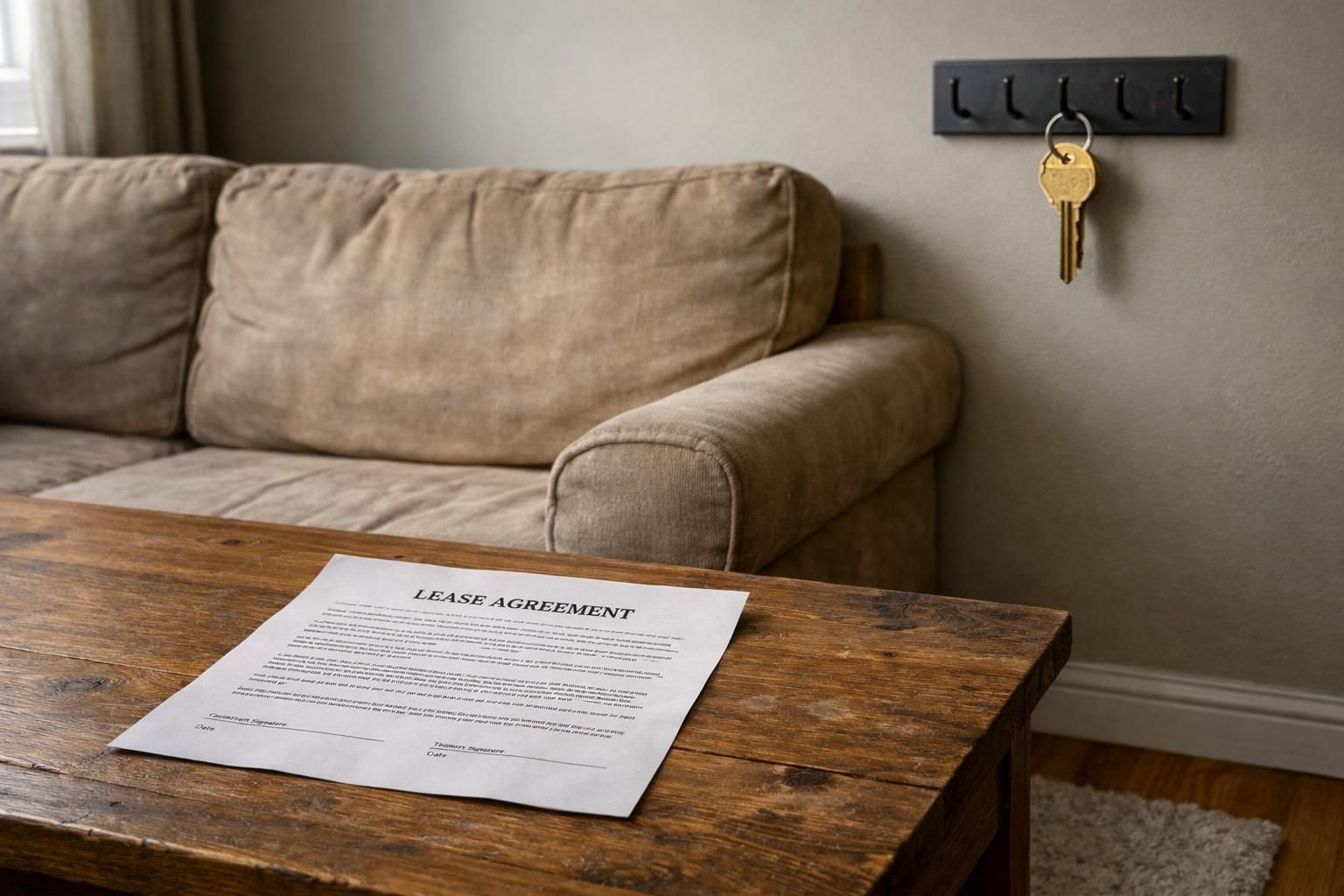
A residential sale-leaseback in Colorado starts with a cash buyer or investor purchasing your property. After closing, you sign a lease and pay rent to stay in your home.
Step-by-step process: sale, rent calculation, and lease terms
- Submit an application or inquiry to a Colorado cash buyer or sale-leaseback company.
- Receive a cash offer, typically within 48 hours.
- Review the purchase contract with a Colorado-licensed real estate agent and attorney.
- Schedule a third-party home inspection to meet buyer requirements.
- Sign closing paperwork and receive funds — Colorado closings typically complete within 30 days once all documents are in order.
- Negotiate lease terms, usually one to three years, with possible extensions.
- Provide a security deposit equal to one or two months' rent, held in a Colorado-compliant escrow account.
- Calculate monthly rent at 110%–125% of local market rates; partial months are prorated daily.
- Clarify maintenance responsibilities in the lease — Colorado law requires landlords to maintain habitable conditions regardless of the leaseback structure.
- Confirm who pays property taxes, homeowners insurance, and HOA dues under the new ownership.
- Agree on vacate dates and conditions when the lease expires.
Who buys the home: investors, institutions, or cash buyers
Buyers in a Colorado sale-leaseback include individual investors, institutional investors, and specialist cash-buying companies. Some iBuyers operating in the Denver metro also offer leaseback arrangements. Large investment trusts sometimes acquire single-family homes in Colorado's high-demand markets for leaseback deals.
Credit requirements vary — some buyers require a score above 600, others accept lower scores. Traditional banks and mortgage lenders do not participate in these transactions. Working with an experienced Colorado real estate agent helps you compare competing offers so the terms fit your situation.
Why Colorado Homeowners Consider Sale-Leaseback

Avoiding foreclosure
A sale-leaseback completed before a Colorado foreclosure sale can pay off your mortgage and let you become a renter instead of facing eviction. Colorado uses a public trustee foreclosure process, and acting early — before a Notice of Election and Demand is filed — gives you the most options.
Your credit score avoids the severe damage of a completed foreclosure, though the home sale still appears on your report. After selling, you must meet rent obligations consistently; missing payments under Colorado landlord-tenant law can lead to an eviction notice and eventual court proceedings. Always involve a Colorado real estate attorney to review documents and protect against unfair agreements.
Accessing equity for medical or business needs
If you face unexpected medical bills or need working capital for a business, a sale-leaseback can unlock your Colorado home equity quickly — often within days of closing. You stay in your home while the cash goes directly toward care, surgery, college expenses, or business operations. This avoids complex loan applications or lines of credit that can take weeks to process.
Elderly homeowners staying in familiar surroundings
Many older Colorado homeowners use a sale-leaseback to remain in their home, close to neighbors, healthcare providers, and community. You tap into your equity as cash without new debt or monthly loan payments. Lease terms may include arrangements covering insurance, property taxes, and maintenance, reducing day-to-day responsibilities while providing funds for retirement or medical needs.
Bridge scenarios: school year or new construction
Families in Colorado Springs or the Denver suburbs often use a short-term leaseback to avoid pulling children out of school mid-year. If you are waiting on new construction — a common issue given Colorado's active building market — a leaseback bridges the gap without forcing two moves. Rent-back periods in these cases often cap at 60 days, though flexible investors may negotiate longer terms. You also gain immediate access to sale proceeds, helping you secure your next property without juggling multiple loans.
Pros and Cons Analysis

Pros: immediate cash, staying in home, avoiding moving costs
- You get immediate access to your home's equity — useful for urgent needs like medical bills or business investment.
- The leaseback agreement lets you stay in your house for 30 to 60 days or longer depending on negotiated lease terms. 3
- Avoiding two moves saves money on storage and relocation, especially during school-year transitions or new construction delays.
- Some Colorado investors may cover property taxes, insurance, HOA dues, and major maintenance under the lease terms.
- Sale-leaseback deals often close faster than traditional Colorado home sales, giving you certainty and speed.
- Proceeds from the sale can help you make a stronger, non-contingent offer on your next Colorado home.
Cons: loss of equity, becoming a tenant, rent increase risks
- Loss of Equity: You give up future appreciation. In Colorado's historically appreciating market, this can be a significant long-term cost. 4
- Becoming a Tenant: You cannot make permanent changes without landlord approval and have fewer protections than a traditional homeowner.
- Rent Increase Risks: Colorado law does not currently cap rent increases on single-family rentals outside of any local ordinances, so yearly hikes are a real risk.
- Eviction Risk: Missing rent payments can trigger Colorado's eviction process — far different from mortgage default protections.
- Quick-Sale Discount: You receive only 70%–85% of market value, which may be a steep trade-off in a market like Denver where values have grown substantially.
- Tax Implications: Selling quickly may trigger capital gains taxes with limited planning time. 5
- Harder Future Borrowing: Lenders may view a recent seller-turned-tenant as higher risk for future mortgage applications.
Financial Considerations for Colorado Homeowners

Quick-sale discount on home price
Colorado sale-leaseback transactions typically price homes at 70% to 85% of market value. This discount reflects the investor's risk and the speed of the transaction. You may also pay a commission of roughly 5.5%–6%, similar to a traditional sale. Closing costs in Colorado generally run 2%–4% of the purchase price and are governed by the Colorado Real Estate Commission's standard contract forms.
Future appreciation — significant in markets like Denver and Aurora — benefits the new owner, not you as the seller-tenant.
Rent calculation and Colorado tax implications
Monthly rent in a Colorado leaseback is typically set at 110%–125% of comparable local rents. Security deposits in Colorado are not capped by state law for residential properties, but one to two months' rent is standard practice.
Once you sell, you lose the ability to deduct mortgage interest and Colorado property taxes on your federal return. However, if the home was your primary residence, you may qualify for a federal capital gains exclusion of up to $250,000 (single filers) or $500,000 (married filing jointly) — provided you meet the IRS two-out-of-five-year ownership and use tests.
Colorado conforms to most federal income tax treatment for capital gains. Consult a Colorado CPA or tax attorney to understand your specific exposure, particularly if you have owned the home a short time or have substantial built-in gains. The leaseback agreement should clearly state who pays utilities, insurance, and property taxes going forward.
Alternatives to Compare
Before committing to a sale-leaseback, Colorado homeowners should compare other options for accessing equity or improving cash flow.
- Refinancing can reduce your monthly payment or provide cash out, but requires sufficient equity and creditworthiness. Colorado lenders typically want at least 20% equity remaining after the refinance.
- Reverse mortgages are available to homeowners age 62 or older and allow you to convert equity to cash without monthly payments, though your loan balance grows over time. 6
- Home equity loans provide a lump sum at a fixed rate using your home as collateral. Colorado lenders typically require 15%–20% remaining equity. Missing payments can lead to foreclosure. 7
- HELOCs offer a revolving credit line with variable rates. Useful for ongoing expenses, but rate increases can strain budgets.
- Traditional sale through a Colorado MLS listing may maximize your net proceeds if local demand is strong, but requires you to vacate at closing.
Red Flags and Protections in Colorado
Colorado homeowners should be vigilant about predatory sale-leaseback schemes. Always confirm that any deal involves two clearly separate transactions: a home sale and a separate lease agreement. If a company presents the arrangement as a loan or blends financing with property transfer, consult a Colorado real estate attorney immediately — it may violate state consumer protection or lending laws.
Colorado's Uniform Consumer Credit Code and general deceptive trade practices statutes can apply when lenders disguise high-cost loans as sale-leasebacks. Under Colorado landlord-tenant law, even leaseback tenants retain basic habitability rights, and eviction requires proper court proceedings in the appropriate county court.
Hire a Colorado-licensed real estate attorney before signing anything. Reputable buyers welcome a legal review period and do not pressure you into quick decisions. Avoid anyone who discourages independent advice or is vague about buyback rights, rent escalation terms, or tax implications.
Decision Framework for Colorado Sale-Leaseback
Start by evaluating your financial need and timeline. If you need cash within 30 days and cannot qualify for a HELOC or refinance, a sale-leaseback may be worth exploring. Compare offers from multiple Colorado investors and review each leaseback agreement with a licensed attorney.
Check whether the buyer serves your specific market — Denver metro, the Springs, or smaller Front Range communities may attract different types of investors. Confirm the buyer's track record, review online feedback, and ensure the lease terms address rent escalation, maintenance responsibilities, and exit conditions clearly.
Expect an appraisal to affect your cash offer and allow 30 to 45 days for the full process. Never sign under pressure or without full transparency on fees and lease obligations.
Conclusion
A sale-leaseback can give Colorado homeowners breathing room when life demands quick financial action. You gain fast access to home equity and avoid the immediate stress of moving. Before signing any agreement, consult a Colorado real estate agent and a licensed property attorney to review all terms.
Weigh every alternative — refinancing, a home equity loan, or a traditional sale — so you protect your long-term financial stability. Used carefully, a sale-leaseback lets you stay in familiar surroundings while planning your next steps with confidence.
If you're exploring your options, KDS Homebuyers works with Colorado homeowners to provide fair, transparent cash offers with flexible closing timelines. Visit kdshomebuyers.net today to request your free, no-obligation cash offer and find out what your Colorado home is worth.
FAQs
1. What is a home sale-leaseback and how does it work in Colorado?
A home sale-leaseback is a real estate transaction where you sell your Colorado home but remain as a renter under a lease agreement. You receive cash at closing, then make rent payments to live in your former home for the agreed lease term.
2. How is a leaseback different from a home equity loan or HELOC?
With a leaseback, you no longer own the property and carry no repayment debt. With a home equity loan or HELOC, you retain ownership but take on new monthly obligations. The leaseback frees up equity without new debt but costs you future appreciation.
3. Are there Colorado-specific tax implications I should know about?
Yes. Selling your home is a taxable event. If it was your primary residence, you may qualify for a federal capital gains exclusion of up to $250,000 (single) or $500,000 (married). Colorado generally conforms to federal capital gains treatment. Consult a Colorado CPA to understand your specific situation before closing.
4. What protections do I have as a leaseback tenant in Colorado?
Colorado landlord-tenant law still applies. Your new landlord must maintain habitable conditions, and any eviction must go through the proper county court process. Basic tenant rights remain in place regardless of how ownership transferred.
5. Who handles property taxes and maintenance after a Colorado sale-leaseback?
Responsibility depends on your lease agreement. The new owner is legally responsible for Colorado property taxes. Maintenance obligations should be spelled out in the lease — confirm all details with your real estate attorney before signing.
References
- ^ https://www.wallstreetprep.com/knowledge/sale-leaseback/ (2024-02-20)
- ^ https://www.wpcarey.com/blog/ins-outs-sale-leasebacks
- ^ https://www.homes.com/learn/rent-back-agreement/
- ^ https://fountainheadcommercial.com/blog?view=article&id=465:advantages-disadvantages-sale-leaseback&catid=78:sale-leaseback
- ^ https://www.researchgate.net/publication/257715501_Analysis_of_Factors_and_the_Impacts_of_Sale_and_Leaseback_Transaction
- ^ https://www.rocketmortgage.com/learn/alternatives-to-a-reverse-mortgage
- ^ https://www.cnbc.com/select/reverse-mortgage-vs-home-equity-loan-or-heloc/ (2026-02-21)
