

Sell Your House and Rent It Back: How Sale-Leaseback Works in Washington
Are you worried about selling your house but need more time before moving out? A sale-leaseback lets you sell your Washington home and rent it back from the new owner, giving you fast access to your equity. 1 This guide explains how a residential sale-leaseback works, who it helps, and what steps to follow for a smooth transaction in Washington State. 2
Key Takeaways
- A sale-leaseback lets you sell your house, receive 70% to 85% of market value in cash, and rent it back from an investor or institution.
- Rent is typically 110%–125% of local market rates, with lease terms of one to three years.
- This option helps Seattle, Tacoma, Spokane, and other Washington homeowners avoid foreclosure, cover medical costs, fund business needs, or bridge school-year or new-construction gaps.
- Downsides include losing future equity gains, becoming a tenant with eviction risk, and possible Washington State capital gains tax obligations.
- Always use a Washington real estate attorney and licensed agent to review all documents and protect against predatory schemes.
What Is a Sale-Leaseback?

A sale-leaseback is a real estate transaction where you sell your house to a cash buyer or investor and then sign a lease agreement to stay as a renter. The new owner becomes your landlord while you continue living in the home.
Residential sale-leasebacks are less common than commercial deals and carry their own regulatory considerations under Washington law. You generally receive 70% to 85% of your home's market value at closing, reflecting the buyer's risk and profit needs.
Monthly rent typically runs 110% to 125% of comparable local rentals so investors can earn returns on their property. Lease terms usually last one to three years.
Washington State does not have a specific statute governing residential sale-leasebacks the way some states do, so the transaction is treated as a standard sale combined with a residential rental agreement subject to the Washington Residential Landlord-Tenant Act (RCW Title 59). A Washington real estate attorney can review all parts of your leaseback agreement before you commit.
How Residential Sale-Leaseback Works
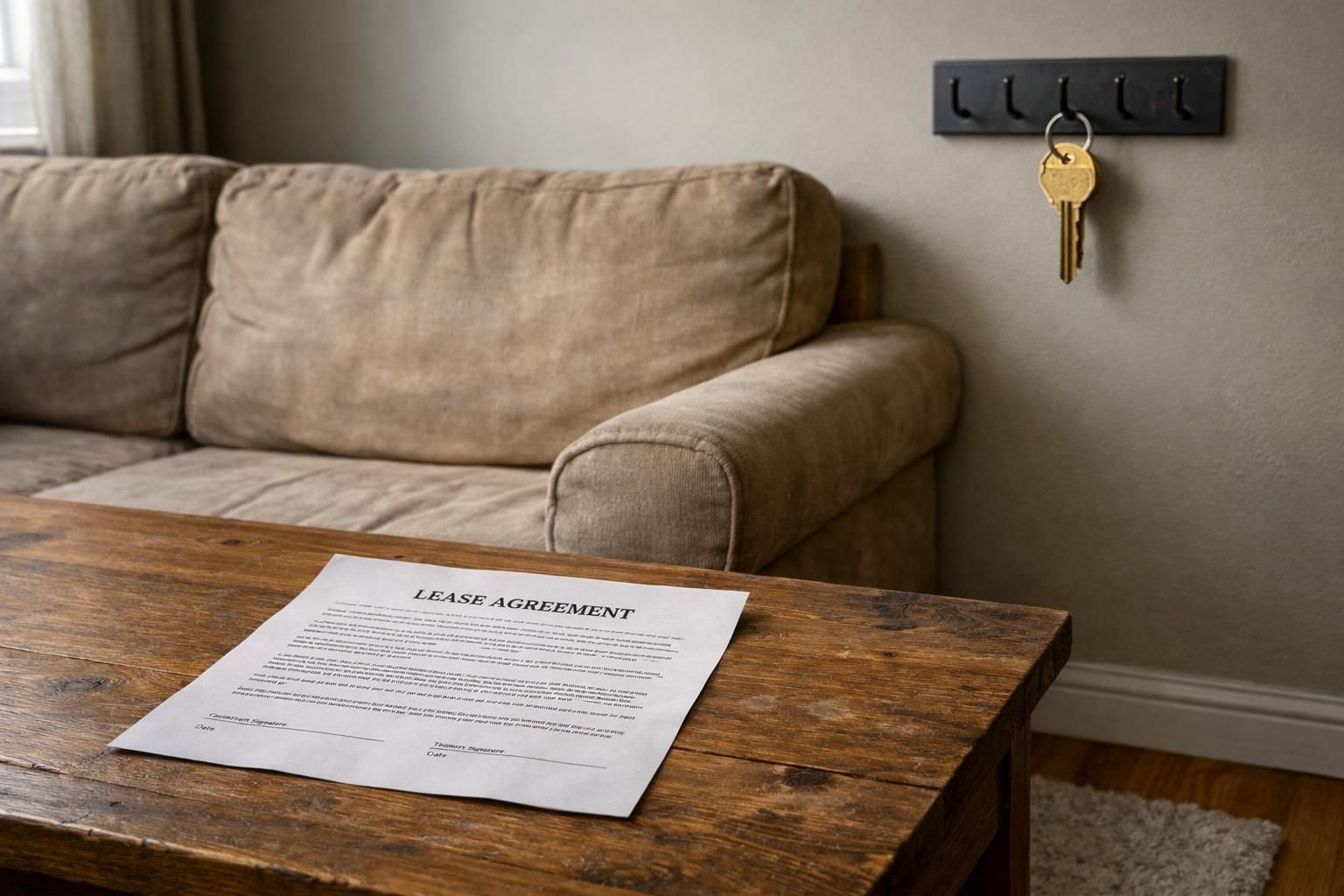
A residential sale-leaseback starts with a cash buyer or investor purchasing your Washington property. After closing, you sign a lease agreement and make rent payments to stay in your home.
Step-by-step process: sale, rent calculation, and lease terms
You can use a sale-leaseback as a practical tool if you need fast access to home equity but want to stay put. 1
- Submit an application to start the process with a Washington-area investor or cash buyer.
- Receive a cash offer, typically within 48 hours.
- Review the sale contract with a licensed Washington real estate agent and a real estate attorney familiar with state law.
- Schedule a third-party home inspection to meet buyer standards.
- Sign closing documents and receive funds; Washington real estate closings typically complete within 30 days through a title or escrow company.
- Negotiate lease terms, usually one to three years, with possible extensions under the Washington Residential Landlord-Tenant Act.
- Confirm security deposit requirements; Washington law limits security deposits and requires a written rental agreement and move-in checklist.
- Calculate monthly rent using local market data from your area — whether Seattle, Tacoma, Bellevue, or elsewhere in the state.
- Clarify maintenance responsibilities in the lease; Washington landlord-tenant law requires landlords to maintain the property in habitable condition.
- Review eviction procedures — in Washington, a landlord must provide proper written notice and file an unlawful detainer action in Superior Court if a tenant does not vacate.
- Confirm who pays property taxes and homeowners insurance under the new ownership structure.
- Agree on vacate dates and conditions at lease-end, and plan your next move accordingly.
Who buys the home: investors, institutions, or cash buyers
Buyers in a Washington sale-leaseback typically include individual investors, institutional buyers, and specialist leaseback companies. Some cash buyers also offer these arrangements when you need quick equity access. 2
Large investment trusts managing residential portfolios sometimes target single-family homes in the greater Seattle and Puget Sound market. Local options vary, so comparing offers with the help of a Washington-licensed real estate agent or broker is strongly advised. Traditional banks and mortgage lenders do not participate in sale-leaseback transactions.
Why Washington Homeowners Consider Sale-Leaseback

You may need quick access to home equity without moving out. A sale-leaseback gives you a way to stay in your Washington home while stabilizing your finances.
Avoiding foreclosure
A sale-leaseback completed before foreclosure pays off your mortgage and converts you into a renter rather than a borrower in default. Washington uses a nonjudicial foreclosure process, meaning lenders can foreclose without going to court, and timelines can move relatively quickly once a notice of default is recorded. Acting before that point protects your credit and keeps your family housed.
After selling, you sign a lease with clear rent terms. Missing rent payments could lead to an unlawful detainer action in Washington Superior Court, so stable income is essential once ownership transfers. Always involve a Washington real estate attorney to review documents and guard against unfair terms.
Accessing equity for medical or business needs
Unexpected medical bills or business cash needs can be addressed quickly through a sale-leaseback — often within 48 hours of application. You remain in your home while using the proceeds for care, surgery, college costs, or business operations. Business owners in Spokane or the Eastside tech corridor sometimes use residential sale-leasebacks as working capital instead of relying on complex loan products.
Elderly homeowners staying in familiar surroundings
A sale-leaseback lets older Washington homeowners stay in their familiar neighborhood without carrying the burdens of homeownership. You tap your equity as cash with no new debt. Lease terms may include arrangements covering insurance, taxes, and maintenance, reducing stressful responsibilities. While you no longer build equity, this option provides immediate funds for retirement or urgent needs without uprooting routines built over decades.
Bridge scenarios: school year or new construction
Lease terms for bridge scenarios often cap rent-back periods at 60 days, giving families time to finish the school year or wait for a new build to complete — a common situation given new-construction delays across the Puget Sound region. You also gain immediate access to sale proceeds, helping secure your next property without juggling multiple loans.
Pros and Cons Analysis

Pros: immediate cash, staying in home, avoiding moving costs
- Immediate cash from your home's equity to cover urgent needs.
- The leaseback agreement lets you stay in your house for 30 to 60 days or longer under negotiated lease terms. 3
- Avoiding two moves saves storage fees and relocation costs — especially relevant in high-cost markets like Seattle or Bellevue.
- Some leaseback providers cover property taxes, insurance, HOA dues, and maintenance, adding security during uncertain periods.
- Faster closing than a traditional Washington home sale listed on the MLS.
- Bridge financing between selling one Washington home and buying another without disrupting children's schooling.
Cons: loss of equity, becoming a tenant, rent increase risks
- Loss of Equity: You lose home equity and future appreciation — a significant consideration given Washington's historically strong property value growth. 4
- Becoming a Tenant: You no longer own your home and cannot make permanent changes without the landlord's approval.
- No Equity Building: Rent payments build no new wealth in the property.
- Rent Increase Risks: Lease renewals may bring higher rent based on market conditions; Washington does not have statewide rent control, though some local jurisdictions have explored restrictions.
- Washington Capital Gains Tax: Washington enacted a 7% capital gains tax on long-term gains above $262,000 (as of 2024, adjusted annually for inflation). Sales of a primary residence are generally exempt, but consult a CPA to confirm your situation. 5
- Risk of Eviction: Nonpayment of rent can lead to an unlawful detainer action in Washington Superior Court — a very different outcome than a standard mortgage default.
- Harder Future Borrowing: Lenders may view recent seller-turned-tenants as higher risk for future mortgage applications.
- Loss of Control: The investor owner makes key decisions about property upgrades and major repairs.
Financial Considerations

Quick-sale discount on home price
Sale-leaseback transactions typically offer 70% to 85% of your home's market value. In competitive Washington markets like Seattle or Bellevue, the gap between that discounted price and full market value can be substantial, so weigh the trade-off carefully. Closing costs and commissions (roughly 5.5%–6%) remain comparable to a traditional sale.
Rent calculation and Washington tax implications
Rent is typically set at 110%–125% of local market rent. If your lease ends mid-month, rent is prorated on a daily basis. Security deposits in Washington are governed by the Residential Landlord-Tenant Act and must be returned — with an itemized statement — within 30 days of move-out.
After selling, you lose the mortgage interest deduction and property tax deduction since you no longer own the home. You may qualify for the federal capital gains exclusion of up to $250,000 (single) or $500,000 (married filing jointly) on the gain from selling your primary residence. Washington's 7% capital gains tax generally exempts primary residence sales, but confirm this with a Washington CPA given the relatively new nature of the tax. Washington also imposes a real estate excise tax (REET) on the seller at the time of sale, with graduated rates — consult your closing attorney or escrow officer about how REET applies to your transaction.
Alternatives to Compare
Washington homeowners have several alternatives to a sale-leaseback when they need cash or equity access.
- Refinancing can lower your monthly payment or provide cash out, but requires sufficient equity and acceptable credit. Washington lenders typically want at least 20% equity.
- Reverse mortgages are available to homeowners 62 and older and allow you to stay in the home, but the loan balance grows over time and heirs may need to sell to repay it. 6
- Home equity loans or HELOCs let you borrow against your equity with predictable payments, but your home serves as collateral. Missing payments can trigger foreclosure. 7
- Traditional sale through a Washington-licensed real estate agent may yield the highest price in strong markets like greater Seattle or Olympia, but you must vacate at closing.
Red Flags and Protections in Washington
Washington's Consumer Protection Act (RCW Chapter 19.86) prohibits unfair or deceptive acts in trade or commerce, which can apply to predatory sale-leaseback schemes. If someone presents the deal as a loan rather than two separate transactions — a sale and a rental agreement — walk away, as it may violate Washington lending laws.
Hire a Washington-licensed real estate attorney before signing anything. Reputable buyers will welcome a review period and will not pressure you to rush. Under the Washington Residential Landlord-Tenant Act, any eviction requires proper written notice and a formal unlawful detainer lawsuit in Superior Court — make sure your lease clearly spells out notice requirements and your rights as a tenant.
Avoid any company that refuses to clearly separate the home sale from the rental arrangement, pressures you against seeking independent legal advice, or provides vague answers about buyback rights, rent escalation clauses, or Washington REET obligations.
Decision Framework for Sale-Leaseback
Start by reviewing each offer's structure: rent amounts, lease term length, buyback rights (if any), and withdrawal amounts compared to your home's current Washington market value. Get a comparative market analysis from a licensed Washington agent before accepting any offer.
Prequalify with the buyer to confirm you meet any credit score or income requirements. Work with a Washington title or escrow company to ensure all closing documents properly separate the sale from the rental agreement. Expect the full process — from application to funding — to take 30 days to six weeks. Avoid any company pushing rushed decisions or obscuring fees; full transparency protects your equity and your rights under Washington law.
Sell Your Washington Home and Stay: Is Sale-Leaseback Right for You?
A home sale-leaseback lets Washington homeowners convert equity into cash while continuing to live in the property as tenants. It works well when you need quick liquidity, want to avoid foreclosure, or need a bridge between transactions. Some providers cover insurance, property taxes, and maintenance for added convenience.
Weigh the costs carefully: a discounted sale price, above-market rent, Washington's REET on the sale, and potential capital gains considerations all affect your net outcome. Compare this path against refinancing, a HELOC, or a traditional listing before committing.
Conclusion
A sale-leaseback can provide breathing room when life throws you a curveball — giving you quick access to equity without an immediate move. Washington homeowners should consult a licensed real estate agent and a Washington attorney before signing any lease or sale agreement. Weigh all alternatives, understand your rights under the Washington Residential Landlord-Tenant Act, and account for state-specific taxes including REET and the capital gains tax. This approach can keep you in familiar surroundings while you plan your next steps with confidence.
If you're a Washington homeowner exploring your options, KDS Homebuyers purchases houses directly for cash with no fees or commissions. Visit kdshomebuyers.net to request your free, no-obligation cash offer today.
FAQs
1. What is a home sale-leaseback and how does it work in Washington State?
A sale-leaseback is a real estate transaction where you sell your Washington home and sign a lease to remain as a renter. The transaction is governed by a standard purchase agreement plus a residential lease subject to Washington's Landlord-Tenant Act.
2. How is a leaseback different from a home equity loan or HELOC in Washington?
With a leaseback you no longer own the property and carry no new debt. A HELOC or home equity loan keeps you as the owner but adds a debt obligation secured by your home. Washington lenders typically require 15%–20% equity for either product.
3. What are common reasons Washington homeowners choose a sale-leaseback?
Avoiding nonjudicial foreclosure, covering medical or business costs, bridging a school-year or new-construction gap, and accessing retirement funds without new debt are the most common reasons in Washington.
4. Who handles property maintenance after I sign the leaseback?
Under Washington's Residential Landlord-Tenant Act, the new owner-landlord is required to maintain the property in habitable condition. Your lease should clearly define responsibilities beyond that legal baseline.
5. What are the tax implications of a sale-leaseback in Washington?
You will owe Washington's real estate excise tax (REET) as the seller. If your gain exceeds federal exclusion limits ($250,000 single / $500,000 married), federal capital gains tax may apply. Washington's 7% capital gains tax generally exempts primary residence sales, but consult a Washington CPA for your specific situation.
References
- ^ https://www.wallstreetprep.com/knowledge/sale-leaseback/ (2024-02-20)
- ^ https://www.wpcarey.com/blog/ins-outs-sale-leasebacks
- ^ https://www.homes.com/learn/rent-back-agreement/
- ^ https://fountainheadcommercial.com/blog?view=article&id=465:advantages-disadvantages-sale-leaseback&catid=78:sale-leaseback
- ^ https://www.researchgate.net/publication/257715501_Analysis_of_Factors_and_the_Impacts_of_Sale_and_Leaseback_Transaction
- ^ https://www.rocketmortgage.com/learn/alternatives-to-a-reverse-mortgage
- ^ https://www.cnbc.com/select/reverse-mortgage-vs-home-equity-loan-or-heloc/ (2026-02-21)
