

How to Sell a House As-Is: What It Means and How It Works in Colorado
Selling your home can feel hard, especially if you do not have money or time for repairs. If you want to sell a house as-is in Colorado, you agree to list it in its current condition without making any fixes. 3 This guide explains how selling as-is works in Colorado and what steps real estate professionals recommend.
Key Takeaways
- Selling a house as-is in Colorado means listing in its current condition, but you must still legally disclose all known defects. Colorado's seller disclosure laws require completion of a Seller's Property Disclosure form covering structural issues, roof condition, plumbing, and environmental hazards.
- As-is homes often sell for 10%–30% less than comparable move-in-ready houses. Investors frequently use the "70 Percent Rule"—offering around $240,000 for a home worth $400,000 that needs $40,000 in repairs.
- Common reasons Colorado homeowners sell as-is include foreclosure timelines, inherited properties needing major work, job relocations (especially along the Front Range), divorce, and landlords exiting Colorado's competitive rental market.
- Cash buyers and real estate investors can close in as little as 7–14 days but typically pay 60%–80% of after-repair value. Buyers may still request inspections even in as-is sales.
- Traditional listings offer broader exposure but take longer and involve agent commissions and closing costs. Weigh your timeline, finances, and property condition before choosing a method.
What Does Selling a House As-Is Mean in Colorado?
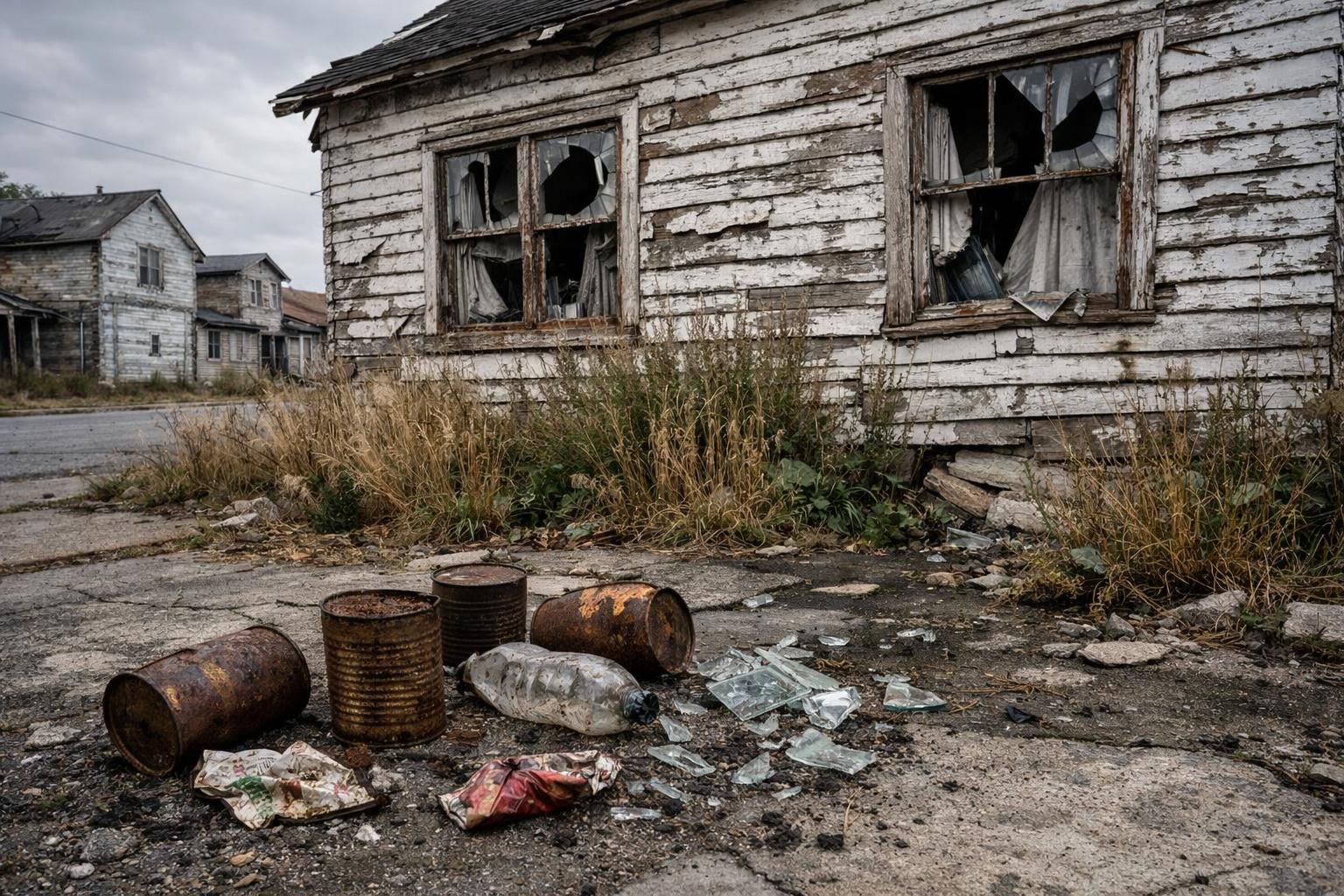
Selling a house as-is means you sell the property in its current state without making repairs or improvements beforehand. In Colorado, real estate agents and buyers still assess your property's condition through home inspections before finalizing any transaction.
Legal definition of 'as-is' sales in Colorado
An "as-is" home sale is a legal, contractual term in Colorado real estate. You agree to sell the property in its current condition without making additional repairs or improvements. Even in an as-is sale, Colorado's disclosure laws still apply fully.
Colorado requires sellers to complete a Seller's Property Disclosure (SPD) form, disclosing all known material defects including foundation issues, roof leaks, plumbing problems, radon levels, and environmental hazards. Colorado also has specific radon disclosure requirements—sellers must provide buyers with information about radon testing results if available.
You must disclose every problem you are aware of, but you are not required to investigate unknown issues. Any tax liens or mechanic's liens must be resolved at closing to transfer clear ownership. Failing to disclose known defects can expose you to legal liability in Colorado courts even with an as-is contract in place.
Importance of full disclosure under Colorado law
Colorado law requires you to honestly disclose all known defects—roof issues, asbestos, faulty HVAC systems, foundation damage, and radon concerns. 1 Full disclosure builds buyer trust, reduces your legal risk, and broadens your pool of interested parties.
Many Colorado sellers benefit from ordering a pre-listing inspection. This helps buyers make informed decisions about repair costs and financing options, including FHA and conventional loans. Serious buyers often pay more when sellers demonstrate transparency rather than letting surprises surface later during the buyer's own inspection.
In the Denver metro market and along the Front Range, where buyer competition can be fierce, documented honesty about property condition can actually work in your favor during negotiations.
Difference between 'as-is' and 'no inspection contingency'
Selling as-is in Colorado means you will not make repairs, but buyers can still hire a home inspector and include an inspection contingency in the contract. If the inspection reveals foundation damage or other issues, buyers may request a price reduction, closing credit, or choose to walk away without penalty.
A no-inspection-contingency sale is different—buyers agree upfront to waive inspections entirely. Cash buyers and investors often use this approach for faster closings. However, FHA and conventional loans typically require some form of inspection regardless of what the purchase contract states. 2 This option speeds up the deal but limits your buyer pool mostly to experienced investors and flippers.
Common Reasons Colorado Homeowners Sell As-Is
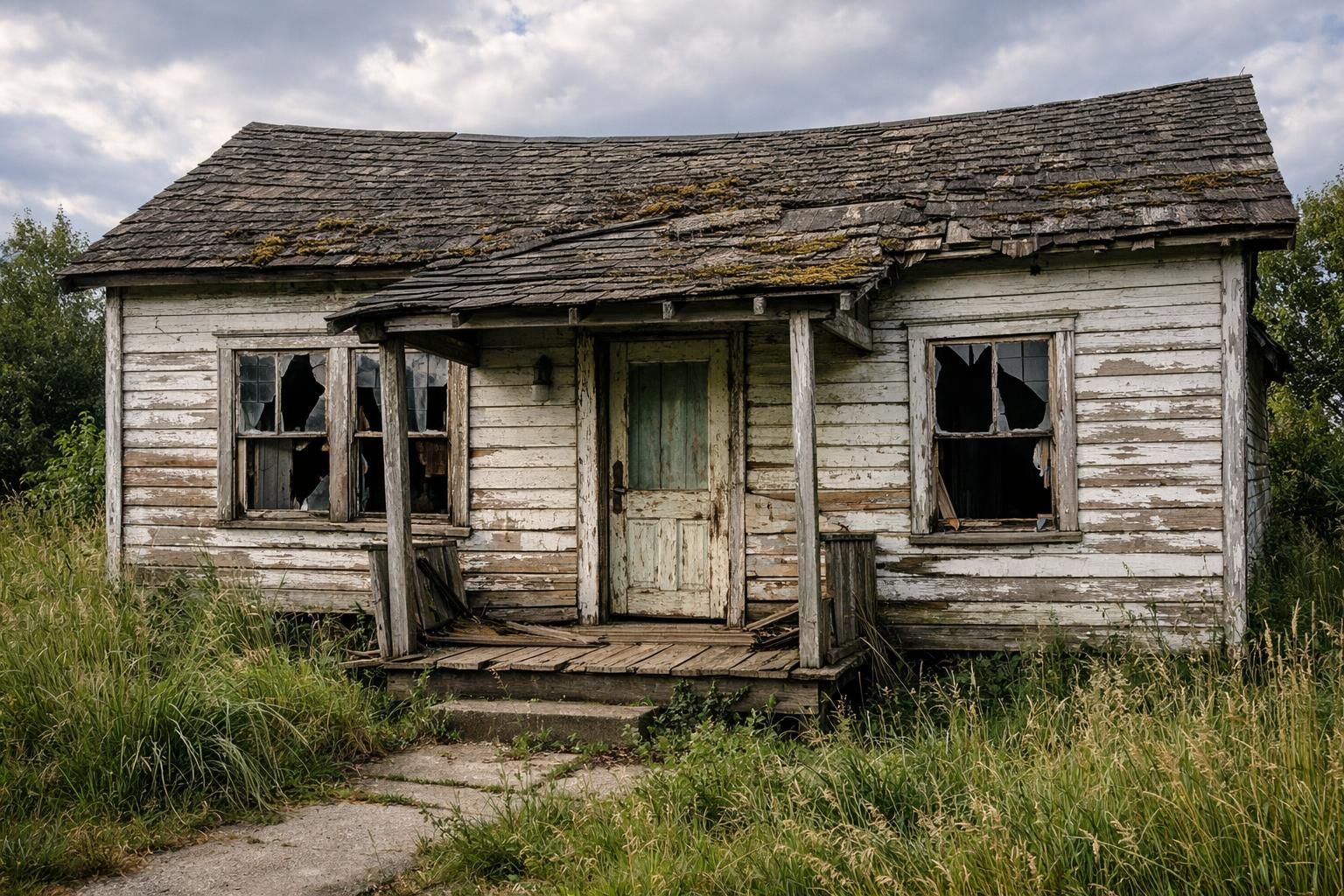
Life can throw unexpected challenges your way, making it difficult to take on repairs before a sale. Colorado homeowners across Denver, Aurora, Colorado Springs, and smaller communities often turn to as-is sales when finances, distance, or sudden life changes limit their options.
Financial constraints or foreclosure timelines
Job loss, medical bills, or bankruptcy can quickly drain savings and make mortgage payments unmanageable. In Colorado, the foreclosure process is primarily non-judicial and can move relatively quickly—if you fall behind by 90 to 120 days, your lender can initiate proceedings. Once a Notice of Election and Demand (NED) is filed with the county public trustee, the timeline to auction can be as short as 110–125 days.
Selling as-is gives you the option to avoid foreclosure entirely. Cash buyers can close in 7–14 days, helping you sidestep the process, protect your credit, and potentially walk away with proceeds rather than nothing.
Inherited properties with deferred maintenance
Inherited homes in Colorado often sit with years of deferred maintenance, outdated systems, and features that haven't been updated in decades. Around 30% of as-is sales nationally involve inherited properties. When heirs live out of state or are co-inheriting with siblings, coordinating repairs becomes difficult and expensive.
Selling as-is simplifies the process by skipping major renovations and complex negotiations over upgrades. Investors and cash buyers actively seek these properties in the Denver metro area and across the Front Range, often making quick offers that allow heirs to split proceeds and move forward without the stress of managing a distant property.
Relocating for work
Colorado's growing economy—particularly in the Denver tech and aerospace sectors—drives frequent relocations. When you need to move quickly, managing repairs or staging from a distance becomes costly and impractical. Listing as-is can get your home under contract faster, reducing the burden of carrying two housing costs while you settle into a new location.
Divorce or life changes requiring a quick sale
Divorce accounts for roughly 25% of as-is home sales nationally. In Colorado, divorcing couples often need to liquidate real property as part of a court-ordered asset division. Selling as-is can reduce delays, minimize legal friction, and let both parties move forward sooner. Accepting a somewhat lower offer often beats the cost of ongoing mortgage payments, carrying costs, and drawn-out negotiations during an already stressful time.
Landlords exiting Colorado's rental market
Colorado's evolving landlord-tenant laws, rising property taxes, and increasing maintenance costs have pushed many rental property owners toward selling. Many sell tenant-occupied houses as-is to avoid repair costs after tenants vacate or cause damage. Investors who specialize in buying occupied rentals can close quickly with cash, eliminating costly vacancy periods and the hassle of navigating Colorado's tenant notice requirements before listing.
The As-Is Selling Process in Colorado

You can move forward with a Colorado as-is sale using a clear plan. Honest property assessments, proper documentation, and a smart pricing strategy work together to make the process smoother.
Assessing your property's condition honestly
Start with a pre-listing home inspection to uncover issues like roof leaks, foundation damage, radon levels, or hazardous materials such as asbestos—especially relevant in Colorado's older housing stock. Identify both cosmetic and structural defects clearly. Use reports from certified Colorado inspectors to build a complete picture of needed repairs.
Full disclosure builds trust with buyers and reduces your legal risk. Sharing inspection documents and using a comparative market analysis (CMA) from a local real estate agent helps set realistic expectations for property condition and pricing.
Gathering necessary documentation in Colorado
- Collect property condition reports and any pre-inspection or appraisal paperwork.
- Complete Colorado's required Seller's Property Disclosure (SPD) form, covering all known material defects.
- Provide radon test results if available, as Colorado has elevated radon levels in many areas.
- Obtain all title documents including the deed and information about any tax liens or mechanic's liens.
- Gather past invoices for repairs, maintenance, permits, and home improvements.
- Compile any outstanding code violation notices from your local municipality or county building department.
- Resolve liens before closing to ensure a clean title transfer.
- Provide HOA documents if applicable—rules, fees, and any pending legal matters affecting the property.
- Present recent property tax statements from your county assessor's office.
- Share utility bills and service histories if requested by buyers.
Selecting a sales method: traditional, cash buyer, or auction
Listing with a Colorado real estate agent typically takes 2–4 months from listing to close. It gives you access to the widest buyer pool, but buyers may request repairs or credits following inspection findings, and closing timelines depend on mortgage approvals.
Cash buyers can make offers within 24 hours and close in 7–14 days. Most cash investors offer 60–80% of after-repair value. This route eliminates repair costs, staging, and lengthy paperwork.
Auction sales work best for severely distressed properties or when foreclosure deadlines are imminent. They compress the sales timeline but may attract lower offers, as bidders anticipate significant repair costs. Real estate brokers can help you compare all three methods against your specific timeline and financial needs.
Pricing strategies for as-is properties in Colorado
Set your price based on local Colorado market values and actual property condition. As-is homes typically sell for 10–30% below comparable updated homes. Use a comparative market analysis from a local agent and factor in repair costs buyers will encounter during inspection.
For example, if similar Denver-area homes are worth $500,000 after repairs but need $50,000 in work, investors applying the 70% rule may offer around $300,000. Some agents advise avoiding the "as-is" label in MLS listings to attract a broader buyer pool including FHA and conventional loan buyers. Set a firm bottom-line price that covers your remaining mortgage balance, closing costs, and any outstanding liens.
Colorado disclosure requirements and inspections
Colorado law requires sellers to complete the Seller's Property Disclosure form and report all known material defects. Concealing problems can expose you to legal claims of misrepresentation after closing. Buyers routinely order their own home inspections even in as-is transactions, using results to negotiate price reductions or closing credits rather than repairs.
Colorado also has specific requirements around radon disclosure. Inspections may affect mortgage lending, particularly for FHA loans, which have minimum property condition standards. A pre-listing inspection helps you understand what must be disclosed and prepares you for buyer negotiations.
Negotiation tips for buyer credits or repairs
After a Colorado home inspection, buyers often request concessions. Seller credits at closing—rather than actual repairs—are a common and effective strategy in as-is sales. Set your bottom-line price before negotiations begin and stay flexible on smaller items.
Provide records of recent maintenance or improvements to demonstrate the property's history. Clear disclosure backed by inspection documentation reduces the chance of post-closing disputes. Offering a price reduction or closing credit can keep deals moving without requiring you to manage repairs yourself.
Pricing Realities for As-Is Properties in Colorado

Typical price reductions for as-is homes (10–30%)
Most as-is homes in Colorado sell for 10–30% below comparable move-in-ready properties. 5 Discounts trend toward the higher end for homes with foundation damage, aging roofs, outdated electrical systems, or significant deferred maintenance. In a buyer's market or in areas with higher inventory, reductions can reach the upper end of that range.
Large investors commonly apply the "70% Rule." On a property with a $500,000 market value needing $50,000 in repairs, expect offers around $300,000. Homes with only cosmetic issues in high-demand Front Range neighborhoods may see smaller discounts. Properties labeled "as-is" can deter some first-time buyers seeking FHA financing, so pricing competitively from the start is critical.
Calculating net proceeds after expenses
Subtract all transaction costs from your expected sale price. With a traditional listing, factor in 5–6% agent commission and 1–3% closing costs. Buyers often request $5,000–$15,000 in repair credits. Also account for carrying costs—mortgage payments, property taxes, insurance, and utilities—which can run for several months during a traditional listing process.
Cash sales typically close in 7–14 days, cutting carrying costs significantly. After iBuyer fees of 5–10%, expect a net payout of roughly 85–95% of market value through those channels. A CMA from a local Colorado agent helps project realistic net proceeds based on current market conditions.
Evaluating if repairs would yield a positive return
Not every repair is worth making before an as-is sale. High-ROI updates—like a new garage door, fresh exterior paint, or a landscaping cleanup—can improve curb appeal and buyer interest at relatively low cost. Larger projects like full kitchen remodels or roof replacements may not recoup their cost in an as-is pricing environment.
Weigh each potential update against your expected sale price increase. Sometimes targeted cosmetic improvements boost offers enough to justify the expense; other times, pricing competitively as-is and letting investors handle the work is the smarter financial move. A trusted Colorado real estate agent can help you analyze which improvements, if any, make sense for your specific property.
Comparing Sales Methods for As-Is Properties

Traditional listing with a realtor: pros and cons
Listing with a Colorado real estate agent gives your as-is home the broadest market exposure through the MLS, attracting first-time buyers, move-up buyers, and investors. This can help offset some of the typical 10–30% price discount associated with as-is sales. Agents handle showings, negotiations, required disclosures, and contract management.
The tradeoff is time. As-is properties in Colorado often stay on the market 50–70 days, and the full process from listing to closing typically takes 2–4 months. You'll also pay 5–6% in agent commissions plus closing costs. Some FHA and conventional loan buyers may shy away from as-is listings due to lender property condition requirements.
Selling to cash buyers or investors: pros and cons
Cash buyers and real estate investors can close in as little as 7–14 days, eliminating mortgage approval delays and the risk of deals falling apart at the last minute. You skip repairs, staging, and deep cleaning. This is particularly appealing for Colorado sellers facing foreclosure timelines, managing inherited properties, or needing a fast exit from the rental market.
The tradeoff is price. Investors typically offer 60–80% of after-repair value. While this route reduces closing costs, carrying costs, and transaction stress, it's not the best choice if maximizing net proceeds is your primary goal and your timeline allows for a traditional sale.
FSBO or auction options for distressed Colorado properties
Selling For Sale By Owner (FSBO) lets you save on commission costs, but you handle all marketing, disclosures, negotiations, and legal paperwork yourself. Without MLS exposure, as-is FSBO listings in Colorado often attract lower offers and take longer to sell.
Auctions work well for severely distressed properties—those with major code violations, structural problems, or permit issues. Investors and flippers actively attend auctions looking for deals. Auctions can move faster than traditional listings but still take more time than a direct cash sale. They also reduce commission costs, which appeals to sellers managing urgent situations like foreclosure or probate.
Addressing Common Concerns for Colorado Sellers
Selling as-is with code violations or permit issues in Colorado
Selling as-is with code violations typically means accepting a lower price. Many conventional and FHA loan buyers cannot purchase homes with outstanding violations, so your buyer pool narrows to cash investors and flippers who understand and accept those risks.
Colorado law requires you to disclose all known code violations and permit issues. Title companies will require resolution of open liens and any city or county fines at closing for a clean title transfer. Properties with unresolved issues can sell for 10–30% below market value. 6 Working with a real estate agent familiar with local municipal requirements—whether in Denver, Lakewood, or a smaller Colorado municipality—helps you navigate these issues efficiently.
Handling tenant-occupied properties in Colorado
Colorado has specific landlord-tenant laws governing notice requirements and eviction procedures. If you are selling a tenant-occupied rental as-is, you must disclose all known lease terms and any ongoing tenant disputes to buyers. Colorado law generally requires proper notice before showing a property, and lease terms may affect when a new owner can take possession.
Investors and house flippers are typically your most realistic buyers for occupied rentals, as they understand Colorado's tenant laws and can navigate the process. Expect lower offers to account for potential eviction costs or delayed possession. Selling as-is lets you avoid costly repairs after tenants vacate while still achieving a relatively fast exit from the rental market.
Whether to clean or stage an as-is home in Colorado
You are not required to stage or deep-clean your home for an as-is sale in Colorado. Investors and cash buyers expect properties in various states of condition. Skipping full staging saves time and money. 7
That said, basic effort makes a difference. Simple updates—clearing debris from the yard, touching up paint, or fixing a broken window—improve curb appeal and can attract more interest without significant cost. Even in an as-is sale, a tidy presentation can boost buyer confidence and support your asking price. 7
Colorado Tax Considerations for As-Is Sales
Colorado does not have a state-level real estate transfer tax, which benefits sellers compared to some other states. However, some Colorado counties and municipalities—including certain mountain resort communities—do impose local transfer taxes, so confirm requirements in your specific jurisdiction before closing.
For capital gains, Colorado follows federal guidelines. If you have lived in your home for at least two of the last five years, the federal exclusion allows up to $250,000 in gains ($500,000 for married couples) tax-free. Colorado's state income tax rate is a flat 4.4%, which applies to any taxable gains above the federal exclusion amount. For inherited properties, the stepped-up basis rules generally reduce or eliminate capital gains taxes, which is particularly relevant for heirs selling as-is in the Denver metro area where values have appreciated significantly.
Consult a Colorado tax professional before closing to understand your specific liability and any available deductions tied to property improvements or selling costs.
Conclusion
When selling as-is makes sense in Colorado
Urgent timelines, financial hardship, an inherited property, or distance from your home can all make an as-is sale the right choice in Colorado. Expect price reductions of 10–30% below market value, and use a CMA from a local agent to set a firm bottom-line price. In Colorado's strong Front Range market, real estate investors and cash buyers actively compete for distressed homes, which can speed up offers without requiring costly repairs.
Evaluate whether minor cosmetic improvements could meaningfully boost your net proceeds before committing to a fully as-is approach. For many sellers, the savings in time, repair costs, and stress outweigh the price difference.
Choose your method based on your circumstances
If you need fast cash due to foreclosure, relocation, or divorce, cash buyers offer the quickest path with minimal hassle—though typically at 10–30% below market. 8 If maximizing value is the priority and you have time, a traditional listing with a Colorado real estate agent broadens your buyer pool. FSBO and auction options work for sellers who want full control or are dealing with severely distressed properties. A knowledgeable Colorado real estate broker can conduct a CMA and help you weigh these options against current local market conditions.
Consider a cash buyer for speed and simplicity
Working with a cash buyer allows you to close quickly—often within 7–14 days—without waiting on bank approvals, FHA inspections, or lengthy repair negotiations. 9 This is especially valuable for Colorado homeowners facing foreclosure timelines, managing inherited properties, or needing a fast exit from the rental market. Cash offers typically come in at 60–80% of after-repair value, factoring in repair costs and current market conditions. The certainty and speed of a cash sale can more than offset the price difference when time and simplicity matter most. 10
If you're considering selling your Colorado home as-is, KDS Homebuyers can help. We buy houses directly from Colorado homeowners for cash—no repairs, no agent fees, no lengthy waits. Visit kdshomebuyers.net for a free, no-obligation cash offer and find out what your home is worth today.
FAQs
1. What does selling a house as-is mean in Colorado?
Selling as-is in Colorado means offering your property in its current condition without making repairs. You must still complete Colorado's Seller's Property Disclosure form and disclose all known defects, including radon concerns and structural issues.
2. Who typically buys as-is homes in Colorado?
Real estate investors, house flippers, and cash buyers make up the primary buyer pool for as-is properties in Colorado. Some first-time buyers and move-up buyers will also consider as-is homes, particularly those with only cosmetic issues in high-demand Front Range markets.
3. Do I still need to disclose defects in an as-is Colorado sale?
Yes. Colorado law requires completion of a Seller's Property Disclosure form regardless of whether the sale is as-is. Failing to disclose known material defects can expose you to legal liability after closing.
4. How do Colorado's foreclosure timelines affect as-is sales?
Colorado uses a primarily non-judicial foreclosure process through the county public trustee. Once a Notice of Election and Demand is filed, the timeline to auction can be as short as 110–125 days. Selling as-is to a cash buyer before that point can help you avoid foreclosure and preserve any remaining equity.
5. Are there transfer taxes on as-is home sales in Colorado?
Colorado does not impose a state-level real estate transfer tax. However, some local jurisdictions—particularly resort communities—have their own transfer taxes. Confirm requirements in your specific county or municipality before closing.
6. Should I stage my Colorado home before an as-is sale?
Full staging is not required, but basic cleanup and minor cosmetic improvements can boost buyer interest and support your asking price—even in an as-is sale. Simple steps like clearing yard debris or touching up paint cost little and can make a meaningful difference.
References
- ^ https://sellmyspokanehomefast.com/seller-disclosure-vs-selling-as-is/
- ^ https://www.realtor.com/advice/buy/what-does-as-is-mean/ (2025-04-16)
- ^ https://www.rocketmortgage.com/learn/selling-as-is
- ^ https://marcusskenderian.com/blog/4-reasons-why-homeowners-decide-to-sell-their-homes-as-is
- ^ https://www.spyglassrealty.com/blog/how-much-do-you-lose-selling-house-as-is.html (2023-08-22)
- ^ https://www.bankrate.com/real-estate/selling-your-house-as-is/ (2024-06-24)
- ^ https://www.readysetsellmyhome.com/blog/do-i-need-to-clean-or-stage-my-home-before-selling-as-is/
- ^ http://www.princeton.edu/~erp/Econometrics/Old%20Pdfs/Rust.pdf
