

Can You Sell a House Before Probate? What the Law Says in Washington
Trying to sell a house before probate can feel confusing and stressful, especially during tough times. Many people do not realize that property owned only by a deceased person usually cannot be sold until the probate process begins and a personal representative is appointed. 1 This article explains what probate means in Washington, when you can legally sell, and how estate planning tools like living trusts, joint tenancy, or transfer-on-death deeds might help. Discover clear answers to your biggest questions about selling real estate through Washington probate court. 2
Key Takeaways
- You usually cannot sell a house owned only by a deceased person until probate begins and a Washington Superior Court appoints a personal representative with legal authority (letters testamentary). 1
- Property held in joint tenancy with right of survivorship, living trusts, or transfer-on-death deeds can avoid probate entirely. Washington has recognized TOD deeds since 2014.
- Trying to sell without proper court approval risks title defects. Title companies may refuse insurance, buyers cannot get mortgages, and you could face lawsuits from heirs or creditors.
- Washington allows small estate affidavits for real property valued under $100,000, offering a faster path when the estate qualifies.
- Washington probate typically takes 8 to 16 months. Delays happen when heirs dispute the will, paperwork is missing, or the estate holds complex assets. Always consult an experienced Washington probate attorney before selling real estate during this process.
Understanding Probate and Property Sales in Washington

Washington's probate laws shape how you transfer estate assets like a house after someone passes away. You need to understand key terms such as personal representative, Superior Court, and letters testamentary to protect your rights during the process.
What is probate in Washington?
Washington courts use probate to confirm that a will is valid and that the deceased person's wishes are carried out. The probate division of the Washington Superior Court in the county where the deceased lived appoints a personal representative — often called an executor — to manage estate administration.
You may need this step before you can sell a house that belonged only to your loved one at their death. 1 During probate, the court verifies that all debts and taxes are paid before assets go to heirs or beneficiaries. Washington follows the Revised Code of Washington (RCW) Title 11 for probate matters.
If there is no will, Washington's intestacy laws decide who inherits. The process starts when someone files the original will with the Superior Court in the appropriate county — such as King County for Seattle-area estates or Pierce County for Tacoma — or submits a petition for probate if no will exists. Estate assets remain under court oversight until the personal representative completes all required steps.
Why is probate required before property sales in Washington?
Probate is required before property sales to protect everyone involved. You cannot usually sell a house until the personal representative receives legal authority from Washington Superior Court. This step confirms you have permission to handle estate assets, including real estate.
Title insurance companies will not insure homes with unresolved probate issues. Buyers also cannot obtain a mortgage on properties tied up in the probate process. Selling a house before completing probate may create title defects or cloud ownership rights in county records.
Probate also ensures all heirs and beneficiaries are verified, which prevents fraud and unauthorized sales. It protects creditors by confirming debts are resolved before any property transfer occurs. Skipping these steps risks invalid sales and possible lawsuits from heirs or creditors under Washington state law.
Key terms: personal representative, probate estate, letters testamentary
- The personal representative is the person named in the will, or appointed by Washington Superior Court, who manages all estate assets, pays debts and taxes, and oversees any property sales.
- A probate estate includes everything owned by the deceased that must go through estate administration — homes, bank accounts without beneficiaries, and investments are common examples. 2
- Letters testamentary are official documents issued by the court giving the personal representative legal authority to act for the estate, including listing real estate for sale.
- Without letters testamentary, Washington title companies will typically refuse to approve any transfer of legal title.
- If no will exists, Washington Superior Court assigns an administrator instead of an executor. Both roles require proper court authorization before any estate property can be sold.
- Letters testamentary protect the personal representative from personal liability by confirming that every action meets Washington probate law. 2
When You CAN Sell Before Probate Closes in Washington

Some property transfers in Washington skip the full probate process through tools like living trusts or transfer-on-death deeds. These estate planning options can speed up real estate sales and give families faster access to estate assets.
Joint tenancy with right of survivorship
Property held in joint tenancy with right of survivorship passes directly to the surviving owner when one owner dies. In Washington, you do not have to wait for the probate process or court approval. You can sell the house as soon as title is updated, without needing permission from Superior Court or a personal representative.
Joint tenancy with right of survivorship is common between spouses and close family members. Washington is also a community property state, which means property acquired during marriage may pass to the surviving spouse outside of probate depending on how title is held. Unlike tenants-in-common arrangements — which typically require probate — joint tenancy allows survivors immediate control over estate assets.
Transfer-on-death deeds in Washington
Washington has recognized transfer-on-death (TOD) deeds since 2014 under state law. A TOD deed lets you name a beneficiary who receives your home directly at your death without going through the probate process. You must record the deed with the county auditor's office before death for it to take effect.
A TOD deed can be revoked at any time while you are alive if you change your mind. It does not trigger gift taxes and does not affect your ownership rights during your lifetime. Families in areas like Bellevue and Olympia increasingly use TOD deeds as a straightforward probate-avoidance tool. Consult a Washington probate attorney to confirm whether a TOD deed fits your estate planning goals. 3
Living trusts
Property titled in a living trust completely avoids Washington probate court. You or your loved ones can sell a house held in a revocable living trust immediately after the grantor's death without waiting for letters testamentary or court approval. As trustee, you must follow the trust's terms and act according to the grantor's stated wishes.
Real estate must be legally transferred into the trust before the owner passes away — funding must happen ahead of time for full protection. Living trusts are especially useful for families with significant real estate holdings in the Seattle or Puget Sound area, or for those who own property in multiple states and want to avoid ancillary probate.
Small estate affidavits in Washington
Washington allows small estate affidavits to transfer certain assets without full probate court proceedings. For real property, the estate's value generally must not exceed $100,000 to qualify. This legal tool can save time and money during stressful times.
You must complete state-specific forms accurately and follow Washington's required procedures. If the deceased person's home qualifies under the threshold, you may be able to claim title using an affidavit rather than waiting months for a court-supervised sale. Always verify current eligibility requirements and consult a probate attorney if any questions arise about qualifying under Washington law.
Court-Supervised Sales During Washington Probate
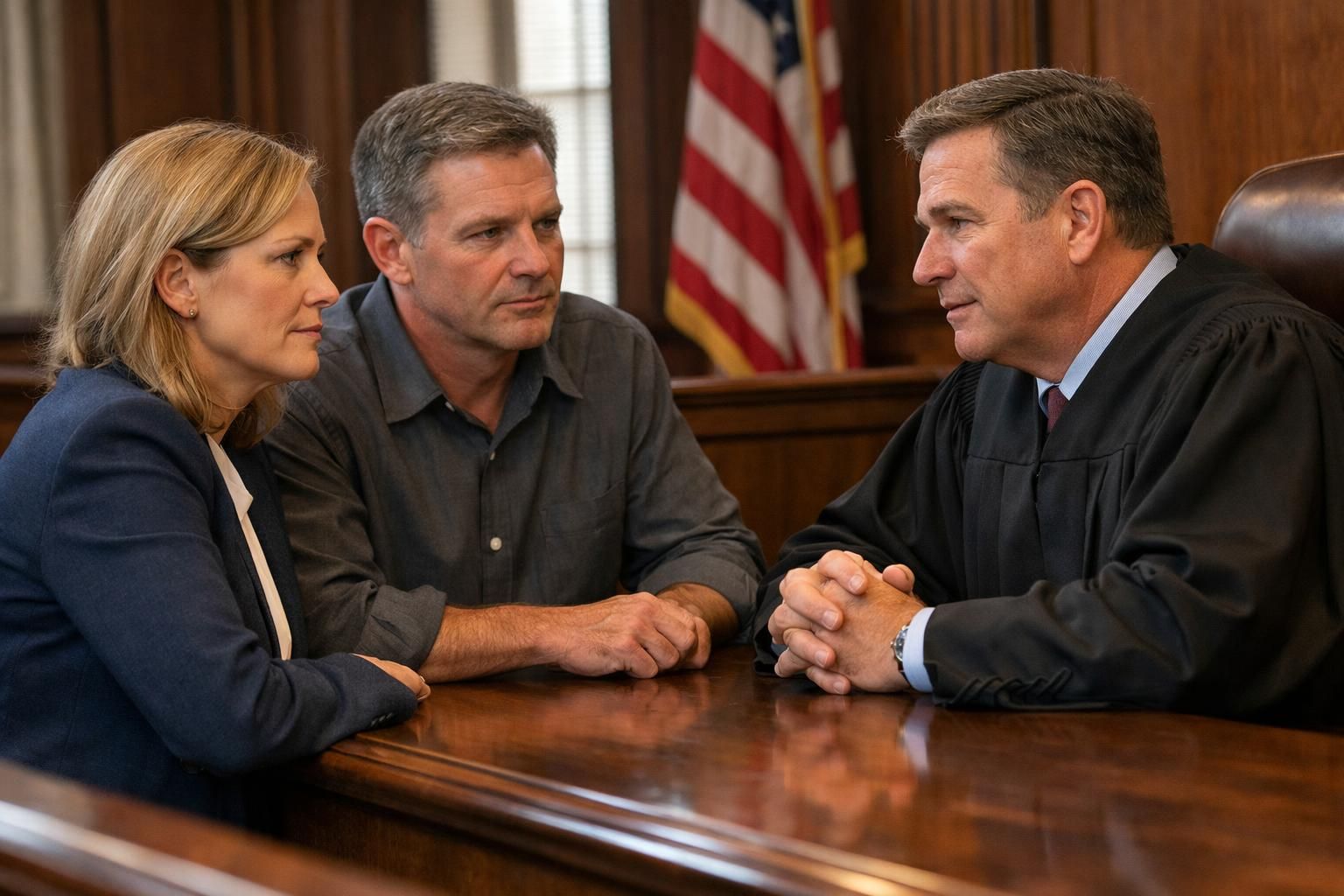
Washington Superior Court often oversees home sales during probate to protect everyone's interests. You need proper authority from the court before moving forward with any sale of estate property.
Petitioning for authority to sell in Washington
Selling a house during Washington probate requires clear legal steps. As personal representative, you must secure authority from the Superior Court before any sale. 4
- File a formal petition with the Superior Court in the county where the deceased resided, requesting permission to sell estate real property.
- Submit supporting documents including the death certificate, letters testamentary, and a current property appraisal reflecting fair market value.
- Clearly state why selling the home is necessary — such as paying estate debts or distributing proceeds among heirs — to satisfy the court's requirements. 4
- Follow Washington's probate statutes under RCW Title 11 and any local court rules specific to your county.
- Provide written notice to all interested parties, including heirs, beneficiaries, and creditors, so everyone stays informed about the proposed sale.
- Allow time for objections; Washington law gives interested parties a window to challenge the proposed sale before the court grants approval.
- Wait for official court approval before listing or accepting any offer on the property. 5
- Work with an experienced Washington probate attorney, especially if the estate involves disputed ownership, HOA liens, or property held as tenants-in-common.
- Keep thorough records of every step; courts in King County, Pierce County, and other jurisdictions will review your documentation during final approval.
Court approval requirements in Washington
- Washington Superior Court reviews proposed sales to confirm they serve the best interests of the estate, including its creditors and all beneficiaries.
- You must give public or mailed notice of the pending sale to all heirs and interested parties as required by Washington law.
- Some Washington counties apply overbid procedures at confirmation hearings, allowing competing buyers to submit higher offers before the sale is finalized.
- Court confirmation hearings can add several weeks or months to your closing timeline.
- Closing a transaction without required court approval may result in a voided sale and title defects that are difficult and costly to correct.
- Personal representatives who bypass court approval expose themselves to personal liability and potential removal by the court.
- Washington probate attorneys strongly recommend following all approval procedures closely, as Superior Court judges scrutinize every detail of estate property transactions.
Notice to heirs and handling objections
- Washington personal representatives must send formal written notice of a proposed estate property sale to all heirs, beneficiaries, and creditors before proceeding. 5
- Washington law sets specific timeframes for these notices; skipping or rushing this step can invalidate the entire transaction.
- Interested parties have the right to object within the window set by Washington probate law; objections may come from heirs, creditors, or others with a stake in the estate.
- Unresolved objections can lead to additional court hearings or mandatory mediation, extending the timeline by weeks or months.
- Written records of all notices sent and responses received are essential — Washington Superior Courts examine this documentation carefully.
- Failure to properly notify a party could invalidate the sale; title companies operating in Washington may refuse to insure a transaction not completed according to state requirements.
- Personal representatives who skip notice requirements face personal liability, potential lawsuits, and possible removal as administrator of the estate.
Risks of Selling Without Proper Authority in Washington

Selling a house without proper court authority in Washington can lead to costly legal disputes and serious problems with estate administration. Washington Superior Court requires proper letters testamentary before you transfer real property, protecting all heirs and the personal representative from future title or tax issues.
Invalid sales and title defects
Attempting to transfer real estate before Washington probate ends often creates title defects. Title insurance companies in Washington will refuse to insure properties with unresolved probate issues recorded at the county auditor's office. Buyers cannot obtain mortgages on such properties, which can freeze your sale days before funding.
A personal representative who acts without authority may trigger lawsuits from heirs or creditors under Washington state law. Fixing title defects after an invalid sale can cost thousands of dollars and take years. Washington courts may even reverse completed transactions, leaving both sellers and buyers exposed to significant losses.
Personal liability for personal representatives
Selling a Washington estate home without clear court authority puts you at risk for personal liability. If you proceed without the required letters testamentary, Superior Court can remove you from your role. You may be required to repay losses or damages if beneficiaries claim financial harm, and courts can impose penalties for unauthorized sales.
Heirs and creditors may file lawsuits against a personal representative who violates Washington's probate statutes. Always seek guidance from a qualified Washington probate attorney before making decisions about selling estate assets, including real property held in living trusts or other estate planning arrangements.
Legal action from heirs or creditors
Heirs or creditors can file lawsuits if you transfer estate property without proper authority from Washington Superior Court. 5 Interested parties may ask the judge to reverse an invalid sale, demand damages, or seek your removal as personal representative. Creditors may object if selling the home interferes with payment of estate debts under Washington law.
Legal challenges drain estate funds and harm everyone involved. Executors found at fault may face years of litigation and mounting attorney fees. Always secure proper authority before proceeding with any sale during the Washington probate process to reduce risk and avoid costly disputes. 6
Timeline Expectations for Washington Probate
The Washington probate timeline can stretch based on estate complexity, court backlogs, and disputes among heirs. Understanding typical timeframes helps you plan your home sale realistically.
Typical timeframes for Washington probate
Washington probate typically takes 8 to 16 months for estates with real property. Simpler estates where heirs cooperate and paperwork is complete may close on the shorter end. Notifying heirs, filing petitions, and working with the Superior Court usually takes one to four months after the date of death. The inventory and appraisal phase can run an additional several months depending on the number and complexity of estate assets.
King County courts serving the Seattle and Bellevue areas, as well as Pierce County courts serving Tacoma, can experience backlogs that add time to the process. If beneficiary disputes arise or the estate includes property in multiple states requiring ancillary probate, expect the timeline to extend beyond 16 months. Complex cases involving creditor litigation can add years before you complete a sale. 7
Factors that speed up or delay Washington probate
- Estates with a clear will and a named personal representative often close faster because the Superior Court can process files without disputes.
- Full cooperation among heirs and beneficiaries allows the personal representative to manage assets and handle estate administration more smoothly.
- Will contests or disagreements among heirs can extend the probate process by months or years.
- Estates with a single property and minimal debts typically settle faster than those with multiple real estate holdings.
- Real property located outside Washington triggers ancillary probate in that state, requiring separate filings and causing delays.
- Missing documents, unclear titles, or lost records force extra verification steps and slow the process.
- Court backlogs in busy counties like King and Pierce can cause unexpected waits for hearings and rulings.
- Washington does not have a state estate tax exemption that mirrors federal law — Washington imposes its own estate tax on estates exceeding $2.193 million (as of 2024), which adds additional steps and potential delays for larger estates.
- Using a small estate affidavit when the estate qualifies can speed things up significantly by avoiding formal court proceedings altogether.
- Out-of-state heirs who cannot attend hearings or respond promptly may delay decisions on property distribution.
Alternatives and Solutions for Washington Families
You have several options if you need to access Washington estate assets quickly. Learning about these solutions can help you make an informed decision.
Family buyouts
Family buyouts allow one heir to purchase the shares of other heirs during Washington estate administration. This can help you avoid a forced property sale and reduce family disputes. All beneficiaries must agree on the terms, and legal documentation is necessary to protect everyone's interests.
A professional appraisal typically sets the property's value before any buyout occurs. Many heirs use personal funds or an estate advance to finance their share rather than selling the house outright. Consulting a Washington probate attorney ensures your buyout agreement meets all requirements under state law and Washington Superior Court rules.
Estate advances
Estate advances give you quick access to cash while the Washington probate process continues. Heirs often use advances to cover urgent expenses or ongoing property costs — such as mortgage payments, property taxes, or HOA dues — before estate assets are distributed. Unlike loans, estate advances do not require monthly payments and are repaid only from your inheritance after probate settles. 5
Companies specializing in estate advances work directly with personal representatives and verify eligibility through court documents like letters testamentary. Always have a Washington probate attorney review any advance agreement so you fully understand how it affects your inheritance rights.
Selling to probate-savvy buyers
Selling to probate-experienced buyers — typically real estate investors or cash home buyers — can reduce stress for Washington personal representatives. These buyers understand Superior Court processes, estate administration, and how Washington probate sales work. Most transactions happen as-is, so you do not need to repair or update the home first. 9
Probate-savvy buyers typically make their contracts contingent on court approval and comply with Washington's required timelines. This approach helps prevent title defects and reduces legal risk for everyone involved. If your estate property in the Spokane, Tacoma, or Seattle area is sitting vacant and generating ongoing expenses, a cash buyer experienced in Washington probate can move efficiently while respecting all legal requirements. You must still follow every step required by Washington law before completing any sale. 9
What is Probate in Washington Real Estate
Probate in Washington real estate is a court-supervised legal process that transfers property ownership after someone dies. The probate division of the Washington Superior Court in the county where the deceased lived controls what happens to estate assets including real property. 10
As personal representative, you must file the will and a petition with your local Superior Court before any sale or transfer can happen. You are then responsible for collecting all estate assets, settling debts and Washington state taxes, and arranging property distribution or sale according to Washington's probate statutes under RCW Title 11. Real estate rarely skips this step even when a valid will exists.
Working with an experienced Washington probate attorney protects your interests and helps you avoid errors that could lead to title defects or disputes. All legal fees are typically paid from the estate during this process.
Conclusion
Selling a house before Washington probate closes presents real challenges. State law, the structure of the estate, and whether proper planning tools are in place all shape what you can do. If you need to sell quickly, explore options like living trusts or transfer-on-death deeds as part of your estate plan. Consult a skilled Washington probate attorney to avoid title issues and protect yourself as personal representative. Taking careful, informed steps protects both the property and your peace of mind during a difficult time.
If you are navigating a Washington probate situation and need a straightforward solution, KDS Homebuyers purchases homes directly from estate personal representatives and heirs for cash — as-is, with no repairs required. Visit kdshomebuyers.net to request a free cash offer and learn how we can help simplify your probate property sale.
FAQs
1. Can a personal representative sell a house before Washington probate starts?
A personal representative generally cannot sell estate assets, including a house, before the Washington probate process begins. Washington Superior Court must first grant authority to act on behalf of the estate through letters testamentary.
2. What happens if someone tries selling a Washington estate home before probate?
Selling without following Washington's probate requirements can create title defects, expose the personal representative to personal liability, and result in a voided sale. Washington title companies will typically refuse to insure a transaction completed without proper court authority.
3. Are there exceptions in Washington that allow selling property early?
Yes. Property held in joint tenancy with right of survivorship, in a living trust, or subject to a valid transfer-on-death deed can pass outside of probate. Small estates under the Washington threshold may also qualify for a simplified affidavit process.
4. Does Washington have its own estate tax that affects probate sales?
Yes. Washington imposes a state estate tax on estates exceeding approximately $2.193 million (2024 threshold), separate from federal estate tax rules. This can add complexity and additional steps to the probate administration process for larger estates.
5. How long does Washington probate typically take before I can sell a house?
Washington probate generally takes 8 to 16 months for estates involving real property. Simpler estates may close sooner, while contested wills or complex asset situations can extend the timeline significantly. Consulting a Washington probate attorney early helps you plan realistically.
References
- ^ https://www.mymetrotex.com/201738texas-probate-selling-an-estate-with-or-without-a-will/
- ^ https://www.mass.gov/probate-of-wills-and-estates
- ^ https://www.farrellfritz.com/insights/tax-tracker/transfer-on-death-deeds-adopted-by-new-york/ (2024-06-27)
- ^ https://legacyassuranceplan.com/articles/wills-probate/legal-requirements-when-selling-property-during-probate
- ^ https://www.ledbetterlawfl.com/selling-a-house-before-during-or-after-probate
- ^ https://www.heritagelawwi.com/can-i-sell-a-house-before-probate-is-complete
- ^ https://www.findlaw.com/estate/probate/probate-process-and-timeline.html (2025-07-24)
- ^ https://larsonbrown.law/2023/01/09/the-probate-timeline/
- ^ https://www.homehelpersgroup.com/can-you-sell-a-
