

How to Sell a House in a Bad Neighborhood in Washington
Trying to sell a house in a bad area of Washington State can feel overwhelming, especially with low property values and limited buyer interest. 1 Many homeowners across the state—from South Seattle to Spokane's more distressed pockets—face this exact situation. Simple changes can boost your chances of a successful sale. This guide shares practical steps like improving curb appeal, choosing the right agent, and pricing smart for Washington home sellers in challenging neighborhoods. 2
Key Takeaways
- Homes in challenging Washington neighborhoods often sell for 15% to 20% less and may take 40–60% longer on the market.
- Boost your sale by focusing on curb appeal and safety upgrades like security doors and exterior lighting. Deep cleaning and minor repairs attract buyers more than expensive renovations.
- Set your price based on recent local sales. Avoid relying solely on automated tools like Zillow Zestimate, which can overvalue homes by up to 12%. Ask multiple Washington-licensed agents for opinions before listing.
- Most buyers will be cash investors or house flippers—up to 40–50% in distressed areas—who pay about 70–85% of After Repair Value (ARV) but close faster with fewer conditions.
- Washington law requires sellers to disclose material defects through the Seller Disclosure Statement (Form 17). Market your home widely and honestly on Zillow, Realtor.com, and social media.
Selling in a challenging neighborhood is absolutely possible with the right Washington-specific approach.
Homeowners in undesirable locations—near industrial corridors, high-traffic zones, or economically distressed areas—face real challenges. High crime rates or lower-performing schools further limit buyer interest. The National Association of Realtors reports that homes in high-crime neighborhoods typically sell for 15 to 20 percent less than similar houses in safer areas.
Still, you have options. Real estate agents familiar with Washington markets can help you target the right buyers. First-time buyers, investors, and cash buyers often look past location hurdles if the price reflects neighborhood realities. Transparent marketing with clear photos on Zillow or Realtor.com helps attract serious buyers ready to do their due diligence.
What Defines a 'Bad' Neighborhood?
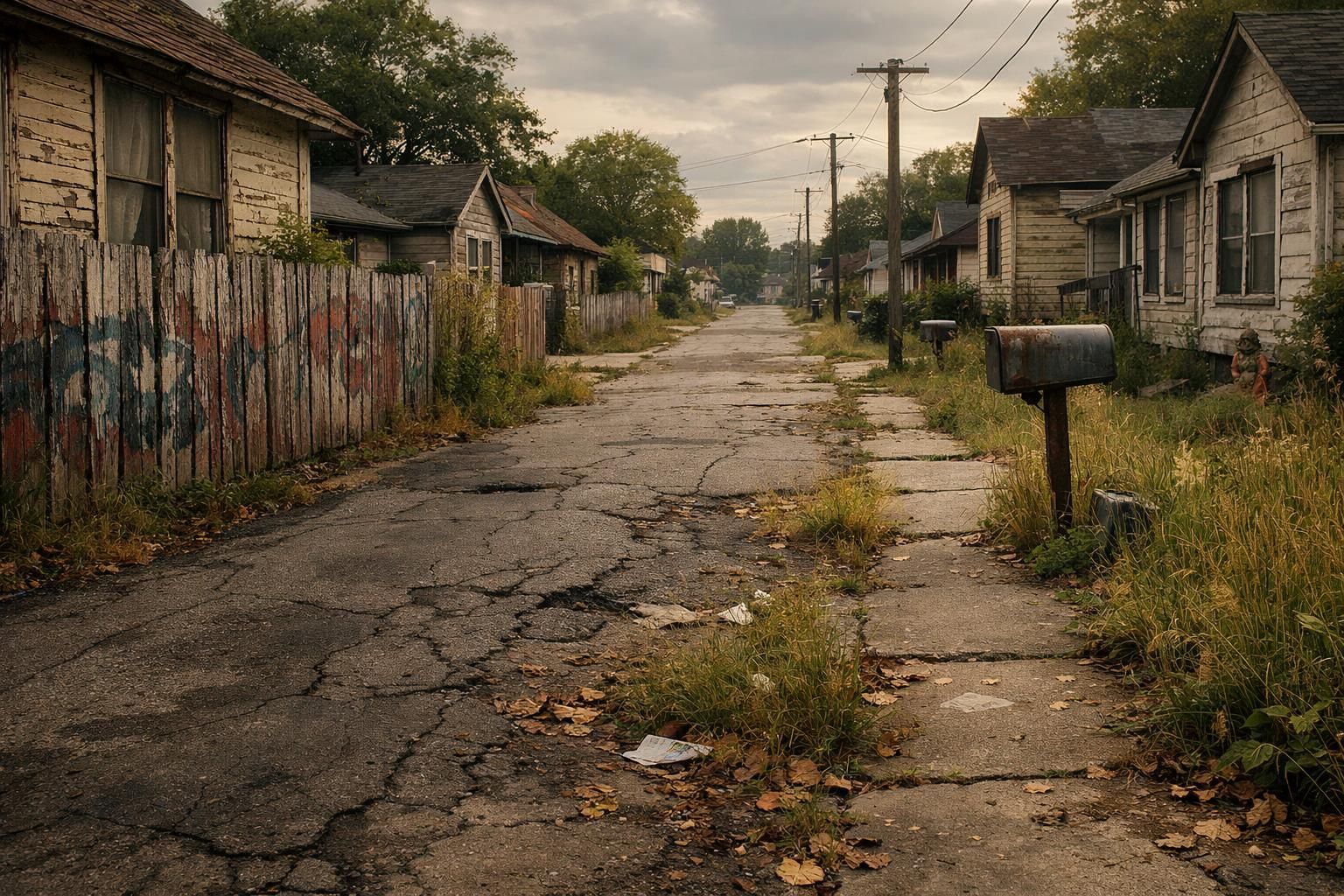
Many Washington home sellers worry that a challenging neighborhood label will hurt their property value. Understanding your local real estate market helps you work with agents and brokers who know how to overcome these challenges.
High crime rates
High crime rates lower property value by 15–20% compared to homes in safer locations, according to the National Association of Realtors. 1 In Washington, lenders require comparable sales within one mile and in similar condition, making it harder for your home to stand out. Security becomes a top concern for buyers and agents during showings.
Practical upgrades like security doors, brighter exterior lighting, or privacy fencing offer the best return on investment in high-crime areas. Washington real estate agents may also suggest listing your house with cash buyers who purchase homes as-is, which lowers time on market.
Washington's seller disclosure law requires you to complete the Seller Disclosure Statement (Form 17), which covers material defects and known neighborhood conditions. While Washington does not mandate disclosure of registered sex offenders by address, buyers can independently check the Washington State Sex Offender Registry. Always consult a Washington-licensed real estate attorney if you are unsure what to disclose.
Declining property values
Declining property values directly impact your selling strategy. Automated valuations like Zillow Zestimate often overestimate homes in these areas by 8–12%. Washington appraisers use conservative figures and compare properties within one mile with similar conditions.
Listings in undesirable Washington locations often stay on the market 40–60% longer than those elsewhere. Investors or cash buyers may offer between 70–85% of After Repair Value (ARV) depending on your home's condition and local trends. If you want to sell fast, focus on accurate pricing backed by recent sales data from a Washington-licensed real estate broker.
Poor school systems
Poor school systems shape the buyer pool in Washington. Many buyers with children research Washington State Report Card school ratings before making a decision. Neighborhoods with lower-performing schools also tend to have more rental homes, which can complicate FHA loan approval.
First-time buyers—particularly younger millennials—may show less concern about local schools if the price is right. Highlight positive features like proximity to parks, community centers, or after-school programs even in lower-rated districts. Washington real estate agents know how to market your home's strengths while remaining honest about school ratings.
Abandoned properties
Abandoned properties can lower property value quickly. These empty homes—common in some Tacoma and Spokane neighborhoods—often sit with overgrown yards and broken windows, making your street look less safe. You can improve the overall appearance by organizing community clean-ups with neighbors.
Investors and cash buyers sometimes overlook abandoned nearby properties because they already know the risks. Traditional buyers may need extra incentives like help with closing costs or a home warranty before purchasing near vacant buildings. Keep your own landscaping crisp and consider power washing to give the best first impression.
Limited buyer interest
Expect buyer interest to be much lower in a challenging Washington neighborhood. Cash investors or house flippers can make up 40–50% of buyers in distressed areas. 2 First-time homebuyers may face additional challenges since FHA loans are often denied if more than half the area's homes are rentals.
To attract investor buyers, focus your marketing on platforms popular among Washington investors or those looking for fixer-uppers. Work with local agents who specialize in distressed properties. Pricing your home 5–10% below similar listings helps overcome buyer hesitation. 2
Price Your Home Realistically
Set your property value based on real Washington sales data and feedback from local agents. Use the Northwest MLS (NWMLS) and recent sales to create a strong starting price.
Research comparable sales in your area
Check recent comparable sales in your Washington neighborhood. Avoid using only automated tools like Zillow Zestimate because they often overvalue homes in challenging areas by 8 to 12 percent. Look at properties with similar square footage, age, and condition within a one-mile radius—Washington lenders require these comps for appraisals.
Consult Washington-licensed real estate agents who know your specific market. Review actual closed sale prices through the NWMLS rather than just asking prices. Price your home about 5 to 10 percent below nearby comparables if property value is dropping; this creates immediate interest from buyers or investors familiar with the area.
Avoid overpricing and consider multiple professional opinions
Ask at least two to three Washington-licensed agents with local expertise for their opinions before setting your price. A knowledgeable agent who has handled tough sales in your county offers insights that generic online tools miss. Houses listed too high spend 40–60% more days unsold in declining Washington neighborhoods.
Seeking a Washington State Certified Residential Appraiser familiar with distressed neighborhoods helps ensure you do not miss out on investors ready to act quickly if the deal is right.
Make Strategic Improvements
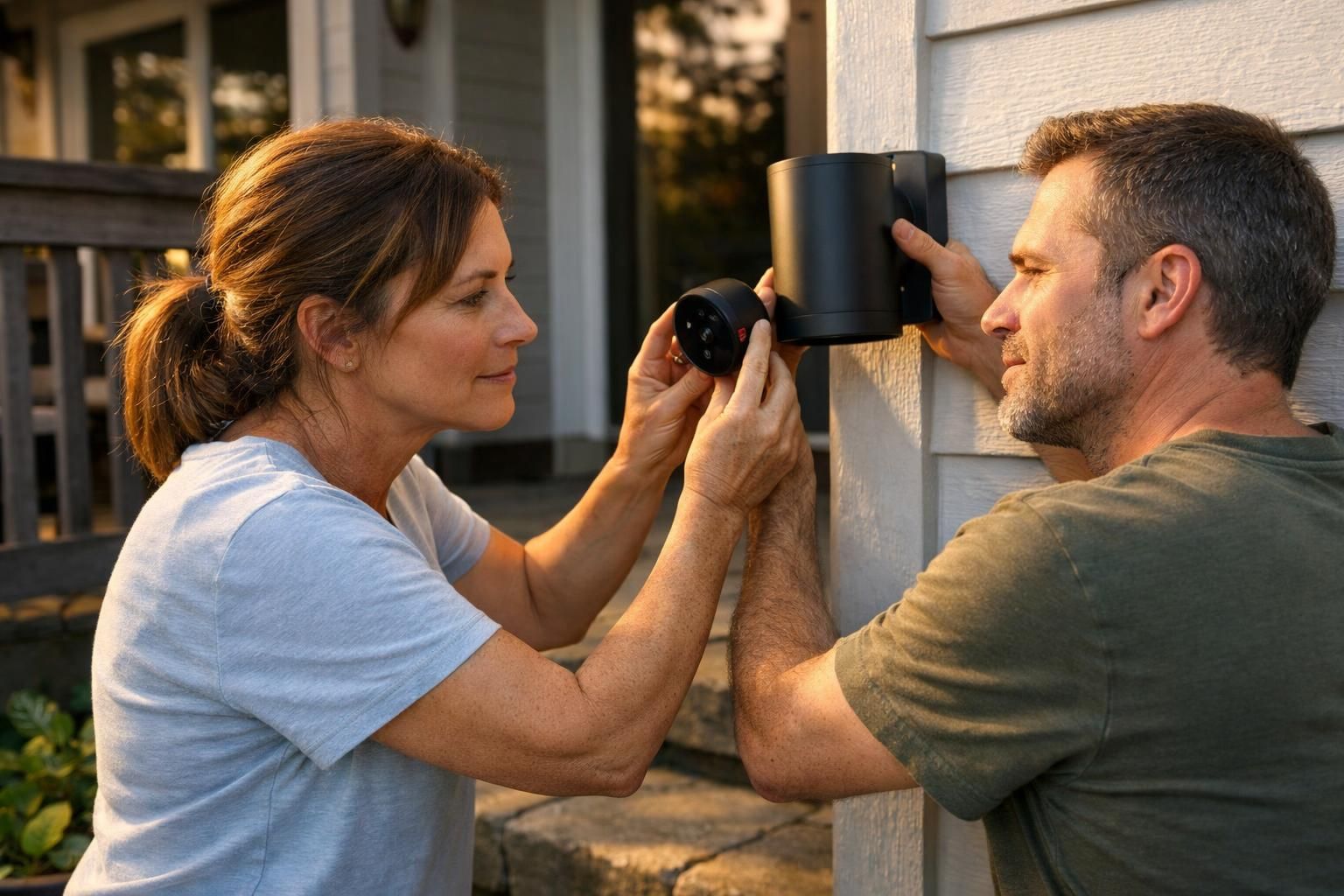
Focus on cost-effective changes that boost curb appeal and make buyers feel comfortable during showings.
Focus on safety features and curb appeal
Install security doors and windows to help buyers feel safe during showings. Add exterior lighting around walkways and porches for better visibility. A security system or privacy fence can reassure first-time buyers who worry about crime rates.
Improve curb appeal with fresh paint on the front door and exterior. Plant flowers or add shrubs to frame entryways. Power wash driveways and steps. Washington's mild spring and summer seasons make it easier to showcase landscaping improvements—buyers notice greener lawns and well-kept gardens right away in cities like Bellevue or Olympia.
Perform deep cleaning and minor repairs
Deep cleaning goes a long way in making your home feel inviting. Remove personal items to help visitors picture themselves living there. Power wash the porch and driveway for a clean exterior that boosts curb appeal. Fix small issues like squeaky door hinges or chipped paint. Update rooms with fresh, neutral paint colors for a bright look. These low-cost improvements can offset negative perceptions about property value and set your listing apart.
Avoid expensive renovations that don't yield returns
Skip major kitchen and bathroom remodels if you are selling in a distressed Washington neighborhood. These expensive renovations often generate only 30 to 40 percent return on investment in lower-value areas. Washington appraisers tend to be conservative and may not reflect the true cost of luxury upgrades in their valuations.
Focus on improvements that matter most: security upgrades, fresh exterior paint, lawn care, and decluttering. Highlight recent repairs during showings instead of pouring money into full-scale renovations that do not pay off.
Effective Marketing Strategies
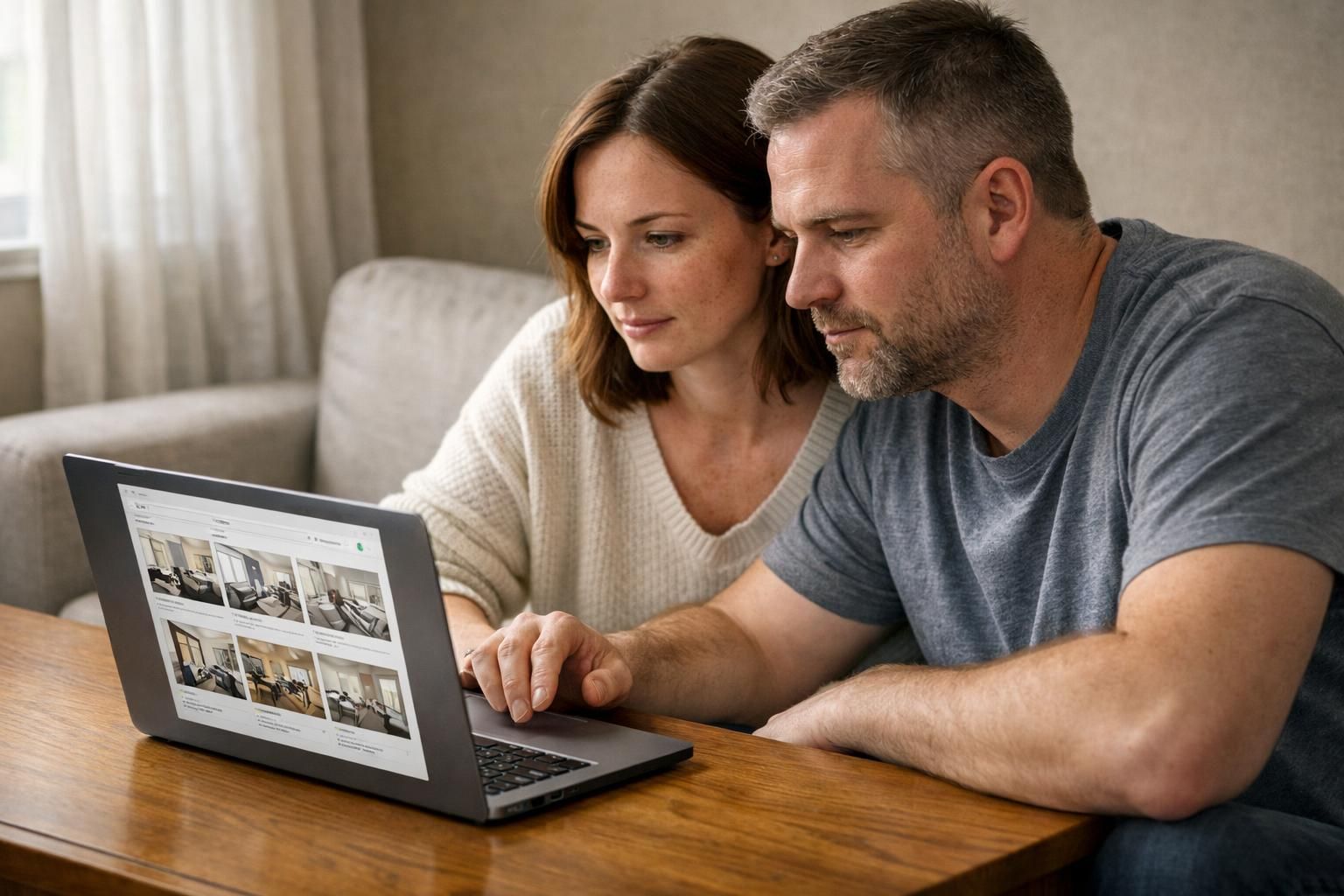
Use professional photos to showcase your home
Listings with 30 or more high-quality images get far more attention than those with only 15 to 20. Hire a skilled real estate photographer who can highlight the best features and use smart angles to minimize signs of an undesirable location. Stage every room before the photo shoot by decluttering, cleaning thoroughly, and adding extra lighting. High-quality visuals help buyers focus on interior strengths instead of worrying about outside factors.
Be transparent about neighborhood realities
Use clear language in your listing to address challenges honestly. Under Washington's seller disclosure law, you are required to complete Form 17 and disclose known material defects. Transparency builds trust with buyers and helps you avoid legal trouble later under Washington State real estate regulations.
Highlight property strengths—recent upgrades, safety features, and home staging efforts—without hiding drawbacks. Targeting investors or cash buyers who understand distressed-area risks can reduce deal fall-throughs and keep negotiations smoother.
Target investors and cash buyers familiar with the area
Washington investors and cash buyers look for homes in neighborhoods with declining property values or below-market prices. Roughly 40–50% of property sales in distressed areas go to cash investors or house flippers. They often pay 70–85% of After Repair Value but offer fast transactions without appraisal or inspection contingencies.
Cash buyers purchase homes outright, skipping long loan approvals. You can close a deal within one to three weeks, saving both time and stress. Listing your home on multiple platforms helps reach these specific groups who value potential over perfect curb appeal.
List on multiple platforms
Post your property on Realtor.com and Zillow to reach buyers statewide and nationally. Use social media like Facebook and Instagram to share posts about open houses. Place neighborhood signs at nearby intersections to drive foot traffic. Hold multiple open house events each month and boost them via social media or Washington-based community groups. Broad listing strategies often bring more showings than expected—sometimes doubling what one platform alone provides.
Consider Alternative Selling Methods
Traditional listing vs. selling to investors or cash buyers vs. auctions
Traditional listings in a challenging Washington neighborhood often take significantly longer to close. Many buyers rely on FHA or conventional loans, but high rental rates or property condition issues may limit their options. Agents suggest pricing competitively and using home staging, yet offers tend to come in lower than expected.
Investors or cash buyers offer as-is sales and can close within one to three weeks. They do not require appraisals or inspections, which reduces the risk of failed transactions. Auctions work well for properties that struggle with traditional sales; they guarantee a sale but often bring lower prices. In Washington, real estate auctions are conducted under the state's statutory framework governing non-judicial sales—consult a Washington real estate attorney if considering this route.
Pros and cons of each approach
A traditional listing can bring the highest property value, but in a bad neighborhood, Washington homes often sit 40–60% longer. You may need to pay for repairs and staging before finding a buyer willing to look past the location. Real estate agents help with paperwork; however, buyers might back out after appraisal or inspection.
Cash buyers offer speed and certainty, closing within one to three weeks without requiring repairs. The downside is that cash offers typically come in 10–30% below market value. Auctions guarantee a sale but often bring the lowest price of all methods, with investors making up most bids.
Safety and Showing Considerations
Show your Washington home only to pre-qualified buyers, and ask your agent about best security practices for open houses. Use smart cameras or video doorbells for extra peace of mind during showings.
Tips for secure showings and screening buyers
Install a reliable security system or set up privacy fencing before any open house. Use exterior lights to boost both real and perceived safety. Schedule showings during daylight hours and highlight local amenities like nearby parks, grocery stores, or Sound Transit access—public transit proximity adds genuine value in many Washington markets.
Store valuables and confidential documents off-site before each tour. Secure all windows and entry doors with proper residential locks. Having your agent present during each showing adds another layer of protection for everyone involved and reassures first-time buyers who may have concerns about community safety.
Being present during tours for added safety
Stay present during each open house or private showing. Your presence discourages theft and vandalism, a real risk in areas with higher crime rates. Ask your agent to log every visitor and confirm all appointments beforehand. Avoid giving keys or access codes to unvetted parties. This active approach reassures buyers about safety concerns and allows you to answer questions on the spot.
Addressing Specific Challenges When Selling
Dealing with Selling a Hoarder House
Deep cleaning and thorough decluttering can raise your property value even in a challenging Washington location. Remove trash, tackle minor repairs, and focus on home staging to improve curb appeal. Washington's seller disclosure requirements (Form 17) still apply—share details about any needed repairs so buyers trust what they see.
Cash buyers and real estate investors often seek hoarder homes because they can purchase as-is and renovate for profit. Traditional buyers may expect incentives like covering closing costs or offering a home warranty. Hoarder houses might sell for 15–20% less than similar homes in better shape, but working with Washington agents experienced in distressed sales helps attract serious offers quickly.
Negotiate Smartly
Stay flexible with offers and use your agent's negotiation skills to protect your property value. Understand what motivates each buyer and work together for a smooth transaction.
Prepare for lower offers
Expect offers to come in 15–20% below what similar homes fetch in safer Washington areas, according to NAR data. Most cash buyers present bids around 70–85% of your home's After Repair Value, reflecting their need for profit and risk management.
Set your listing price 5–10% lower than comparable properties in more desirable locations. This stirs immediate interest among investors or those looking for a deal. If you stay realistic about property value and current Washington market trends, you avoid wasting time on negotiations that go nowhere. 3
Address buyer concerns and offer concessions
Buyers may feel uneasy about property value or safety. Ease those worries by showing recent repairs, upgrades, and security improvements during the open house. Offer to cover closing costs—note that Washington State imposes a Real Estate Excise Tax (REET) on the sale, which is typically the seller's responsibility; being clear about who covers which costs builds buyer confidence.
Consider providing a home warranty to help first-time buyers feel secure. Give repair credits or discounts for issues you cannot fix quickly. Show transparency about neighborhood challenges but focus on solutions, such as soundproof windows for noise problems. Highlighting real efforts builds buyer confidence even in tough Washington markets.
Washington Tax Considerations When Selling
Washington does not have a state income tax, but sellers should be aware of a few key tax factors. Washington's Real Estate Excise Tax (REET) is typically paid by the seller at closing and is calculated on a graduated scale based on the selling price. Additionally, Washington State enacted a capital gains tax on certain long-term capital gains above $262,000 (adjusted annually), though the sale of a primary residence is generally exempt under federal IRS rules if you meet the ownership and use tests. Consult a Washington-licensed tax professional or real estate attorney to understand your specific situation before closing.
Cash Buyer Solutions for a Faster, Stress-Free Sale
Cash buyers provide a fast, reliable way to sell your Washington home in a challenging location. Many purchase properties as-is and close in as little as seven days. 4 You do not have to worry about appraisals or inspections, which reduces the risk of delayed or failed sales.
Most cash buyers pay between 70–85% of your property's After Repair Value. This route helps prevent foreclosure and protects your credit if time is tight. With no open house events required and lower transaction complexity, you can move forward without extra stress while protecting your investment in a challenging Washington neighborhood. 5
Conclusion
A well-planned strategy with the right Washington-licensed real estate agent and marketing tools can help you sell your home, even in a difficult neighborhood.
The right buyer exists—and with multiple strategies available, you can successfully sell your Washington home.
Cash buyers, property investors, and families searching for affordable homes actively seek opportunities in tough Washington markets. Even with higher crime rates or lower school ratings, houses sell every month across the state—from Seattle's more distressed areas to neighborhoods in Tacoma and Spokane.
Set a realistic price based on recent NWMLS sales data. Boost curb appeal with fresh paint and deep cleaning. Complete Washington's required Form 17 seller disclosure accurately. List your home widely and consider a cash buyer solution if you want a quick sale. Targeted strategies improve results even when the timeline is longer than average.
If you are ready to skip the lengthy traditional process, KDS Homebuyers buys houses directly from Washington homeowners for cash—no repairs, no agent commissions, no waiting. Visit kdshomebuyers.net to request your free, no-obligation cash offer today and find out how quickly you can close on your terms.
FAQs
1. How can I improve my property value before selling in a challenging Washington neighborhood?
Focus on repairs, deep cleaning, and simple upgrades. Fix visible issues inside and outside the house. Fresh paint or new fixtures help your property stand out even in a difficult area.
2. What are effective ways to market a Washington home in an area with low demand?
Highlight unique features that set your property apart. Use clear photos and honest descriptions when listing on the NWMLS, Zillow, and Realtor.com. Hosting an open house allows buyers to see the real value for themselves.
3. Does Washington law require me to disclose neighborhood issues to buyers?
Yes. Washington's seller disclosure law requires you to complete Form 17, which covers known material defects. While you are not required to disclose registered sex offenders by address, buyers can access the Washington State Sex Offender Registry independently. Consult a Washington real estate attorney for guidance on your specific disclosures.
4. Can setting the right price help me sell faster in a less desirable Washington area?
Pricing matters most in tough locations. Research recent closed sales through the NWMLS to find fair pricing based on current market data. This attracts serious buyers—including investors—who understand true property value regardless of neighborhood reputation.
References
- ^ https://www.researchgate.net/publication/225361341_Crime_and_Residential_Choice_A_Neighborhood_Level_Analysis_of_the_Impact_of_Crime_on_Housing_Prices
- ^ https://medium.com/@dfwrealtormilat/how-do-you-sell-a-house-in-a-bad-neighborhood-3a4de1cd263f
- ^ https://www.har.com/ri/3566/negotiate-smartly-and-walk-away-from-bad-deals
- ^ https://www.cameronjournal.com/avoiding-foreclosure-how-cash-buyers-can-help/
- ^ https://today.ucsd.edu/story/all-cash-home-buyers-pay-10-less-than-mortgage-buyers
