

How to Sell a House That Needs Repairs (Without Fixing It Up) in Colorado
Selling your home can feel overwhelming, especially if it needs repairs and you cannot fix everything first. 1 Many Colorado owners discover they can sell a house that needs work by listing it "as-is" or working with real estate investors instead of making costly upgrades. 2 This guide gives you clear steps, facts about the Colorado real estate market, and ways to boost curb appeal without major home improvements. Find out how to get honest offers from cash buyers and protect yourself throughout the sale. 3
Key Takeaways
- You can sell a house in need of repairs as-is through a real estate agent, auction, or to cash buyers and investors. Cash buyers often pay 60%–80% of the After Repair Value (ARV) and may close in as little as 7–10 days.
- Colorado law requires full disclosure of known material defects—even during an as-is sale—and you must provide a Seller's Property Disclosure form plus lead-based paint reports for homes built before 1978.
- Simple improvements—like fresh neutral paint, new lightbulbs, decluttering, deep cleaning, and yard work—increase curb appeal without expensive renovations; painting main rooms can boost perceived value by up to 25%.
- Pricing your fixer-upper below local comparable sales attracts more buyers. On average, houses needing repairs sell for over $80,000 less than updated homes and stay on the market about 40% longer.
- Avoid scams by working with Colorado Division of Real Estate–licensed agents who use MLS data and provide written offers. Disclose all repair needs honestly to prevent liability lawsuits that could cost $10,000–$50,000 plus damages.
Understanding Your Situation

Every home has areas that need attention, and some issues affect your market value more than others. A real estate agent or pre-listing inspection gives you a clearer view of what buyers and lenders will notice right away in markets like Denver, Aurora, or Colorado Springs.
Common issues in homes needing repairs (cosmetic vs. structural problems)
Cosmetic repairs often include fixing chipped paint, replacing old lighting fixtures, or cleaning worn carpet. These updates can make a home look better to buyers but do not affect its safety or structure. Minor upgrades like fresh paint and new lightbulbs may boost curb appeal and attract more interest in Colorado's competitive real estate market. 1
Structural problems are far more serious. Common examples include roof replacement, water damage, foundation cracks—especially relevant in Colorado's clay-heavy soils—major electrical concerns, mold remediation, or broken sewer lines. Home inspectors and lenders always flag these material defects during a home inspection or appraisal. Ignoring structural flaws can lower your home's value quickly and cannot be covered up with surface fixes or staging.
Assessing your property honestly and without judgment
Take a walk through your home with fresh eyes. Note every detail, from peeling paint to a sagging roof or outdated electrical work. List which repairs are cosmetic and which may need a contractor estimate. Consult with an experienced Colorado real estate agent early—many provide a do-not-fix list and help separate true issues from items that won't affect market value.
Consider whether specific repairs offer any return on investment. Not all projects recoup their costs at sale time; major renovations might only return 50 cents per dollar spent depending on local conditions. Over-personalized upgrades can turn off buyers more than leaving things as-is. Use a pre-listing inspection to document material defects and avoid surprises during buyer negotiations.
Your Selling Options When Repairs Are Needed

You have choices for selling a house that needs work in Colorado, and each option has benefits and risks.
Traditional listing after repairs
Making key home improvements can help your property stand out in the Colorado real estate market. Replacing a garage door can return up to 194% of its cost, while a steel entry door offers about 188% ROI according to Zonda's 2024 Cost vs. Value Report. 1 Many Colorado buyers look for energy-efficient appliances and smart technology suited to the state's varied climate.
Hiring experienced Colorado real estate agents gives your house more visibility on platforms like Zillow or the MLS. Focus first on safety issues or major defects like roof replacement. Keep project costs in check by not spending more than 10% of home value on renovations. A traditional sale after careful repairs often attracts higher offers from buyers who need fewer lender hassles related to code violations or appraisal problems.
Listing as-is with an agent
You can list your house as-is with a Colorado real estate agent without making repairs. 1 Colorado requires sellers to complete a Seller's Property Disclosure form, which must detail all known material defects including structural problems, water intrusion, and code violations. Buyers still have the right to conduct inspections, and the as-is designation shifts repair negotiations to price rather than eliminating your disclosure obligations.
Your listing goes on the MLS, reaching regular buyers and investors who seek properties needing work throughout the Front Range and beyond.
Selling to a cash buyer or investor
Selling to a cash buyer or investor offers a fast path forward if your Colorado house needs repairs. Cash buyers often close in as little as 7 to 10 days. Most pay between 60% and 80% of the After Repair Value (ARV). For example, if similar Denver-area houses sell for $350,000 after repairs, you might receive an offer around $270,000 if repairs will cost $35,000. Investors factor in repair costs, closing costs, and a profit margin of roughly 20–30%.
Expect a quick walkthrough instead of a full home inspection, with offers arriving within one to three days. This approach suits sellers who value speed over top dollar and need relief from ongoing maintenance costs or lender pressure.
Selling through auction
Auctions can help you sell a Colorado house that needs repairs without making upgrades. Auction platforms and local real estate brokers put your home in front of investors and cash buyers who expect properties with cosmetic issues, code violations, or roof replacement needs. You remain in control by setting a minimum price. The process moves faster than a traditional MLS listing, and you pay lower holding costs because you close sooner and skip most repair negotiations.
What to Disclose When Selling As-Is
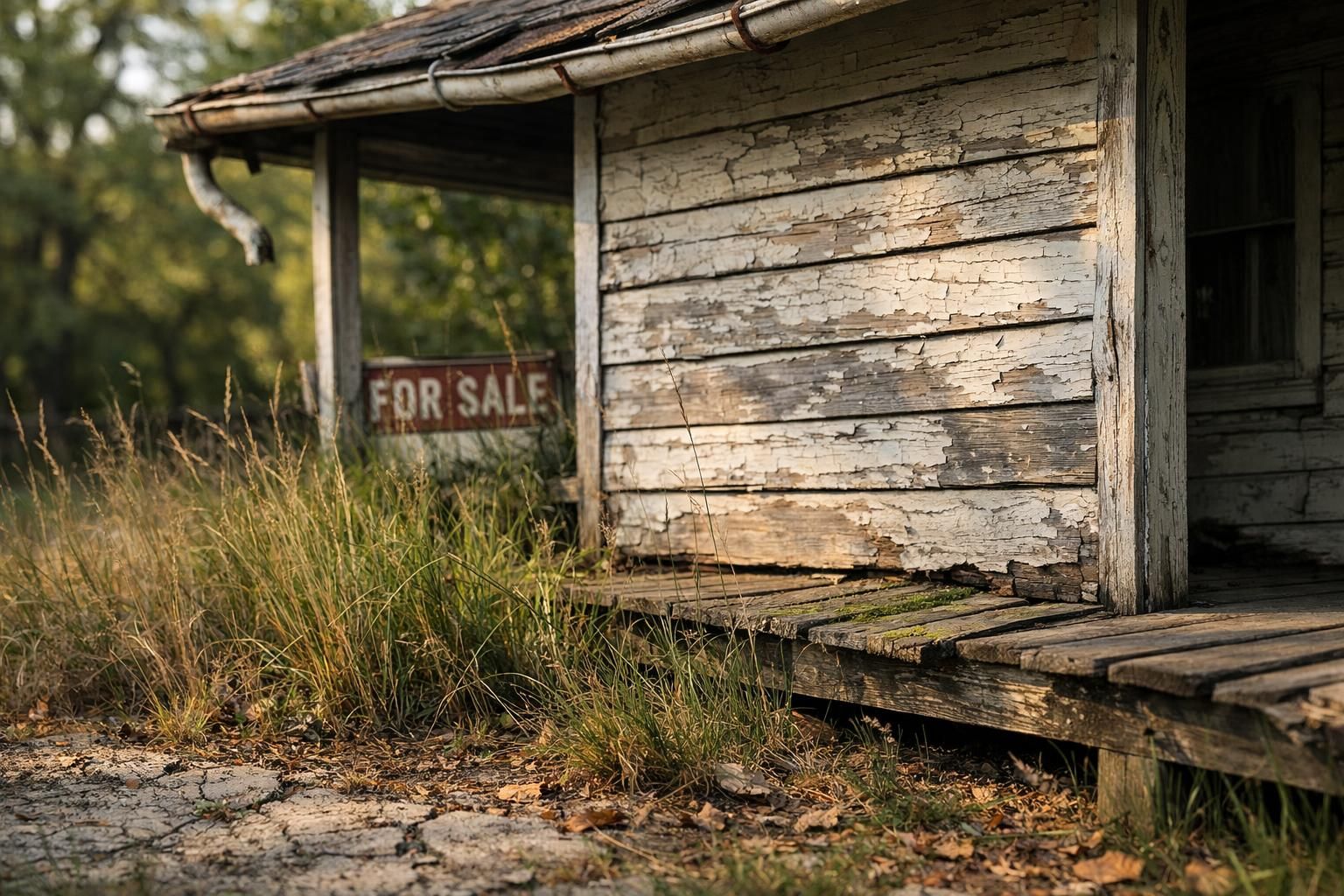
You must share all material defects in an as-is sale to protect yourself and help buyers make informed decisions.
Legal requirements for disclosures in Colorado
Colorado law requires sellers to complete a Seller's Property Disclosure form detailing all known defects, including foundation issues, leaks, roof condition, environmental hazards, and code violations. Federal law separately requires a lead-based paint disclosure for any home built before 1978. Full disclosure is not optional during an as-is sale—you must share known defects in writing regardless of how the property is listed.
Failing to provide required disclosures can allow a buyer to rescind the contract and may expose you to legal penalties. Gather inspection reports, contractor estimates, and repair receipts so buyers have the full picture before closing. Make sure your agent is licensed through the Colorado Division of Real Estate.
Misconceptions about as-is sales
Many homeowners believe an as-is sale means skipping all disclosures—this is false. Colorado real estate law still requires you to disclose material defects even if your listing says "as-is." Some sellers assume a quick cash buyer won't care about inspections, but even investor buyers typically perform due diligence with walkthroughs and contractor estimates. An as-is sale shifts negotiations on repair costs and price; it does not cancel your disclosure responsibilities.
Importance of honesty to protect yourself
Full and honest disclosure of material defects shields you from legal trouble after the sale. 3 Colorado sellers who fail to report known problems—like roof replacement needs, mold, or code violations—risk contract cancellation, costly legal disputes, and damages claims. Real estate agents help guide you through Colorado's disclosure requirements so you stay compliant. 4 Complete transparency builds buyer trust and leads to a smoother closing process.
Preparing Your House Without Major Repairs

You can make your Colorado house more appealing by taking simple steps that do not require big investments. A clean, organized home with strong curb appeal often makes a better first impression and helps you stand out in the local market.
Decluttering and deep cleaning
Remove personal items, family photos, and excess furniture to help buyers envision the space as their own. Deep clean high-traffic areas like kitchens and bathrooms—scrub grout lines, wash windows, and wipe down baseboards. Hire a professional carpet cleaner for stained carpets. Even homes with structural problems show better when everything looks neat and fresh during showings.
Small, affordable fixes that make a big impact
Even if your house needs major work, low-cost improvements help sell it faster in Colorado's market.
- Apply fresh neutral paint to main rooms. This can raise perceived value by up to 25% and often returns over 100% of its cost.
- Replace old lightbulbs with energy-efficient ones and add brighter fixtures where possible—a well-lit home looks more welcoming in MLS photos.
- Caulk seams in bathrooms and kitchens around sinks, tubs, and counters to signal a well-maintained home.
- Tighten loose cabinet handles and fix leaking faucets or toilets to show attention to detail.
- Touch up scuffed doors, trim, and baseboards with matching paint for a polished first impression.
- Power wash patios, walkways, siding, and fences to remove mildew or grime before listing.
- Mow the lawn and trim overgrown bushes—Colorado's dry climate can leave yards looking unkempt quickly, so tidy landscaping signals proper care.
- Gather documentation for past roof replacement, code violations resolved, or contractor estimates so buyers feel confident in what they are purchasing.
Improving curb appeal and gathering documentation
- Clean up the yard by mowing grass, trimming shrubs, and removing weeds.
- Add fresh mulch or seasonal flowers suited to Colorado's climate for color that stands out in listings.
- Pressure wash walkways, siding, and driveways to create a well-maintained appearance.
- Paint or replace the front door for an affordable update that catches a buyer's eye.
- Add new house numbers or a welcome mat as low-cost touches that create a positive first impression.
- Stage your porch or entryway—38% of real estate agents say home staging impacts sales more than repairs, per HomeLight's Top Agent Insights End of Year 2024 report.
- Fix loose railings and patch small cracks on steps or paths for a safer presentation.
- Gather repair estimates from licensed Colorado contractors for large repairs like roof replacement or foundation work to justify your pricing.
- Collect pre-listing inspection reports, recent maintenance receipts, code violation notices, and any reports about material defects to build credibility during negotiations.
Dealing with a Hoarder House
Decluttering is the first step when selling a hoarder house. Tackle one room at a time and remove obvious trash or broken items before deep cleaning. Rent a dumpster for larger cleanouts or hire local junk removal services. A Colorado real estate agent experienced in as-is sales can guide your strategy and set realistic expectations for buyers seeking fixer-uppers through MLS listings or cash buyer channels.
Pricing Strategy for a Fixer-Upper

Researching comparable sales
Look at recent local sales to find homes similar in size, age, and condition. Use the MLS, online real estate sites, or ask a trusted Colorado agent for help. Focus on properties that closed in your neighborhood within the last three to six months. If your property has more cosmetic repairs or structural problems than comparable homes, price it lower to attract buyers looking for a deal. Adjust based on market feedback from showings—if interest is low, make changes quickly rather than waiting.
Understanding ARV and investor offers
ARV stands for After Repair Value—what your house could sell for after all repairs and improvements are complete. Colorado investors use ARV to determine their offer: ARV minus repair costs, minus profit margin, minus holding costs equals the cash offer. Most investors aim for a 20–30% profit margin. For example, if your home's ARV is $350,000 but needs $35,000 in fixes with another $10,000 in holding costs, expect an offer near $270,000—about 77% of finished value. Understanding these numbers helps you manage expectations before accepting any cash offer.
Managing expectations for offers
Homes needing repairs typically attract lower offers in Colorado. On average, houses needing work can sell for over $80,000 less than updated properties and often stay on the MLS about 40% longer. If you list as-is or target cash buyers and investors, prepare for fewer bids and below-market prices. About 15–20% of U.S. home sales are as-is, so competition among similar listings can be stiff. Set realistic goals based on comparable sales data and contractor repair estimates before finalizing your pricing strategy.
Common Pitfalls to Avoid
Recognizing scams and unrealistic pricing traps
Scammers often target Colorado homeowners in tough spots with quick-cash promises and no documentation. Watch for buyers who ask for upfront fees, request personal financial details, or push you to sign agreements without seeing the property. Legitimate cash buyers provide written offers explaining their numbers. Unrealistic pricing traps are common when sellers skip research on local comparable sales—overpriced homes sit longer and typically sell for less after multiple price cuts. 5 Review real MLS data before setting a price.
Avoiding hidden defect liability
Disclose all known material defects in your Colorado home, even if selling as-is. Skipping problems like roof damage, foundation issues, or faulty wiring will not protect you from liability. Colorado sellers are required to complete a Seller's Property Disclosure form, and federal law applies for lead-based paint in pre-1978 homes. Failing to inform buyers about known defects can cost $10,000–$50,000 in legal fees and trigger punitive damages two to three times the actual loss. If unsure about hidden issues, hire a pre-listing inspection to document your home's condition accurately before listing.
Protecting yourself in contracts
Carefully review every contract before signing, especially in an as-is sale. Make sure the agreement has clear language about disclosures and buyer contingencies. The "as-is" clause limits your warranties but does not allow you to conceal known issues. A licensed Colorado REALTOR or real estate agent can help you understand these terms and protect your interests. Buyers often include home inspection contingencies and may renegotiate or walk away if they uncover new major repairs, so staying transparent from the start is your best protection.
Conclusion
You have real options for selling your Colorado house even when it needs repairs. Focus on honest disclosures to protect yourself under state law. Work with a Colorado Division of Real Estate–licensed agent if you want the best price on the open market. Highlight your home's strengths in the listing and set a fair price using comparable sales data from the MLS. With smart planning and an open approach, you can sell your home as-is while meeting your goals.
FAQs
1. What does selling a house as-is mean in Colorado?
Selling as-is means you offer your home without making repairs or improvements. Buyers see the property with all its known defects and agree to take on responsibility for needed work—but Colorado law still requires you to complete a Seller's Property Disclosure form.
2. How should I price my Colorado house if it needs major repairs?
Compare recent sales of similar homes in your area that also needed work. Factor in repair estimates, possible code violations, and holding costs to set a realistic price that attracts serious buyers.
3. Should I get a pre-listing inspection when selling a fixer-upper in Colorado?
A pre-listing inspection helps identify structural problems or cosmetic issues buyers would flag during their own inspection. It builds trust and can speed up negotiations with cash buyers or traditional buyers.
4. Can I sell my Colorado house without a real estate agent if it has many issues?
Yes; some owners choose FSBO to avoid agent fees, but listing on the MLS through a licensed Colorado real estate professional often attracts more serious cash offers and provides guidance on required disclosures.
5. Who buys houses needing major repairs in Colorado?
Cash buyers and investors throughout the Front Range—including the Denver metro and Colorado Springs markets—look for homes with deferred maintenance or major repair needs because they plan upgrades for a higher return on investment. These buyers typically close fast and expect a below-market price instead of seller-funded fixes.
6. Do small curb appeal improvements help sell damaged Colorado properties faster?
Simple steps like tidying the yard and freshening paint boost first impressions even when you skip full staging. In Colorado's climate, a well-maintained exterior signals proper care and can attract more interest from buyers looking for value despite the property's condition.
If you own a Colorado home that needs repairs and want a straightforward path to selling, KDS Homebuyers purchases houses directly for cash—no repairs, no commissions, and no lengthy waiting periods. Visit kdshomebuyers.net to request your free cash offer today.
References
- ^ https://www.zillow.com/learn/how-to-sell-a-house-as-is-when-it-needs-repairs/ (2025-05-13)
- ^ https://trerc.tamu.edu/article/navigating-as-is-sale-2381/ (2023-05-24)
- ^ https://www.nar.realtor/the-facts/consumer-guide-seller-disclosures
- ^ https://www.ramseysolutions.com/real-estate/selling-a-house-as-is?srsltid=AfmBOopA9P71RF-ErmZ6qV83QrPmzmxl_hsbex7AQF6t0LljkC57QM3X
- ^ https://smithspencer.com/house-pricing-mistakes-to-avoid-common-pitfalls-and-how-to-prevent-them/ (2024-12-15)
