

Selling a House With Asbestos: Disclosure, Removal, and Options in Colorado
Discovering asbestos in your home can make selling feel overwhelming, especially in Colorado where many older homes in Denver, Aurora, and Colorado Springs were built during the mid-20th century construction boom. About half of homes built before the 1980s contain this dangerous material, linked to serious health risks including lung cancer. 2 This guide walks you through Colorado's legal disclosure requirements, testing, removal options, and how to sell safely and confidently.
Key Takeaways
- About 50% of U.S. homes built before the late 1970s contain asbestos, often in popcorn ceilings, floor tiles, or pipe insulation — a common issue in Colorado's older housing stock.
- Federal law (EPA and TSCA) requires homeowners to disclose known asbestos when selling; Colorado state law adds additional disclosure obligations through the Colorado Seller's Property Disclosure form.
- Professional asbestos testing by certified inspectors costs $230–$780 on average; DIY kits ($30–$60) must be sent to an EPA-certified lab for results.
- Asbestos abatement in Colorado ranges from $1,500 for popcorn ceiling removal up to $30,000+ for full-house remediation; encapsulation can cost 15–50% less than full removal.
- Selling options include: remediating before sale for higher value; selling as-is with disclosure (typically a 5–15% price discount); or selling to a cash buyer who handles hazardous material issues after closing.
Colorado homeowners have clear options when asbestos is discovered.
Finding asbestos in your home does not have to stop your sale. An estimated 50% of U.S. houses built before the late 1970s contain asbestos-containing materials (ACMs) like popcorn ceilings, floor tiles, pipe insulation, or siding. In Colorado, this is especially relevant in older Denver bungalows, mid-century Colorado Springs ranch homes, and Lakewood properties built during post-war growth.
You have real choices: professional asbestos removal or abatement before listing, transparent disclosure under Colorado and federal law while selling as-is, or a direct sale to a cash buyer who manages remediation after closing. Acting promptly — testing suspected areas and documenting results — protects both your family and future buyers while keeping your transaction on track.
What Homeowners Need to Know About Asbestos
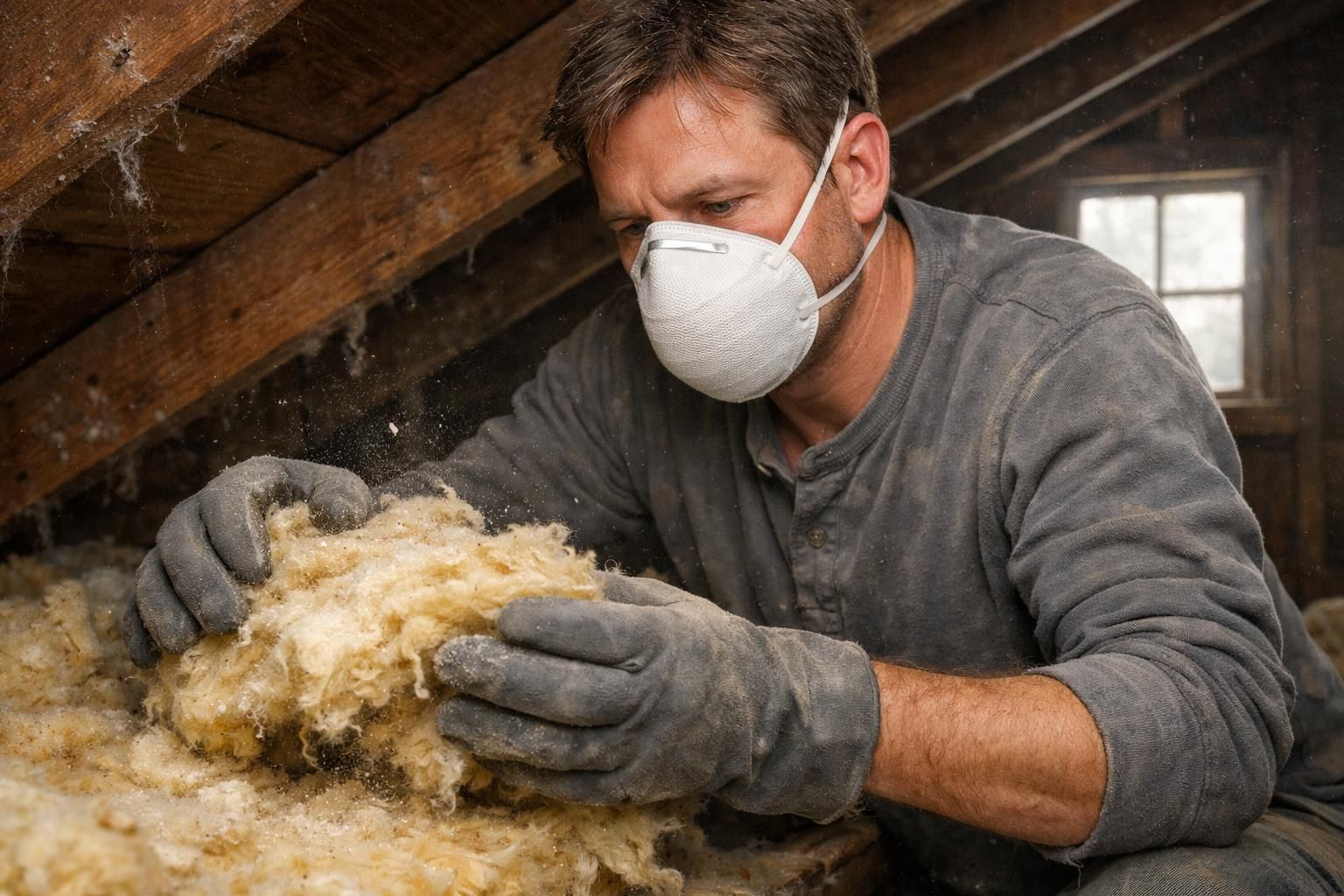
You may find asbestos-containing materials in older Colorado homes, such as insulation or popcorn ceilings. Exposure to asbestos fibers occurs when these hazardous materials become damaged or disturbed during renovations.
What asbestos is and why it was used (pre-1980s construction).
Asbestos refers to a group of six natural minerals — including chrysotile and amosite — that were common in home construction before the 1980s. Builders valued asbestos-containing materials for their strength, fireproofing, and insulation properties. For decades, contractors mixed asbestos fibers into popcorn ceilings, floor tiles, pipe wrap insulation, siding, roofing shingles, and wallboards.
Most homes built before 1990 contain some form of asbestos if they have not been renovated. Use declined sharply after the late 1970s when health risks became clear. The U.S. Environmental Protection Agency began banning many asbestos products under the Toxic Substances Control Act (TSCA), and in March 2024 the Biden Administration finalized a rule phasing out new uses of chrysotile asbestos over twelve years.
Common locations: popcorn ceilings, floor tiles, insulation, siding, pipe wrap.
In Colorado homes, asbestos-containing materials commonly appear in popcorn ceilings installed before 1979, 9x9-inch vinyl or asphalt floor tiles, pipe insulation near boilers and furnaces, and exterior siding or roofing felt. Attic vermiculite insulation — such as Zonolite — may also contain asbestos. Watch for crumbling ceiling pieces, worn pipe wrap, or loose siding; these are signs you need prompt testing by a certified inspector.
Why it matters: health risks only when disturbed or friable.
Asbestos-containing materials stay safe if left intact. Problems start when materials become friable — crumbling easily and releasing fibers into the air. Sanding, drilling, or removing popcorn ceilings in older Colorado homes can trigger this hazard.
Breathing asbestos fibers puts you at risk for lung cancer, asbestosis, pleural disease, and mesothelioma — conditions that may take 30 to 40 years to show symptoms. Federal law enforces strict regulations through the EPA under TSCA and NESHAP; OSHA protects workers during abatement. DIY handling can worsen risks, and fines for improper handling exceed $25,000 per day. Always rely on certified inspectors before any renovation or sale.
Legal Disclosure Requirements in Colorado

You must disclose any known asbestos-containing materials when selling a Colorado home. Failing to do so can result in legal action, financial liability, and cancellation of the sale.
Federal vs. Colorado state disclosure laws.
Federal law under the EPA requires disclosure of known hazardous materials like asbestos but does not require removal before selling. Colorado goes further. State law requires sellers to complete the Colorado Seller's Property Disclosure form, which specifically asks about known environmental hazards including asbestos. Sellers must disclose any known presence of ACMs on this form.
Colorado also follows the Colorado Consumer Protection Act, which prohibits deceptive trade practices — including concealing known defects like asbestos. Failure to disclose can expose sellers to fraud claims and significant financial liability. Working with a Colorado real estate attorney or broker familiar with these requirements protects your interests throughout the transaction.
What "known presence" means and consequences of failing to disclose.
"Known presence" means you are aware your home contains asbestos-containing materials — whether from prior testing, contractor work, or your own knowledge. If a certified lab has tested for asbestos or a contractor performed any abatement, you must share that documentation with buyers.
Hiding this information on Colorado's disclosure form or misrepresenting the property's condition can result in lawsuits, sale cancellation, and financial damages. Full transparency builds trust, avoids costly legal disputes, and is required by Colorado law. 1
Testing and Inspection
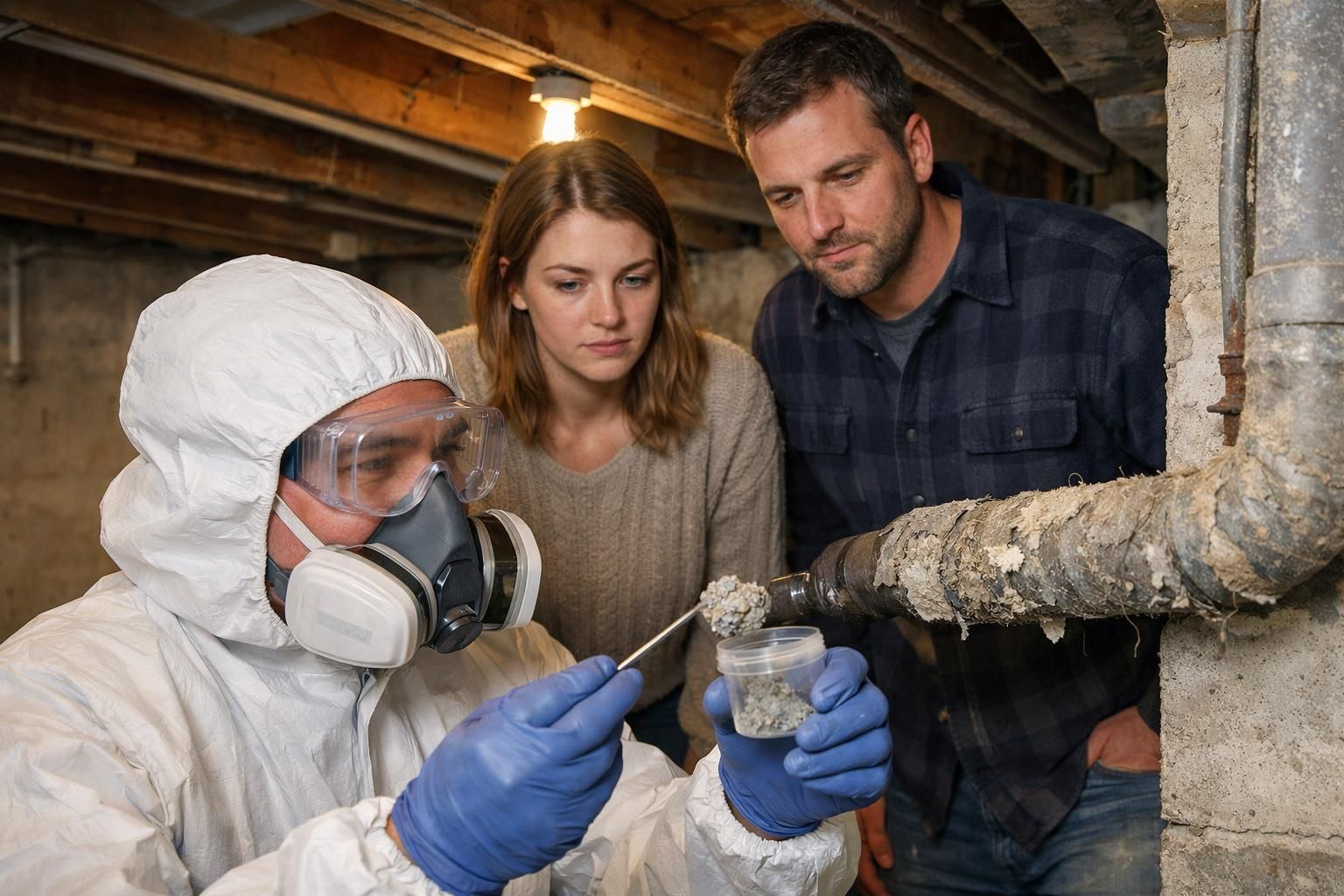
Professional asbestos testing by Colorado-certified inspectors helps you avoid health risks and legal trouble — and supports a smoother home sale.
When testing is recommended or required.
If your Colorado home was built before 1990 and shows signs of damage — crumbling insulation, deteriorating popcorn ceilings, or loose siding — arrange testing by a Colorado-certified asbestos inspector. Do not collect samples yourself due to the health risks from airborne fibers.
Many buyers and real estate agents request testing when hazardous materials are suspected or major renovations are planned. FHA and VA loan programs may require inspection and remediation before closing. Testing provides documentation that supports buyer-seller negotiations and builds confidence in the transaction.
Cost ranges, certified inspectors, and the testing process.
At-home asbestos test kits cost $30–$60 but must be sent to an EPA-certified lab; mail-in testing runs $50–$180 per sample. On-site professional testing in Colorado typically costs $230–$780, while air quality monitoring can reach $1,200.
Colorado requires asbestos inspectors and abatement contractors to be certified through the Colorado Department of Public Health and Environment (CDPHE). Certified inspectors use licensed labs and specialized equipment to examine samples. After any removal or remediation, clearance testing takes an additional 2–5 days to confirm the space is safe. Final test results typically arrive within three to seven days of inspection.
Options for Selling a House with Asbestos in Colorado
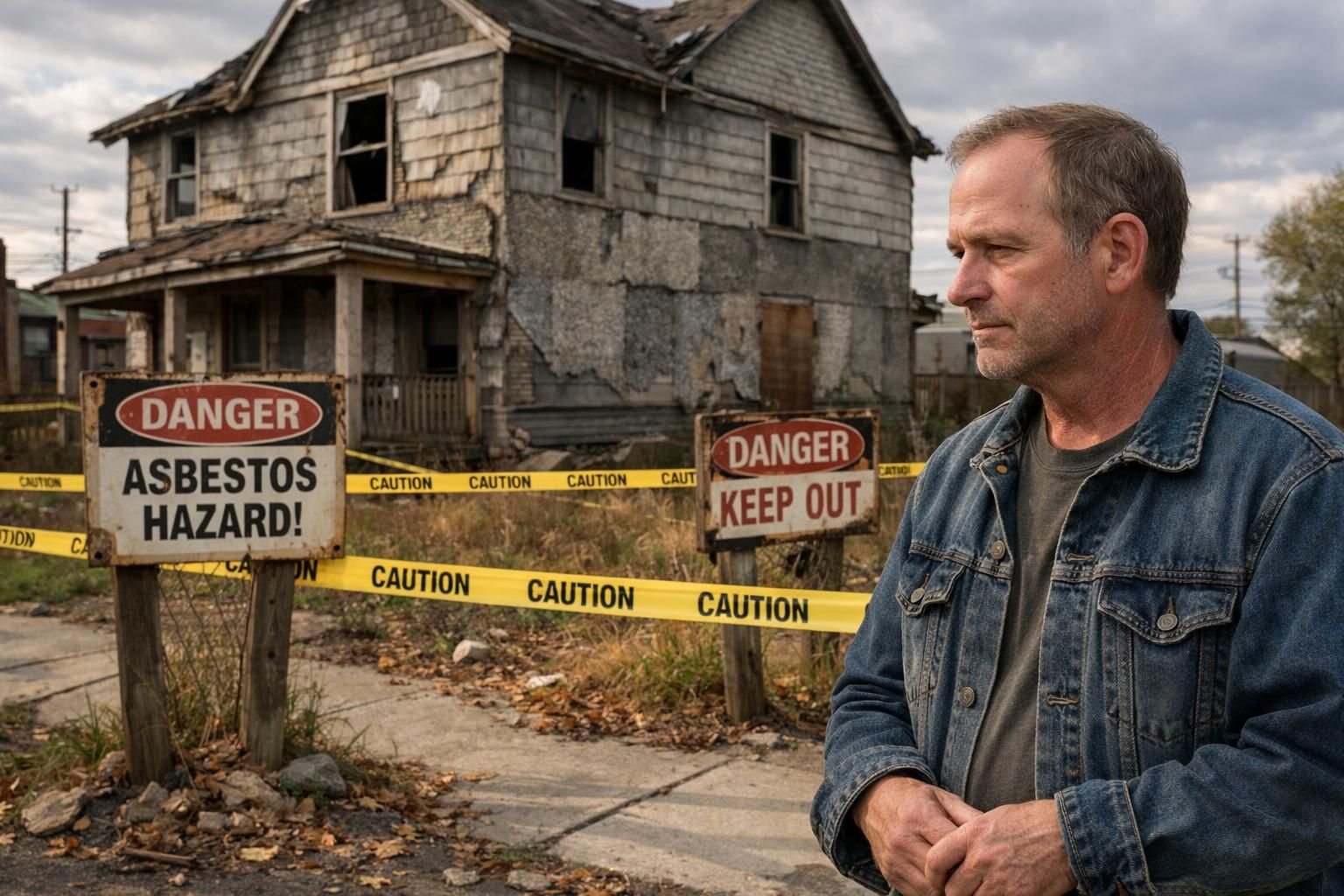
You have several paths to sell a Colorado home with asbestos. Understanding each option helps you protect your health, finances, and timeline.
Remove/remediate before selling: process, costs, and impact on sale price.
In Colorado, all asbestos abatement work must be performed by CDPHE-certified contractors. Licensed teams seal off affected rooms, shut down HVAC systems, and use HEPA vacuums and wet-cleaning methods. The home must remain vacant for at least 48 hours during removal.
Typical Colorado costs: popcorn ceiling removal runs $1,500–$7,000; floor tile removal ranges $3,000–$8,000; full home abatement can exceed $30,000. Attic vermiculite removal often costs around $15,000. Encapsulation — sealing materials in place — can cost 15–50% less than full removal and may be appropriate depending on the condition and location of ACMs.
Colorado requires permits for asbestos abatement projects, and CDPHE must be notified for projects above certain thresholds. Clearance testing and permitting can add two to six weeks to your timeline. Completing remediation before listing typically supports a higher sale price and broader buyer appeal.
Sell as-is with disclosure: price adjustments, marketing, and negotiations.
Selling as-is with full disclosure on Colorado's Seller's Property Disclosure form is a legally compliant and valid option. Most buyers expect a discount of 5–15% depending on the extent and location of asbestos. 2 You can offer remediation credits during negotiations rather than completing costly work yourself.
Investors, flippers, and buyers planning renovations frequently target Denver and Aurora properties with known hazardous materials. Be aware that FHA and VA loan programs may restrict purchase eligibility if friable asbestos is present, which can limit your buyer pool. Honest, documented disclosure reduces legal risk and builds buyer confidence.
Sell to a cash buyer: fastest and simplest option.
A cash buyer can make selling a Colorado home with asbestos faster and far less stressful. Cash buyers accept homes with hazardous materials in as-is condition and handle any needed remediation after closing. You skip asbestos abatement costs, clearance testing, permit delays, and lender restrictions entirely.
Cash offers typically reflect the estimated remediation cost, but the speed and certainty can outweigh the difference — especially if you need to close quickly or cannot afford upfront abatement costs. Always provide complete documentation of known ACM locations. This option works well for Colorado homeowners in probate situations, co-ownership disputes, or simply those who want a smooth, straightforward sale. 3
Working with Buyers and Their Concerns

Buyers may raise concerns during the home inspection if they identify asbestos-containing materials. Having clear documentation from CDPHE-certified inspectors and your real estate agent ready helps support smooth negotiations.
Negotiations triggered by inspection findings.
When a Colorado home inspection flags ACMs, buyers may request a price reduction or remediation credits. FHA and VA lenders often require abatement of friable asbestos before loan approval, which can affect your timeline and buyer pool.
Gather documentation of all testing, CDPHE-certified abatement work, permits, and clearance results. Sharing this paperwork with your agent and prospective buyers builds confidence and reduces the risk of buyers involving attorneys due to incomplete disclosure. Presenting proof of past remediation or encapsulation typically streamlines negotiations and supports a stronger sale price. 4
Loan restrictions (FHA/VA) and preparing documentation for buyers.
VA and FHA loans present challenges when friable or exposed asbestos is present in a Colorado home. These programs typically require encapsulation, containment, or full removal by a CDPHE-certified contractor before closing. Buyers using these loans must provide detailed abatement reports to their lenders.
As a seller, prepare a complete file: asbestos test results, identified ACM locations, CDPHE notification records, permits, clearance test results, and contractor invoices. Thorough documentation helps buyers qualify for financing, prevents delays, and demonstrates good-faith compliance with Colorado disclosure law.
Cost-Benefit Analysis
Weigh the costs of abatement, removal, or encapsulation against Colorado market conditions and your expected sale price. A Colorado real estate broker familiar with hazardous materials regulations can help you make an informed decision based on your specific property and neighborhood.
Compare costs, timelines, and market conditions for each option.
Full abatement in Colorado costs $1,500 for smaller jobs up to $30,000+ for whole-home remediation. Encapsulation runs 15–50% less and may suit properties where ACMs are stable and non-friable. Permitting and clearance testing add two to six weeks to the sale timeline.
Selling as-is with proper Colorado disclosure typically brings offers 5–15% below market value. Cash buyers close much faster — sometimes within ten days — eliminating holding costs, lender delays, and abatement expenses, though their offers reflect the estimated remediation cost. In competitive Colorado markets like Denver, investors actively seek older properties with known issues at reduced prices. Each path involves trade-offs between upfront expense, time on market, and final sale price.
Conclusion
Asbestos does not make your Colorado home unsellable. Federal law requires disclosure, not removal, and many buyers — especially investors — are comfortable purchasing older homes with known ACMs. Whether you choose professional remediation through a CDPHE-certified contractor, an as-is sale with full disclosure on Colorado's Seller's Property Disclosure form, or a direct cash sale, practical options exist for every budget and timeline.
Consult a Colorado real estate attorney or certified inspector to understand your specific obligations under state law and protect yourself throughout the transaction. Every homeowner facing this challenge has a path forward.
FAQs
1. What must Colorado homeowners disclose about asbestos when selling?
Colorado sellers must complete the Seller's Property Disclosure form and disclose any known asbestos-containing materials. Concealing known hazards violates Colorado disclosure law and can result in fraud claims and financial liability.
2. Does Colorado require asbestos removal before selling a home?
No. Colorado law requires disclosure of known ACMs, not removal. However, FHA and VA loan programs may require abatement of friable asbestos before approving financing.
3. Who can perform asbestos testing and abatement in Colorado?
Asbestos inspectors and abatement contractors in Colorado must be certified through the Colorado Department of Public Health and Environment (CDPHE). Using uncertified contractors can result in fines and legal liability.
4. How do FHA or VA loans affect selling a Colorado home with asbestos?
These government-backed loan programs often require remediation of friable or exposed asbestos before closing, which can limit your buyer pool if you sell as-is. Cash buyers are not subject to these restrictions.
5. Should I hire a Colorado real estate attorney when selling a home with asbestos?
Yes. Legal counsel ensures proper documentation, compliance with Colorado disclosure law, and protection from post-closing disputes related to undisclosed hazardous materials.
References
- ^ http://cloud.onlineed.com/resources/00001301.pdf
- ^ https://manuelcapital.com/blog/can-you-sell-a-house-with-asbestos (2026-01-30)
- ^ https://www.heraldtribune.com/story/business/real-estate/2021/04/04/real-estate-matters-homebuyer-seeks-help-over-seller-disclosure/6972916002/
- ^ https://www.veteransunited.com/realestate/seller-disclosures-on-va-loans/
If you own a Colorado home with asbestos and want to skip the abatement process entirely, KDS Homebuyers purchases houses as-is throughout Colorado — no repairs, no remediation, no agent commissions. Visit kdshomebuyers.net to request a free, no-obligation cash offer and find out how quickly you can close on your terms.
