

Selling a House With Asbestos: Disclosure, Removal, and Options in Washington
Discovering asbestos in your home can make selling feel overwhelming, especially in Washington state where older housing stock is common in cities like Seattle, Tacoma, and Spokane. About half of homes built before the 1980s contain this dangerous material, linked to serious health risks including lung cancer. 2 This guide covers Washington's disclosure requirements, testing, removal options, and your best paths to a successful sale. 3
Key Takeaways
- About 50% of U.S. homes built before the late 1970s contain asbestos, often in popcorn ceilings, floor tiles, or pipe insulation.
- Washington state law requires sellers to disclose known asbestos on the Seller Disclosure Statement (Form 17); failure to do so can result in lawsuits and financial liability.
- Professional asbestos testing by certified inspectors costs $230–$780 on average; DIY kits ($30–$60) must be sent to an EPA-certified lab for valid results.
- Asbestos abatement in Washington ranges from $1,500 (popcorn ceiling removal) to $30,000+ for full-house remediation; encapsulation can cost 15–50% less than full removal.
- Selling options include: remediating before sale for higher value; selling as-is with disclosure (typically a 5–15% discount); or selling to a cash buyer who handles remediation after closing.
Washington Homeowners Have Clear Options When Asbestos Is Present
Finding asbestos in your home is stressful, but you are not alone. An estimated 50% of homes built before the late 1970s contain asbestos-containing materials (ACMs) such as popcorn ceilings, floor tiles, pipe insulation, or siding. Washington's older housing markets — including neighborhoods in Seattle, Tacoma, and Bellevue — are particularly affected.
You have real choices: professional removal before listing, selling as-is with full disclosure under Washington law, or selling directly to a cash buyer who manages remediation after closing. Acting early — testing suspected areas and documenting findings — builds buyer trust and keeps your transaction on track.
What Homeowners Need to Know About Asbestos
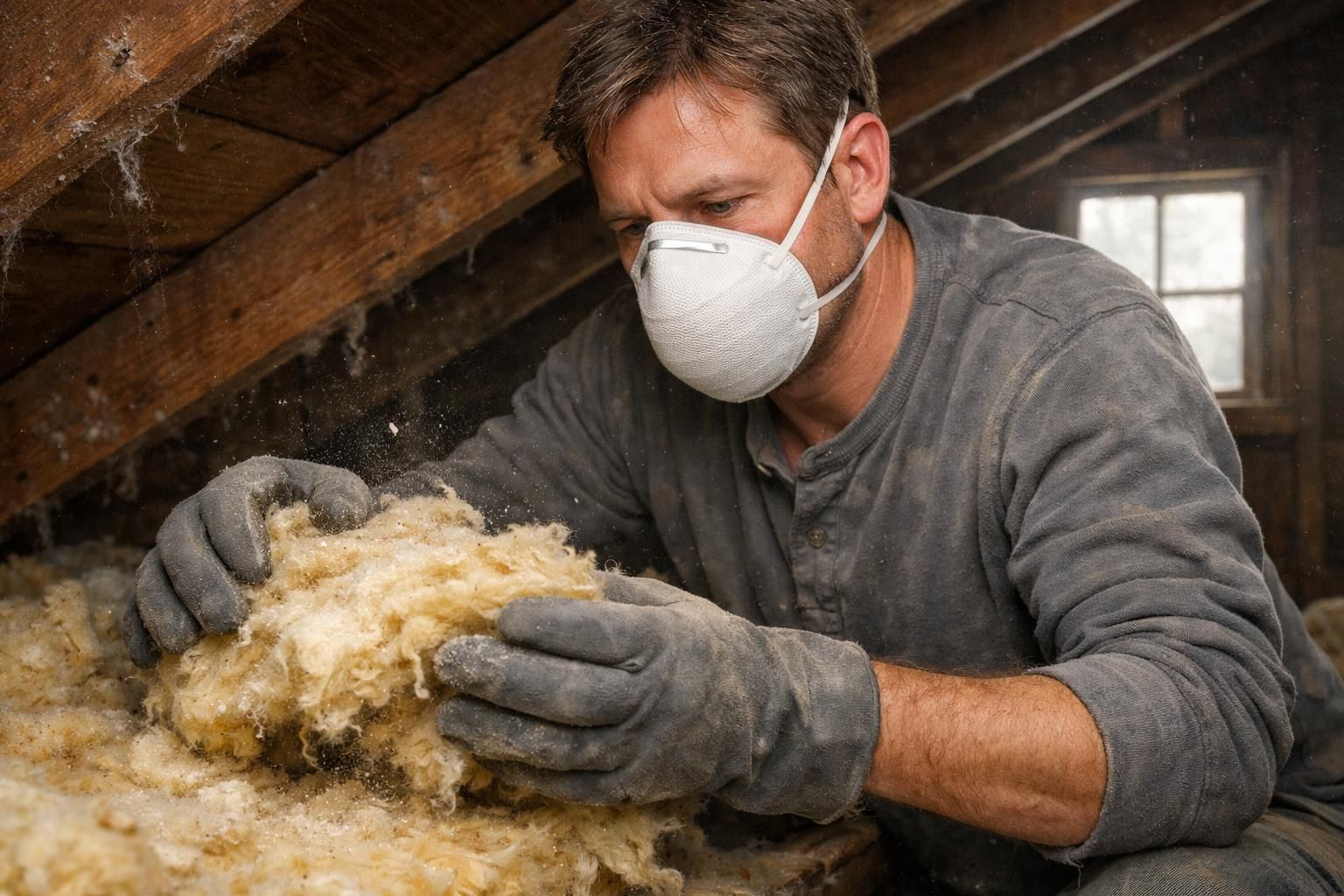
You may find asbestos-containing materials in older Washington homes, particularly in insulation, popcorn ceilings, and siding. Exposure to asbestos fibers occurs when these materials become damaged or are disturbed during renovations.
What asbestos is and why it was used (pre-1980s construction).
Asbestos refers to a group of six natural minerals — including chrysotile and amosite — that were widely used in home construction before the 1980s. Builders valued asbestos-containing materials for their strength, fire resistance, and insulation properties. Contractors mixed asbestos fibers into popcorn ceilings, floor tiles, pipe wrap insulation, siding, roofing shingles, and wallboards.
Health risks became clear in the late 1970s, prompting the U.S. Environmental Protection Agency to begin banning many asbestos products under the Toxic Substances Control Act (TSCA). In March 2024, a federal rule began phasing out new uses of chrysotile asbestos. Washington state has also adopted rules through the Department of Labor & Industries (L&I) and the Department of Ecology regulating asbestos handling and disposal. Existing homes with ACMs remain subject to state and federal disclosure and abatement requirements.
Common locations: popcorn ceilings, floor tiles, insulation, siding, pipe wrap.
In Washington homes built before 1980, you may find asbestos in textured popcorn ceilings, 9x9-inch vinyl or asphalt floor tiles, and their adhesive backing. Pipe insulation near boilers and furnaces is another frequent source. Siding, roofing felt, window caulking, and attic vermiculite insulation (such as Zonolite) may also contain ACMs. Watch for loose pipe wrapping, crumbling ceiling material, or worn seals — these are signs that professional testing is needed.
Why it matters: health risks only when disturbed or friable.
Asbestos-containing materials stay safe when left intact. Problems arise when materials become friable — crumbling or releasing fibers during sanding, drilling, or renovation. Breathing asbestos fibers increases the risk of lung cancer, asbestosis, pleural disease, and mesothelioma, often with a 30–40 year latency period.
Washington's Department of Labor & Industries enforces strict worker safety rules for asbestos handling, and the Department of Ecology regulates disposal. Improper DIY removal can result in federal fines exceeding $25,000 per day. Always rely on certified inspectors before renovating or listing a home with suspected ACMs.
Legal Disclosure Requirements in Washington

Washington law requires you to disclose known asbestos on the state's Seller Disclosure Statement. Failing to disclose can expose you to lawsuits, financial penalties, and cancellation of the sale.
Federal vs. Washington state disclosure laws.
At the federal level, the EPA requires sellers to disclose known hazardous materials but does not mandate removal before sale. Washington goes further: the Washington Seller Disclosure Act requires sellers to complete Form 17, which includes questions about known environmental hazards such as asbestos. Sellers must answer these questions honestly based on their actual knowledge.
Washington's disclosure law applies to most residential real estate transactions. Working with a Washington-licensed real estate attorney or broker ensures you complete Form 17 correctly and protects you from future liability. The Washington State Department of Ecology also has rules governing asbestos abatement projects, adding another layer of compliance for sellers who choose to remediate before listing.
What "known presence" means and consequences of failing to disclose.
"Known presence" means you are aware your home contains ACMs — whether from prior testing, contractor work, or inspection records. If an EPA-certified lab confirmed asbestos or if abatement was performed, you must disclose this on Form 17 and share all related documentation with buyers.
Failing to disclose can result in lawsuits for misrepresentation or fraud, rescission of the sale, and significant financial liability under Washington consumer protection law. Courts in Washington have consistently held sellers accountable for material omissions in residential transactions. Full transparency protects both parties and supports smoother buyer-seller negotiations. 1
Testing and Inspection
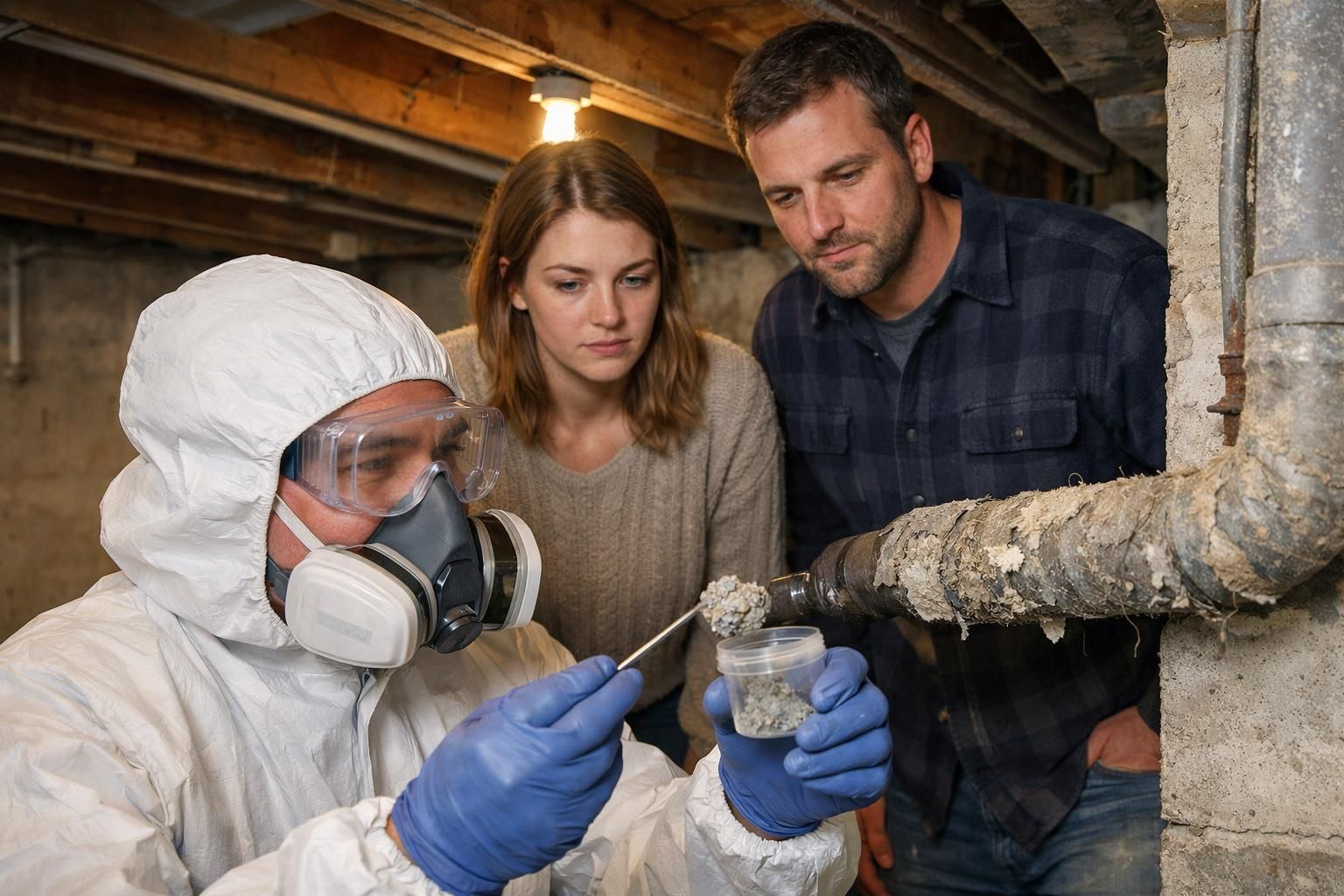
Professional asbestos testing by certified inspectors protects your health and keeps your Washington home sale legally sound.
When testing is recommended or required.
Testing is recommended for any Washington home built before 1990 that shows signs of damage — crumbling insulation, loose siding, or deteriorating ceiling texture. Buyers and their agents frequently request asbestos testing before finalizing offers, particularly for older homes in Seattle's historic neighborhoods or Tacoma's pre-war housing stock.
Some sales situations — particularly those involving FHA or VA financing — may require inspection reports addressing hazardous materials. Washington's Department of Labor & Industries requires certified asbestos surveys before any demolition or major renovation. Never collect samples yourself; only certified professionals should handle suspected ACMs.
Cost ranges, certified inspectors, and the testing process.
At-home asbestos test kits cost $30–$60, but samples must go to an EPA-certified lab. Mail-in testing runs $50–$180 per sample. On-site professional testing typically costs $230–$780, and air quality monitoring can reach $1,200. Washington inspectors certified by the Washington State Department of Labor & Industries use licensed labs and microscopy equipment to analyze bulk and air samples.
After abatement work, clearance testing takes an additional 2–5 days to confirm the space is safe. Final test results generally arrive within three to seven days. Proper documentation from a certified Washington inspector gives buyers and lenders the confidence needed to move forward with financing and closing.
Options for Selling a House with Asbestos in Washington
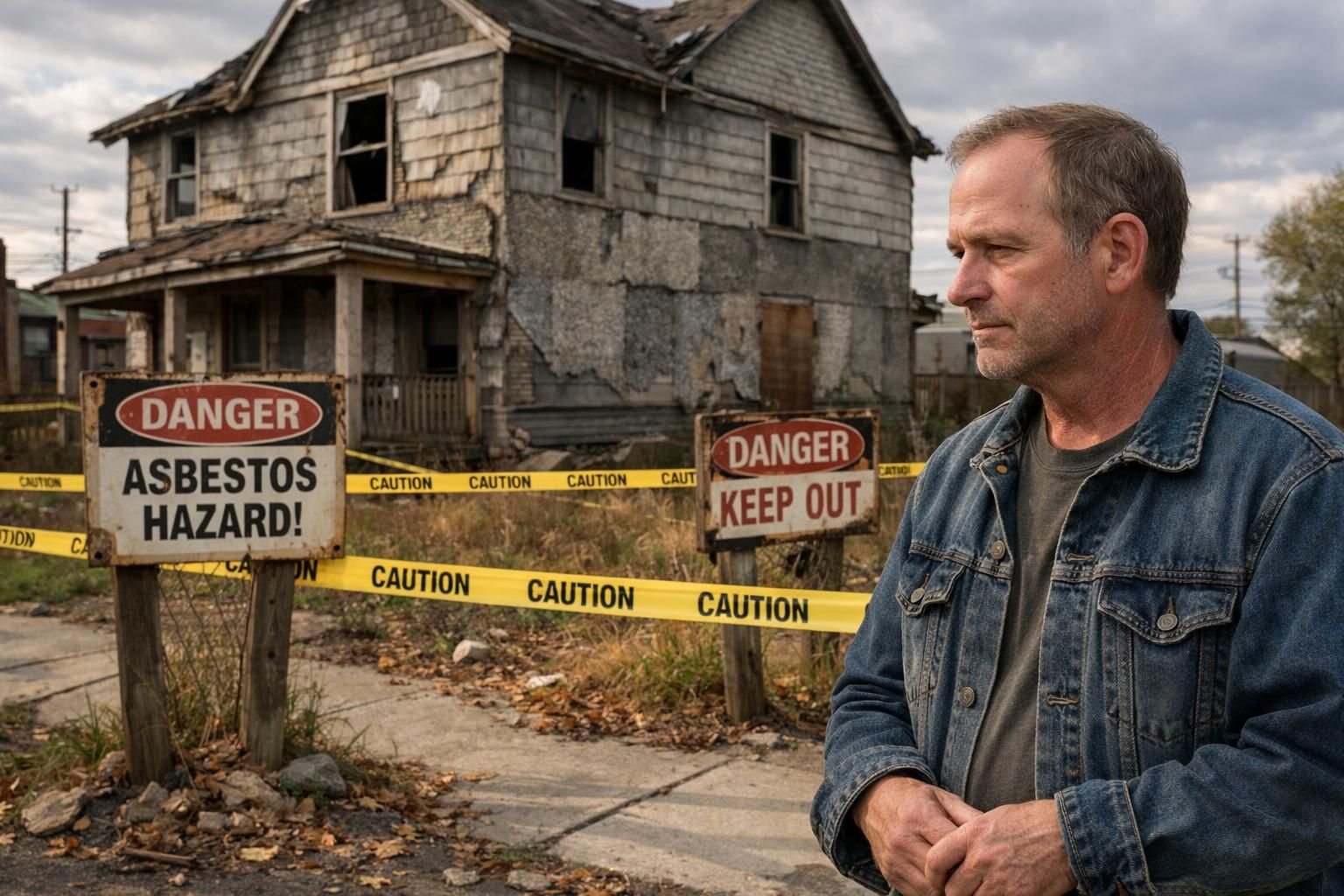
Remove/remediate before selling: process, costs, and impact on sale price.
Licensed Washington asbestos abatement contractors — certified through the Department of Labor & Industries — seal off affected rooms, shut down HVAC systems, and use HEPA vacuums and wet-cleaning methods. The home must be vacant for at least 48 hours during removal.
Typical costs in Washington: popcorn ceiling removal runs $1,500–$7,000; floor tile removal, $3,000–$8,000; full home abatement can exceed $30,000. Vermiculite attic insulation removal often costs around $15,000. Encapsulation — sealing ACMs in place rather than removing them — costs 15–50% less than full abatement and may be appropriate where materials are in good condition.
Washington requires permits for abatement projects and notification to the Department of Ecology's Puget Sound Clean Air Agency or applicable regional authority before work begins. Permitting and clearance testing can add two to six weeks to your timeline, but a professionally remediated home typically commands a higher sale price and attracts a broader pool of buyers.
Sell as-is with disclosure: price adjustments, marketing, and negotiations.
Selling as-is with full disclosure on Washington's Form 17 is a legally valid option. Buyers will typically expect a price reduction of 5–15% to account for future remediation costs. 2 Rather than completing costly work yourself, you can offer buyer credits during negotiations.
Investors, flippers, and buyers planning significant renovations often target as-is properties in Washington's competitive markets. Be aware that FHA and VA loan programs may restrict purchases of homes with exposed or friable ACMs, which can limit your buyer pool. Clear, written disclosure builds trust and reduces the risk of post-closing disputes.
Sell to a cash buyer: fastest and simplest option.
Cash buyers purchase Washington homes in as-is condition, handling any asbestos remediation themselves after closing. You skip abatement costs, permit delays, and lender inspections. Cash sales can close in as little as 7–10 days, which is especially useful if you are facing a timeline pressure or simply want to avoid a complex process.
Cash offers will typically reflect the estimated cost of remediation, but you save on holding costs, agent commissions, and the time and stress of managing abatement. Always provide documentation of known ACM locations — full disclosure protects you legally and keeps the transaction moving smoothly. This option suits homeowners who want certainty and speed over maximum net price.
Working with Buyers and Their Concerns
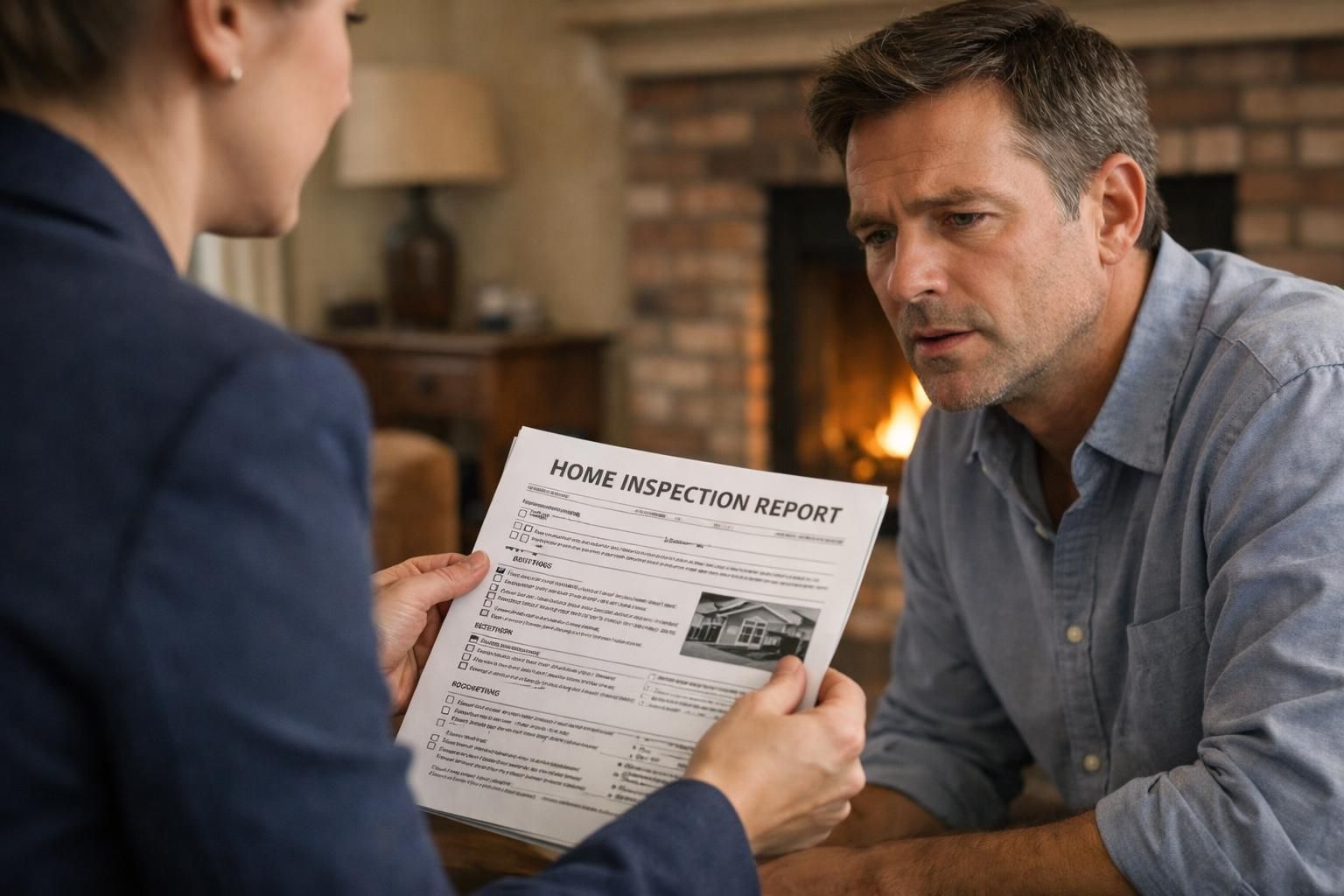
Negotiations triggered by inspection findings.
When a Washington home inspector flags ACMs — in popcorn ceilings, pipe insulation, or floor tiles — buyers may request a price reduction or remediation credit. FHA and VA lenders may require abatement before approving financing. Providing clear documentation from certified inspectors and sharing prior abatement records gives buyers confidence and keeps negotiations productive.
Buyers who believe disclosure was incomplete may involve attorneys, so transparency from the start reduces legal risk for everyone. Presenting proof of past removal or encapsulation typically supports a stronger final sale price. 3
Loan restrictions (FHA/VA) and preparing documentation for buyers.
VA and FHA loans require that exposed or friable asbestos be addressed before closing. Buyers using these programs will need detailed reports confirming abatement or encapsulation by a Washington L&I-certified contractor. 4
Prepare a complete file including: asbestos testing results, ACM location reports, copies of permits, clearance testing certificates, and contractor invoices. Organized documentation speeds lender review, prevents delays, and gives buyers — and their lenders — the confidence to proceed.
Cost-Benefit Analysis
Weigh your options carefully against Washington's current market conditions and your personal timeline.
Compare costs, timelines, and market conditions.
Full removal can cost $1,500–$30,000+ and add two to six weeks to your sale timeline due to permitting and clearance testing requirements under Washington Department of Ecology rules. Encapsulation costs 15–50% less and may be appropriate in some situations. Testing alone runs $30–$1,200 depending on method.
Selling as-is typically brings offers 5–15% below market value. Cash buyers close faster — sometimes within a week — eliminating holding costs and abatement expenses, though their offers reflect the remediation discount. In Washington's strong investor markets, particularly around Seattle and Tacoma, buyers actively seek as-is properties at adjusted prices. Each path involves trade-offs between upfront cost, time on market, and final sale price.
Conclusion
Asbestos doesn't make a Washington home unsellable — options exist for every situation.
Finding asbestos in your Washington home does not prevent a sale. State law requires disclosure on Form 17, not removal. Many buyers understand the risks in older homes and are prepared to negotiate. You can choose professional remediation for a higher price, disclose and adjust your listing price, or sell directly to a cash buyer who handles the issue after closing.
Working with a Washington-licensed real estate agent experienced in hazardous material disclosures, or consulting a real estate attorney familiar with Washington's disclosure laws, gives you the clearest path forward. Every homeowner in this situation has practical choices that fit different budgets, timelines, and market goals.
If you want to skip the complexity entirely, KDS Homebuyers purchases Washington homes as-is — including those with asbestos — for cash. No repairs, no remediation required on your end, and no agent commissions. Visit kdshomebuyers.net to get a free, no-obligation cash offer and find out how quickly you can close.
FAQs
1. What must Washington homeowners disclose about asbestos when selling?
Washington sellers must complete Form 17 (the Seller Disclosure Statement) and honestly answer questions about known environmental hazards, including asbestos. Disclosing all known ACM locations and any prior testing or remediation is legally required.
2. How does asbestos testing help during the home sale process in Washington?
Testing confirms the presence and location of ACMs, guides buyer-seller negotiations, and supports compliance with Washington's disclosure requirements. Results also inform decisions on whether to remediate or sell as-is.
3. What are the main options for handling asbestos before selling in Washington?
Homeowners can pursue full abatement by a Washington L&I-certified contractor, choose encapsulation as a lower-cost alternative, or sell as-is with proper disclosure. The right choice depends on your budget, timeline, and the condition of the materials.
4. Do FHA or VA loans create challenges when selling a Washington home with asbestos?
Yes. Both programs may require that exposed or friable asbestos be remediated before loan approval. Sellers targeting buyers who use government-backed financing should address ACMs proactively and provide complete abatement documentation to lenders.
5. Should a Washington real estate attorney be involved in a sale involving asbestos?
Legal counsel is strongly recommended. A Washington attorney ensures Form 17 is completed correctly, that all documentation is in order, and that your disclosure obligations are fully met — protecting you from post-closing disputes.
References
- ^ http://cloud.onlineed.com/resources/00001301.pdf
- ^ https://manuelcapital.com/blog/can-you-sell-a-house-with-asbestos (2026-01-30)
- ^ https://www.heraldtribune.com/story/business/real-estate/2021/04/04/real-estate-matters-homebuyer-seeks-help-over-seller-disclosure/6972916002/
- ^ https://www.veteransunited.com/realestate/seller-disclosures-on-va-loans/
