

Selling a House With Plumbing Problems: What to Fix and What to Disclose in Colorado
Selling a house with plumbing issues can feel overwhelming, especially when you're weighing repair costs against legal risks. Water damage is the second most common home insurance claim in the country, showing just how serious plumbing problems can become. 3 This guide covers what plumbing repairs to make before listing your Colorado property, what you must disclose under state law, and how a professional plumber or real estate agent can help protect your property value during a real estate transaction. 2
Key Takeaways
- Colorado requires sellers to disclose all known material defects, including plumbing problems, using the state's Seller's Property Disclosure form. Federal law also mandates disclosure of lead pipes in homes built before 1978.
- Small repairs—like fixing dripping faucets or slow drains—cost $100–$500 each and can boost your home's appeal. Major issues such as foundation leaks ($2,000–$30,000+) or sewer line replacement ($3,000–$25,000) require professional assessment.
- Hiding known defects in Colorado can expose you to fraud claims and civil lawsuits. Colorado courts can award damages to buyers who prove a seller deliberately concealed material defects.
- Even during an "as-is" sale in Colorado, you are still legally required to disclose all known plumbing problems. Failing to do so puts you at serious legal risk after closing.
- Buyers use home inspections and sewer scopes costing $200–$400 to uncover hidden damage. Most will ask for price reductions of 5–15%, seller credits, or completed repairs based on those findings.
Understanding Your Legal Disclosure Obligations in Colorado

Colorado disclosure laws require you to share key facts about your property's plumbing system when selling. Home inspectors and professional plumbers often uncover hidden issues, so honest disclosure protects both you and the buyer throughout the transaction.
Federal and Colorado-specific disclosure requirements
Federal law requires you to disclose lead pipes or lead-based paint in homes built before 1978. In Colorado, sellers must complete the state-approved Seller's Property Disclosure (SPD) form, which covers plumbing systems, mechanicals, and all known material defects. This form is prepared by the Colorado Real Estate Commission and is a standard part of nearly every residential transaction in Denver, Colorado Springs, Aurora, and across the state.
Even if you sell your house "as-is," Colorado law still requires you to honestly disclose all known plumbing problems. Concealing defects can expose you to claims of fraud or misrepresentation under Colorado law. Buyers generally have a limited window after discovery of a hidden defect to file a civil claim, and Colorado's statute of limitations for fraud-based claims can extend several years past closing. Using proper documentation protects your property value and gives you peace of mind during home inspections and negotiations. 2
Importance of disclosing material defects honestly
Disclosing material defects—such as plumbing leaks, sewer backups, or foundation moisture—upholds Colorado's legal and ethical standards during a real estate transaction. 3 Non-disclosure puts you at risk for lawsuits if a buyer or their plumber discovers hidden problems after closing. Many sellers have faced legal fees that far exceeded what simple plumbing repairs would have cost upfront.
Colorado courts can award damages against homeowners who fail to meet disclosure obligations, with penalties often reaching tens of thousands of dollars. Full transparency limits future disputes, builds buyer trust, and keeps the transaction running smoothly. Documenting all repair costs and maintenance history shows buyers that you managed your home responsibly before selling.
Common Plumbing Problems and Their Impact on Sale
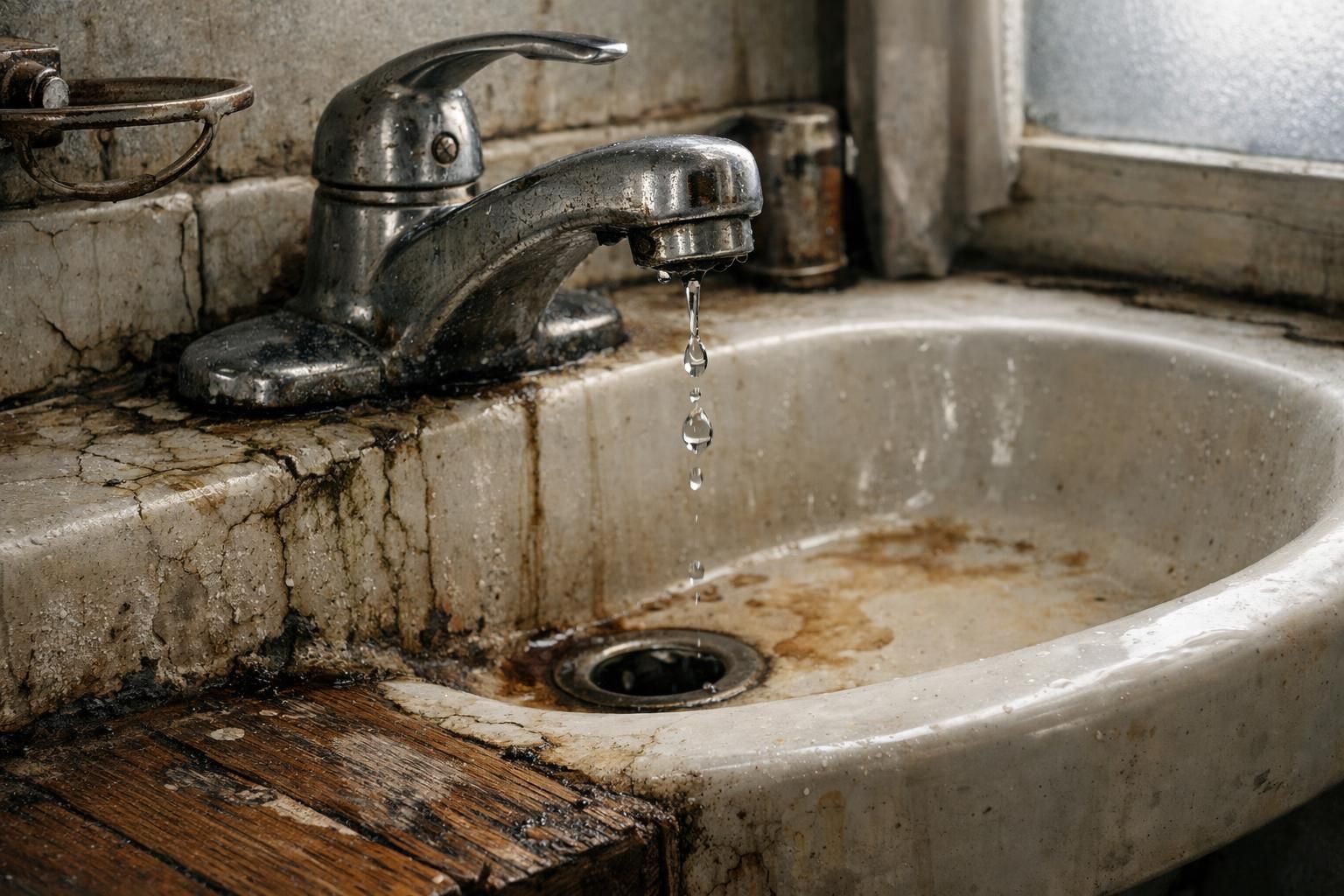
Plumbing problems can lower your property value and deter buyers during a home inspection. Getting a professional plumber involved early gives you more options for selling your Colorado home.
Minor issues: dripping faucets, slow drains
Dripping faucets and slow drains are often the first things buyers notice during a home inspection. Professional plumbers typically charge $150 to $500 per repair, making these fixes affordable compared to larger plumbing jobs. Addressing these small problems can boost your property value and help you avoid a 1 to 3 percent price reduction or seller credit at closing.
Buyers expect normal wear in older homes but grow concerned by visible signs of neglect. Timely repairs also prevent small leaks from turning into major sewage problems before closing. Acting quickly shows buyers that you take home maintenance seriously.
Moderate issues: old pipes, low water pressure
Old pipes are a frequent source of moderate plumbing problems, especially in Colorado homes built before 1960. Many older properties—including those in established Denver neighborhoods—have galvanized steel pipes that corrode over time, restricting water flow and causing discolored tap water. 4
Homes with polybutylene pipes installed from the late 1970s through the mid-1990s may face insurance complications or higher repair costs. Full repiping ranges from $4,000 to $15,000 depending on home size and pipe material. Colorado's hard water can accelerate pipe corrosion, making this a more common concern here than in many other states. A professional plumbing inspection before listing helps you avoid surprises during the buyer's home inspection.
Major issues: sewer line damage, foundation leaks
Sewer line damage and foundation leaks can significantly affect your Colorado real estate transaction. Sewer line replacement ranges from $3,000 to $25,000 depending on the length of pipe and difficulty of access. 5 In some cases, coordinating with the local municipality—such as Denver Water or Colorado Springs Utilities—is required if the damage extends to the public connection point. Tree roots are a leading cause of underground pipe damage across Colorado's older neighborhoods.
Foundation leaks present serious concerns in Colorado, where soil expansion and contraction from freeze-thaw cycles and periodic drought can shift foundations dramatically. Repairs start around $2,000 but can exceed $30,000 for major structural issues. Water damage now ranks as the second most common homeowner insurance claim nationally and can force a 5–15% drop in property value if left unresolved. A professional plumber should inspect both sewer and foundation issues before you list the home or complete your Colorado disclosure forms.
What Plumbing Issues Should You Fix Before Selling?

Colorado buyers rely heavily on home inspection findings when negotiating price and repairs. A professional plumber can help you decide which repairs make sense given your budget and local disclosure requirements.
Cost-benefit analysis of repairs
Understanding how repair costs compare to potential benefits helps you make smart decisions before listing. 6
| Repair Type | Average Cost (2024) | Impact on Sale | Actionable Tip |
|---|---|---|---|
| Fix Leaky Faucets / Clear Clogged Drains | $100–$350 per item | Improves first impressions; prevents red flags at inspection | Address before listing |
| Replace Old or Corroded Pipes | $2,000–$15,000 | Meets buyer expectations; reduces negotiation friction | Get professional inspection and repair quotes |
| Upgrade Plumbing Fixtures | $300–$2,500 | Enhances perceived value; attracts more buyers | Replace outdated faucets and toilets |
| Sewer Line or Foundation Leak Repairs | $5,000–$25,000+ | Prevents failed inspections; builds buyer confidence | Consult a licensed Colorado plumber |
| Professional Plumbing Inspection | $300–$500 | Uncovers hidden defects; supports full disclosure | Schedule before listing |
Fixing minor issues is affordable and improves appeal. Larger problems may require careful cost analysis. Getting repair quotes before listing helps you decide what to fix and what to disclose. 6
When to disclose instead of repairing
If repair costs exceed your budget or outweigh the likely increase in sale price, disclosure becomes the right path instead of repair. Colorado's disclosure laws require you to inform buyers of all known plumbing issues during the transaction—buyers will almost certainly find undisclosed defects during their home inspection. 7
Disclose any issues with old pipes, unpermitted repairs, or sewer line problems clearly on your Colorado SPD form. Include receipts from licensed plumbers, warranties, and inspection reports as supporting documentation. This honest approach protects you from future legal claims and builds trust with buyers. 7
Your Three Main Options When Selling With Plumbing Problems
Fix everything for a traditional sale
Repairing all plumbing issues before listing can help you reach full market value. Colorado buyers expect working systems, documented repairs, and no surprises at inspection. Hiring a licensed Colorado plumber signals good faith and builds trust. Address dripping faucets, low water pressure, sewer line damage, and any moisture problems affecting your property value.
Have a pre-sale plumbing inspection done by a certified inspector; this gives buyers confidence that your home meets their standards. Homes with solid repair records often sell faster and closer to asking price than those needing work. 8
Partial repairs with disclosure and price adjustment
Many Colorado sellers choose to fix minor plumbing issues—leaky faucets, slow drains—but leave major work like old pipe replacement or sewer line repair for the buyer. Full disclosure of all unresolved problems on the Colorado SPD form is legally required and protects you throughout the transaction.
Negotiating a price reduction based on remaining repair needs gives buyers confidence while reducing your upfront costs. For minor plumbing issues, expect a 1–3% seller credit or listing price cut. For more severe defects, prepare for concessions of 5–15%. Support negotiations with detailed inspection reports and invoices from licensed plumbers.
Sell as-is to a cash buyer
Selling your Colorado home as-is to a cash buyer can bring fast relief when you face major plumbing issues and high repair costs. Cash buyers typically look for homes in any condition and can often close within one to three weeks. They generally require a price reduction to account for repairs they will handle after purchase.
Colorado law still requires you to disclose all known defects even in an as-is sale. Complete your SPD form honestly to stay legally protected. This route lets you skip open houses and traditional inspections while still meeting your obligations under Colorado real estate law.
How to Disclose Plumbing Issues Properly in Colorado
Document problems and repairs
Keep a clear record of all plumbing issues and repairs throughout your transaction. Save every receipt, warranty, and professional plumber's inspection report. Photos showing old pipes, past leaks, or completed repairs can support your disclosure. 9 Sharing this documentation with buyers increases trust and reduces disputes after closing. A detailed repair history also protects you from future liability under Colorado's disclosure requirements if questions arise about unpermitted work or DIY repairs. 9
Complete Colorado disclosure forms clearly and thoroughly
Use the Colorado Real Estate Commission's Seller's Property Disclosure (SPD) form to document all known plumbing issues. Mark "unknown" if you genuinely do not know the answer to a question, rather than guessing and risking a misrepresentation claim. List all previous repairs or renovations, even for problems that were already corrected—Colorado expects full transparency regarding past work on plumbing systems and other home systems.
Failure to disclose accurately can lead to fines, civil lawsuits, or loss of the sale after inspection. Consult a professional plumber or a Colorado real estate attorney for help ensuring your disclosures are complete and legally compliant.
What Buyers Will Discover During Inspection
How inspectors identify plumbing issues
Inspectors begin with a visual review of sinks, toilets, tubs, and exposed pipes. They check for leaks under fixtures, around shut-off valves, and look for water stains on walls or ceilings that could indicate hidden leaks. Inspectors also test water pressure by running faucets and flushing toilets. Slow drains raise red flags about possible clogs or sewer line damage.
For deeper issues, buyers may request a sewer scope using a camera probe, which costs $200–$400 and can catch expensive problems early. In Colorado's older homes—particularly in Denver's historic neighborhoods—aging sewer laterals and tree root intrusion are common findings. Unresolved major plumbing issues can also affect buyer financing if FHA or VA loans are involved in the transaction.
Typical buyer responses and negotiation strategies
Colorado buyers often respond to plumbing inspection findings by requesting price reductions, specific repairs, or seller credits. Some present data from their home inspection to justify a 5–10% concession based on repair costs. 11 Buyers can also activate inspection contingencies in the Colorado contract to negotiate further or walk away without penalty.
Serious issues like foundation leaks can prompt buyers to demand significant repairs or take legal action if disclosure obligations were not met. Professional guidance helps both sides reach fair solutions while protecting your property's value. 11
Conclusion
Selling your Colorado home with plumbing problems is manageable when you take clear, informed action. Fix urgent issues where the cost makes sense, and disclose all known defects honestly on the Colorado Seller's Property Disclosure form. A professional plumber and a knowledgeable real estate agent are your best allies in protecting both your property value and your legal standing.
If repairs are beyond your budget or you need to sell quickly, KDS Homebuyers purchases Colorado homes in any condition—no repairs, no commissions, no surprises. Visit kdshomebuyers.net today for a free, no-obligation cash offer and find out how easy selling your home can be.
FAQs
1. What plumbing issues must I fix before selling my Colorado home?
Major leaks, broken pipes, and severe drainage problems should be repaired. These fixes protect property value and help avoid a failed home inspection in Colorado.
2. Do I have to disclose all plumbing problems in Colorado?
Yes. Colorado's Seller's Property Disclosure form requires you to report all known plumbing defects. Honest disclosure is both a legal requirement and a smart way to protect yourself from future claims.
3. How can a professional plumber help when selling in Colorado?
A licensed Colorado plumber can perform a thorough inspection to identify hidden problems and provide documentation that supports your disclosure and reassures buyers.
4. Will plumbing problems lower my home's value in the Colorado market?
Yes. Unresolved plumbing issues can reduce property value by 5–15% and may cause deals to fall through, particularly in competitive markets like Denver and Aurora.
5. Should I handle minor fixes myself or hire an expert before listing?
Simple tasks like tightening fittings may be manageable, but complex repairs in Colorado should involve a licensed plumber to ensure quality and meet local code requirements during the sale process.
References
- ^ https://josephsabeh.com/blog/what-do-you-have-to-disclose-when-selling-a-house-in-california
- ^ https://www.nolo.com/legal-encyclopedia/residential-home-sellers-california-your-disclosure-obligations.html
- ^ https://www.zillow.com/learn/what-does-disclosure-mean/ (2019-11-26)
- ^ https://schneiderplumbingandhvac.com/2025/03/common-plumbing-issues-in-older-homes-and-how-to-fix-them/
- ^ https://www.fastresponseplumbingsf.com/the-link-between-sewer-issues-and-foundation-damage/
- ^ https://nicolairealestate.com/news/plumbing-repairs-to-address-before-selling-your-home-a-guide-for-sellers/ (2024-11-20)
- ^ https://www.redfin.com/blog/what-do-you-have-to-disclose-when-selling-a-house/ (2025-08-14)
- ^ https://axiuminspections.com/fix-plumbing-issues-before-selling/
- ^ https://www.sellpittsburghnow.com/blog/can-you-sell-house-with-plumbing-problems/ (2025-07-16)
- ^ https://www.defalcorealty.com/blog/home-seller-disclosures-ny-nj/
- ^ https://fargohomesearch.com/buyers-inspection-edge-spot-red-flags-negotiate-wins/
