

How to Sell a House With Code Violations in Washington
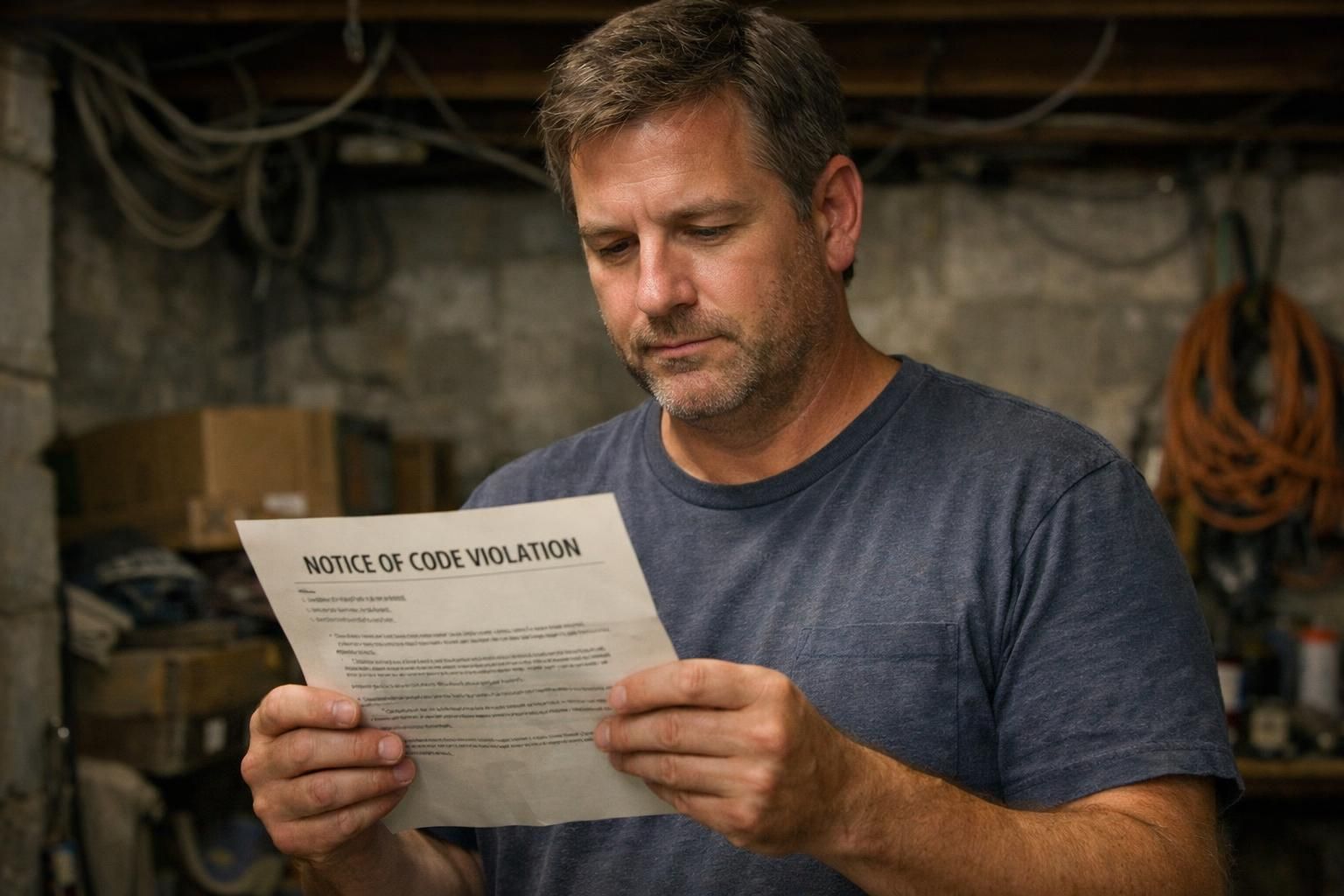
Selling your house in Washington can feel stressful when code violations are involved. Many homes across Seattle, Tacoma, and Spokane have issues like outdated wiring, unpermitted additions, or missing safety features that must meet local building codes. This guide walks you through your options—whether you repair violations, work with your city's housing department, or sell as-is to a cash buyer. 1
Key Takeaways
- Washington state law requires sellers to disclose all known code violations and material defects using the Washington Seller Disclosure Statement (Form 17)—even for "as-is" sales—or risk lawsuits.
- Code violations can lower home value by 10–20% or more and cause homes to take 40–60% longer to sell.
- Serious violations can prevent buyers from securing FHA or conventional financing, pushing many sales toward cash-only transactions.
- Repair costs vary widely: minor fixes like smoke detectors may cost $50–$200, while foundation work can run $5,000 to over $30,000.
- Washington cities and counties sometimes offer payment plans, abatement assistance, and hardship programs to help owners resolve violations without immediate large penalties.
Code violations feel overwhelming, but Washington homeowners have several paths forward.
The city might send you a notice, or an inspector could flag issues during a buyer's walkthrough. You may worry about fines, liens on the property, or falling further behind while violations pile up. Common issues across Washington include missing smoke detectors, unpermitted additions, outdated wiring, and overgrown lots.
You have more options than you might think. You can hire licensed contractors to fix violations before listing, offer repair credits to buyers, or sell directly to investors and cash buyers who purchase homes as-is. Some Washington cities also offer payment plans and assistance programs for owners experiencing financial hardship. Full disclosure under Washington's Form 17 requirements keeps you legally protected and builds trust with buyers from the start.
Understanding Code Violations
Code violations happen when a property does not meet local building, safety, or zoning standards. Local code enforcement officers and home inspectors flag these issues, which may result in a formal notice from your city or county.
What are code violations?
Your home must meet building, safety, and zoning standards enforced by your local jurisdiction. In Washington, code enforcement authority typically rests with city building departments or county code compliance offices. A violation is issued when your property fails to follow these rules—whether due to unsafe wiring, unpermitted construction, or habitability concerns.
You might receive a written notice by mail or find a notice posted on your door. Common examples include missing smoke detectors, broken water heaters in rental units, unpermitted accessory dwelling units (ADUs), and structures built without permits. Severe cases can result in a property being condemned under Washington's minimum housing standards.
How homeowners discover violations.
A city or county inspector may identify a violation after a neighbor complaint or routine inspection. Washington's public records laws allow anyone to look up code enforcement actions through local building departments or online permit portals. Many Seattle and Tacoma homeowners discover violations through buyer inspections or when a lender flags zoning issues during mortgage underwriting.
Tax assessor databases and county permit records are also useful tools to check what's publicly listed about your property before you list it for sale.
Common examples of code violations in Washington.
Washington homes—especially older properties in Seattle's Central District, Tacoma's Hilltop neighborhood, or rural areas of eastern Washington—frequently have code issues including:
- Electrical: Outdated 60–100 amp panels, missing GFCI outlets in kitchens and bathrooms, knob-and-tube wiring, or open junction boxes.
- Plumbing: Galvanized pipes, sewer line failures, water heaters without proper venting or expansion tanks.
- Structural: Foundation settling, roof leaks, rotted floor joists, or walls removed without permits.
- Safety: Missing smoke or carbon monoxide detectors (required under Washington state law), broken stair railings, windows too small for emergency egress.
- Exterior: Lead paint on pre-1978 homes, damaged siding, unpermitted decks, tall grass, or junk vehicles.
- Zoning: Illegal ADUs, short-term rentals operating without local permits, unpermitted multi-family conversions, or additions that exceed setback requirements.
The Impact on Selling

Washington's disclosure requirements for homeowners.
Washington state requires sellers to complete the Seller Disclosure Statement, commonly known as Form 17, under the Washington Seller Disclosure Act (RCW 64.06). This form requires you to disclose all known material defects and code violations—including unpermitted additions, known structural issues, and zoning problems—before the buyer's inspection period ends.
Selling without proper disclosure can expose you to lawsuits even after closing. Washington's disclosure rules apply even to as-is sales. Buyers have a three-business-day right of rescission after receiving Form 17, so accurate and complete disclosure matters from the start. Investors who buy properties with active code enforcement cases typically understand the risks, but transparency remains your best legal protection.
How violations affect traditional sales in Washington.
Code violations can cause buyers to walk away after a home inspection, particularly in competitive markets like Bellevue or Seattle where buyers have options. FHA, VA, and conventional lenders often deny financing on properties with active code enforcement issues or habitability concerns. Low appraisals frequently follow when safety violations or zoning problems exist.
Buyers typically request repair credits worth 1.5 to 2 times the actual repair cost to account for inconvenience and risk. Homes with disclosed violations generally sell 10–20% below market value and can take 40–60% longer to sell than fully compliant properties.
Typical repair cost ranges.
Minor violations like missing smoke detectors or a broken handrail often cost $50–$200 to fix. Mid-range repairs such as updating an electrical panel typically run $1,500–$3,500. Major work including foundation repair can range from $5,000 to over $30,000. Legalizing an unpermitted addition in Washington—which requires pulling permits, scheduling inspections, and potentially modifying the structure—can cost $3,000–$15,000 or more depending on the jurisdiction and scope of work.
Most Washington cities give homeowners 30 to 90 days to come into compliance after receiving a violation notice, so acting quickly helps minimize penalties.
Your Options When You Have Violations
Fix everything before listing.
Start with a thorough inspection to identify every violation. Prioritize safety-related issues first—electrical hazards, plumbing leaks, and missing smoke or carbon monoxide detectors. Washington state law requires functioning smoke detectors and carbon monoxide alarms in all residential properties, so these are non-negotiable before closing.
Contact licensed Washington contractors familiar with local building codes and request itemized written estimates. Compare at least three bids before committing. Document all work with receipts, photos, and city inspection sign-offs. Completed and documented repairs raise buyer confidence, support a stronger appraisal, and reduce the chance of financing delays during escrow.
Sell with violations disclosed: price reductions and repair credits.
Disclose all known violations on Form 17 and price your home accordingly. Offering repair credits at closing gives buyers flexibility to handle fixes themselves. Investors and fixer-upper buyers actively seek properties with code enforcement issues and often have cash ready to close quickly.
If a buyer cannot obtain traditional financing due to violations, consider seller financing as an option to expand your pool of interested parties. Homes with disclosed violations typically sell at 10–20% below comparable market value, but this approach allows you to sell without completing all repairs yourself.
Sell to an investor or cash buyer.
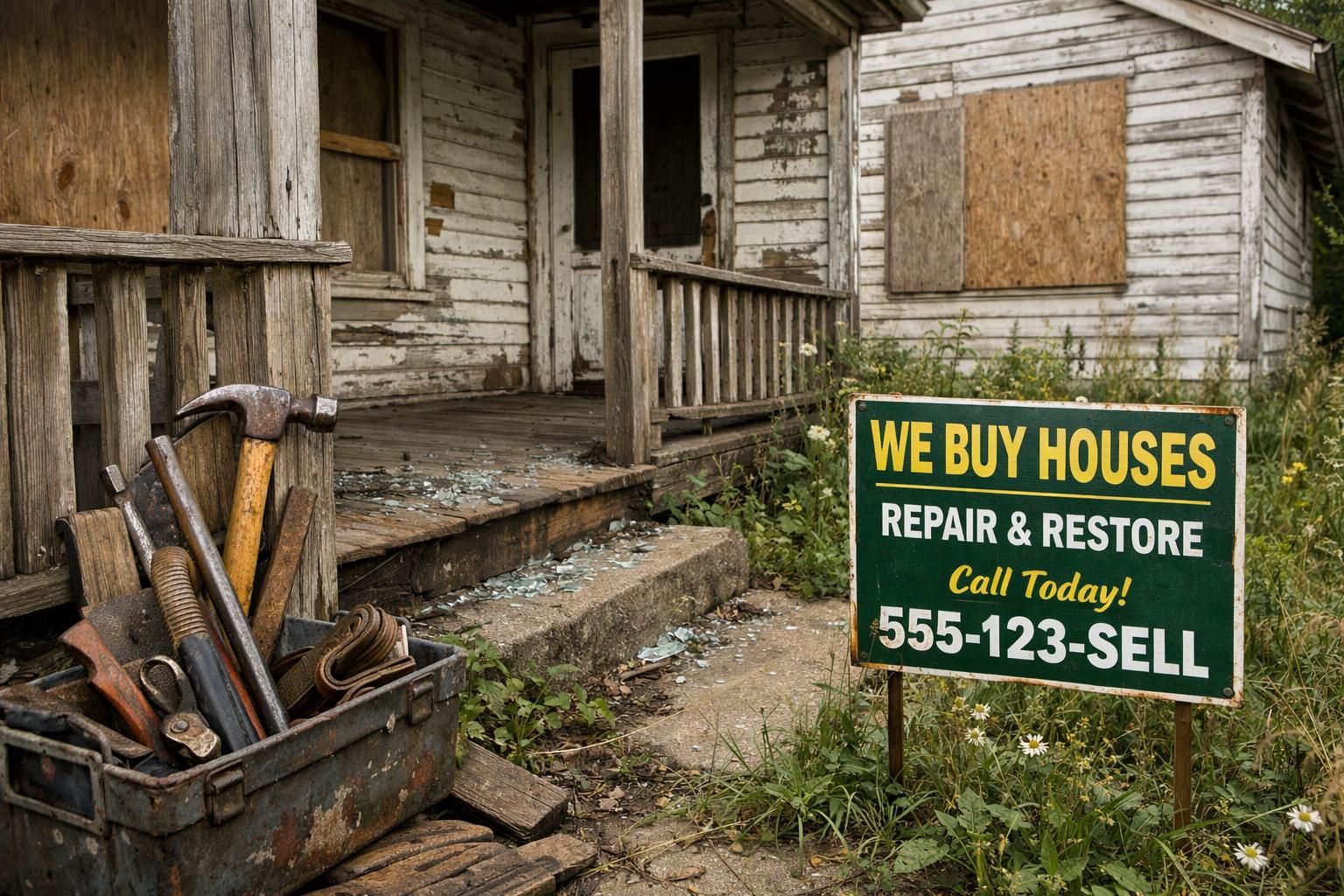
Cash buyers and real estate investors purchase Washington homes as-is, bypassing the need for bank financing or standard appraisals. Offers typically reflect 60–80% of the property's after-repair value minus estimated repair costs. These buyers have contractor networks that allow them to address violations at lower costs than most homeowners can manage on their own.
This option works well for owners facing mounting city fines, liens, or who simply lack the time and budget to complete repairs. Selling to a cash buyer eliminates financing contingencies and inspection delays, allowing you to close on a timeline that works for you.
Work with Washington cities and counties.
Many Washington cities and counties offer resources to help property owners resolve violations. Seattle's Office of Housing and the Department of Construction and Inspections (SDCI) can guide you through compliance steps and may offer payment arrangements for fines. Tacoma and Spokane have similar code compliance offices that work with owners to create remediation timelines.
If you face financial hardship, contact your local housing standards office directly and ask about hardship provisions or abatement assistance. Keeping open communication with code enforcement officials—rather than ignoring notices—gives you more control over the outcome and protects your options during a sale.
Addressing Special Cases: Selling a Hoarder House

Understanding the challenges and solutions for hoarder houses.
Hoarder houses frequently trigger code violations for unsafe or unsanitary conditions, blocked egress, and fire hazards. Washington city and county inspectors may post formal notices on the property requiring cleanup. Pests, mold, poor air quality, and structural damage are common secondary issues.
Work with your local housing authority to develop a cleanup and compliance plan. Some Washington counties offer abatement assistance programs. Professional junk removal services familiar with local disposal regulations can speed up the process. Cash investors who specialize in distressed properties understand these situations and will purchase hoarder homes as-is when repairs feel out of reach.
Cleaning checklist for hoarder houses.
Wear gloves and a mask before entering. Remove obvious garbage first and bag all trash for proper disposal following your city or county's guidelines for hazardous or oversized waste. Handle sharp items and spoiled food carefully. Disinfect surfaces thoroughly after clearing clutter. Inspect plumbing in kitchens and bathrooms for leaks or sewer issues. Confirm smoke and carbon monoxide detectors are functional and that pathways are clear for safety inspectors.
Pros and cons of selling a hoarder house.
Selling a hoarder house as-is provides relief from the stress and cost of major cleanup. Cash investors who buy these properties handle repairs and compliance on their end. The trade-off is a lower sale price—typically 60–80% of after-repair value—and a limited buyer pool since most lenders won't finance homes with serious habitability violations. Expect a slower traditional market timeline as well. For many Washington homeowners in this situation, a direct cash sale is the most practical path forward.
Conclusion
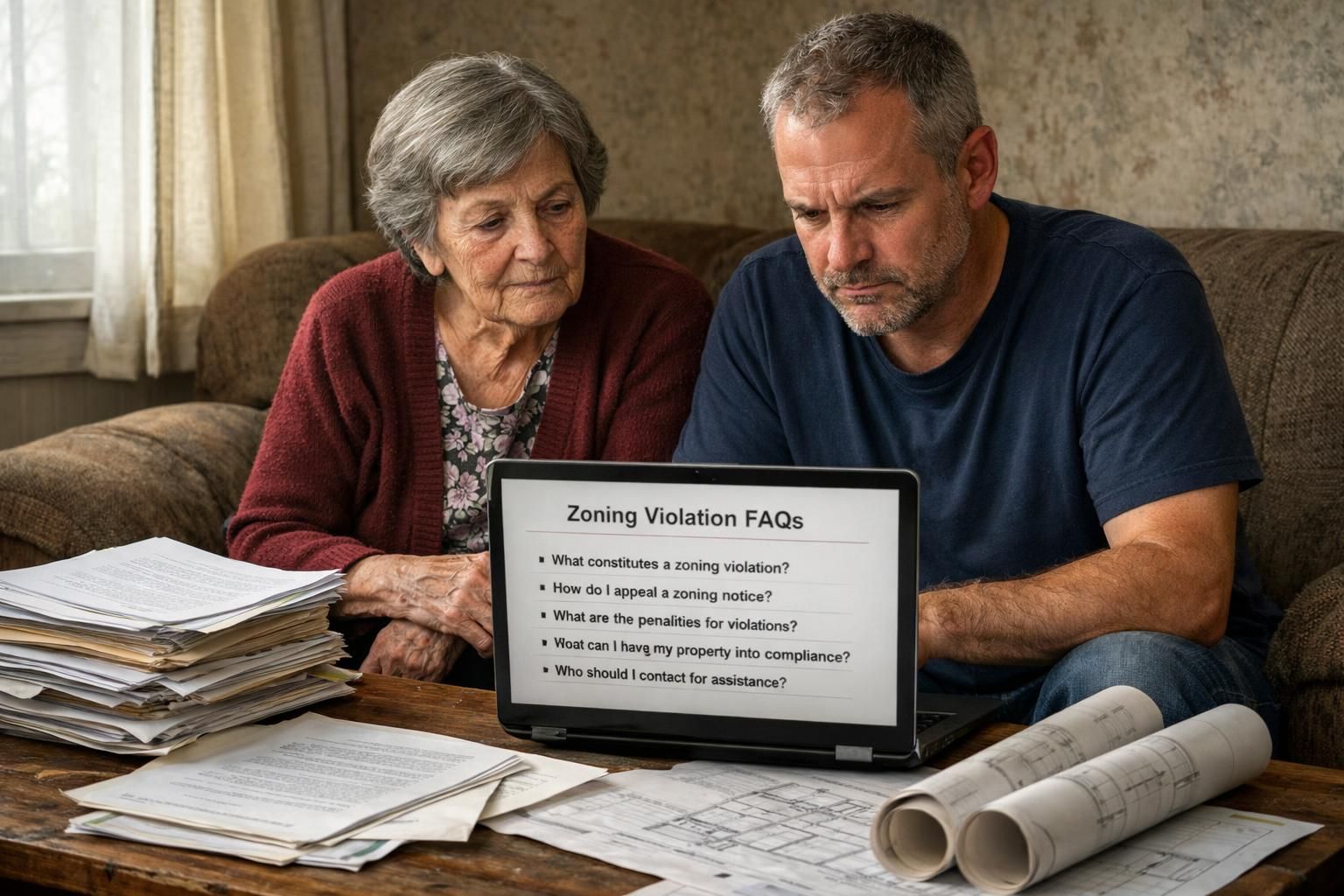
Violations don't mean you're stuck—knowledge is power, and options exist.
Washington homeowners dealing with code violations have real choices. You can repair and list, disclose and discount, or sell directly to a cash buyer without making any repairs. Washington's Form 17 disclosure requirements protect you legally when you're upfront about known issues. Document all work, keep records of city communications, and take action promptly to preserve your options and avoid escalating fines or liens.
If you're facing code violations and need to sell quickly without the hassle of repairs, KDS Homebuyers purchases Washington homes as-is for cash—no repairs, no agent commissions, no surprises. Visit kdshomebuyers.net to request your free, no-obligation cash offer today.
FAQs
1. What are code violations, and how do they affect selling a house in Washington?
Code violations mean the property does not meet local building, safety, or zoning standards. In Washington, these issues must be disclosed on Form 17 and can lower your home's value and limit your buyer pool.
2. Can I sell my Washington home with active code enforcement actions?
Yes. You must disclose all known violations to buyers under Washington's Seller Disclosure Act. Many cash buyers and investors specifically purchase homes with open code enforcement cases.
3. How should I handle violations before listing in Washington?
Get a professional inspection, prioritize safety repairs required under Washington law (smoke and carbon monoxide detectors, egress windows), and obtain permits for any unpermitted work through your local building department.
4. Are there buyers who will purchase homes with unresolved code violations in Washington?
Yes. Cash investors and companies like KDS Homebuyers purchase Washington properties as-is, handling violations after closing. These buyers typically offer less than retail market value but allow you to sell quickly without making repairs.
