

How to Sell a House With Foundation Problems in Washington
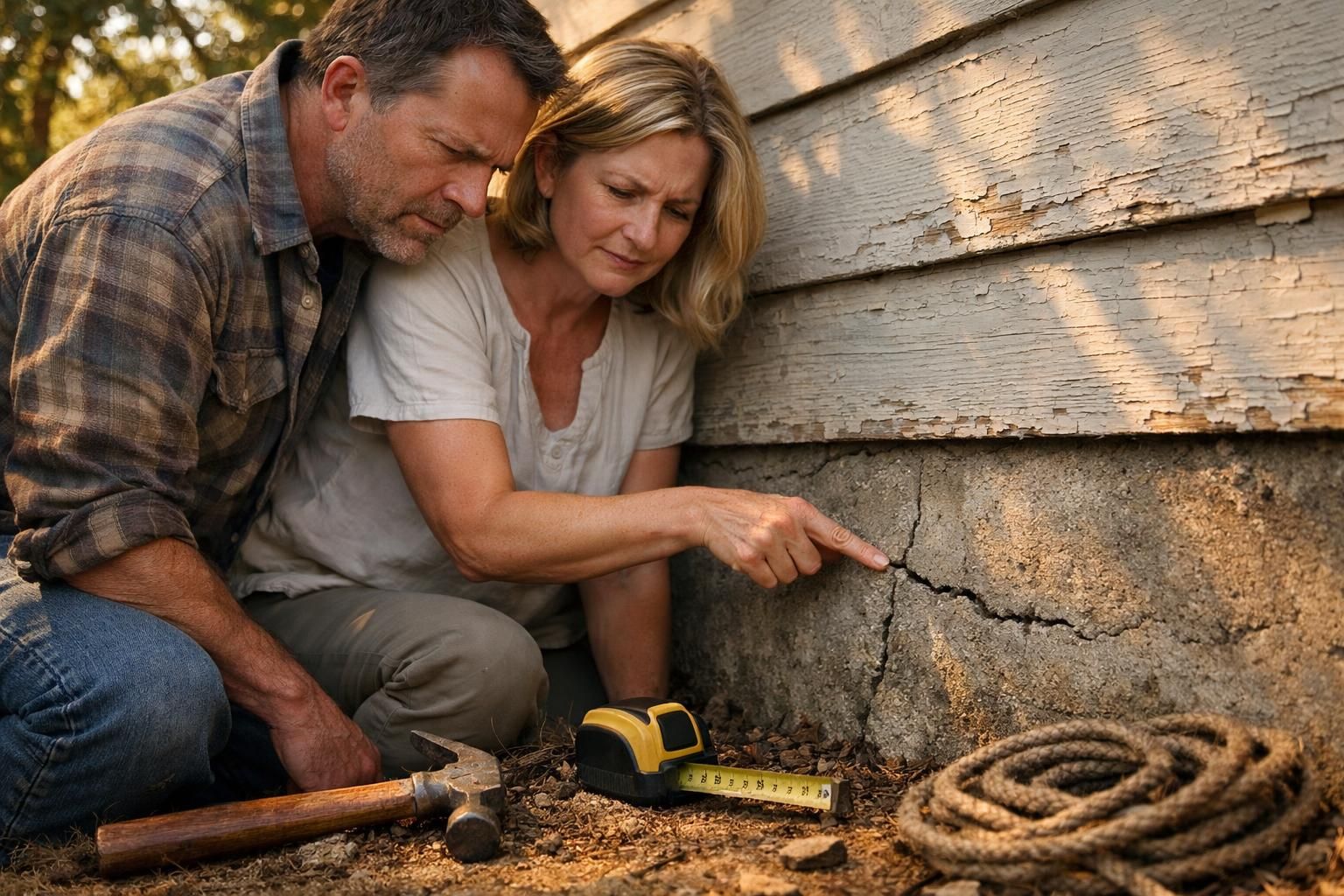
You may feel overwhelmed if you need to sell a house with foundation issues in Washington State. Over 60% of buyers see foundation problems as deal-breakers, making it hard to attract offers. 3 This guide walks you through home inspections, foundation repair costs, and Washington's legal disclosure requirements so you can move forward with confidence.
Key Takeaways
- Over 60% of buyers see foundation problems as deal-breakers, making disclosure and documentation essential. Washington's seller disclosure laws allow buyers to pursue legal claims for undisclosed defects, and claims can extend years after closing.
- Foundation repair costs range from $250 for minor crack repairs to over $25,000 for severe settling or sinking. Building permits average about $1,650; structural engineer inspections typically cost $300–$1,000.
- Licensed structural engineers provide unbiased inspection reports that guide repairs and support negotiations. Their documentation is often required for loan approvals and builds buyer confidence.
- Most buyers expect at least a 10–25% discount on homes needing major foundation work. Overpricing can keep your home on the market up to 60 days longer than comparable listings.
- Selling options include repairing first for higher value, selling as-is with a price reduction, or working with cash investors who buy quickly but typically offer 50–80% of after-repair value.
Understanding Foundation Issues
Foundation problems can cause stress for any homeowner, but spotting early signs helps you act fast. Knowing how structural damage affects your home's value empowers you to make smart choices during the sale process.
Common types of foundation problems
Washington's wet climate, expansive soils, and seismic activity create unique conditions that accelerate foundation damage. Understanding common types of foundation problems helps you act quickly and make informed choices.
- Settling or sinking foundations often cause uneven floors, cracks in drywall, or visible dips along the home's perimeter — especially common on Seattle's hillsides and in areas with fill soils.
- Foundation upheaval pushes parts of your slab upward, creating raised tiles or buckled floors inside your home.
- Bowing or bulging exterior walls signal major structural problems that threaten stability and require urgent attention from a structural engineer.
- Large horizontal cracks are severe warning signs showing that excessive soil pressure is causing wall movement — often found in basements throughout the Puget Sound region.
- Vertical cracks, thinner than horizontal ones, frequently result from normal settling, but wide gaps may point to deeper foundation repair needs.
- Stair-step cracks in mortar joints on brick exteriors suggest shifting footings or ongoing settling beneath the surface.
- Diagonal wall cracks spreading from corners of windows or doors indicate uneven settlement or movement under your property's structure.
- Sticky doors and windows that no longer open smoothly often mean foundation movement has made frames out of alignment — something Washington homeowners frequently encounter after heavy rain seasons.
- Sagging, sloping, or uneven floors might point to rot in crawl space beams, a common issue in the rainy western part of the state.
- Water pooling in crawl spaces can weaken supports fast, leading to musty odors and mold damage — a significant concern in western Washington's high-moisture environment.
- Leaning porches, chimneys, or columns are red flags for underlying instability caused by shifting soils.
- Gaps between garage doors and pavement usually trace back to settlement problems that need prompt attention.
These repairs add up fast. Getting repair estimates early protects your home's value and boosts buyer confidence during the selling process.
Checklist of warning signs to identify severity levels
Use this checklist to gauge how severe the structural problems might be before calling a structural engineer or real estate agent in Washington.
- Misaligned doors or windows that won't latch often point to early signs of shifting in your home's base.
- Windows that are hard to open or show cracked glass can signal structural movement.
- Sloping floors or stairs may reveal moderate sinking foundation trouble beneath the surface.
- Cracks in walls or ceilings, especially near door frames, suggest uneven settling.
- Gaps forming between walls or where the wall meets the ceiling warn of ongoing movement and structural stress.
- Large cracks found in basement floors or along the base indicate serious structural concerns requiring immediate attention.
- Water pooling in basements, crawl spaces, or around the outside of your property worsens existing damage to footings and piers.
- Bowed or bulging basement walls indicate advanced soil pressure damage — often requiring carbon fiber reinforcement.
- Sagging wooden floorboards reflect advanced movement and potential failure in crawl space support systems.
- Cabinet doors that will not close fully sometimes reveal hidden misalignment caused by gradual shift over time.
- Leaks around fireplaces or chimneys hint at deeper foundation issues and water intrusion risks.
If you notice several items on this list, contact a licensed structural engineer. Their documentation helps guide repairs and builds buyer confidence when selling in Washington's competitive market.
Your Legal Obligations
Washington State has clear seller disclosure requirements. You must disclose any structural problems to potential buyers and lenders, and failing to do so creates serious legal exposure.
Importance of disclosing foundation issues in Washington
Washington State law requires sellers to complete a Seller Disclosure Statement (Form 17) covering all known material defects, including foundation and structural problems. This obligation applies even when selling a property as-is. Sellers who conceal known defects can face civil liability for damages, and buyers may pursue rescission of the sale. Washington's Consumer Protection Act can also apply in cases of fraudulent concealment, potentially exposing sellers to additional penalties.
Sharing inspection reports and repair estimates protects you from future claims. Transparent documentation also helps deals stay on track and prevents last-minute disputes during the home inspection process — whether you are working with traditional buyers or investors.
How to document and communicate problems transparently
- Gather all available repair and inspection reports, including dates and findings from structural engineers or home inspectors.
- Request written repair estimates from licensed Washington contractors, including cost breakdowns, timelines, and recommended fixes.
- Take high-quality photographs showing horizontal cracks, vertical cracks, sloped floors, or any evidence of structural damage.
- Create a summary document for buyers outlining the severity of problems, professional repair recommendations, and estimated costs.
- Complete Washington's required Seller Disclosure Statement (Form 17) thoroughly, listing each finding from every inspection or engineering report.
- Provide copies of inspection reports and contractor estimates to serious buyers during negotiations.
- Share updates if further damage occurs after your initial documentation so no information is withheld.
- Avoid masking foundation problems with cosmetic repairs such as caulking or painting over cracks — these temporary fixes can increase legal risk under Washington law and FHA guidelines.
- Use honest language in your real estate listing by clearly mentioning foundation issues upfront along with supporting documents.
- Consult an experienced Washington real estate agent who understands your disclosure obligations and can guide effective communication with buyers.
Getting a Professional Foundation Inspection
A foundation inspection from a licensed structural engineer gives you a clear picture of your home's true condition. This expert report helps you and buyers understand the scope of foundation issues before moving forward with repairs or negotiations.
Benefits of hiring a structural engineer
Licensed structural engineers have advanced knowledge that lets them identify the real cause of foundation problems — from sinking foundations to horizontal and vertical cracks. 1 You receive a detailed report explaining what needs repair and how to prevent future movement.
Because structural engineers do not perform remediation work, their evaluations stay unbiased. Homebuyers and lenders trust these reports during real estate transactions involving foundation issues. In Washington, where seismic considerations and expansive soils are common factors, an engineer's opinion carries particular weight with buyers and lenders alike.
Typical inspection costs and what the report includes
| Aspect | Details |
|---|---|
| Inspection Cost |
|
| Who Performs It |
|
| What the Report Includes |
|
| Why the Report Matters |
|
| Entities Involved |
|
| Tools and Concepts Used |
|
Understanding Repair Costs
Foundation repair costs in Washington vary based on the type of structural problems and local soil and weather conditions. Get estimates from licensed contractors and consult a structural engineer to plan your next steps.
Cost ranges for different types of foundation repairs
| Type of Repair / Service | Cost Range | Details and Notes |
|---|---|---|
| Minor Crack Repairs | $250 – $800 | Handles small vertical cracks. Often fixed with epoxy or polyurethane injections. |
| Hairline Crack Repairs | $500 – $1,500 | Important to address early to prevent worsening, especially in Washington's wet climate. |
| Horizontal Crack Repairs | $1,000 – $15,000 | Indicates structural stress. May need reinforcement or wall anchors. |
| Settling/Sinking Foundation Repairs | $5,000 – $25,000 | Piers cost $1,000 – $3,000 each. Mudjacking can cost $500 – $1,300 per area. |
| Bowing Wall Stabilization | $4,000 – $12,000 | Uses carbon fiber or steel braces. Severe cases may also need piers. |
| Basement Underpinning | $1,000 – $3,000 per pier | Supports sinking or unstable basements. Usually recommended by a structural engineer. |
| Soil Report | $700 – $1,800 | Examines ground conditions. Full contamination report can cost up to $5,000. |
| Building Permit | Average $1,650 | Required for most structural repairs in Washington. Cost varies by city and permit type. |
| Tree Removal Affecting Foundation | $200 – $2,000 | Trees too close may worsen foundation problems. Removal can protect repairs. |
Consulting with a structural engineer is worth the investment, especially when their evaluation influences your repair plan and your negotiation power with buyers. 2
Factors affecting repair costs in Washington
Severity and location of the foundation problems play a major role in repair costs. Washington's unique conditions — including expansive clay soils west of the Cascades, high annual rainfall in the Puget Sound region, and seismic risk throughout the state — can drive costs higher than national averages.
Homes built on slopes in Seattle or Tacoma face added complexity due to grade changes and soil instability. Water intrusion, mold growth, and poor drainage create additional repair steps and raise contractor quotes. Local market trends show a 15–20% increase in foundation repair costs since 2020, and Washington's labor market and permitting processes can add further expense. Most homeowners spend less than $8,100 for typical fixes, but severe cases requiring full replacement can exceed $100,000.
Four Options for Selling a House With Foundation Problems
You have several ways to sell a house with foundation issues in Washington. Each option carries unique benefits and risks — speak with a real estate agent or structural engineer to guide your decision.
Repair first and sell traditionally
Fixing foundation problems before listing your home often leads to quicker offers and higher prices. Reputable contractors in Washington should provide solid warranties with foundation repairs, which become a selling point for buyers. Typical costs range from $250–$800 for minor work to over $25,000 for major structural repairs. 3
Getting several estimates keeps costs manageable. A professional foundation inspection by a licensed structural engineer guides the repair process and provides the documentation lenders and appraisers need. Highlight completed repairs and contractor guarantees in your listing to reassure buyers — especially important in competitive markets like Seattle and Bellevue where buyers have high expectations.
Sell as-is with a price reduction
Selling as-is gives you a straightforward path if foundation repairs feel too costly or time-consuming. Washington law still requires you to complete a Seller Disclosure Statement (Form 17) and disclose all known defects, even in an as-is sale. 4
The buyer pool for as-is sales tends to be smaller — often limited to investors, flippers, or renovators comfortable with foundation repairs. Most lenders hesitate to finance properties with unresolved structural issues, so expect a higher proportion of cash offers. Be transparent by sharing full documentation from your structural engineer's report to build trust with serious buyers willing to negotiate based on condition.
Sell to investors or flippers
Investors and flippers actively look for properties at discounted prices in Washington, typically offering 50% to 80% of after-repair value. 3 They use cash or renovation loans, which speeds transactions and avoids lending delays caused by structural concerns.
Getting multiple repair estimates before meeting with investors helps you negotiate better. Washington real estate agents who know the local investor market in cities like Tacoma or Spokane can connect you directly with cash buyers eager for fixer-uppers. While this route may lower your final price, it removes the stress of passing a home inspection or funding repairs yourself.
Sell to cash buyers specializing in problem properties
Cash buyers specializing in problem properties can often deliver an offer within 24 hours and close in as little as seven days. No home prep is required since they purchase houses in any condition. You avoid loan complications from FHA, VA, or conventional mortgage requirements that frequently stall deals involving structural damage.
This option works best if you need to move quickly due to job relocation, divorce, inheritance, or mounting repair costs. A Washington real estate agent familiar with investor networks can help connect you with trusted cash buyers and guide the process from start to finish.
Pricing Strategy
Set a fair asking price with help from a real estate agent who understands foundation issues in your local Washington market.
Tips for pricing with foundation issues
- Research local sales of homes with similar structural problems using the MLS or online tools relevant to your Washington market.
- Consult a real estate agent familiar with how foundation issues impact values in cities like Seattle, Tacoma, or Spokane.
- Adjust your asking price based on damage severity — severe sinking foundations or horizontal cracks may reduce value by 20% or more compared to similar stable homes. 5
- Get repair estimates from licensed Washington contractors to support your price reduction calculations.
- Disclose all details from your foundation inspection during showings and negotiations to build buyer confidence.
- Highlight recent fixes, upgrades, or contractor warranties to justify your price and minimize requests for larger discounts.
- Offer buyer incentives such as repair credits at closing or flexible closing dates if you expect lower offers due to unresolved issues.
- Prepare for buyers seeking deals — most will want at least a 10–25% discount on homes needing major foundation repair.
- Revisit pricing every two weeks if the house receives little interest, especially in slower markets east of the Cascades. 6
Importance of realistic pricing and market comparisons
Houses with foundation issues in Washington often stay on the market 30 to 60 days longer if overpriced. 5 Accurate pricing attracts more potential buyers, including real estate investors, cash buyers, and renovators who focus on properties needing repairs.
Compare your home to recent sales of similar properties and consult a licensed Washington real estate agent familiar with structural issues. Overpricing creates doubt and leads to price reductions that signal desperation; underpricing means leaving money on the table. Market comparisons give you solid, real-world numbers to anchor your decisions.
Marketing a House With Foundation Problems
Work with a real estate agent who knows how to market properties with structural problems in Washington and use honest details in your listing to attract buyers looking for renovation opportunities.
Strategies for honest disclosure and highlighting strengths
- Complete Washington's Seller Disclosure Statement (Form 17) thoroughly, listing all known foundation problems such as sinking, horizontal cracks, or structural issues. 3
- Share your professional foundation inspection reports upfront to give buyers clear details about the issues and repair costs. 7
- Provide repair estimates from licensed Washington structural engineers or contractors so buyers understand possible solutions and timelines.
- Offer documentation of any past foundation repairs, including receipts and before-and-after photos.
- Avoid concealing defects or skipping disclosures — doing so increases legal risk under Washington's seller disclosure laws and damages buyer trust.
- Highlight strengths unrelated to the foundation, such as recent kitchen updates, energy-efficient windows, a large lot, or proximity to desirable schools or amenities.
- Emphasize location advantages — whether that is easy access to Seattle employment centers, waterfront proximity, or a walkable Tacoma neighborhood.
- Show that prompt attention to structural issues reflects responsible ownership and reassures buyers about the property's long-term condition.
- Remain transparent about what repairs may still be needed; some cash buyers specialize in homes with existing foundation repair requirements.
Targeting the right audience, including investors and renovators
Market your home to buyers who see value in repairs — investors and renovators who expect a 20%–25% discount for structural issues like horizontal cracks or sinking foundations. Washington has an active investor market, particularly in the greater Seattle–Tacoma metro area, where buyers regularly use renovation financing to acquire and improve distressed properties.
Highlight the property's potential during marketing. Show how someone with renovation experience could complete foundation repair and still build equity. Work with a Washington real estate agent who can target cash buyers and flippers looking for their next project.
Navigating Negotiations and Inspections
Build buyer confidence by preparing for home inspections, anticipating financing challenges, and working closely with your real estate agent and structural engineer.
Preparing for buyer reactions and financing challenges
- Buyers may hesitate once a home inspection reveals foundation issues like horizontal cracks, vertical cracks, or signs of a sinking foundation.
- Many traditional buyers walk away if an inspection report shows major structural problems or high repair costs.
- Appraisers often lower a home's value based on the results of the foundation inspection and the severity found by a structural engineer.
- FHA and VA loan programs typically require all major repairs before closing — this can delay or stop your deal unless you fix the problems first.
- Conventional loan lenders sometimes allow sales to proceed but may add strict conditions tied to repair timelines and estimates.
- Inspection reports carry major weight in negotiations; buyers' agents use them to push for price reductions and concessions around documented damage. 8
- Cash buyers, investors, and renovators are more open to homes with known foundation problems because they factor repair costs into their offers and close faster without lender delays.
- You may need to list your house 30–60 days longer than average due to low buyer confidence around foundation repair issues.
- Sellers who share clear documentation from licensed professionals can calm buyer fears and demonstrate transparency during tough negotiations.
Strategies for handling repair requests and price reductions
- Gather inspection reports and repair estimates from a qualified structural engineer or foundation contractor to show the true condition and cost of repairs.
- Get multiple bids from licensed Washington contractors to strengthen your negotiation position.
- Set clear boundaries by deciding in advance how much you will offer as a credit, concession, or reduction — typically 10% to 25% below market value for homes with foundation issues.
- Offer to share recent home inspection and engineering reports during negotiations to support full disclosure and build buyer confidence.
- Avoid temporary fixes on visible structural problems; buyers may see through quick patches, increasing your legal risk under Washington disclosure law.
- Work closely with your Washington real estate agent to manage expectations about repairs, credits, or price cuts.
- Consider providing a repair credit at closing instead of doing work yourself — many buyers prefer choosing their own contractors after moving in.
- Stay firm during negotiations with investors or cash buyers who request drastic discounts; use data from reports, repair timelines, and current market prices to support your counter-offer.
- Communicate honestly throughout the process; transparent documentation keeps transactions on track and limits surprises that could derail the sale.
Conclusion
Selling a house with foundation problems in Washington is challenging but entirely manageable. Completing Washington's required Seller Disclosure Statement honestly, securing a structural engineer's inspection, and pricing your home accurately all help attract serious buyers — whether they are traditional buyers, investors, or renovators. Work with a knowledgeable Washington real estate agent to find the best path for your situation.
If you want to skip repairs and close quickly, KDS Homebuyers purchases houses directly from Washington homeowners for cash — in any condition, including homes with foundation issues. Visit kdshomebuyers.net to request your free, no-obligation cash offer today.
FAQs
1. What are the first steps to selling a house with foundation problems in Washington?
Start by getting a foundation inspection from a licensed structural engineer and completing Washington's Seller Disclosure Statement (Form 17). The inspection will clarify the extent of structural problems such as horizontal cracks, vertical cracks, or a sinking foundation and help you plan next steps.
2. Should I repair the foundation before listing my home?
Many Washington sellers get repair estimates before listing. Knowing repair costs gives buyers confidence and helps set realistic expectations. If repair costs are too high, selling as-is with a price reduction or to a cash buyer may be a better option.
3. How do I disclose foundation issues under Washington law?
Washington requires sellers to complete a Seller Disclosure Statement (Form 17) listing all known material defects, including foundation problems. Full disclosure protects you legally and builds buyer trust.
4. Can a real estate agent help me sell a home with structural damage in Washington?
Yes. Experienced Washington real estate agents know how to market properties needing major repairs, can recommend local structural engineers and contractors, and can guide pricing based on comparable sales data in your area.
5. Will unresolved foundation issues affect my sale price or timeline?
Yes. Foundation repair costs and timelines often impact negotiations, and serious defects may lower your asking price or extend your time on market. Transparent documentation and realistic pricing help keep deals moving forward.
References
- ^ https://crosstownengineering.com/why-hire-a-structural-engineer-for-foundation-inspections/
- ^ https://www.twobrosfoundationrepair.com/research/foundation-repair-cost
- ^ https://www.homelight.com/blog/selling-a-house-with-foundation-issues/ (2025-11-25)
- ^ https://www.ramseysolutions.com/real-estate/selling-a-house-as-is?srsltid=AfmBOopShOXqQ1Onb8cqTC2Z9xP8ztq518D2O-mNx_nTeqJ1YPX9kezr
- ^ https://www.researchgate.net/publication/5142089_Pricing_Strategies_and_Residential_Property_Selling_Prices
- ^ http://www.princeton.edu/~erp/Econometrics/Old%20Pdfs/Rust.pdf
