

Selling a House With Lead Paint: Federal Rules and Disclosure Requirements in Washington
You may feel stressed if you need to sell a house with lead paint. 2 Many homes built before 1978 still have lead-based paint, which can put families at risk for lead poisoning. 1 This post will guide you through federal rules, Washington State disclosure requirements, and steps to protect yourself when selling your home.
Learn what every Washington seller needs to know before listing their property. 3
Key Takeaways
- Federal law requires sellers to disclose any known lead-based paint or hazards in homes built before 1978. Sellers must provide buyers with the EPA pamphlet "Protect Your Family from Lead in Your Home" and complete a signed disclosure form. (EPA, HUD, Title X)
- Buyers have up to 10 days to inspect for lead paint before purchasing a pre-1978 home. This right protects families from health risks such as lead poisoning, especially for children under six.
- Most houses built before 1940 (87%) contain some form of lead-based paint; this risk drops to about 69% for homes from 1940–1959 and around 24% between 1960 and the ban in 1977.
- Failing to follow disclosure rules can result in fines over $16,000 per violation and possible lawsuits. You must keep all signed forms at least three years after selling your property.
- Washington's older housing stock in cities like Seattle, Tacoma, and Spokane means lead paint is a common issue. Cash buyers often purchase pre-1978 homes "as-is," while traditional buyers may request remediation or price reductions of 3%–6%.
What Is Lead Paint and Why Is It a Concern?
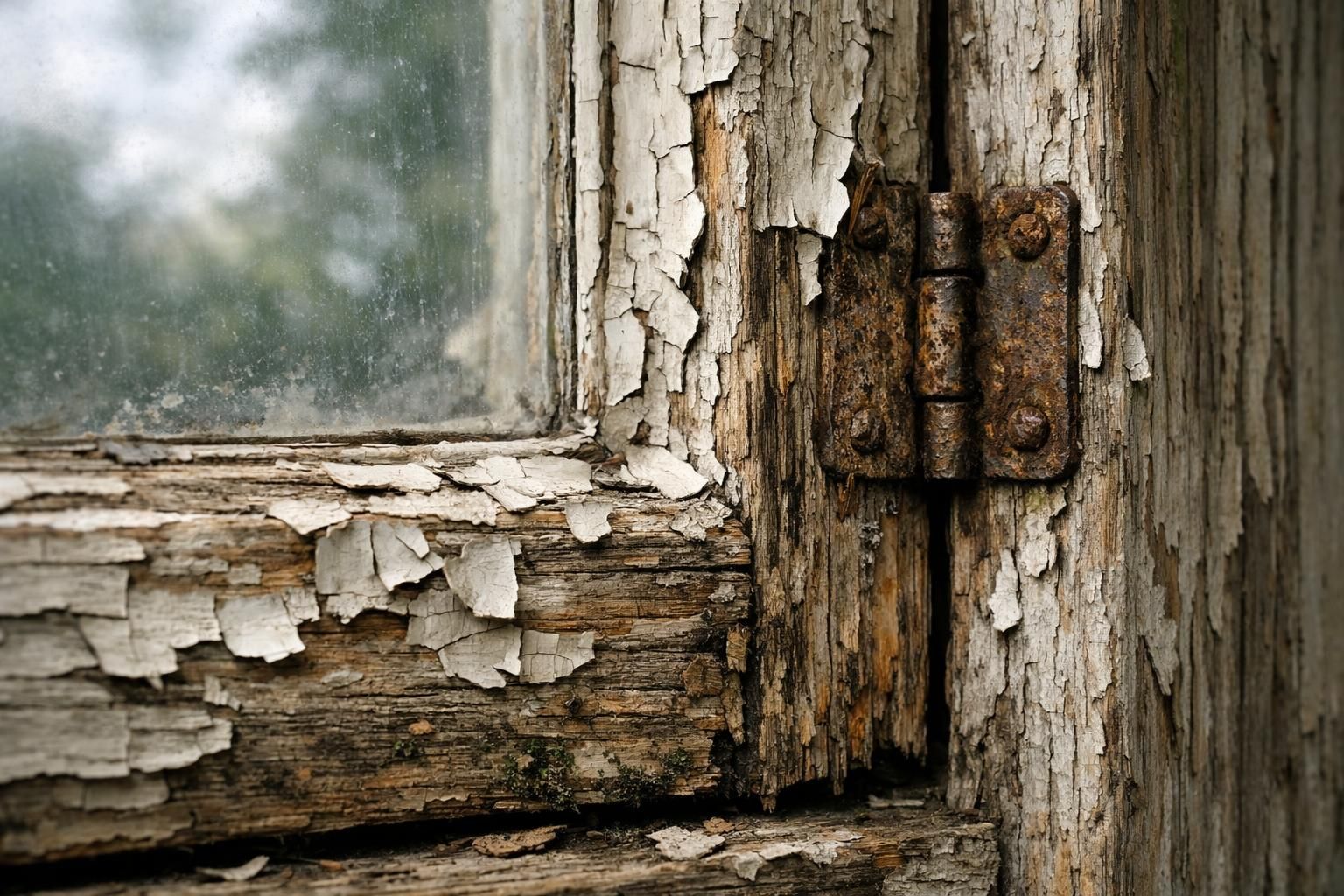
Lead-based paint was widely used in pre-1978 homes, and many Washington properties still contain this hazardous material today. The Environmental Protection Agency warns that dust from old lead paints can cause serious health risks, especially for children and pregnant women.
Brief history of lead paint use (pre-1978 homes)
Before 1978, manufacturers used lead paints widely in American homes. The EPA found that 87% of houses built before 1940 contain some form of lead-based paint. Between 1940 and 1959, about 69% of homes included this toxic chemical. Around 24% of homes built between 1960 and the ban in 1977 may still have lead hazards.
Washington has a significant number of older homes, particularly in established neighborhoods of Seattle, Tacoma, and Spokane, where pre-1940 housing is common. Government regulations changed everything in 1978 by banning residential paints containing dangerous levels of lead. The EPA now requires real estate agents, property managers, sellers, and brokers to follow strict disclosure rules for pre-1978 homes during sales or leases.
Health risks, especially for children
Lead-based paint poses serious health risks, especially to children under six. Even small amounts of lead dust from old windows or doors can cause lead poisoning, leading to brain damage, kidney problems, developmental delays, and lifelong effects on learning and behavior.
Federal law requires you to protect families from these hazards. Washington State also takes lead hazards seriously through the Washington State Department of Health, which provides guidance on lead exposure prevention. Sellers and property managers must provide proper lead paint disclosure when selling homes built before 1978.
Understanding the Federal Lead-Based Paint Disclosure Rule

Federal law requires you to tell buyers about any lead-based paint hazards in pre-1978 homes. Real estate agents must provide the EPA's "Protect Your Family from Lead in Your Home" guide during the sale process. In Washington, these federal requirements work alongside state seller disclosure obligations.
Provide EPA pamphlet 'Protect Your Family from Lead in Your Home'
You must give buyers the EPA pamphlet "Protect Your Family from Lead in Your Home" before they sign any contract on a pre-1978 property. This free booklet, found at epa.gov/lead, explains lead-based paint hazards and serious health risks. The law requires you to supply this document as part of the official paperwork for selling homes built before 1978.
Handing over this pamphlet is not optional — it counts as one of the main steps to comply with Title X regulations. Make sure your real estate agent helps you include the pamphlet to avoid penalties for non-compliance.
Disclose any known lead paint or hazards
Provide buyers with all available records and reports about lead-based paint or lead hazards in your home. The law requires you to complete and sign a federal Lead Paint Disclosure form before signing contracts for most homes built before 1978.
In Washington, sellers are also required under state law to complete a Seller Disclosure Statement (Form 17). This form includes questions about known material defects and environmental hazards, which would encompass known lead paint issues. Failure to disclose could result in penalties under both federal rules and Washington State law.
Allow buyers a 10-day testing period
Federal law protects buyers of pre-1978 homes by granting a 10-day testing period for lead-based paint. You must make this option available as part of your sale contract. Buyers may choose to waive the testing period in writing. The federal requirement does not force you to pay for the inspection unless parties agree otherwise during negotiations.
Washington real estate contracts typically handled through Northwest MLS forms include provisions for this inspection contingency. Most traditional buyers use this time to assess health risks and protect their families before finalizing a purchase.
Penalties for non-compliance
Failing to follow lead paint disclosure rules can bring serious consequences. The EPA and HUD may impose civil fines exceeding $16,000 per violation. Criminal prosecution is possible for willful violations. In Washington, sellers who fail to complete the required Seller Disclosure Statement (Form 17) may also face legal liability under state consumer protection law.
You must keep signed lead-based paint disclosures for at least three years after selling your property. Lawsuits over health damages from lead poisoning can result in significant additional costs beyond federal fines.
Common Questions from Washington Sellers
Do sellers need to test for lead paint before selling?
Federal law does not require you to test for lead-based paint before selling your home if you do not know whether it is present. If your house was built before 1978, you must tell buyers about any known lead paint or hazards and share any past inspection reports. You also need to provide the EPA pamphlet "Protect Your Family from Lead in Your Home."
Buyers get up to ten days to conduct their own lead paint testing if they wish. Some lenders — including FHA and VA loan programs common among first-time buyers in the Puget Sound region — may require a lead paint inspection in pre-1978 homes before approving financing. Always check with a Washington-licensed real estate agent about any additional local requirements.
What if sellers aren't sure if lead paint is present?
If you aren't sure about lead-based paint in your pre-1978 Washington home, you must disclose this lack of knowledge to buyers. Federal law does not require mandatory testing for uncertain sellers, but you still need to complete the lead paint disclosure form honestly. On the Washington Seller Disclosure Statement (Form 17), simply indicate that you have no knowledge of lead paint if that is accurate.
Never guess or misrepresent what you know about lead hazards. Keep all disclosure documents for at least three years after closing. This process protects both you and future owners from liability under Washington State law and federal regulations.
Does painting over lead paint eliminate disclosure requirements?
Painting over lead-based paint does not remove your legal duty to disclose known lead hazards. Federal law requires you to tell buyers about any existing lead hazards, even if new paint covers old layers. 1 For homes built before 1978, the Lead-Based Paint Disclosure Rule applies in every sale.
Even encapsulation or other covering methods do not eliminate disclosure obligations under federal regulations or Washington State law. Washington's consumer protection statutes reinforce the duty to disclose known material defects, including covered lead hazards. Painting alone cannot erase your right-to-know obligations under these laws.
Selling Your Washington Home with Lead Paint: Strategies for Success

You can sell your Washington home with lead-based paint either "as-is" or after making repairs. Selling as-is saves time and avoids costly work, but offers from cash buyers or real estate investors may come in below market value. In competitive markets like Seattle or Bellevue, some sellers choose to remediate lead hazards to attract a broader pool of traditional buyers and support appraisal values.
Renovating areas with lead paint can increase buyer interest and reduce health risks, particularly if families with young children are likely purchasers. Investors tend to handle risk assessment themselves and can close deals quickly. Always compare investor bids, verify credentials, and remember that full federal and state disclosure is required regardless of buyer type.
How Lead Paint Affects Different Buyer Types

Traditional buyers vs. investors and cash buyers
Selling a property with lead-based paint in Washington means you will likely meet two kinds of buyers: traditional buyers and investors or cash buyers. Each group has a different approach to lead paint risks, compliance, and negotiations.
| Buyer Type | Lead Paint Risk Tolerance | Required Compliance | Typical Price Impact | Inspection & Due Diligence | Sales Process Characteristics |
|---|---|---|---|---|---|
| Traditional Buyers (Families, FHA/VA buyers, financed buyers) |
|
|
|
|
|
| Investors and Cash Buyers |
|
|
|
|
|
Whether you sell to a family or an investor in Washington, understanding how each group approaches lead paint disclosure gives you the power to choose the best path for your situation. 2
Remediation Options and Costs
You have several ways to manage lead-based paint in your Washington home. Property managers and real estate agents often recommend a risk assessment or inspection before choosing the best method.
Encapsulation, removal, and replacement
Encapsulation covers lead-based paint with a special sealant, locking in the hazard. This method often costs $4 to $7 per square foot and works well for large surfaces in good condition. Removal strips away all layers of lead paint and typically costs between $8 and $17 per square foot. EPA-certified contractors handle this work under the 2010 Renovation, Repair, and Painting rule — Washington State follows federal RRP requirements and requires contractors to be EPA-certified.
Replacement means removing items coated with lead paint — such as doors, window frames, or trim — and installing new materials. Full abatement for an average home can run from $8,000 to $15,000 depending on size and layout. Interim controls offer temporary relief for around $1,000 to $3,000 but do not eliminate long-term risks.
Typical cost ranges for lead paint abatement
Removing lead-based paint often costs homeowners an average of $3,499. 3 Most projects range from $1,478 to $5,520, with full abatement in larger pre-1978 Washington homes potentially reaching $18,000. Professional removal rates fall between $6 and $17 per square foot.
Encapsulation typically runs $4 to $7 per square foot. Complete abatement jobs frequently land between $8,000 and $15,000. Interim controls start around $1,000 and may rise to $3,000. Annual post-remediation inspections by certified contractors cost around $300–$700 per year. 3
The Lead Paint Disclosure Process Step-by-Step
Completing the disclosure addendum
In Washington, you will typically use forms provided by Northwest MLS or your title company. Fill out the federal lead paint disclosure addendum before any sale or lease agreement if your property was built before 1978. You must also complete the Washington Seller Disclosure Statement (Form 17), which includes questions about known environmental hazards.
Include all information about known lead-based paint hazards and any past inspections or reports. Attach the EPA booklet "Protect Your Family from Lead in Your Home." Get signatures and dates from every party, including real estate agents, buyers, and sellers. Federal law gives buyers a 10-day period to conduct their own lead paint inspection; this timeframe can be shortened or waived in writing. 4 Keep copies of all completed disclosure forms for at least three years after closing as required by federal rules. 4
Providing the EPA pamphlet
Before you sign a sales contract on a pre-1978 Washington home, federal law requires you to give the EPA pamphlet "Protect Your Family from Lead in Your Home" to buyers. You can find this document for free at epa.gov/lead. The pamphlet is also available in Spanish — important for Washington's diverse communities in areas like South Seattle and Tacoma. 5
You must provide this material before anyone signs the contract. The Residential Lead-Based Paint Hazard Reduction Act of 1992 (Title X) enforces these steps in all states. Failure to follow this requirement can lead to federal penalties and civil liability under Washington law. 1
Conclusion
Lead paint doesn't prevent a sale; proper disclosure and the right buyer strategy make it manageable
Federal law requires you to inform buyers about any known lead-based paint and lead hazards in your home. 6 In Washington, you must also satisfy state disclosure requirements through Form 17. Using the correct federal and state disclosure forms, providing the EPA pamphlet, and following all applicable rules keeps you protected from legal risk. 1
Investors and cash buyers often move forward quickly with pre-1978 Washington homes if you provide clear documentation. Traditional buyers may ask for price reductions of 3%–6%, but honest disclosure generally keeps negotiations smooth. With accurate reporting and support from experienced Washington real estate professionals, selling a house with lead paint is manageable.
Cash buyers can simplify the process by purchasing properties as-is
Cash buyers and real estate investors often purchase pre-1978 Washington homes as-is, even with lead-based paint present. You do not have to spend money on repairs or lead paint abatement before the sale. Investors typically complete their assessments quickly and skip requirements like home staging or multiple showings, saving you weeks or months of preparation.
Cash offers are generally below market value, but you avoid agent commissions and often some closing costs. This approach can significantly reduce stress when selling an older home with lead hazards. 2
If you own a pre-1978 home in Washington and want to skip the hassle of remediation, disclosures, and open houses, KDS Homebuyers can help. Visit kdshomebuyers.net to request a free, no-obligation cash offer and see how straightforward selling your Washington home can be.
FAQs
1. What are the federal rules about selling a home with lead-based paint in Washington?
Federal law requires sellers of pre-1978 homes to provide buyers with a lead paint disclosure and the EPA pamphlet on lead hazards. Washington sellers must also complete the Seller Disclosure Statement (Form 17). Real estate agents must ensure these steps happen before any sale.
2. Why is lead paint dangerous for buyers and real estate investors?
Lead poisoning can cause serious health risks, especially in children. Lead paint hazards may not be obvious during showings, so a risk assessment or professional lead paint inspection helps protect everyone involved in a Washington real estate transaction.
3. How should Washington property managers handle lead-based paint when selling investments?
Property managers must inform buyers about any known lead hazards or past testing results. They should provide records of any previous risk assessments and ensure compliance with both federal disclosure rules and Washington State law.
4. Are there special requirements for real estate agents in Washington working with pre-1978 homes?
Washington real estate agents must ensure all parties receive required federal and state disclosures and understand their rights. Agents help coordinate inspections using Northwest MLS forms and guide clients through EPA renovation safety requirements if repairs are needed.
5. Can "buyer beware" apply when buying old houses in Washington with possible lead issues?
Washington law limits the application of caveat emptor in residential real estate. Federal and state disclosure requirements mandate that sellers reveal known lead paint hazards. Buyers retain the right to inspect and the right to receive full, honest disclosure before closing.
References
- ^ https://www.epa.gov/lead/real-estate-disclosures-about-potential-lead-hazards (2025-09-17)
- ^ https://www.researchgate.net/publication/276596887_The_impact_of_the_residential_lead_paint_disclosure_rule_on_house_prices_findings_in_the_American_Housing_Survey
- ^ https://www.angi.com/articles/how-much-cost-removing-lead-paint.htm (2025-10-21)
- ^ https://www.flalandlord.com/the-lead-disclosure-rule
- ^ https://www.epa.gov/lead/sellers-disclosure-information-lead-based-paint-andor-lead-based-paint-hazards
- ^ https://pmc.ncbi.nlm.nih.gov/articles/PMC11972548/
