

Selling a House With an Old or Damaged Roof: What You Need to Know in Colorado
Trying to sell a house with a bad roof in Colorado can feel overwhelming. A damaged or old roof can lower your home value and scare off buyers, especially after a home inspection. 2 This guide will help you understand what steps to take, whether that means replacing the roof, selling as-is, or making targeted repairs. Colorado's climate—hail storms on the Front Range, heavy snow loads in the mountains, and intense UV exposure at altitude—creates unique roofing challenges that every seller should understand before listing. 1
Key Takeaways
- A damaged or old roof can lower your home's value and may prevent buyers from getting FHA or VA loans, which require at least two years of remaining roof life.
- Roof repairs in Colorado typically cost $300–$1,500 for minor fixes; full replacements range from $9,000 to $26,000 depending on pitch, material, and labor in cities like Denver or Colorado Springs.
- Sellers typically recover about 63% of roof replacement costs at resale. Roofing upgrades generally outperform many other remodels in ROI.
- Selling "as-is" to cash buyers is the fastest option but may bring offers $10,000–$25,000+ below market value. Colorado requires sellers to disclose known roof defects on the state-approved Seller's Property Disclosure form.
- Repair credits or allowances give flexibility when you can't replace the roof before closing, though FHA and VA deals may still require proof of completed repairs.
Assessing the Condition of Your Roof
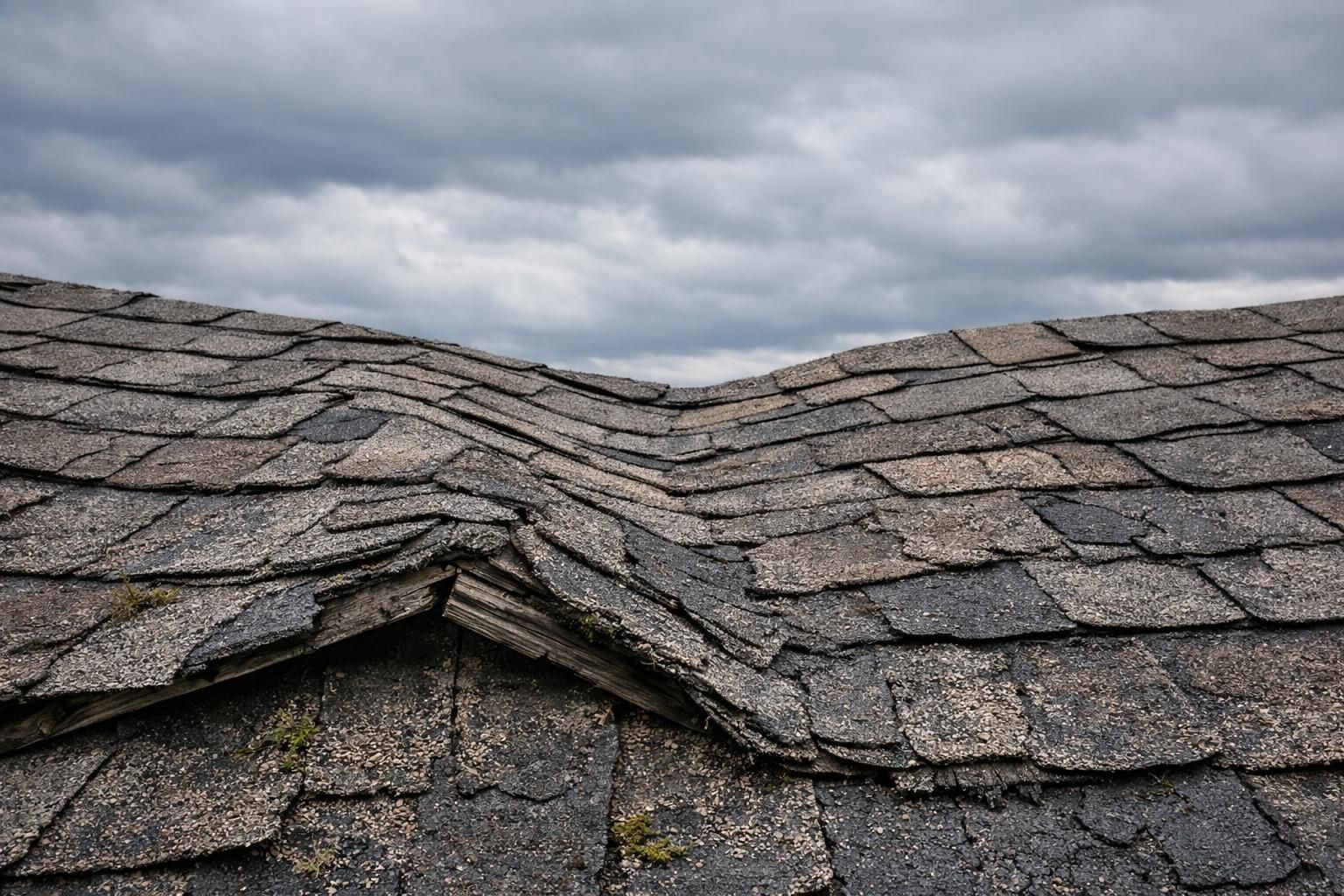
You may notice cracked asphalt shingles, attic leaks, or a sagging roofline as warning signs. Colorado's notorious hailstorms—particularly along the I-25 corridor from Denver to Pueblo—can cause damage that isn't visible from the ground. A licensed Colorado roofer can perform a thorough inspection and help you understand how your roof's condition affects home value and future repair costs.
Signs of serious roof damage
Spotting serious roof damage early can save you from bigger repair costs and protect your home value during the selling process.
- Missing shingles expose your home to moisture and wind—common after the severe hail seasons that regularly affect the Denver Metro and Front Range communities.
- Water stains on ceilings or walls often point to active leaks that worsen during Colorado's spring storms and summer monsoon moisture.
- Sagging sections suggest structural issues with the decking or supports, often linked to long-term snow load stress or water damage.
- Roofs older than 20–25 years (for asphalt shingles) face a much higher failure risk, especially given Colorado's extreme temperature swings between seasons.
- Cracked, buckled, or curled shingles let moisture seep through and can deteriorate rapidly under intense Colorado UV exposure at high elevation.
- Granular loss in gutters signals wear on composite shingles and shortens roof lifespan.
- Ice dams along the eaves during winter force water under roofing material—a frequent problem in mountain communities and higher-elevation Denver suburbs.
- Hail dents, wind-blown debris marks, or exposed underlayment may support an insurance claim with your Colorado homeowner's insurer.
Colorado appraisers lower home values over suspected roof damage regularly. Mortgage lenders may refuse to approve loans on houses with unresolved leaks or visible sagging because FHA and VA guidelines require sound roofs. Acting fast improves curb appeal and protects your equity during the selling process.
When to hire a professional roof inspection
Schedule a professional roof inspection at least every five years, even if your shingles appear fine from the ground. 1 In Colorado, you should also book an inspection after any significant hailstorm, heavy snowfall, or high-wind event—all of which are common across the state.
If you see water intrusion, missing shingles, sagging spots, or cracked areas near vents or chimneys, contact a licensed home inspector promptly. Colorado's Division of Real Estate licenses home inspectors, so verify credentials before hiring.
Professional inspection reports give you leverage when negotiating repair credits and set clear expectations for FHA and VA appraisals. Early detection extends roof lifespan and protects buyer confidence. 1
Why roof condition impacts buyers and appraisers in Colorado
Lenders and appraisers assess roof condition to judge risk and value. Old, leaking, or sagging roofs can prevent buyers from obtaining FHA or VA financing because these programs require two to three years of remaining roof life. 2 Home inspectors will flag missing shingles, cracked tiles, or water damage in their reports, potentially leading to delays, low offers, or repair demands before closing.
In competitive markets like Denver's metro area, buyers expect move-in-ready homes. Notable roof damage lowers home value and weakens your negotiating position. Some investors will buy as-is but will discount their offer to account for new roofing costs.
The Traditional Selling Route
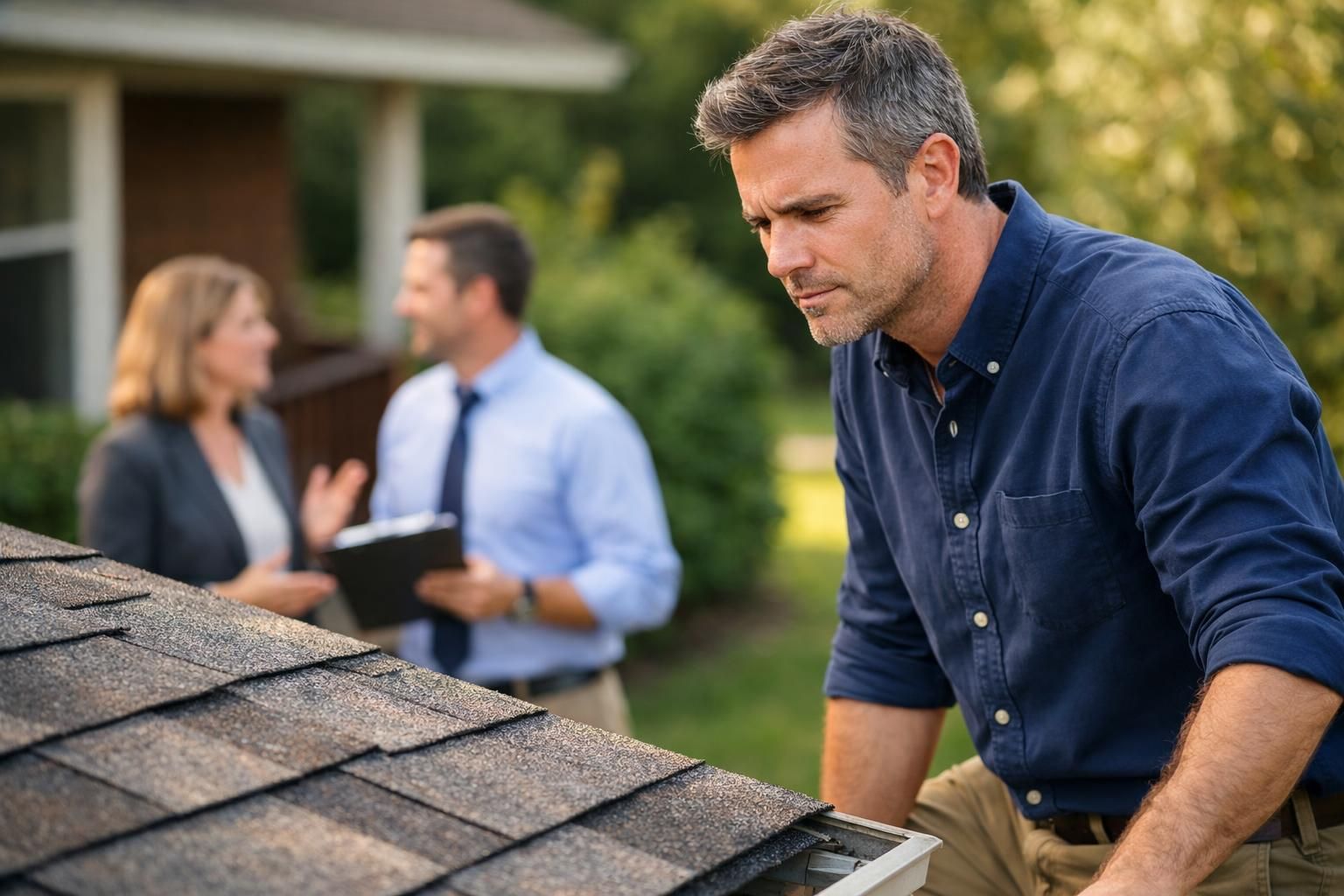
Selling traditionally in Colorado means buyers—and their lenders—will scrutinize your roof. Real estate agents, home inspectors, and appraisers all focus on roof condition because it directly affects your listing price and how quickly your home sells.
Getting repair estimates and understanding repair costs
- Obtain at least three quotes from licensed Colorado roofing contractors for the most accurate cost comparison.
- Roof repairs like fixing leaks or replacing cracked shingles typically range from $300 to $1,500.
- Full roof replacements in Colorado generally fall between $9,000 and $26,000; steeper pitches or high-altitude locations can push costs higher.
- Asphalt shingles remain the most affordable at roughly $0.70 to $4 per square foot and are widely available from Colorado suppliers.
- Metal roofing—popular in Colorado for its snow-shedding performance—runs from $3 to $6 per square foot.
- Composite or synthetic shingles range from $1 to $15 per square foot and can mimic the look of wood or slate while handling Colorado's freeze-thaw cycles well.
- Slate tiles cost around $8 to $18 per square foot and require additional structural support due to their weight.
- Local labor rates in Denver and Aurora tend to be higher than rural Colorado markets; always request itemized written estimates.
- Roofing permits are required in most Colorado municipalities—factor permit costs and inspection timelines into your project schedule.
- FHA and VA loans require homes to meet strict roof condition standards; failing an appraisal over poor roofing can jeopardize your sale or force a price reduction.
FHA/VA loan requirements for roof repairs
FHA loans require a roof to be weathertight with at least two years of life remaining. An FHA appraiser must report damage like leaks, missing or cracked shingles, sagging areas, or water stains. If the roof shows serious deterioration during a home inspection, repair is mandatory before financing can be approved.
VA and USDA loans set similarly strict property condition standards. Visible defects—water infiltration, loose shingles, rotted wood, or aged metal roofing—can block loan approval unless repairs are completed first. 3 For Colorado sellers with older roofs, addressing these issues before listing is critical to avoid delayed closings and lost buyers.
ROI considerations when repairing before selling
A new roof can raise your home value by nearly $12,000 nationally, with sellers recovering about 63% of replacement costs at resale on average. Asphalt shingle replacements can yield a resale boost up to $17,461, while metal roofing returns an average of $24,034—making it especially attractive in Colorado where buyers value durability against snow and hail.
Tear-off replacements allow inspectors to check for hidden issues like rot beneath old layers, making your home more appealing to both buyers and appraisers. Newer roofing materials—composite or metal—catch buyer attention in Colorado's competitive real estate market because they reduce maintenance concerns and avoid loan delays tied to poor roof condition.
Alternative Selling Options

You can explore faster, more flexible ways to sell your house with a damaged roof—options that can reduce stress and fit your timeline.
Selling as-is to investors or cash buyers
Selling as-is to investors or cash buyers solves problems fast when you lack time or funds for roof repairs. Many real estate investors operating in Denver, Aurora, Colorado Springs, and surrounding areas actively seek properties with damaged roofs. They use repair estimates and market data to make quick offers, but these offers usually fall $10,000–$25,000 or more below typical market value.
Colorado law requires sellers to disclose all known material defects, including roof problems, on the state-approved Seller's Property Disclosure form. Hiding issues like missing shingles, a sagging structure, or water leaks can expose you to legal liability under Colorado real estate law. Pricing your house below comparable homes attracts fix-and-flip buyers who factor in the cost of a new roof installation.
Pricing below market to attract fix-and-flip buyers
Fix-and-flip buyers look for deals with strong profit potential. Data from 2025 shows that 21% of homes sold below their expected after-repair value—the highest rate since late 2022. 4 On average, these buyers will pay up to 64% of a home's projected post-renovation value when major work like roof replacement is needed.
You can calculate an attractive price by subtracting the full roof repair cost and then discounting an additional 10–20% for the inconvenience investors face during the project. In Colorado's market, this approach draws cash buyers who specialize in purchasing properties as-is despite issues flagged during inspections or appraisals.
Offering repair credits or allowances to buyers
Repair credits help you attract buyers even when your house has roof damage. Many Colorado sellers use seller credits to cover roof repair costs after a home inspection reveals issues. These credits are written into the real estate contract and typically reflect actual roofing estimates from local contractors.
Lenders consider repair credits during the transaction. FHA and VA loans may still require proof that serious roof problems will be fixed before closing. In a buyer's market, offering larger repair allowances can help your listing stand out and give buyers cash reserves to handle post-closing repairs. 6 Repair credits do not reduce tax obligations for either party but offer flexibility when replacing the entire roof upfront isn't feasible. 5
Practical Decision-Making Guidance
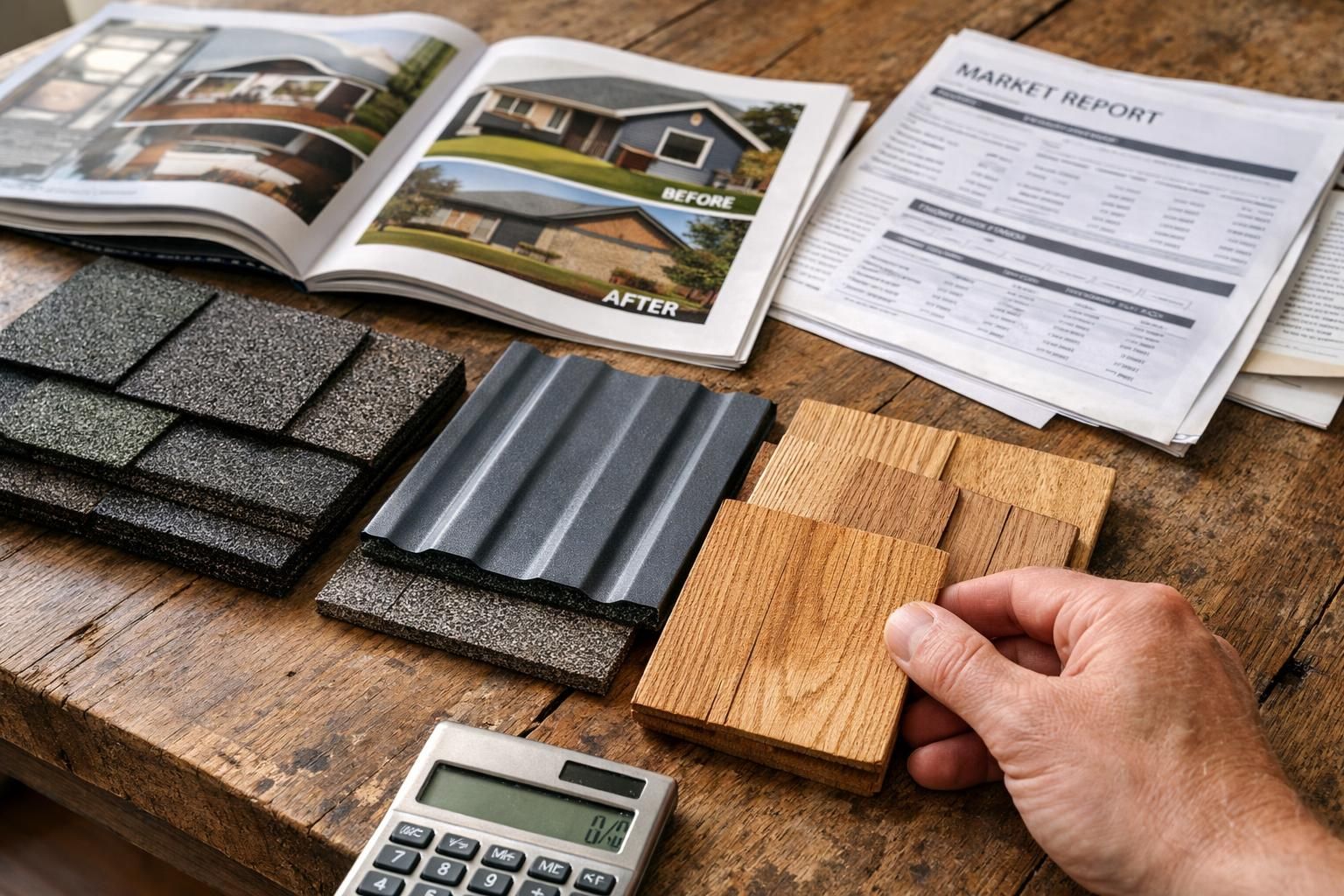
Smart decisions about your roof protect your home value and lower stress. Use local Colorado real estate market data, a recent appraisal, and trusted roofing quotes to weigh each selling strategy.
Performing a cost-benefit analysis
- Collect roofing quotes from licensed Colorado contractors for repair, partial re-roof, or full replacement using materials suited to local climate conditions.
- Compare estimated costs against your home's current value and recent sale prices of similar homes in your area with updated roofs.
- Factor in that homeowners typically recover up to 63% of roof installation costs at sale, though no upgrade guarantees a specific increase in assessed value.
- Check if FHA or VA loan requirements apply to your likely buyer pool; failing these standards narrows your qualified buyer pool significantly.
- Assess how a damaged or sagging roof could affect home inspections and appraisals—issues here can reduce offers or delay your sale.
- Consider your equity position; limited equity combined with high repair costs may tip the scale toward selling as-is rather than investing in improvements.
- Review permitting timelines for roofing work in your Colorado municipality—urgent sales may not allow time for larger projects.
- Weigh personal stress tolerance for coordinating labor, permits, city inspections, weather delays, and managing bids before committing to a full replacement.
Considering timelines: urgent sales vs. flexible timeframes
If you need to sell fast—due to foreclosure, job relocation, divorce, or financial hardship—selling as-is to a cash buyer makes sense. Cash buyers often close in days rather than the weeks or months a traditional Colorado sale requires.
A flexible timeline gives you more options. Completing roof repairs or installing new roofing materials attracts conventional buyers seeking move-in-ready homes and may expand your buyer pool significantly. In Colorado's market, addressing major roof issues before listing helps avoid financing hurdles that arise when FHA or VA appraisals flag poor roof condition.
Evaluating equity and stress tolerance
Check your equity position before starting any major roof repairs. Strong equity gives you more options—including repairing the roof or offering repair credits. Lower equity may make selling as-is the smarter financial move when large repair bills threaten your net proceeds. 8
Assess how much stress you can handle during the selling process. Managing contractors, permits, and inspections in Colorado's busy construction market adds pressure and time. Those with low stress tolerance or tight timelines often benefit most from selling to cash buyers who accept properties as-is. 7
Colorado Disclosure Requirements
Colorado sellers must complete a Seller's Property Disclosure (SPD) form, which includes specific questions about the roof—age, known leaks, past repairs, and insurance claims. Failing to disclose known roof defects can expose you to post-closing legal claims under Colorado real estate law. If your roof has sustained hail damage and you've filed an insurance claim, that history must also be disclosed. Work with a Colorado real estate attorney or licensed agent to ensure your disclosures are complete and accurate before listing.
Conclusion and Action Steps
Take clear steps by gathering roof repair estimates, reaching out to an experienced Colorado real estate agent, and exploring every selling path available to you.
Gather roofing quotes, consult a local agent, and evaluate all options
- Request a professional roof inspection from a licensed Colorado inspector to get accurate documentation of your roof's current condition.
- Collect at least three quotes from licensed local roofing contractors for repairs or full replacement using materials appropriate for Colorado's climate.
- Compare costs for partial re-roofing versus a complete replacement and judge the impact on your home's value and curb appeal.
- Schedule a conversation with a trusted Colorado real estate agent who understands current market trends for homes with roof damage.
- Ask your agent about ROI on pre-sale repairs versus selling as-is, especially if your home is older than 20 years or has known hail damage.
- Review Colorado's Seller's Property Disclosure requirements to ensure all known roof defects are properly documented before listing.
- Discuss how FHA and VA loan standards may limit your buyer pool if the roof is not repaired or credits are not offered.
- Check current market values for comparable homes in your area before deciding whether to repair or sell as-is.
- Consider all routes: traditional sale after repairs, marketing as-is to cash buyers, or offering a closing credit so buyers handle repairs themselves.
- Evaluate your equity against projected repair costs and decide whether a quick sale or pre-sale improvements better serves your financial goals.
FAQs
1. Does roof condition affect the home selling process in Colorado?
Yes, significantly. Colorado buyers are well aware of hail and weather damage, and a poor roof can lower your home's value, hurt curb appeal, and trigger financing issues with FHA or VA lenders.
2. Should I replace the roof before selling my Colorado home?
If you have severe damage—cracked shingles, a sagging structure, or active leaks—replacing the roof can boost your appraisal results and attract more buyers in Colorado's competitive real estate market.
3. What roofing materials work best in Colorado?
Asphalt shingles remain the most common and affordable option. Metal roofing performs well under heavy snow and hail. Impact-resistant shingles are increasingly popular on the Front Range and may qualify for Colorado homeowner's insurance discounts.
4. What does Colorado require sellers to disclose about the roof?
Colorado sellers must complete the Seller's Property Disclosure form, which includes specific questions about roof age, known leaks, past repairs, and insurance claims. Failing to disclose known issues can result in post-closing legal liability.
5. Can I sell my Colorado home with a damaged roof for cash?
Yes. Cash buyers and real estate investors purchase homes as-is throughout Colorado, including Denver, Aurora, and Colorado Springs. You won't need to make repairs, but expect offers below full market value to account for the cost of a new roof.
6. Will a new roof increase my ROI when selling in Colorado?
In most cases, yes. A new roof improves curb appeal, satisfies lender requirements, and typically leads to stronger offers. Impact-resistant roofing materials may also add value by lowering buyers' future insurance costs in hail-prone Colorado markets.
If your Colorado home has an old or damaged roof and you need a straightforward path forward, KDS Homebuyers can help. We buy houses as-is throughout Colorado—no repairs, no showings, no delays. Visit kdshomebuyers.net to request a free, no-obligation cash offer and find out what your home is worth today.
References
- ^ https://mountaintovalleyhomeinspections.com/everything-to-know-about-roof-inspections-during-home-inspections/
- ^ https://roofingcenter.com/appraisers-and-roof-conditions-what-you-should-know/ (2025-06-13)
- ^ https://www.fha.com/fha_article?id=257
- ^ https://www.housingwire.com/articles/fix-and-flip-market-challenges-2025/ (2025-11-10)
- ^ https://orchard.com/blog/posts/seller-credits-for-repairs (2023-01-30)
- ^ https://www.realtor.com/advice/real-estate-summary-advice/the-truth-about-repair-credits-at-closing/ (2025-09-13)
- ^ https://scholarworks.waldenu.edu/cgi/viewcontent.cgi?article=8569&context=dissertations
- ^ https://www.sciencedirect.com/science/article/pii/S0360132325000587
- ^ https://manuelcapital.com/blog/selling-a-house-with-a-20-year-old-roof
