

Selling a House With an Old or Damaged Roof: What You Need to Know in Washington
Trying to sell a house with roof problems in Washington can feel overwhelming. A damaged or old roof can lower your home value and scare off buyers, especially after a home inspection. 2 This guide will help you understand your options—whether that means replacing the roof, selling as-is, or making targeted repairs. 1 Learn how to make smart choices and attract serious offers in the Washington real estate market. 3
Key Takeaways
- A damaged or old roof can lower your home's value and may prevent buyers from qualifying for FHA or VA loans, which require at least two years of remaining roof life.
- Repair costs vary widely: fixing leaks or cracked shingles costs $300–$1,500; full replacements range from $8,000 to $24,000 for most Washington homes. Higher labor costs in the Seattle and Bellevue markets can push totals higher.
- Sellers typically recover about 63% of what they spend on a new roof at resale. Roofing upgrades often outperform other remodels in ROI and improve curb appeal.
- Selling "as-is" to investors is the fastest option but usually brings offers $10,000–$25,000+ below market depending on damage severity. Washington's seller disclosure law requires you to disclose known roof defects upfront.
- Offering buyers repair credits can help if you cannot fix the roof before closing, though FHA and VA deals may still require proof of repairs.
Assessing the Condition of Your Roof
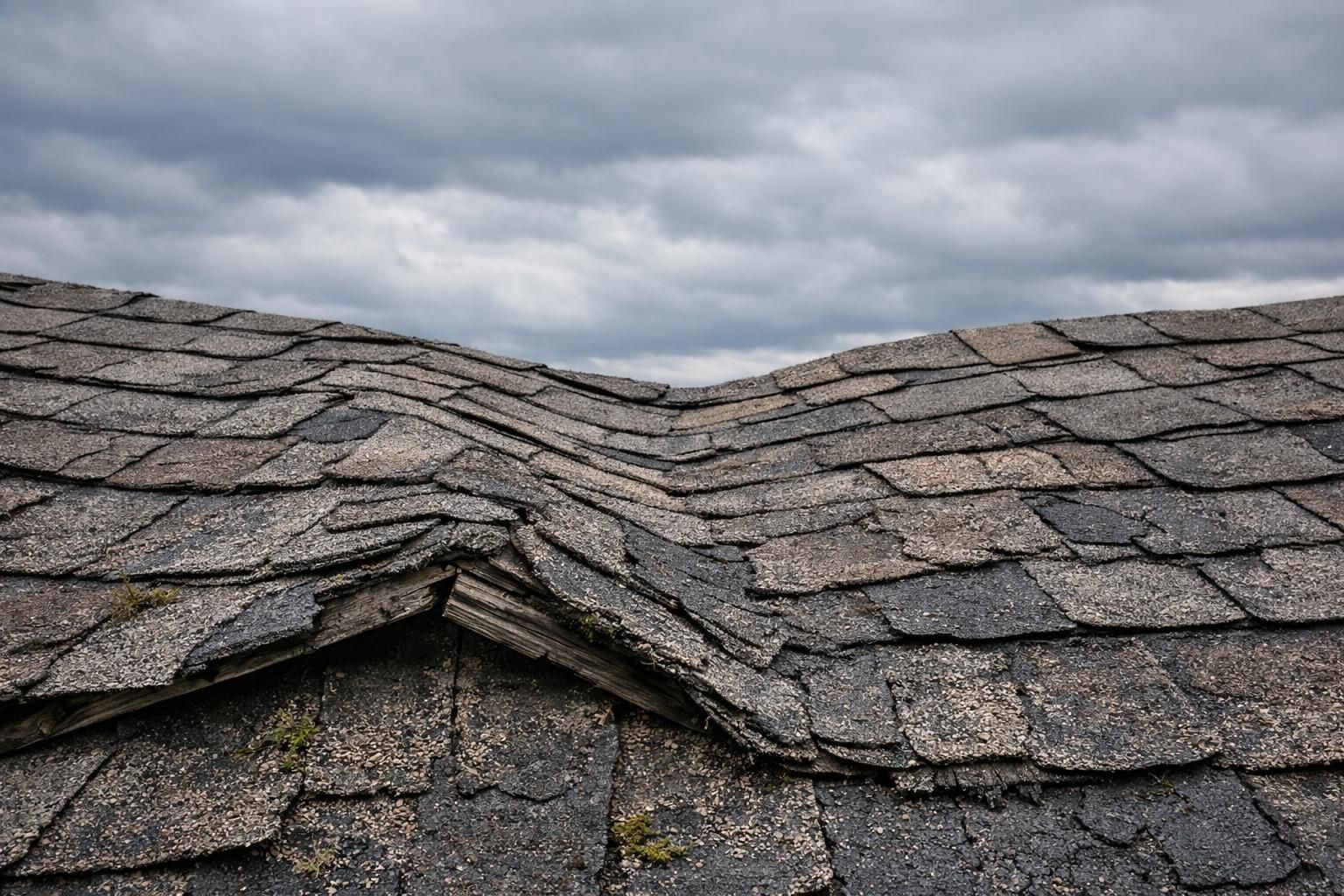
You may notice cracked asphalt shingles, leaks in the attic, or a sagging roofline as warning signs. Washington's wet climate—especially west of the Cascades—accelerates moss growth, wood rot, and water intrusion, making regular inspections especially important. A licensed roofer can assess your roof's condition and explain how it affects your home value.
Signs of serious roof damage (missing shingles, leaks, sagging, age beyond 20-25 years)
Spotting serious roof damage early can save you from bigger repair costs. In Washington, the combination of heavy rainfall, moss, and occasional ice and wind events creates unique wear patterns worth knowing.
- Missing shingles expose your home to water and wind—a serious concern during Washington's wet fall and winter seasons.
- Water stains on ceilings or walls often point to active leaks that worsen quickly during Pacific Northwest storms.
- Sagging sections suggest structural issues with decking or supports, often tied to long-term water damage common in older Seattle and Tacoma homes.
- Roofs older than 20–25 years (for asphalt shingles) face a much higher risk of failure, even without visible ground-level problems.
- Cracked, buckled, or curled shingles let moisture seep through—a fast track to rot in Washington's damp climate.
- Granular loss in gutters signals wear on older composite shingles and shortens remaining roof life.
- Heavy moss or algae growth—very common west of the Cascades—traps moisture and accelerates wood rot.
- Ice dams along eaves can form during winter freezes in eastern Washington and higher-elevation areas, forcing water under roofing material.
- Hail or windstorm damage may trigger homeowner's insurance claims; always document post-storm damage promptly.
Washington appraisers routinely reduce home valuations when they see unresolved roof damage. Mortgage lenders may refuse to fund FHA or VA loans on homes with visible sagging or active leaks. Acting quickly protects your equity and your timeline.
When to hire a professional roof inspection
Schedule a professional roof inspection at least every five years, even if your roof looks fine from the ground. 1 In Washington, also book an inspection after significant wind events, heavy snowfall in eastern Washington or mountain communities, or any season with prolonged heavy rain.
If you see water intrusion, missing shingles, sagging spots, or cracked shingles near vents or chimneys, contact a licensed Washington home inspector right away. Professional inspection reports give you documentation to use when negotiating repair credits and help satisfy FHA and VA appraisal requirements. 1
Why roof condition impacts buyers and appraisers
Lenders and appraisers weigh roof condition heavily. Old, leaking, or sagging roofs can block buyers from obtaining FHA or VA financing, since these programs require two to three years of remaining roof life. 2 Home inspectors will flag missing shingles, cracked tiles, or water damage in their reports, leading to delays, low offers, or mandatory repairs before closing.
In competitive markets like Seattle and Bellevue, buyers expect move-in-ready homes. Notable roof damage hurts your position even in softer markets like Spokane or Olympia. Some investors will still buy as-is but will factor full replacement costs into their offer.
The Traditional Selling Route
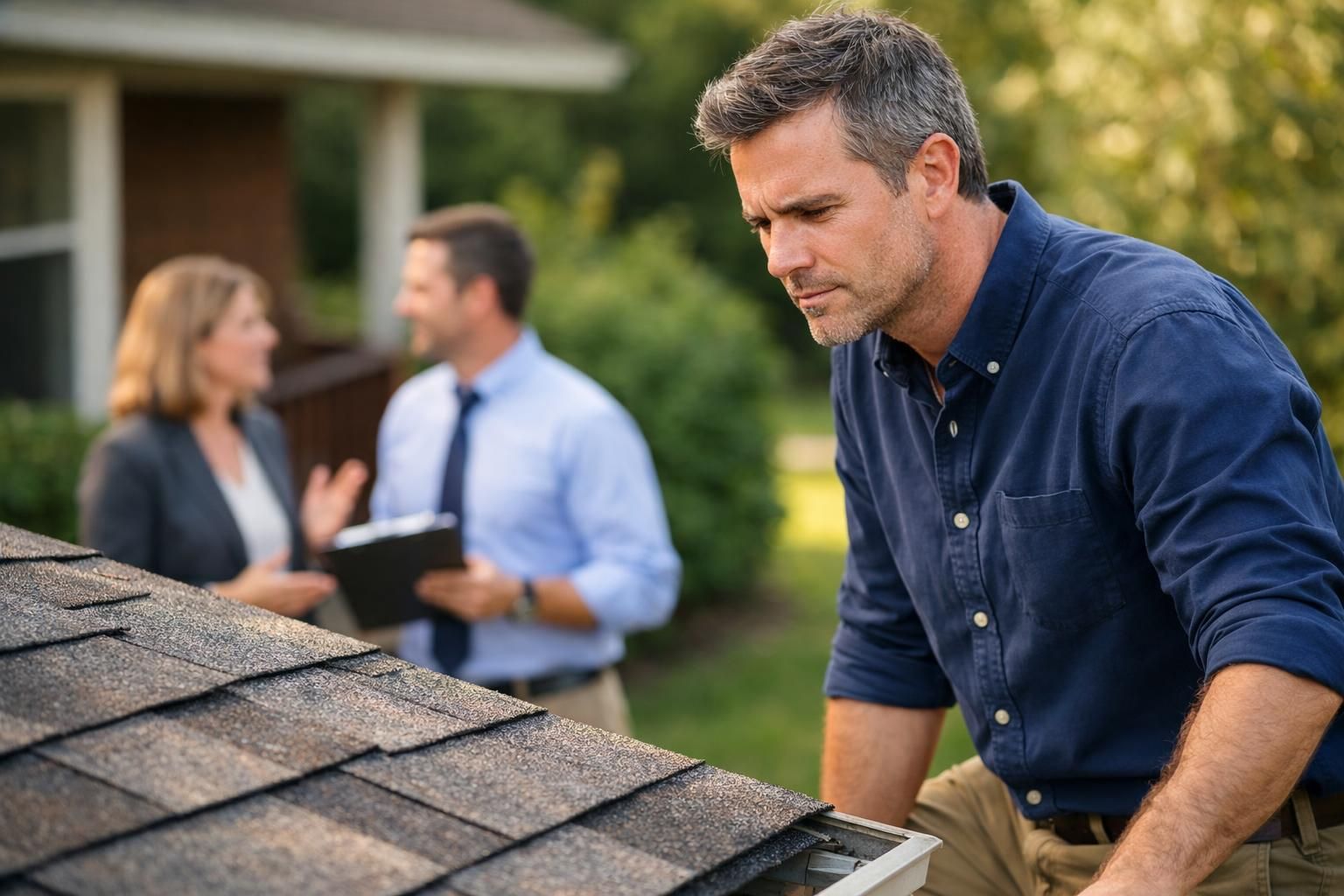
Selling through the traditional market in Washington means buyers and their lenders will scrutinize your roof. Real estate agents, home inspectors, and appraisers all focus on roof condition because it directly affects your listing price and how quickly your home sells.
Getting repair estimates and understanding repair costs
Accurate estimates help you plan and avoid surprises. Labor costs in the Puget Sound region—Seattle, Tacoma, Bellevue—tend to run higher than national averages, so local quotes are essential.
- Get at least three quotes from licensed Washington roofing contractors.
- Fixing leaks or replacing cracked shingles typically costs $300–$1,500.
- Full roof replacement usually runs $8,000–$24,000; complex jobs with premium materials can reach $30,000–$50,000 in high-cost Seattle-area markets.
- Asphalt shingles remain the most affordable at roughly $0.70–$4 per square foot and are well-suited to Washington's rain-heavy climate.
- Metal roofs cost $3–$6 per square foot and offer strong durability in Pacific Northwest conditions.
- Composite or synthetic shingles range from $1 to $15 per square foot and offer longer warranties.
- Slate tiles command $8–$18 per square foot and are found on older homes in Seattle's historic neighborhoods.
- Always ask for written estimates itemizing materials, labor, disposal fees, and permit costs—Washington municipalities require roofing permits for most replacement work.
- FHA and VA loans require homes to meet strict roof condition standards; a failed appraisal can jeopardize your sale.
FHA/VA loan requirements for roof repairs
FHA loans require a roof to be weathertight with at least two years of life remaining. An FHA appraiser must report leaks, missing shingles, sagging, or water stains. If the roof shows serious deterioration during a home inspection, repairs are mandatory before buyer financing is approved. 3
VA and USDA loans apply the same strict standards. Visible defects—water infiltration, loose shingles, rotted wood—can prevent loan approval unless corrected first. For Washington sellers with older roofs, addressing these issues before listing is often the key to avoiding delayed closings and losing qualified buyers.
ROI considerations when repairing before selling
A new roof can raise your home value by nearly $12,000 nationally. Sellers typically recover about 63% of a full roof replacement cost at resale. Installing asphalt shingles before selling can yield an ROI near 56.9% and a resale boost up to $17,461 based on 2024 data. Metal roofing brings an average resale return of $24,034 with a 48.1% ROI.
In Washington's wet climate, a new roof is especially compelling to buyers concerned about water damage and long-term maintenance. Tear-off replacements allow inspectors to check for hidden rot beneath old layers—making your home more appealing to both buyers and appraisers. Newer roofing materials also help avoid FHA/VA loan delays tied to poor roof condition.
Alternative Selling Options

You can explore faster, more flexible ways to sell your Washington home with a damaged roof—keep reading to learn how these approaches can lower stress and fit your situation.
Selling as-is to investors or cash buyers
Selling as-is often solves problems fast when you lack time or funds for repairs. Cash buyers and real estate investors look for properties with damaged roofs and make quick offers based on repair cost estimates and market data—but those offers typically come in $10,000–$25,000 or more below market value.
Washington's seller disclosure law (governed by the Washington State Seller Disclosure Act, RCW Chapter 64.06) requires you to disclose all known roof defects on the Seller Disclosure Statement before the sale. Hiding issues like missing shingles, sagging, or active leaks can expose you to legal liability after closing. Pricing your home below similar properties attracts fix-and-flip buyers who expect a roof replacement as part of the deal, and lets you close quickly without waiting on FHA or VA loan approvals.
Pricing below market to attract fix-and-flip buyers
Fix-and-flip buyers look for deals with strong profit potential. On average, these buyers will pay up to about 64% of a home's projected post-renovation value when major work like roof replacement is needed. Pricing your house below local market value helps attract investor interest quickly.
You can calculate an attractive price by subtracting the full roof repair or replacement cost, then discounting an additional 10–20% for the investor's time, risk, and carrying costs. This approach draws cash buyers who purchase properties as-is despite issues flagged during inspections—common in markets like Tacoma and Spokane where investor activity remains active.
Offering repair credits or allowances to buyers
Repair credits let you attract buyers even when your home has roof damage. Many Washington sellers use seller credits to cover roof repair costs after a home inspection surfaces issues like missing shingles, leaks, or sagging areas. These credits are built into the purchase and sale agreement and typically reflect actual roofing estimates from local contractors.
Keep in mind that FHA and VA loans may still require proof that serious roof problems will be corrected before closing—a credit alone may not satisfy the lender. In a buyer's market, offering a generous repair allowance can set your listing apart. Repair credits do not reduce tax obligations for either party but provide flexibility when replacing the roof before sale isn't feasible. 5
Practical Decision-Making Guidance
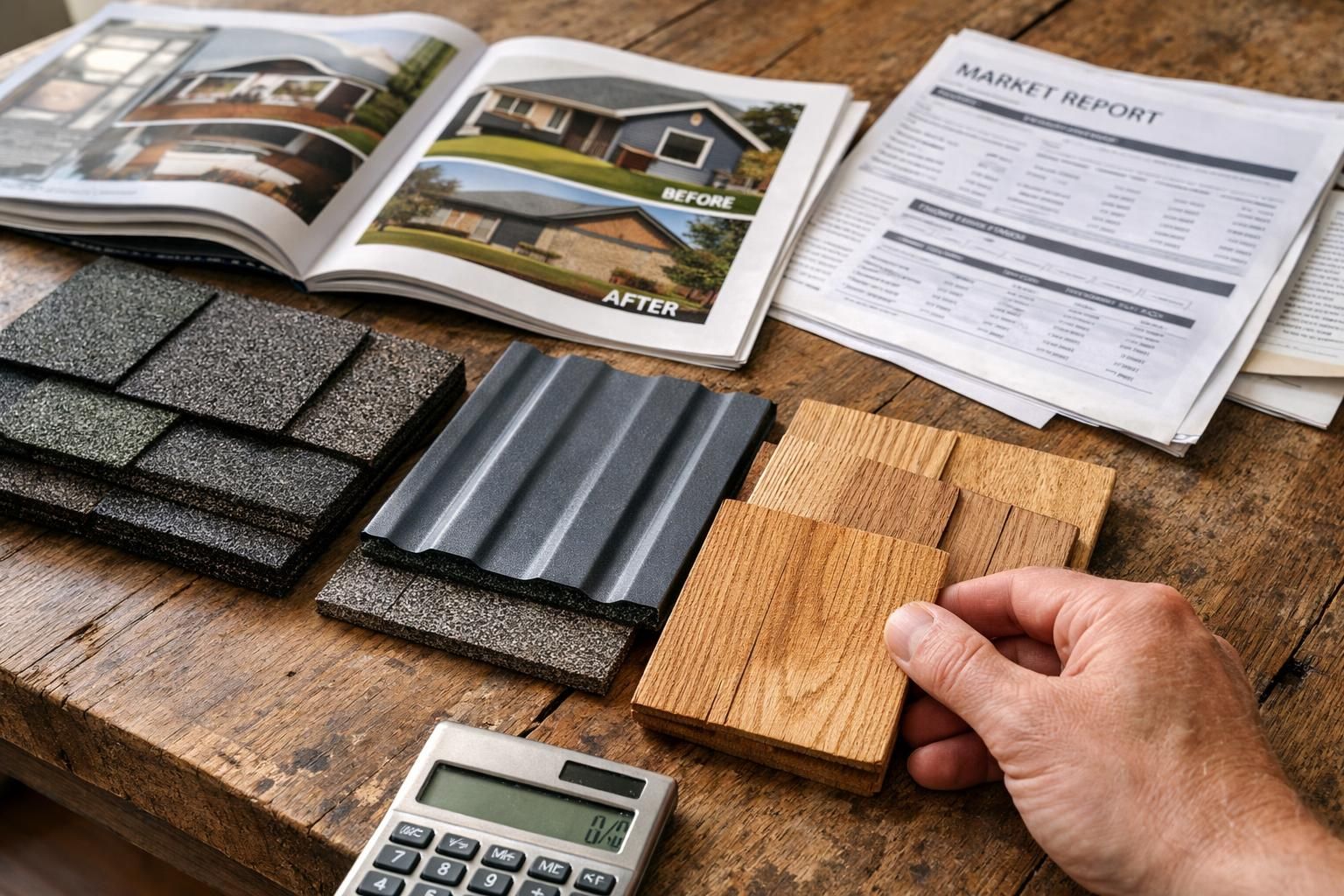
Smart decisions about your roof protect your home value and reduce stress. Use Washington real estate market data, a recent home appraisal, and trusted roofing quotes to evaluate each selling strategy.
Performing a cost-benefit analysis
- Collect roofing quotes from licensed Washington contractors for repair, partial re-roofing, or full replacement using materials suited to your region—asphalt shingles work well statewide; metal roofing performs especially well in high-rainfall western Washington.
- Compare costs against your home's current value and recent sale prices of similar homes in your area with updated roofs.
- Factor in that sellers typically recover about 63% of roof replacement costs at resale—no upgrade guarantees a dollar-for-dollar return.
- Check whether FHA or VA loan requirements apply to your likely buyer pool; failing these standards shrinks your qualified buyer pool significantly.
- Evaluate how a damaged roof affects Washington home inspections and appraisals—issues here can reduce offers or stall your closing.
- Consider your equity position; low equity combined with high repair costs may tip the scale toward selling as-is rather than investing in improvements.
- Review timing: roofing contractors in the Seattle metro and western Washington are busiest in spring and summer, which can affect scheduling and cost.
- Weigh personal stress tolerance for coordinating labor, pulling permits through your local building department, managing inspections, and handling weather delays.
Considering timelines: urgent sales vs. flexible timeframes
If you need to sell fast—due to foreclosure, job relocation, divorce, or financial hardship—selling as-is to a cash buyer makes the most sense. Cash buyers can often close in days, well ahead of the 30–45 day average for financed transactions in Washington.
A flexible timeline opens more options. Completing roof repairs or a full replacement before listing attracts conventional buyers seeking move-in-ready homes and typically expands your buyer pool. In slower segments of the Washington market, addressing major roof issues before listing also helps avoid financing hurdles tied to FHA and VA loan condition requirements.
Evaluating equity and stress tolerance for managing repairs
Check your equity position before committing to major repairs. Washington homeowners who have built strong equity have more flexibility—whether that means repairing the roof, offering a credit, or pricing strategically. Lower equity may make selling as-is the smarter move when large repair bills would eat into slim returns. 8
Also honestly assess how much stress you can handle. Managing contractors, pulling permits, and overseeing a roof replacement while preparing to sell is demanding. Sellers with low stress tolerance or tight timelines often find that selling to a cash buyer—accepting the property as-is—offers real relief. 7
Washington Disclosure Requirements
Washington law requires sellers to complete a Seller Disclosure Statement under RCW Chapter 64.06 before the buyer's right to rescind expires. The form includes specific questions about roof condition, leaks, and known water damage. Buyers in Washington have a three-business-day right of rescission after receiving the disclosure. Failing to disclose known roof problems—missing shingles, active leaks, past water damage—can expose you to liability after closing and potentially void the sale. Consulting a Washington real estate attorney before listing is advisable if your roof has significant known issues.
Conclusion and Action Steps
Take clear steps by gathering roof repair estimates, consulting a Washington real estate agent familiar with your local market, and exploring every selling path available to you.
Gather roofing quotes, consult a local real estate agent, and evaluate all selling options
- Request a professional roof inspection from a licensed Washington roofing contractor to document your roof's condition accurately.
- Collect multiple quotes for repairs or full replacement using materials appropriate for your climate zone—western Washington's rain versus eastern Washington's heat and cold cycles call for different solutions.
- Schedule a conversation with a trusted Washington real estate agent who understands current trends for homes with visible roof damage in your specific market—Seattle, Tacoma, Spokane, and surrounding areas each behave differently.
- Ask your agent about the ROI on pre-sale roof repairs versus selling as-is, especially for homes older than 20 years with cracked shingles or active leaks.
- Review your obligations under Washington's Seller Disclosure Act (RCW Chapter 64.06) and disclose all known roof issues on the required form.
- Discuss how FHA and VA loan requirements might limit your buyer pool if the roof is not repaired or a credit is not offered.
- Check current market values for comparable homes before deciding whether to repair first or sell as-is.
- Consider all routes: traditional sale after repairs, selling as-is to a cash buyer, or offering a repair credit at closing.
- Evaluate your equity against projected repair costs to determine whether improvements will meaningfully increase your net proceeds.
FAQs
1. Does roof condition affect the home selling process in Washington?
Yes. Washington's wet climate makes roof condition a top concern for buyers, lenders, and appraisers. A damaged or old roof can lower your appraised value and deter buyers seeking move-in-ready homes.
2. Should I replace the roof before selling my Washington home?
If you have severe damage—sagging, active leaks, or a roof near the end of its useful life—replacing it can boost appraisal results and attract more buyers. In markets like Seattle and Bellevue where buyer expectations run high, a new roof can make a meaningful difference.
3. What roofing materials work best in Washington's climate?
Asphalt shingles are the most common and cost-effective choice statewide. Metal roofing handles western Washington's rainfall extremely well and offers strong longevity. Composite and synthetic shingles are gaining popularity for their durability and low maintenance.
4. Do I have to disclose roof problems when selling in Washington?
Yes. Washington's Seller Disclosure Act (RCW Chapter 64.06) requires you to disclose all known roof defects, leaks, and water damage on the Seller Disclosure Statement. Buyers have a three-business-day right of rescission after receiving this document.
5. Can small repairs help if I cannot afford a full replacement?
Targeted repairs—patching leaks, replacing a section of damaged shingles—may improve appearance and satisfy some buyers. However, they may not meet FHA or VA appraisal standards if the overall roof is near the end of its life.
6. Will a new roof increase my ROI when selling in Washington?
In most cases, yes. A new roof improves curb appeal, reassures buyers about future maintenance costs, and typically leads to higher and faster offers—particularly in competitive markets across the Puget Sound region.
References
- ^ https://mountaintovalleyhomeinspections.com/everything-to-know-about-roof-inspections-during-home-inspections/
- ^ https://roofingcenter.com/appraisers-and-roof-conditions-what-you-should-know/ (2025-06-13)
- ^ https://www.fha.com/fha_article?id=257
- ^ https://www.housingwire.com/articles/fix-and-flip-market-challenges-2025/ (2025-11-10)
- ^ https://orchard.com/blog/posts/seller-credits-for-repairs (2023-01-30)
- ^ https://www.realtor.com/advice/real-estate-summary-advice/the-truth-about-repair-credits-at-closing/ (2025-09-13)
- ^ https://scholarworks.waldenu.edu/cgi/viewcontent.cgi?article=8569&context=dissertations
- ^ https://www.sciencedirect.com/science/article/pii/S0360132325000587
- ^ https://manuelcapital.com/blog/selling-a-house-with-a-20-year-old-roof
If you're a Washington homeowner dealing with an old or damaged roof and want to avoid the hassle of repairs, permits, and uncertain timelines, KDS Homebuyers can help. We buy houses as-is across Washington—no repairs required, no fees, no surprises. Visit kdshomebuyers.net to request your free cash offer today.
