

Selling a House With Polybutylene Pipes: What Buyers Will Ask in Colorado
If you are facing polybutylene pipes selling house problems in Colorado, you are not alone. Many homes built from the 1970s to the 1990s used this plumbing system, which often leads to water damage and insurance issues. 1 This guide explains what buyers will ask about your plumbing system and shows how pipe replacement or other solutions can help you sell your Colorado home with less stress. 2
Key Takeaways
- Homes built from the late 1970s to 1995 often have polybutylene (PB) pipes, linked to frequent failures and lawsuits. The largest class action settlement was $950 million in Cox v. Shell Oil Co., with legal funds ending in 2009.
- Most buyers ask for full replacement of PB pipes before purchase or request a $10,000–$20,000 price reduction or repair credit. Lenders including FHA, VA, and Fannie Mae may deny loans if PB plumbing is present unless replaced by a licensed plumber.
- Polybutylene pipes can lead to water damage that triggers insurance problems and higher premiums; some insurers refuse coverage on homes with these pipes.
- Colorado sellers must legally disclose known material defects such as PB piping on the Colorado Seller's Property Disclosure form. Failure to disclose can result in post-sale lawsuits or buyers seeking damages through Colorado courts.
- Sellers have options: fully replace pipes using PEX or copper ($2,500–$15,000), offer credits at closing, lower the listing price upfront by $10,000–$20,000, sell as-is to cash buyers at below-market value, or rent out the property while managing ongoing risks.
What Are Polybutylene Pipes and Why They Matter?

Polybutylene pipes appeared in many Colorado residential plumbing systems during the construction booms of the 1970s through mid-1990s. Insurance companies, home inspectors, and real estate agents throughout the Denver metro and Colorado Springs areas now watch for these pipes because they can lead to water damage or costly replacements.
Overview of polybutylene pipes and their historical usage
Builders installed polybutylene pipes in millions of homes from the late 1970s through 1995, including throughout Colorado's rapidly growing suburbs. These pipes, made from a plastic polymer called polybutylene resin, were marketed as an affordable and flexible alternative to copper or PVC pipes.
You often find these pipes measuring between half an inch to one inch in diameter behind walls or near water heaters. Many homes built during Colorado's suburban expansion in the 1980s still rely on these lines for their water supply.
Homeowners faced problems with pipe failure after only 10–15 years of use. Industry-wide failures led to major lawsuits against manufacturers such as Shell Oil Company; the largest settlement was $950 million in the Cox v. Shell Oil Co. case by 1995. Today, coverage for repairing or replacing PB piping under insurance policies is rare since class action funds expired in 2009.
Common locations and visual identification
You will often find polybutylene pipes behind drywall, under flooring, or running through basements and crawl spaces. Many homes built in the 1980s across the Denver metro, Aurora, and Lakewood used these pipes for interior water lines.
Look for pipes that are gray, blue, or black—these are classic colors tied to polybutylene systems. Check if you see "PB2110" stamped along the length of a pipe; this is direct proof of its material type.
If you notice water stains on ceilings or walls near plumbing runs, low water pressure at fixtures, rusty-tinted tap water, or areas where repairs happened before your ownership, suspect issues with old PB supply lines. Colorado's hard water and municipal water treatment chemicals can accelerate the breakdown of these pipes.
Calling a licensed plumber will help confirm what type of system you have and whether replacement with PEX, copper, or PVC pipes is needed to protect your investment and avoid insurance complications.
Issues with durability and lawsuits
Polybutylene pipes break down due to chlorine and chloramines found in most Colorado municipal water systems. After 10 to 15 years, internal flaking causes these pipes to become brittle. Pipe failures happen without warning, often at joints hidden behind drywall, leading to severe leaks or flooding.
Courts have labeled polybutylene piping as a defective product because of widespread failure. The Cox v. Shell Oil Co. class action lawsuit set legal precedent on this issue in the late 1990s. Proactive pipe replacement using PEX or copper is widely recommended by licensed Colorado plumbers for better home maintenance and smoother sale negotiations.
What Buyers and Lenders Will Say

Buyers often ask about pipe replacement, repair costs, and past water damage after seeing polybutylene pipes in a home inspection report. Mortgage lenders may raise concerns about insurance coverage or restrict loans on homes with these plumbing issues.
Buyer concerns: replacement requests or price reduction
Potential homebuyers in Colorado often ask for a solution to PB pipes before agreeing to buy. Prepare for these common requests during negotiations.
- Most buyers request full replacement of PB pipes with modern options like PEX, copper, or PVC. They want to avoid future plumbing issues and costly water damage repairs.
- Many buyers will demand a price reduction of $10,000 to $20,000 if PB pipes remain in your plumbing system, reflecting the average cost of full pipe replacement by a licensed Colorado plumber.
- Some may ask for a repair credit at closing to cover re-piping expenses rather than requiring work to be completed before sale.
- Several buyers refuse partial pipe replacement since inspectors and lenders view it as inadequate. Full re-piping is the only comprehensive fix given the frequent pipe failures associated with polybutylene materials.
- Mortgage lenders sometimes require a full plumbing system update before approving loans on homes with PB piping.
- Cash buyers and investors might still show interest but almost always factor full pipe replacement costs into their offers upfront.
Mortgage lender restrictions on homes with polybutylene
Many Colorado sellers do not realize that mortgage lender restrictions can become a major hurdle with polybutylene pipes. Lenders, especially those offering FHA, VA, and Fannie Mae loans, set strict limits if a home has these plumbing issues.
- Lenders often refuse to approve mortgages on homes with polybutylene pipes unless you replace them before closing.
- Proof of pipe replacement using copper, PEX, or PVC by a licensed Colorado plumber is commonly required.
- Escrow holdback may be an option in rare cases, with a set amount reserved to guarantee pipe replacement shortly after closing.
- Insurance companies may decline coverage or increase premiums due to the history of class action lawsuits involving pipe failure.
- Appraisers may lower valuation estimates if your home still contains these older pipes, affecting your sale price and financing options.
- Replacement costs range from $2,500 to $15,000 depending on home size and materials chosen, and professional re-piping typically takes three to seven days.
- If you list without addressing these concerns upfront, buyer financing could fall through late in the process.
Talk with your real estate agent and lender early about solutions specific to your Colorado property and local market conditions.
Home inspection reports and immediate red flags
Colorado home inspectors find polybutylene pipes in nearly every standard inspection of homes built from 1978 to 1995. They list these pipes as a high-risk material defect in their reports, signaling problems for both buyers and sellers.
Red flags include water stains on ceilings or walls, rusty or discolored water, low water pressure, and frequent leaks. Inspectors typically recommend full pipe replacement and document any evidence of past pipe failure.
Pre-listing inspection reports that mention PB pipes can lead to lender concerns about insuring the property. Expect requests for detailed information about any repairs using PEX, copper, or PVC pipes as part of buyer due diligence.
Your Options for Selling

You have several ways to move forward in Colorado, whether you choose pipe replacement with PEX piping, offer a credit at closing, or work with a cash buyer.
Replacing the pipes before listing
Replacing polybutylene pipes before listing can improve your home's value and attract more buyers in the competitive Colorado market. Professional re-piping costs between $2,500 and $15,000 depending on home size and layout. Full replacement with copper piping gives lifetime reliability while PEX or CPVC offer speed and lower cost.
New water lines prevent future pipe failure, reduce the risk of water damage, and make it easier to obtain home insurance. Many lenders refuse mortgages on homes with old polybutylene, so this step removes a major obstacle. You can cover costs through a HELOC, cash-out refinance, or FHA 203(k) loan. Permits and repairs may delay your listing by two to four weeks, but you will see stronger buyer interest once the work is done.
Offering a credit at closing
Offering a credit at closing can help you sell without the hassle of immediate repairs. Most buyers ask for a re-piping credit between $10,000 and $20,000. Collect quotes from licensed Colorado plumbers before listing your property and share these estimates in writing to show transparency.
Many mortgage lenders require that the credit covers full pipe replacement, not patch jobs. Some buyers prefer this option because they want to choose their own contractors and materials. Offering credits often leads to smoother home sales, especially if buyers plan renovations after closing.
Pricing the home lower and disclosing upfront
Setting a lower price can attract buyers willing to take on pipe replacement. Homes with PB pipes often sell for $10,000 to $20,000 less than those updated with copper or PEX piping. 1 This strategy often leads to a faster sale since buyers use the cost savings for future repairs.
Under Colorado law, you must disclose upfront that your house contains polybutylene pipes on the Colorado Seller's Property Disclosure form. Homes with known PB piping typically spend 20 to 40 percent longer on the market without disclosure or price adjustment. Pricing competitively and sharing plumbing details reduces your liability risk if water damage claims arise later. 1
Selling as-is to a cash buyer or investor
Selling your Colorado home as-is to a cash buyer or investor often means a faster, simpler transaction. These buyers look past plumbing issues like polybutylene pipes since they typically handle pipe replacement themselves. Cash buyers rarely need lender approval, so you avoid strict mortgage restrictions tied to homes with outdated plumbing.
Expect offers below market value since investors factor re-piping costs into their bids. This option may suit you best if repairs are out of reach financially or you need to move quickly without delays from inspection complications.
Choosing to rent the property instead
Renting out your property can provide steady income if selling proves difficult due to polybutylene pipes. Rental earnings might help cover eventual pipe replacement costs. Colorado landlords remain responsible for any water damage or mold resulting from pipe failure, so annual inspections by a licensed plumber are essential.
Colorado law requires landlords to maintain habitable conditions, which includes functional plumbing. Some insurance companies may refuse coverage or charge higher premiums for homes with PB pipes, affecting your profit margin. Monitor your rental closely for signs of plumbing issues and respond quickly when problems arise.
Disclosure Requirements
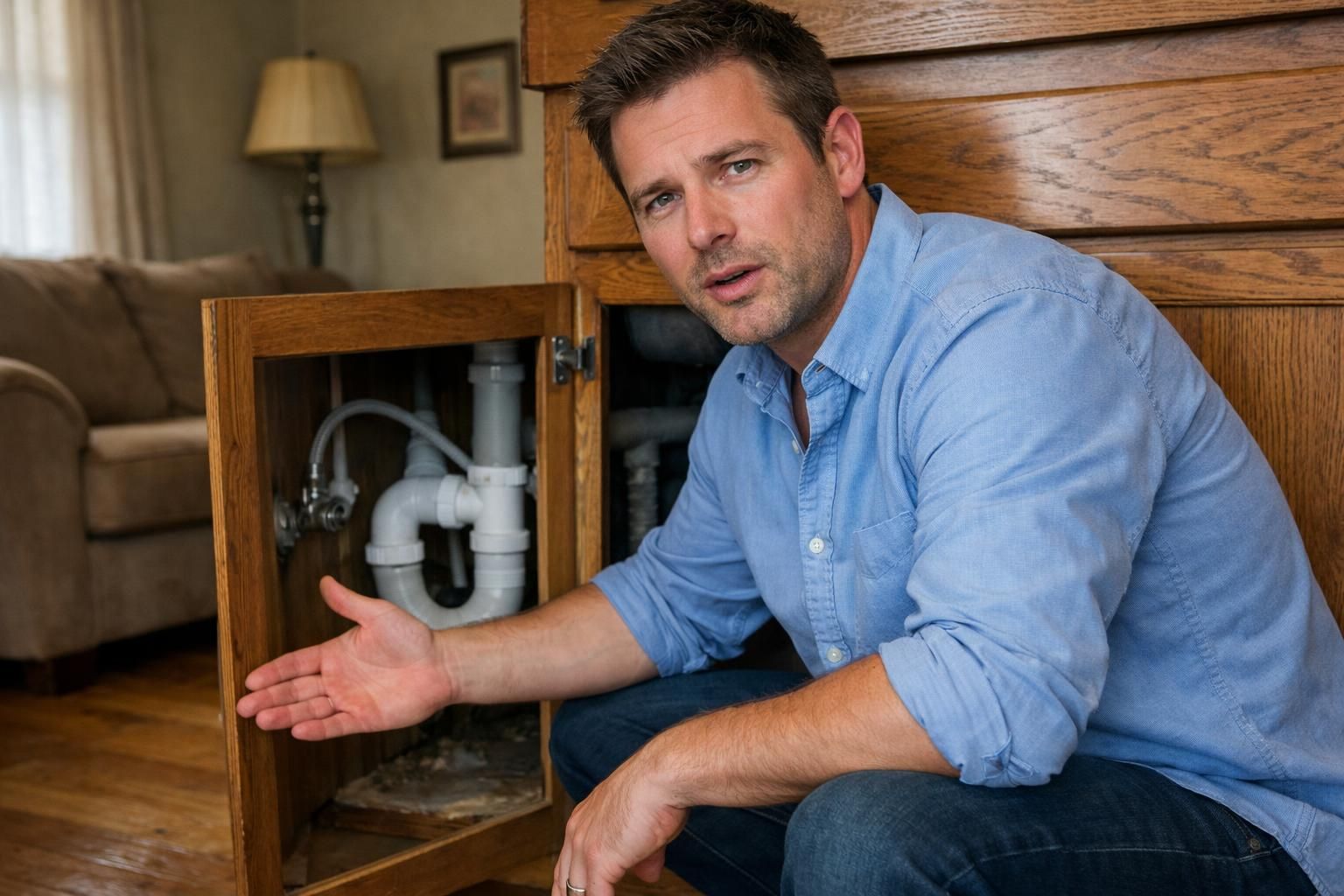
You must tell buyers about polybutylene pipes and any plumbing issues to meet Colorado law—this disclosure protects you during and after the home sale.
Legal obligations for Colorado sellers to disclose material defects
Colorado law requires sellers to disclose known material defects, including polybutylene pipes, using the Colorado Seller's Property Disclosure form. Courts have confirmed that these plumbing systems qualify as material defects that must be reported.
Failing to disclose plumbing issues or water damage can lead to serious legal trouble in Colorado courts. Buyers may seek damages or attempt to rescind the sale if problems surface after closing. Colorado generally allows buyers to bring claims for failure to disclose within the applicable statute of limitations, so transparency upfront is always the safer approach.
Providing details about pipe replacement costs, past leaks, or repair history can build trust and protect you from future disputes with buyers or mortgage lenders.
Importance of transparency to avoid future liability
Full transparency shields you from costly legal problems down the road. 2 If you fail to disclose polybutylene pipes or related plumbing issues, Colorado buyers could sue for damages or seek to unwind the transaction after closing. Providing inspection reports and receipts for PEX piping upgrades gives buyers confidence that you have addressed past problems honestly.
Legal professionals recommend going beyond minimum standards by fully disclosing all critical information upfront. This keeps transactions smooth and helps avoid post-sale conflict over hidden defects in your Colorado property.
Making Your Decision

Factors to consider: timeline, budget, home condition, and stress tolerance
Professional pipe replacement takes two to five days, but the full process including permits and patching may delay your sale by two to four weeks. 1 Costs range from $2,500 up to $20,000 based on your home's size and choice of materials like PEX piping.
If polybutylene pipes show signs of leaks or water damage, buyers will push for repairs or offer less money. Lenders sometimes deny mortgages on Colorado homes with known PB systems. Weigh how much stress you want during negotiations and consider that managing Colorado's mandatory disclosure requirements adds pressure—but failing to disclose creates even larger risks later.
Get quotes from licensed Colorado plumbers early and understand all possible repair expenses before deciding how to move forward with your sale.
Reassurance that solutions exist for every situation
Licensed plumbers, Colorado real estate agents, and mortgage specialists work with sellers facing polybutylene pipes every day. You can choose from practical options including full pipe replacement, closing credits, or reduced pricing with upfront disclosure. If you want to avoid repairs entirely, investors and cash buyers will consider your home as-is. Personal loans, FHA 203(k) financing, HELOCs, and cash-out refinancing are all available tools to cover replacement costs. Every situation has a pathway forward with the right strategy.
What Buyers Will Ask – Understanding Buyer Concerns and How to Address Them
Prospective buyers will often request proof of past repairs or upgrades to your polybutylene pipes. Expect questions about the plumbing system's age and any previous leaks or water damage. Many buyers feel uneasy about chemical reactions between Colorado municipal water treatment and PB pipe materials.
Your documentation should show compliance with Colorado's disclosure requirements regarding material defects like PB piping. You may face requests for full pipe replacement before closing, negotiate credits at settlement, or see price reduction demands. Some buyers will also ask whether insurance companies will cover a home with existing polybutylene plumbing, which can affect their ability to secure coverage or financing.
Partial fixes rarely satisfy buyers or lenders. Most seek complete, permanent solutions based on advice from licensed inspectors and contractors. Clear records and transparent communication consistently lead to smoother negotiations by reducing buyer fears about unseen problems behind walls.
Conclusion
Selling a Colorado home with polybutylene pipes brings tough choices, but you have options. Buyers will ask hard questions about pipe replacement and home inspection findings. Be open about your plumbing system and provide clear information to build trust. Talk honestly with your Colorado real estate agent and a licensed plumber for the best results. Every challenge has a solution, and you can take control of this process.
If you want to skip the stress of repairs, negotiations, and lender hurdles entirely, KDS Homebuyers purchases houses directly from Colorado homeowners for cash—polybutylene pipes and all. Visit kdshomebuyers.net to request your free, no-obligation cash offer today.
FAQs
1. Why do buyers care about polybutylene pipes in a Colorado home?
Buyers know that polybutylene pipes can fail over time, causing leaks and water damage. Colorado buyers and their lenders are particularly cautious because insurance coverage for these pipes is limited and pipe failure can be costly to remediate.
2. Will buyers ask for pipe replacement before closing?
Most Colorado buyers will request pipe replacement or a significant price reduction if your home has polybutylene pipes. They view this as an important safety and maintenance issue, and many lenders require it before approving financing.
3. How does polybutylene piping affect my Colorado home's value?
Homes with original polybutylene piping typically sell for $10,000 to $20,000 less than comparable homes with updated plumbing. Buyers factor the cost of pipe replacement into their offer price.
4. What must Colorado sellers disclose about polybutylene piping?
Colorado sellers must disclose known material defects including polybutylene piping on the Colorado Seller's Property Disclosure form. Full disclosure builds trust, satisfies legal requirements, and helps prevent liability after the sale is complete.
