

Selling a House With Radon: Testing, Mitigation, and Disclosure in Washington
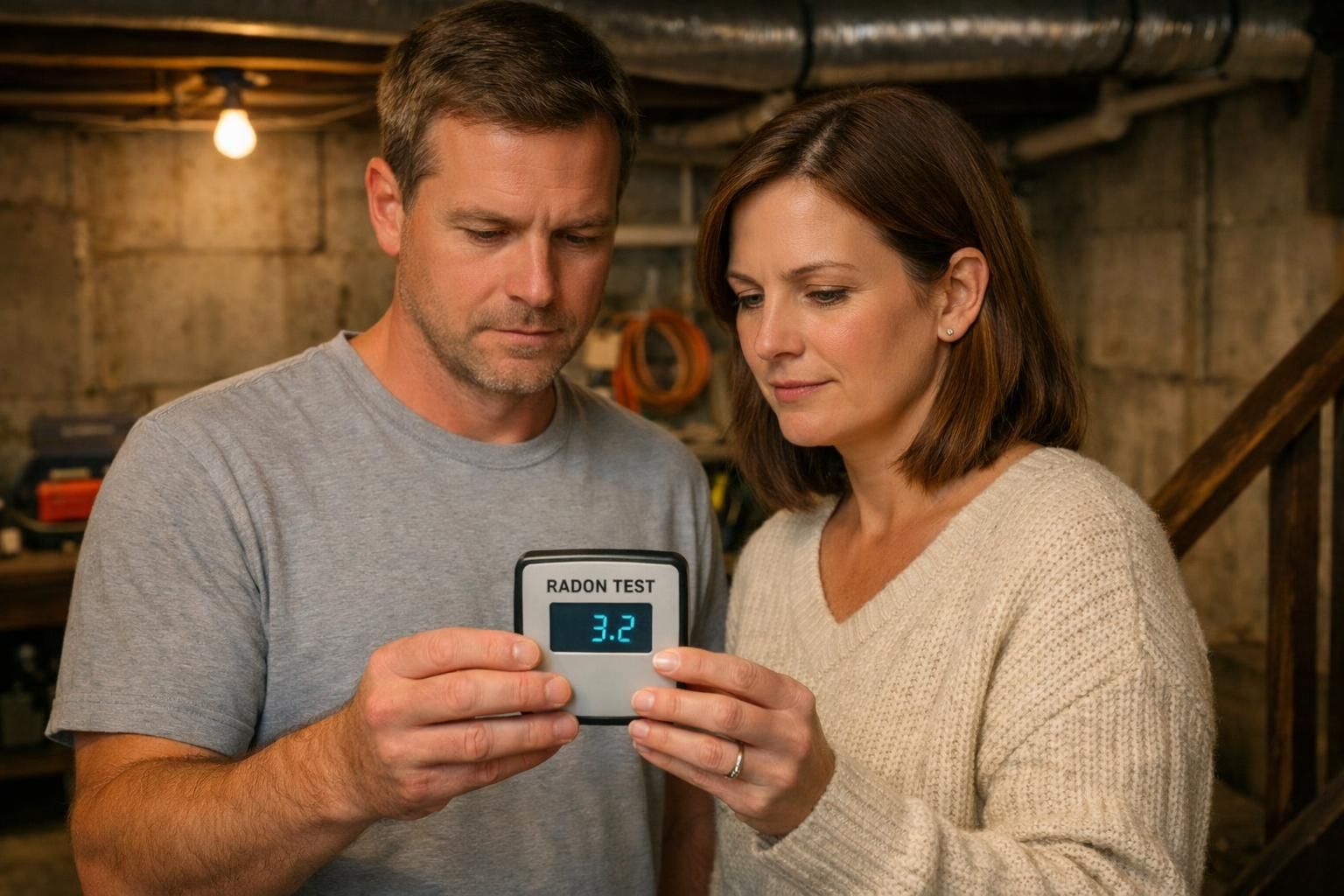
Worried you might not be able to sell a house with radon in Washington? This problem affects about one in fifteen homes across the United States. 1 You can still find buyers if you understand testing, mitigation, and what you must disclose to future owners. Relief is possible once you know your options.
Key Takeaways
- About 1 in 15 U.S. homes have elevated radon; the EPA's action level is 4 pCi/L or higher. Untreated radon can lower your home's value by 5–15% and is the second leading cause of lung cancer, responsible for over 21,000 deaths per year.
- Washington state does not require radon testing before a sale, but sellers must disclose all known material facts — including radon issues — under Washington's seller disclosure law. FHA and VA loans may require action if levels exceed EPA limits.
- Radon mitigation systems cost $800–$2,500 on average and take one to three days to install. Sub-slab depressurization is the most common method and often makes homes more marketable once post-mitigation testing confirms safe levels.
- Sellers can install mitigation before listing, offer credits at closing, or reduce the sale price. Over 80% of sellers negotiate some type of repair credit after inspections find high radon.
- Cash buyers like KDS Homebuyers may purchase homes as-is without requiring mitigation or lengthy delays for testing and repairs, though offers typically reflect the added risk.
Radon affects 1 in 15 U.S. homes, but selling a home with radon in Washington is absolutely possible.
Radon is a colorless, odorless radioactive gas that forms naturally from uranium decay in soil and rock. It can enter homes silently and raise your lung cancer risk significantly. Untreated radon often lowers property value by 5 to 15 percent or triggers price reductions during negotiations.
You do not have to lose hope if elevated radon levels appear during a home inspection. Homes with proper radon mitigation systems often attract more buyers because the safety upgrade removes long-term risk. Most real estate agents in the Seattle-Tacoma area and across Washington agree that selling a mitigated home is just as achievable as selling one with no radon history at all.
Understanding Radon in Washington Homes
Radon gas slips into homes without warning, raising quiet yet serious health risks. A simple test can give you clear answers and guide your next steps.
What is radon? (Colorless, odorless radioactive gas from uranium decay)
You cannot see, smell, or taste radon. This radioactive gas forms naturally as uranium breaks down in soil and rock beneath your home. Every year, 1 out of 15 homes in the United States tests above the EPA's action level of 4 pCi/L or higher. Specialized equipment is required to detect it — even experienced home inspectors rely on radon testing tools such as continuous monitors.
High indoor concentrations are directly linked to lung cancer risk and represent the second leading cause of lung cancer after smoking. The EPA considers radon a significant indoor air hazard, especially during colder months when Washington homes keep windows closed and limit ventilation.
How does radon enter Washington homes?
Radon gas enters through small openings in the foundation — cracks, construction joints, gaps around water pipes, drains, or sump pump lids. 1 Homes with crawl spaces and dirt floors carry higher risk, which is common in older neighborhoods across Western Washington and Eastern Washington.
Radon levels may also rise if groundwater carries extra gas indoors. Using a certified home inspector or a qualified radon contractor can help identify vulnerable entry points before you list your property. 2
Radon levels vary by geography and season in Washington.
Washington has areas of elevated radon risk, particularly in Eastern Washington. Spokane County and surrounding regions are among the higher-risk areas in the state, with average readings that can approach or exceed the EPA's 4 pCi/L action level. Even in Western Washington — including the greater Seattle and Tacoma areas — individual homes can test well above safe limits, so local geography alone cannot predict your results.
Seasonal changes matter here too. Levels tend to climb in winter because closed windows trap indoor air, making it easier for radon to accumulate through foundation cracks or pipe gaps. Experts recommend placing a radon test in the lowest livable area under closed-house conditions for an accurate reading before selling.
Testing Requirements When Selling in Washington
Is radon testing required in Washington?
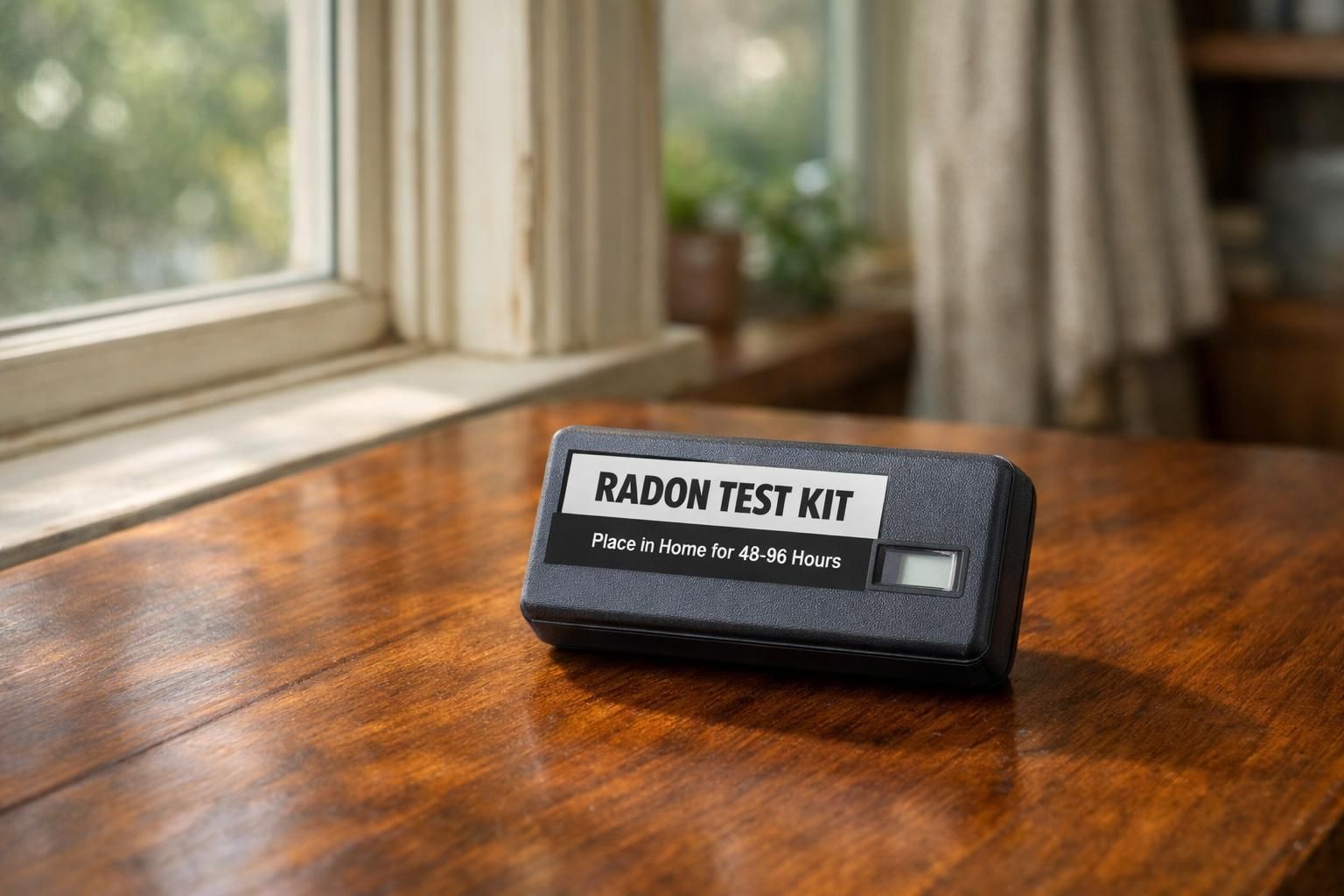
Washington state does not require radon testing as a condition of sale. However, sellers are required under Washington's seller disclosure law to disclose all known material facts about the property — and known or suspected radon problems qualify. FHA and VA loans may require action when radon gas tests above 4.0 pCi/L under EPA guidelines.
Real estate agents across Washington routinely recommend including radon testing as part of the standard home inspection process, even where it is not mandated. Offering recent test results can ease buyer concerns, speed up negotiations, and reduce your legal exposure.
Who typically pays for testing?
In most Washington real estate transactions, buyers pay for radon testing as part of their overall home inspection package. Some sellers choose to test before listing to provide transparency and speed up the sale, particularly in higher-risk areas like Spokane County. Who pays can be negotiated, and your real estate agent will help you work this out in the contract.
Short-term vs. long-term tests and the EPA action level of 4 pCi/L
Short-term radon testing takes 2 to 7 days and gives quick results — useful before listing or during a home inspection. Long-term testing lasts at least 90 days and measures average radon exposure across seasons, giving a more complete picture of year-round risk.
The EPA recommends installing a mitigation system if tests show levels at or above 4 pCi/L. Tests must be placed in the lowest livable area. After mitigation, always complete a post-mitigation test to confirm that levels are safe for future buyers. Many sellers use continuous radon monitors for detailed hourly data that buyers and agents trust during negotiations.
Disclosure Obligations in Washington

Washington's seller disclosure requirements
There is no federal law requiring radon disclosure. At the state level, Washington's seller disclosure statute requires sellers to disclose all known material defects and facts that could affect a buyer's decision. Radon — if known or suspected — falls squarely under this requirement. You must complete Washington's Seller Disclosure Statement (Form 17) before closing, and any known radon history, past test results, or existing mitigation systems must be noted.
Failing to disclose known radon issues can result in lawsuits, deal cancellations, or demands for significant price reductions — sometimes as high as 15 percent. Transparent, upfront disclosure protects you legally and builds buyer trust throughout the transaction.
Best practices for transparent communication
Test your home before you list it. Have a professional conduct the radon testing and provide a written report. Share all test results and any mitigation documentation — receipts, warranties, post-mitigation test results — with potential buyers promptly, even if levels fall below 4 pCi/L.
Use Washington's required disclosure forms and work with your real estate agent to complete any addenda related to radon remediation. Keep clear records of all communications about radon, including emails or texts. Transparent disclosure reduces legal risk and keeps negotiations moving smoothly.
Mitigation Options and Costs

Common mitigation systems (Sub-slab depressurization is most common)
Sub-slab depressurization is the most widely used radon mitigation method in Washington homes. 4 This system uses a vent pipe and radon fan installed below your foundation to pull radon gas out from beneath the slab and exhaust it safely outside. Installers follow national standards requiring the vent outlet to be placed at least 12 inches above the roof eave, with the fan located outside living spaces.
For homes with concrete basement floors, basic sub-slab systems typically cost $1,000–$1,500 installed by a certified contractor. 3 Homes with dirt crawlspaces — common in older Washington properties — may require encapsulation before pipe and fan installation, pushing costs to $2,500–$5,000. Always verify your contractor follows EPA guidelines and order post-mitigation testing after installation.
Typical costs ($800–$2,500) and timeline (1–3 days)
A radon mitigation system in Washington typically costs between $800 and $2,500. Most basic single-suction-point systems fall near the lower end of that range. Professional installation by a certified radon contractor takes one to three days, with larger homes or thicker foundations taking longer. Many companies offer a five-year warranty on parts like the vent pipe and radon fan — an asset worth highlighting to buyers.
Post-mitigation testing to verify safety
Post-mitigation testing confirms radon levels have dropped below the EPA's 4.0 pCi/L threshold. A certified contractor will test your home shortly after the system is operational and issue a certificate of completed mitigation. Expect the verification test to add about 2–7 days to your selling timeline. Plan to re-test every two years, since seasonal fluctuations — particularly during Washington's wet, closed-window winters — can affect readings even with an active system running.
Mitigation increases home marketability in Washington.
Homes with a functioning, warrantied radon mitigation system attract more buyers and often sell faster. 2 In higher-risk markets like Spokane, buyers increasingly expect homes to have been tested and treated. Listings without this safety feature may sit longer or sell for less; some deals fall through entirely when unmitigated high radon levels emerge during the home inspection. A documented mitigation system signals care and responsibility — and can be a real competitive advantage. 5
Negotiating With Buyers
Seller installs system before listing
Installing a radon mitigation system before listing gives you control over cost and quality. Buyers see proof that a professional handled the work, and documentation — warranty papers, post-installation test results — builds confidence. You also avoid last-minute delays or price reductions caused by home inspection surprises. Most systems can be installed in one to three days at a typical cost of $800–$2,500, and showing verified low radon levels can help speed up closing.
Seller gives credit at closing or buyer handles mitigation after purchase
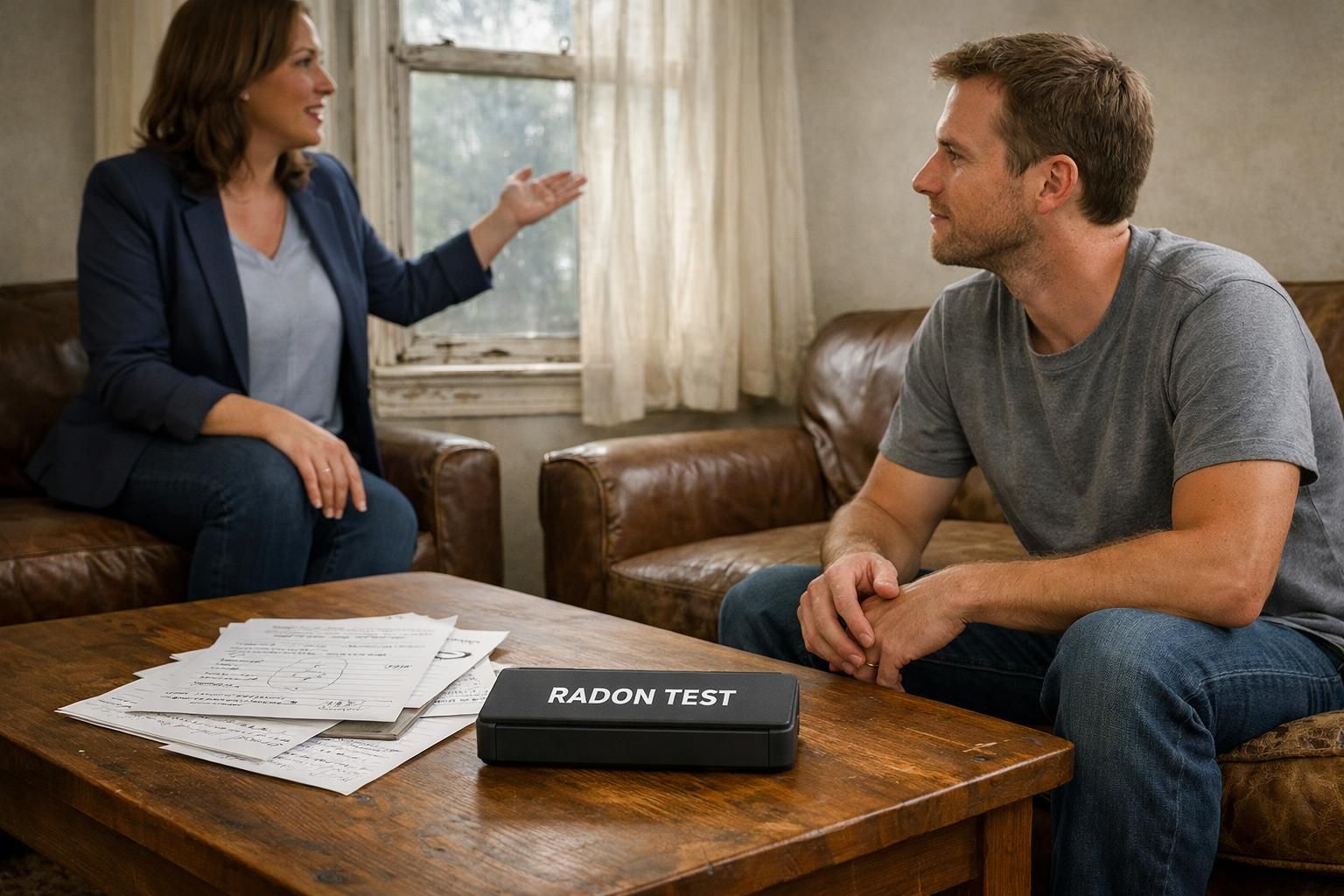
Many Washington real estate transactions involve sellers providing a closing credit for radon mitigation rather than handling the work themselves. 6 About 83 percent of home sellers offer repair credits — including for radon systems — after home inspections reveal elevated levels. 6 This approach lets buyers select their own certified contractor and keeps your disruption to a minimum while still addressing the issue. If costs exceed the negotiated allowance, buyers cover the difference.
Price reduction in place of repairs
Offering a price reduction instead of installing a mitigation system can simplify your sale, especially in as-is or cash transactions where speed matters. A fair price cut shifts responsibility to the buyer and lets them choose their own contractor and system. Buyers sometimes expect a 5–15 percent reduction if unmitigated radon is discovered during inspection. This option helps you close faster without arranging repairs yourself, while still meeting Washington's disclosure requirements.
Present mitigation as a positive (Warrantied system, verified low levels).
A warrantied radon mitigation system is a genuine selling point, especially for FHA or VA buyers. When you share post-mitigation test results proving low radon levels, you remove doubt for families concerned about long-term health risks. Highlight the system's low energy use, minimal maintenance needs, and warranty coverage in your marketing materials. Clear documentation of verified safe levels can speed up negotiations and keep deals on track.
Alternative Selling Options in Washington
Traditional sales require mitigation and negotiation
Most traditional Washington real estate transactions require you to address radon exposure before closing. If a home inspection reveals levels above 4.0 pCi/L, buyers will likely request mitigation or credits. Over 80% of sellers end up negotiating repairs or allowances after inspection reports flag elevated radon. 8 Mitigation installation and post-testing can add one to two weeks to your timeline, so plan accordingly. Skipping remediation risks losing your buyer entirely. 7
Cash buyers often purchase homes as-is and close quickly.
Cash buyers typically make offers on homes as-is, meaning you can sell without completing radon mitigation or repairs. These buyers close much faster than traditional buyers — often within days — without waiting for extended testing or contractor schedules. Radon issues become less of an obstacle because the buyer accepts the property's current condition and factors that into their offer price. This option suits Washington sellers who value speed, need to avoid repair delays, or simply want to skip the back-and-forth of a conventional transaction.
Conclusion
Selling a Washington home with radon is manageable with the right approach.
Radon mitigation is highly effective and brings levels down in nearly 99% of homes. Professional installers put in quiet, low-maintenance systems for $800–$2,500, often finishing within three days. Washington's seller disclosure requirements mean honesty is not just good practice — it's the law. Transparent disclosure of test results and mitigation history builds buyer trust, reduces legal risk, and keeps your transaction on track.
Choose the option that best fits your timeline, budget, and stress tolerance.
You have several paths when selling a Washington home with radon. Installing a mitigation system before listing gives you full control. Offering a closing credit lets buyers choose their own contractor. A price reduction can work well for as-is or cash sales. And if time is short or managing repairs feels overwhelming, a cash offer lets you close quickly without the stress of inspections and remediation timelines. 9
Whichever path you choose, work with certified radon contractors and rely on your real estate agent's knowledge of Washington's disclosure requirements and local market norms. These steps have helped many Washington sellers reach successful outcomes even under difficult circumstances.
FAQs
1. Does Washington state require radon testing before selling a home?
No, Washington does not require radon testing before a sale. However, sellers must disclose all known material facts under Washington's seller disclosure law, which includes known or suspected radon problems. Your real estate agent can walk you through Form 17 and what must be disclosed.
2. How do I test my Washington home for radon before selling?
You can hire a certified professional or use an approved home test kit. Short-term tests take 2–7 days and work well before listing. Long-term tests run 90 or more days and give a better picture of year-round exposure. Place the test in the lowest livable area under closed-house conditions for accurate results.
3. What should I do if a home inspection finds high radon levels?
If levels are at or above 4 pCi/L, install a radon mitigation system through a certified contractor. Sub-slab depressurization is the most common and effective method. After installation, complete post-mitigation testing and share the results with your buyer to confirm safe levels.
4. Do I have to tell buyers about radon in my Washington home?
Yes. Under Washington's seller disclosure requirements, you must disclose known material defects — including known radon issues, past test results, and any existing mitigation systems — on the Seller Disclosure Statement (Form 17). Failing to disclose can result in lawsuits or deal cancellations after closing.
References
- ^ https://www.cdc.gov/radon/about/radon-home.html (2024-01-23)
- ^ https://pmc.ncbi.nlm.nih.gov/articles/PMC6538966/
- ^ https://www.alsradon.com/about-us/news-and-events/50549-understanding-the-cost-of-a-new-radon-mitigation-system-a-guide-by-als-radon-environemtnal-inc.html
- ^ https://www.sciencedirect.com/science/article/pii/S2405844019336813
- ^ https://www.sciencedirect.com/science/article/pii/S2590123024003876
- ^ https://www.protectenvironmental.com/who-pays-for-radon-mitigation-buyer-or-seller/
- ^ https://nepis.epa.gov/Exe/ZyPURL.cgi?Dockey=40000FT4.TXT
- ^ https://pmc.ncbi.nlm.nih.gov/articles/PMC11972548/
- ^ https://pmc.ncbi.nlm.nih.gov/articles/PMC7150156/
If radon has you feeling stuck on your Washington home sale, KDS Homebuyers can help. We buy houses as-is throughout Washington — no repairs, no testing delays, no hassle. Visit kdshomebuyers.net to get your free cash offer today.
