

Selling a House With a Septic System: Inspections, Disclosures, and Tips in Colorado
Selling a house with a septic system in Colorado comes with specific rules that sellers must follow. Colorado law requires sellers to disclose known material defects, including septic system problems, on the state-approved Seller's Property Disclosure form. This guide walks you through Colorado's disclosure requirements, what inspections involve, and how to handle common problems like drain field failure or overdue maintenance. 1 Protect yourself and keep your real estate transaction on track.
Key Takeaways
- Colorado sellers must disclose known septic system defects on the state Seller's Property Disclosure form. Hiding problems can lead to lawsuits or delayed closings.
- Buyers expect details about system age, maintenance records, past repairs, and drain field health. Regular pumping every 3–5 years and thorough paperwork build buyer confidence.
- Septic inspections by certified contractors typically cost $300–$900 in Colorado. Addressing problems early can keep your sale on track and protect your asking price. Drain field replacement can exceed $20,000.
- Selling as-is limits your buyer pool to cash offers since most lenders will not finance homes with failed systems. Full upfront disclosure protects you legally after closing.
- Mark the tank location clearly, provide system diagrams, and gather all maintenance records before listing. These steps help sales move faster and more smoothly for everyone involved.
Sources: 1, 2, 3, 4, 5, 6, 7, 8, 9, 10
Understanding Septic System Disclosure Requirements in Colorado

Colorado home buyers want honest information about septic systems before any real estate transaction. State law and Colorado Division of Water Resources regulations protect both parties by requiring sellers to disclose what they know about their system's age, service history, and any major repairs.
Importance of disclosing the septic system and known issues
In Colorado, you are required to complete the Seller's Property Disclosure (SPD) form, which includes specific questions about your onsite wastewater treatment system (OWTS). Failing to disclose known problems — such as a failed drain field or a system that has not been pumped in years — can expose you to lawsuits under Colorado real estate law. 1
Buyers routinely ask for maintenance receipts, inspection reports, and repair estimates before closing. Colorado does not follow pure caveat emptor principles; sellers have an affirmative duty to disclose material facts. Transparency builds credibility, supports realistic pricing, and reduces the chance of post-closing disputes in Colorado courts.
Information buyers typically request
Colorado buyers expect clear answers about your septic system before moving forward. Key details they typically request include:
- Age of the septic tank, since older systems may need more frequent repairs or full replacement. 2
- Maintenance records showing dates of pumping, inspections, and any service work performed.
- History of any backups, failed system repairs, foul odors, or drain field problems.
- Location of the septic tank and drain field — especially important on larger rural properties along the Front Range or in mountain communities.
- Results from prior inspections and whether the system meets current Colorado OWTS regulations enforced by the county.
- Whether root intrusion or saturated soil has ever affected the drain field.
- Diagrams showing pipe layout, tank access points, and drain field boundaries.
- Proof that the system is properly permitted through the relevant county health department.
Colorado-specific disclosure laws and legal protection for sellers
Colorado does not have a single statewide mandatory pre-sale septic inspection law like Massachusetts' Title 5. However, individual counties regulate onsite wastewater treatment systems, and requirements vary significantly. Jefferson County, El Paso County, and Larimer County each have their own OWTS permit and inspection rules that can affect a real estate sale.
Under Colorado's real estate contracts and the Seller's Property Disclosure form administered through the Colorado Real Estate Commission, you must answer truthfully about your septic system's condition. Misrepresentation on this form can result in license complaints, civil liability, or contract rescission.
Some county health departments require an inspection or permit verification before deed transfer. Consulting your county's environmental health department — and working with a Colorado real estate attorney if needed — protects you from legal exposure after closing.
The Pre-Sale Septic Inspection
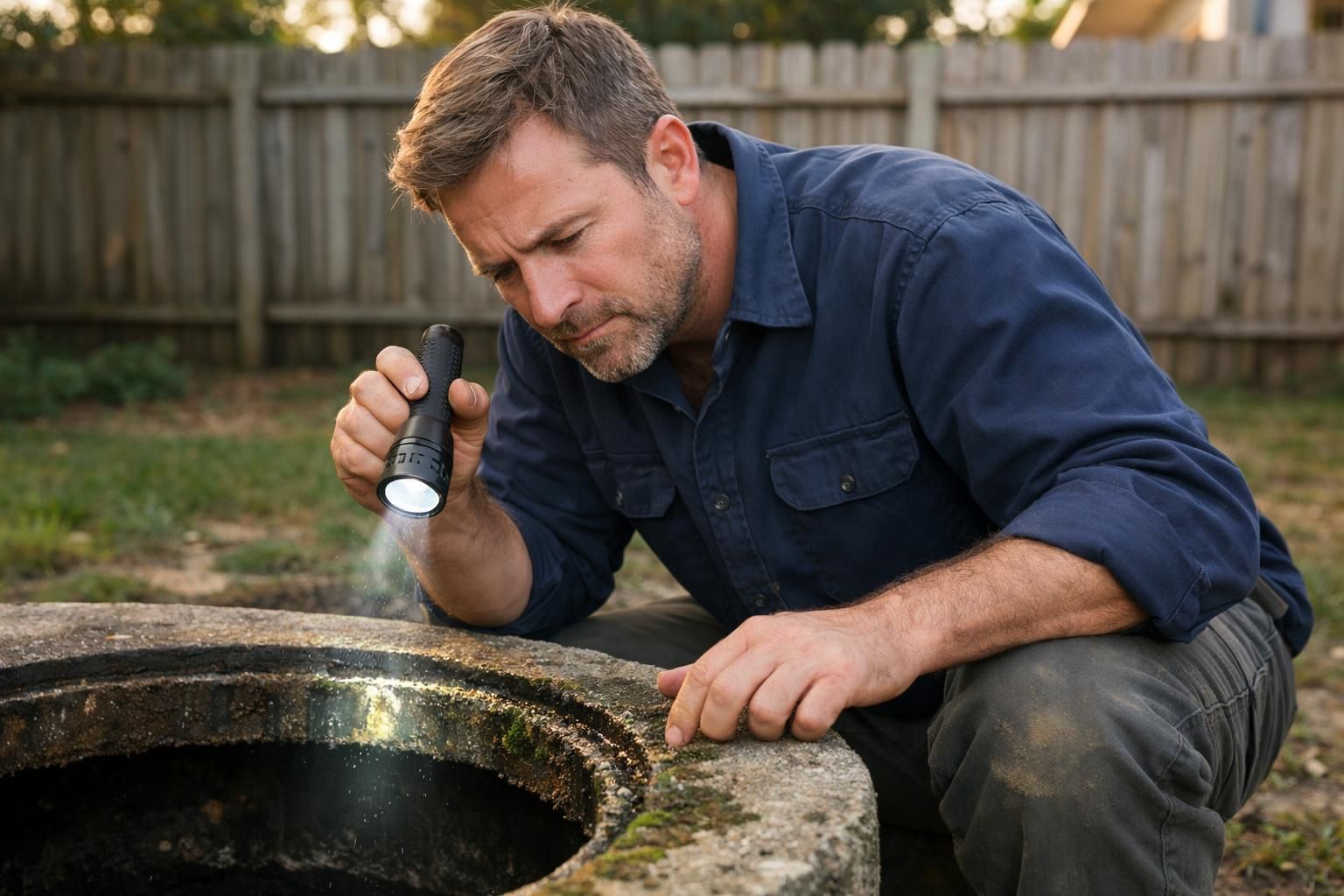
A certified inspector evaluates your tank, drain field, and piping for signs of trouble. Knowing your system's condition before listing protects both you and the buyer during the transaction.
What the inspection involves
- Inspectors begin by pumping the septic tank to check sludge levels, look for blockages, and assess wastewater flow. 4
- The tank is examined for cracks or leaks that could allow sewage to escape into Colorado's soil or groundwater.
- The distribution box is checked to confirm effluent flows evenly into the drain field.
- The drain field receives close attention — inspectors look for standing water, foul odors, or unusually lush grass, all signs of poor drainage.
- Inspectors verify that the system meets Colorado county OWTS standards for size, setbacks, and soil conditions.
- Specialized tools including soil probes and cameras help identify hidden problems below ground.
- Costs typically start at $300 and vary based on property size, location, and additional testing required.
Who performs inspections and typical costs
In Colorado, septic system inspections are performed by licensed OWTS inspectors or certified septic contractors registered with your county. Your county environmental health department can provide a list of approved inspectors.
A basic inspection runs $300–$600 in most Colorado markets. A full inspection with pumping typically costs $550–$900. 5 Costs vary by county and property type. In some cases, buyers or lenders cover the cost; other counties put the obligation on the seller. 6
Pros and cons of a pre-listing inspection
A pre-listing inspection gives you a clear picture of your system before buyers get involved. The cost — typically $550–$900 — is often recovered through stronger offers and fewer last-minute negotiations. In Colorado, where county health departments can require permit verification at closing, knowing your system's status early prevents delays.
Some buyers will still want their own inspector regardless. But having a recent report on hand builds trust, reduces the risk of a buyer walking away, and can protect you from legal challenges related to non-disclosure. Early detection of problems also gives you time to get competitive repair bids before listing.
Common Septic Issues That Arise During Colorado Sales

Many Colorado home sales stall because of overdue tank maintenance, root intrusion in leach fields, or missing maintenance records. Here is what to watch for.
Overdue tank maintenance
Colorado septic systems need professional service every one to three years and pumping every three to five years. Skipping this allows sludge buildup that can cause sewage backups or a full system failure — both major red flags for buyers and county inspectors.
Missing maintenance records make buyers nervous. Inspection costs in Colorado range from $200 to over $1,200 depending on what needs attention. Gather your existing records now and schedule a pump-out before listing if you are overdue.
Drain field failure or root intrusion
Pooling water, soggy soil, or unusually lush grass over the drain field are warning signs common in Colorado's varied soil conditions — from clay-heavy soils along the Front Range to rocky mountain terrain. These signs mean wastewater is not draining properly. 7
Tree root intrusion is a frequent problem, particularly on older rural properties. Removing roots can cost $500–$1,500, while replacing a failed drain field often reaches $10,000–$20,000 or more depending on soil type and site conditions in Colorado. If you notice warning signs, call a licensed inspector immediately before the issue worsens heading into escrow.
Outdated systems and poorly maintained records
Older septic systems in Colorado may not meet current county OWTS standards, particularly if the home has had unpermitted additions that increased the system's load. A failed inspection due to an undersized or non-compliant system can result in a required full replacement costing $10,000–$30,000 or more. 8
Missing pump receipts or inspection logs force buyers to guess about system health. Drain fields typically fail after 15–25 years, especially in Colorado's high-clay or high-water-table areas. Up-to-date paperwork reassures buyers and demonstrates responsible ownership.
Repair or Sell As-Is

If your septic system needs work, you face a key decision: repair before listing or sell as-is with full disclosure. Both paths have real trade-offs in Colorado's market.
Costs and benefits of repairing septic issues before selling
Repairing your system before listing expands your buyer pool significantly. Most Colorado mortgage lenders — whether using conventional, FHA, or USDA loan programs — will not approve financing on a home with a failed septic system. Completing repairs means more buyers, stronger offers, and fewer escrow holdbacks.
| Repair Type | Estimated Cost in Colorado | Key Benefit |
| Tank pumping and cleaning | $300–$600 | Removes buyer objections, required for inspection |
| Line repair or root removal | $500–$1,500 | Prevents drain field failure |
| Full tank replacement | $500–$2,500+ | Meets current county OWTS standards |
| Drain field replacement | $10,000–$20,000+ | Restores full system function, opens financing options |
| County permits and inspections | $450–$2,300 | Required for compliance; protects legal standing |
Colorado sellers may also qualify for USDA Rural Development loan or grant programs to help offset repair costs on qualifying rural properties. Contact your county environmental health department for local assistance programs.
Considerations for selling the home as-is
Selling as-is in Colorado narrows your buyer pool primarily to cash buyers and real estate investors. Most lenders will not finance homes with non-functioning septic systems. Cash buyers can close quickly — sometimes in as few as seven days — but typically offer below market value.
You must still fully disclose all known septic issues on Colorado's Seller's Property Disclosure form. Even in an as-is sale, your property must meet basic county health and safety standards. Gathering all maintenance records upfront helps cash buyers feel more confident about what they are purchasing despite the needed repairs. 9
Tips for a Smooth Sale in Colorado

Work with a Colorado real estate agent experienced in rural or semi-rural properties with private wastewater systems. Your county environmental health department is a valuable resource for understanding local OWTS requirements.
Gather maintenance records and pump the tank before showings
Collect all service receipts, inspection reports, and pumping records before listing. Buyers want this documentation before making an offer. Schedule a pump-out close to your listing date — it costs $300–$600 and demonstrates proactive upkeep. 10
Homes with well-documented service histories tend to sell faster and attract stronger offers, helping you move forward with confidence.
Provide system diagrams and price competitively
Provide buyers and inspectors with a clear diagram showing tank location, drain field layout, and access points. On larger rural Colorado properties — common in areas like Douglas County or the mountain foothills — a precise map prevents accidental damage during landscaping or inspections and saves everyone time.
Price your home to reflect any known issues. If an inspection identifies $3,000 in needed repairs, factor this into your listing price or offer a closing credit. Transparent pricing reduces buyer hesitation and speeds up negotiations.
Home warranties and marking the septic tank location
Offering a home warranty that includes septic system coverage can ease buyer concerns, especially for older systems. Review coverage limits carefully and share the full policy details with buyers.
Mark the tank and drain field with stakes or flags before showings. This protects the system from damage by heavy equipment and makes it easy for service crews to access the area. On rural properties, clear marking and updated diagrams simplify the process for inspectors and future owners alike. 10
Conclusion
Selling a Colorado home with a septic system requires careful preparation. Complete the Seller's Property Disclosure form honestly, gather your maintenance records, and schedule a pre-listing inspection from a licensed Colorado OWTS contractor. Work with your county health department for local compliance requirements. These steps reduce surprises, protect you legally, and build buyer confidence throughout the transaction.
If your septic system has known issues and you want to skip repairs, inspections, and lengthy negotiations, KDS Homebuyers can help. We buy houses directly from Colorado homeowners for cash — as-is, regardless of condition. Visit kdshomebuyers.net to get a free, no-obligation cash offer and find out how quickly we can close on your terms.
FAQs
1. Does Colorado require a septic inspection before selling a home?
Colorado does not have one statewide mandatory pre-sale septic inspection law, but individual counties regulate OWTS permits and may require inspections or permit verification at deed transfer. Check with your county environmental health department before listing.
2. Do Colorado sellers have to disclose septic system issues?
Yes. Colorado's Seller's Property Disclosure form requires sellers to answer truthfully about their onsite wastewater treatment system. Hiding known defects can result in civil liability or contract rescission under Colorado real estate law.
3. How does proper septic maintenance affect my Colorado home sale?
Regular pumping and documented care show buyers the system has been responsibly maintained. Clean service records support stronger offers and reduce buyer concerns about future repair costs.
4. What are my options if my Colorado septic system has failed?
You can repair or replace the system before listing to open up traditional financing options and attract more buyers. Alternatively, you can sell as-is to a cash buyer with full disclosure of all known issues — though you should expect a lower offer in exchange for the speed and convenience of a cash sale.
References
- ^ https://www.epa.gov/sites/default/files/2017-08/documents/170803-homebuyerssepticguide_508c.pdf
- ^ https://ccetompkins.org/resources/your-septic-system-what-to-know-when-buying-or-selling-a-home
- ^ https://www.pulgininorton.com/septic-systems-and-seller-disclosures.html
- ^ https://www.redfin.com/blog/what-you-need-to-know-about-septic-inspections/
- ^ https://www.realtor.com/advice/sell/is-the-seller-obligated-to-get-a-septic-system-inspection-on-a-home/
- ^ https://www.johnklineseptic.com/septic-inspections-for-real-estate-transactions
- ^ https://www.wrenvironmental.com/blog/2024/may/septic-issues-that-could-sink-your-home-sale/
- ^ https://www.sellsoonbluemoon.com/blog/selling-house-with-septic-tank-problems-in-warren-mi/
- ^ https://www.vdwws.com/blog/septic-inspections-buying-or-selling-property
- ^ https://www.theseptictankman.com/blog/septic-inspections-for-sales-stop-last-minute-surprises
