

Can You Sell a House With a Sinkhole? What You Need to Know in Colorado
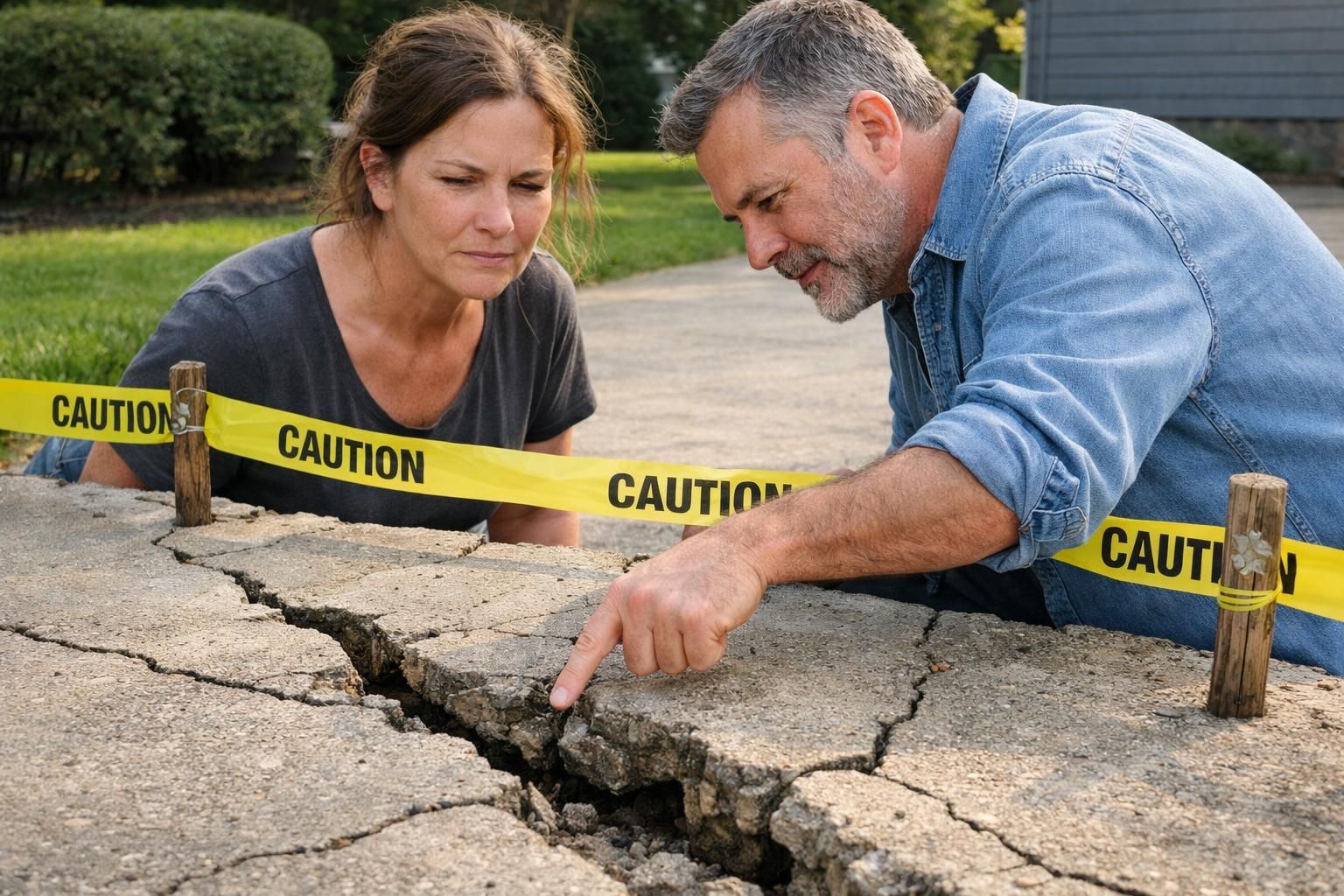
Facing the need to sell a house with a sinkhole in Colorado can feel overwhelming. While Colorado is not as widely associated with sinkholes as Florida or Texas, the state does have areas with karst geology — particularly along the Front Range and in western Colorado — where ground subsidence and sinkhole-like activity can and does occur. Colorado law requires sellers to disclose known material defects, including sinkhole damage, during any real estate transaction. This guide explains your legal duties, how property value is affected, and what steps to take before listing your home.
Key Takeaways
- Colorado sellers must disclose all known material defects, including sinkhole activity or ground subsidence, under state real estate law.
- A home with repaired sinkhole damage typically sells for about 10% less than comparable homes. Unrepaired properties may sell for only 50%–60% of normal market value.
- Traditional lenders — including conventional, FHA, and VA loan programs — rarely approve financing on homes with unrepaired sinkhole damage.
- Homeowners insurance in Colorado often excludes sinkhole damage or ground movement unless specific coverage is added. Unrepaired homes may be uninsurable.
- Consulting a Colorado real estate attorney before listing protects you from disclosure-related lawsuits that can surface years after closing.
Understanding Sinkholes and Your Legal Obligations in Colorado
A sinkhole can create serious risks for your property and any real estate transaction. You must understand how Colorado real estate law, disclosure rules, and home inspection reports shape your obligations as a seller.
What are sinkholes?
Sinkholes are closed depressions that form when underground voids — caused by dissolving rock such as limestone, gypsum, or dolomite — collapse under surface materials. In Colorado, gypsum karst terrain is found in areas including the Roaring Fork Valley, parts of the San Luis Valley, and portions of the Front Range foothills. Ground subsidence events have also been documented near Denver and in communities along the I-70 corridor where older geological formations exist beneath developed land.
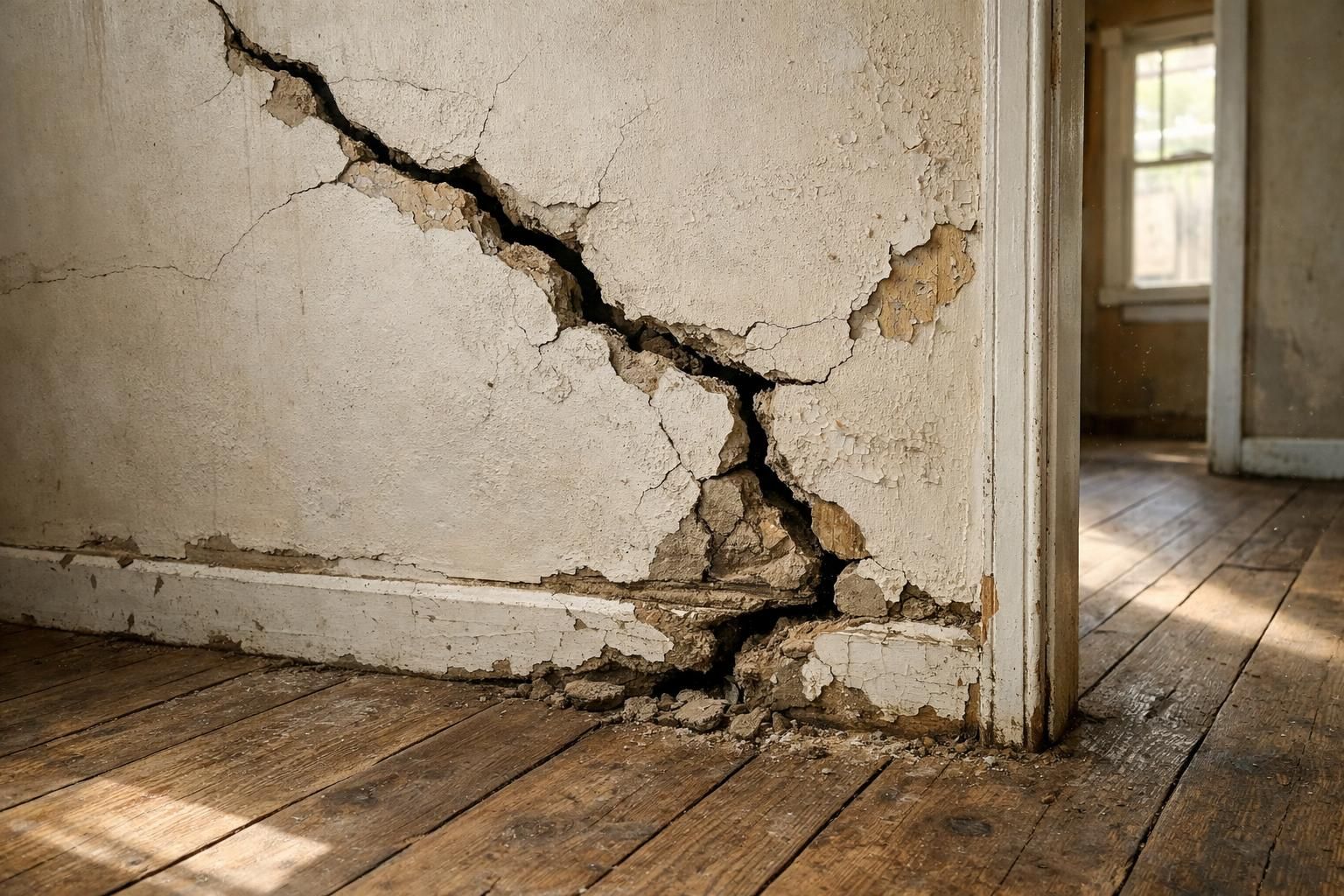
Warning signs include circular cracks in pavement or driveways, doors and windows that suddenly stick or no longer close properly, depressions in your yard, and tilting fences or trees. These signs can indicate underground instability that threatens the structural integrity of your home — affecting market value and insurance coverage.
Disclosure requirements in Colorado
Colorado law requires sellers to disclose all known material defects using the Seller's Property Disclosure form, which is a standard document in Colorado real estate transactions. Sinkhole damage, ground subsidence, or any related structural issues must be disclosed on this form. The Colorado Real Estate Commission mandates that listing brokers and sellers share information about known property conditions that could affect a buyer's decision.
If your property has a history of sinkhole or subsidence activity, that information will often appear in public records, prior inspection reports, or insurance claim histories — all of which title companies review during the transaction. Colorado brokerages are required to retain transaction records, so disclosure details can be traced long after closing.
Failing to disclose sinkhole-related defects exposes you to lawsuits under Colorado property law. Courts have consistently held that "to the best of my knowledge" language does not protect sellers who had reason to know about existing problems. Work closely with a Colorado real estate attorney to ensure your disclosures are complete and accurate.
Legal risks of non-disclosure
In Colorado, a buyer who discovers undisclosed sinkhole damage after closing can pursue legal action for fraud, misrepresentation, or breach of contract. Liability can extend to the listing agent and, in some cases, the buyer's agent if they had knowledge of the defect. Non-disclosure can reduce your negotiating position significantly and result in court-ordered compensation to the buyer. Always consult a real estate attorney before listing a home with known structural or geological issues.
How Sinkholes Affect Home Value and Saleability

Sinkholes can significantly lower your market value and make it harder to find a buyer who can secure traditional financing.
Impact on property value
Homes with repaired sinkhole damage typically sell for about 10% below comparable properties. A home assessed at $400,000 in the Denver metro area, for example, might fetch around $360,000 after documented repairs. Unrepaired properties face much steeper losses — selling for 50% to 60% of market value, or sometimes less. In competitive Colorado markets like Denver or Colorado Springs, buyers have many alternatives, making them especially reluctant to take on properties with geological risk.
Homeowners have reported losses of $50,000 to $150,000 or more due to sinkhole-related property defects. Transparent communication with your real estate agent and attorney helps set fair price expectations and reduces the risk of deals falling apart during due diligence.
Challenges with traditional buyers and lenders
Most Colorado lenders — including those offering conventional, FHA, and VA loans — will not approve financing on homes with active or unrepaired sinkhole damage. Even repaired homes require full engineering documentation before most lenders will consider a loan. Without financing options, you are largely limited to cash buyers or portfolio lenders, which narrows your buyer pool considerably and extends your sale timeline.
Insurance complications
Standard Colorado homeowners insurance policies typically exclude ground movement and sinkhole damage unless a specific endorsement is added. After a sinkhole event, securing new coverage or renewing an existing policy becomes significantly harder. Buyers who cannot obtain insurance on the property will also struggle to secure a mortgage, creating a compounding obstacle for the sale. Always keep detailed repair records and documentation of any remediation work — future buyers and their lenders will require them.
Your Options for Selling a House With a Sinkhole in Colorado
Repair and sell traditionally
Completing repairs before listing opens your home to a wider buyer pool and typically results in higher offers. Here are the key steps:
- Hire a licensed geotechnical engineer to assess the full extent of damage and structural integrity risks.
- Collect all existing documentation — prior inspection reports, insurance claim records, and any past repair receipts.
- Obtain written estimates from at least two licensed Colorado contractors experienced in sinkhole remediation. Minor repairs may cost $5,000–$15,000; major structural work can exceed $150,000.
- Pull all required permits from your local Colorado municipality before work begins. Denver, Aurora, and Colorado Springs each have their own permitting processes.
- Complete all repairs and obtain a final engineering certificate confirming remediation is complete.
- Consult a Colorado real estate attorney to ensure your Seller's Property Disclosure form accurately reflects all known defects and repair history.
- Work with a licensed Colorado real estate agent experienced in selling properties with prior damage.
Sell as-is to a cash buyer
If repairs are not financially feasible, selling as-is to a cash buyer is a practical option. Cash buyers — typically investors or specialist contractors — accept properties in their current condition without requiring loan approvals or insurance coverage. Expect offers at 50% to 60% of market value. While the price is lower, these transactions close quickly and eliminate the cost and uncertainty of remediation. Always consult a Colorado real estate attorney before signing any agreement to ensure your disclosures are complete and your interests are protected.
Sell to an investor or contractor
Some Colorado investors specialize in purchasing distressed properties, including those with sinkhole or ground subsidence issues. They factor repair costs into their offer and handle remediation themselves. You will need to provide full disclosure, inspection records, and any insurance documentation. Sales move faster than traditional transactions but typically yield significantly below market value. Open, honest communication about all known defects is essential to avoid legal exposure after the sale.
Market at a discounted price
If you choose to list on the open market, price your property to reflect the cost of remediation and the associated risk. Work with your real estate agent to highlight positive features and target buyers searching for investment or rehab opportunities. Be prepared for a longer sale timeline and understand that recovering full repair costs is unlikely given lender restrictions and buyer caution in the Colorado market.
Steps to Take Before Listing

Conduct a professional inspection
Hire a licensed geotechnical engineer to conduct a full inspection of the sinkhole or subsidence area. In Colorado, soil stability reports and geotechnical assessments typically cost between $1,500 and $5,000. The resulting report documents the location, size, and severity of the issue — information you need for your disclosure form, any insurance claims, and remediation planning. Buyers and their lenders will expect to see this report before proceeding.
Gather repair estimates and documentation
Collect written estimates from multiple licensed contractors. Keep all engineer reports, insurance correspondence, permits issued by your local Colorado jurisdiction, and repair receipts in an organized file. After repairs are complete, obtain a final engineer's certificate. Missing documentation is one of the most common reasons Colorado real estate transactions with prior damage fall apart at closing.
Consult with a Colorado real estate attorney
Engage a Colorado real estate attorney early in the process. They will review your Seller's Property Disclosure form, explain your obligations under state law, and help you navigate negotiations with buyers, lenders, and insurers. Colorado law requires brokerages to retain transaction records, so any gaps in disclosure can resurface well after closing. An attorney helps ensure your paperwork is complete and that you are protected from future claims.
Conclusion

Selling a Colorado home with sinkhole or ground subsidence damage is challenging, but it is possible with the right approach. Follow Colorado's disclosure requirements, document all known damage and repairs, and work with a licensed real estate agent and attorney. While your property value may be affected, full transparency protects you from legal liability and helps you move forward with confidence.
If you need to sell quickly without making costly repairs, KDS Homebuyers purchases houses directly from Colorado homeowners for cash — as-is, regardless of condition. Visit kdshomebuyers.net to request your free cash offer and learn how a straightforward sale might be the right solution for your situation.
FAQs
1. Does a sinkhole affect property value in Colorado?
Yes. Repaired sinkhole damage typically reduces sale price by about 10%. Unrepaired properties can sell for 50%–60% of normal market value, sometimes less in competitive Colorado markets.
2. Are Colorado sellers required to disclose sinkhole damage?
Yes. Colorado law requires sellers to complete a Seller's Property Disclosure form that covers all known material defects, including sinkhole activity or ground subsidence.
3. Can you sell a Colorado home after sinkhole remediation?
Yes, with proper documentation. Buyers and lenders will require engineering reports and repair records confirming that structural integrity has been restored.
4. Should I hire a real estate attorney when selling a home with sinkhole damage in Colorado?
Yes. A Colorado real estate attorney helps ensure your disclosures are accurate and complete, reducing your risk of post-closing lawsuits related to undisclosed property defects.
5. What if I cannot afford to repair sinkhole damage before selling?
Selling as-is to a cash buyer or investor is a viable option. You will likely receive 50%–60% of market value, but the transaction moves quickly without the cost or complexity of remediation.
