

Can You Sell a House With a Sinkhole? What You Need to Know in Washington
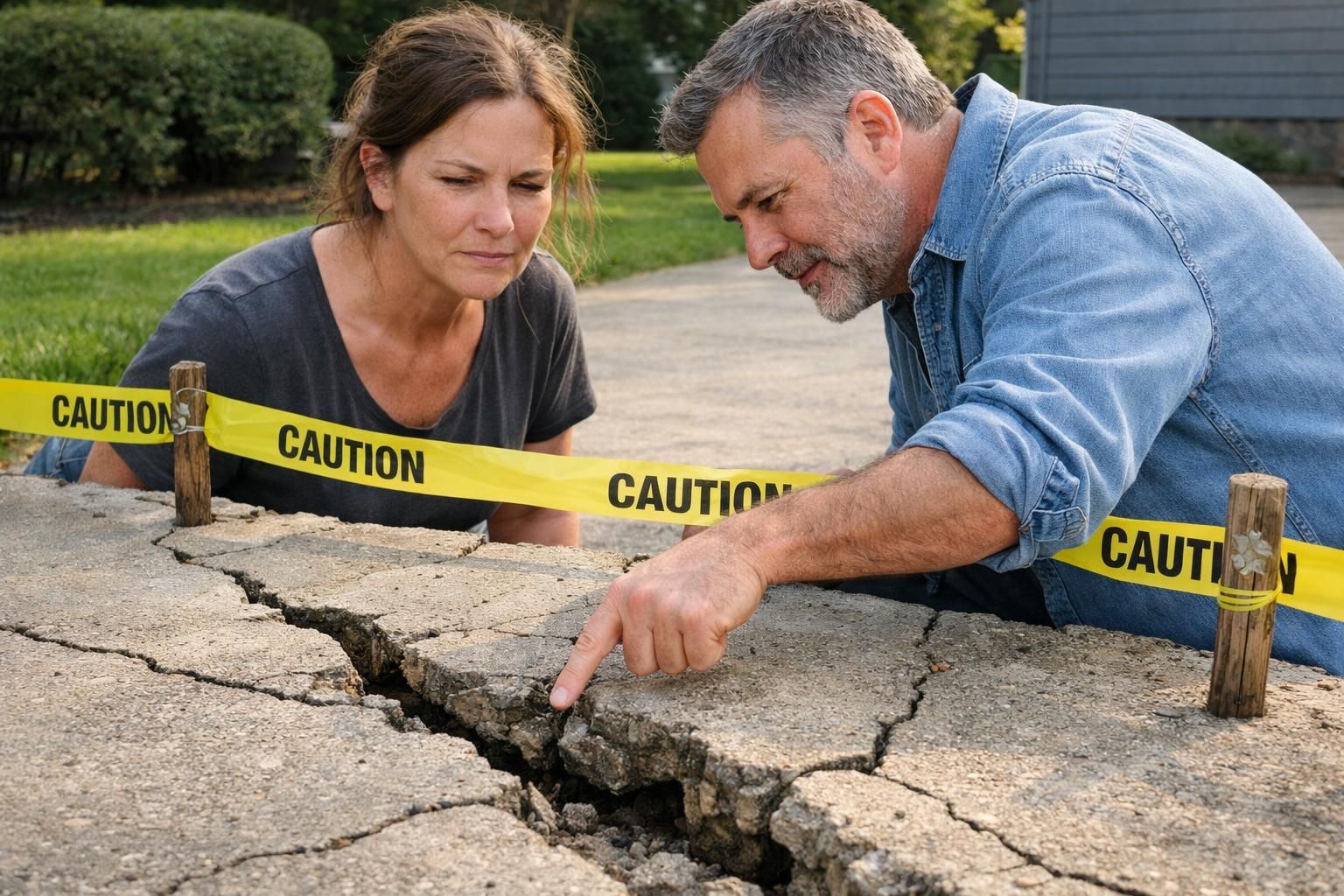
Facing the need to sell a house with a sinkhole can feel overwhelming. While Washington state has far lower sinkhole risk than states like Florida, sinkholes and ground subsidence do occur — particularly in areas with karst geology, old mine workings, or soft soils in the Puget Sound region. Washington law requires sellers to disclose known material defects, including any ground instability or sinkhole damage. This guide explains your legal duties, how property value is affected, and what steps to take before listing your home.
Key Takeaways
- Washington's Seller Disclosure Act requires you to disclose known material defects — including sinkhole activity or ground subsidence — to potential buyers.
- A house with repaired sinkhole damage typically sells for about 10% less than comparable homes. Unrepaired properties may sell for only 50%–60% of normal value.
- Traditional lenders will rarely approve loans on homes with unrepaired sinkholes. Most transactions will require cash buyers or specialty investor financing.
- Homeowners insurance in Washington often excludes sinkhole and ground movement damage. Unrepaired homes may be uninsurable and very difficult to sell.
- Always consult a Washington real estate attorney to handle disclosure requirements and paperwork — skipping this step can lead to lawsuits years after closing.
Understanding Sinkholes and Your Legal Obligations in Washington
Even though Washington is not a high-risk sinkhole state like Florida, ground subsidence and localized sinkholes can and do occur — near old coal mining areas in King and Pierce counties, in areas with soft glacial soils around Seattle and Tacoma, and in regions with soluble bedrock. Sellers must understand how Washington real estate law, disclosure rules, and home inspections shape their obligations.
What are sinkholes?
Sinkholes are depressions that form when underground material dissolves or collapses, leaving voids beneath the surface. In Washington, ground subsidence is more commonly caused by old mine workings, soft glacial soils, or poorly compacted fill rather than dissolved limestone — but the result for homeowners is the same: sudden holes, gradual settling, and potential structural damage.
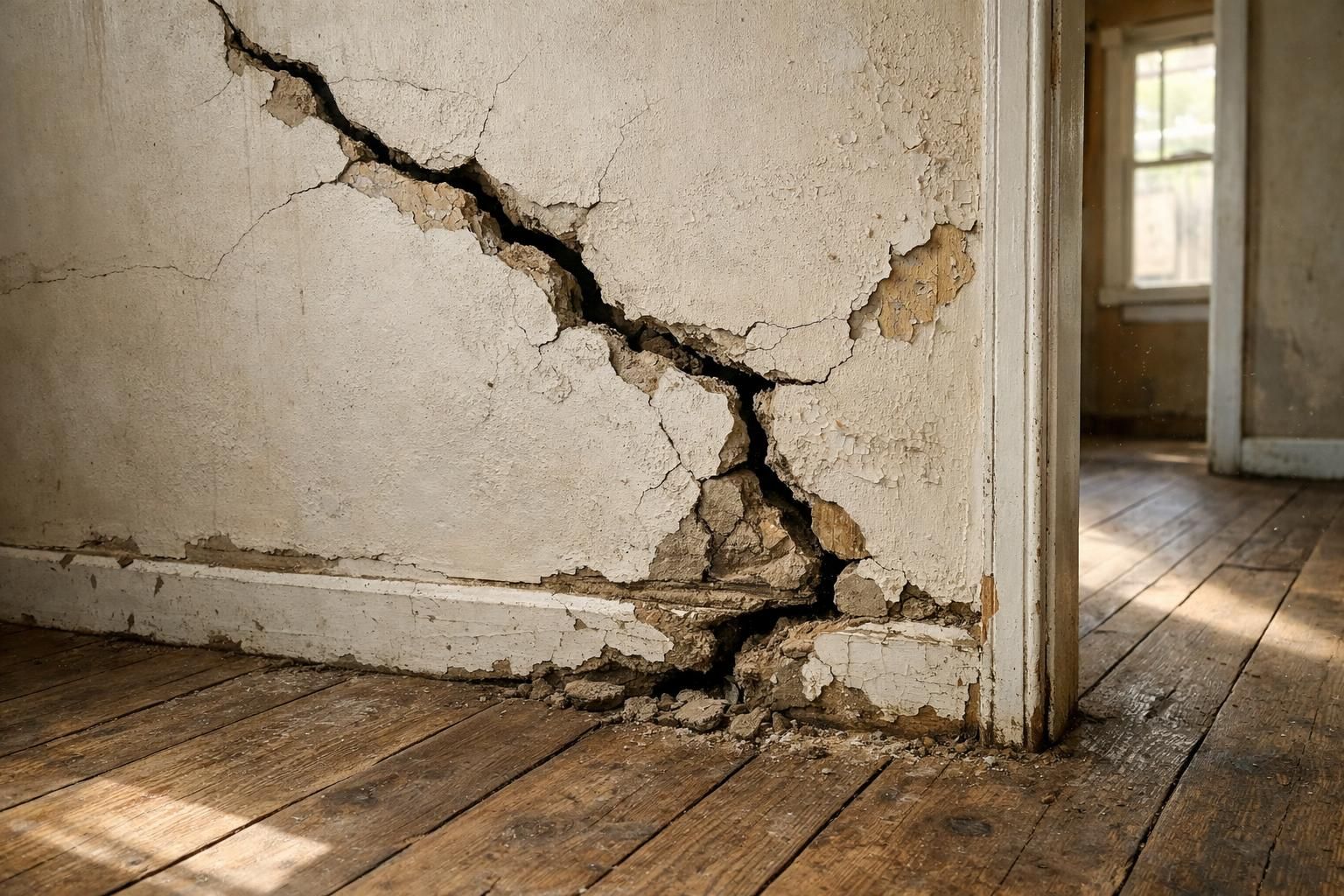
Warning signs include circular cracks in pavement or foundations, doors and windows that no longer fit their frames, depressions in the yard, tilting trees or fence posts, and cloudy well water. If you notice any of these on your property, a geotechnical inspection is essential before listing.
Disclosure requirements under Washington law
Washington's Seller Disclosure Act (RCW 64.06) requires residential sellers to complete a Seller Disclosure Statement covering all known material defects, including soil instability, ground movement, and structural damage. This is a legal requirement — not optional — and applies whether or not you believe the sinkhole has been fully repaired.
If your property has had any sinkhole activity, ground subsidence, insurance claims related to ground movement, or structural repairs tied to these issues, you must disclose all of it. Both you and your listing agent share responsibility for accurate disclosure. Washington brokerages are required to retain transaction records for three years, and buyers can pursue legal action well after closing if undisclosed defects are discovered.
Working with a Washington real estate attorney from the start protects you from liability and ensures your disclosure statement is complete and accurate.
Legal risks of non-disclosure
Failing to disclose sinkhole or ground subsidence issues in Washington can expose you to lawsuits for misrepresentation or fraud under the state's Consumer Protection Act (RCW 19.86). Buyers may seek damages covering repair costs, diminished property value, and legal fees — even years after closing. Courts have consistently held that "to the best of my knowledge" language does not shield a seller who was aware of a known problem.
Your real estate agent may also share liability if they knew about the defect and failed to disclose it. Non-disclosure can reduce your effective sale price far more than honest disclosure would — and carries serious legal consequences. Always consult a Washington-licensed real estate attorney if you have any doubt about your obligations.
How Sinkholes Affect Home Value and Saleability

Sinkholes and ground subsidence can significantly lower your market value and narrow your pool of buyers. In competitive markets like Seattle and Bellevue, buyers have plenty of alternatives and are quick to walk away from properties with structural uncertainty.
Impact on property value
Homes with repaired sinkhole or subsidence damage typically sell for about 10% below comparable unaffected properties. Unrepaired properties face much steeper discounts — often selling for only 50%–60% of market value, with some dropping as much as 80% in severe cases.
In Washington's higher-priced markets, this can represent a loss of $80,000 to $200,000 or more. Clear documentation of completed repairs and engineering certifications can help minimize this gap and reassure buyers and lenders during negotiations.
Challenges with traditional buyers and lenders
Conventional, FHA, and VA loans all require properties to pass an appraisal, and appraisers are required to note structural defects including sinkhole or subsidence damage. Most banks will not finance unrepaired properties, and even repaired homes can face loan denials without thorough engineering documentation.
This means your buyer pool may be limited to cash buyers or investors using non-conventional financing. Sales involving sinkhole-affected properties often take two to three times longer than typical transactions — a significant factor in fast-moving markets around the Puget Sound region.
Insurance complications
Standard Washington homeowners insurance policies typically exclude coverage for earth movement, settling, and sinkholes. Finding an insurer willing to cover a home with known ground subsidence history is difficult, and premiums can be substantially higher even when coverage is available.
Future buyers may be unable to obtain financing without proof of insurable coverage. If you received an insurance payout but did not complete repairs, this will further complicate any sale and likely reduce buyer confidence and your final sale price. Keep all repair records, engineering reports, and insurance correspondence organized — buyers and their lenders will request these documents.
Your Options for Selling a House With a Sinkhole in Washington
Repair and sell traditionally
Completing repairs before listing gives you access to the widest buyer pool and the highest possible sale price. Here are the key steps:
- Hire a licensed Washington geotechnical engineer to assess the full scope of damage and structural integrity concerns.
- Collect all existing documentation — past inspection reports, insurance correspondence, prior repair records, and permits.
- Obtain written estimates from at least two or three licensed contractors experienced in ground stabilization or foundation repair. Minor filling can cost $5,000–$15,000; grouting and moderate repairs may run $15,000–$50,000; major structural work can exceed $150,000.
- Obtain required building permits from your city or county before beginning work. Washington requires permits for structural repairs, and unpermitted work can complicate your sale.
- Complete all repairs and obtain a final engineer's certification confirming the remediation is complete.
- Consult a Washington real estate attorney to ensure your Seller Disclosure Statement accurately reflects the history of the defect and all repairs completed.
- Work with a licensed Washington real estate agent experienced in selling homes with prior structural issues.
- Provide full documentation to buyers and their lenders at the time of listing to minimize surprises during the transaction.
Sell as-is to a cash buyer
If you cannot afford repairs or need to sell quickly, selling as-is to a cash buyer is a practical option. Cash buyers — typically investors or specialist contractors — purchase properties with known defects without requiring financing approvals or standard insurance coverage. Expect offers in the range of 50%–60% of market value to account for repair costs and risk.
These transactions close faster and involve fewer contingencies than traditional sales. Even in an as-is sale, Washington law requires full disclosure under the Seller Disclosure Act. Consult a real estate attorney before signing any agreement to protect your interests.
Sell to an investor or contractor
Some investors and contractors in the Seattle, Tacoma, and Spokane markets specialize in purchasing distressed properties — including those with sinkhole or subsidence damage — with plans to remediate and resell. They understand the risks and costs involved and can move through the transaction more efficiently than traditional buyers.
Expect to provide full disclosure, inspection records, and any available repair or insurance documentation. Investors will price in a substantial margin for their risk and repair costs, so the sale price will be below market value. The benefit is speed and certainty of closing.
Market at a discounted price
Setting a competitive asking price that reflects both the damage and the cost of remediation is essential for attracting serious buyers. Work with your real estate agent to position the property honestly, emphasizing positive features while being transparent about the known defects. Target cash buyers and investors through platforms like Zillow or local investment networks. Be prepared for a longer sale timeline and the likelihood that you will not recover full repair costs through the sale price.
Steps to Take Before Listing

Conduct a professional inspection
Hire a licensed geotechnical engineer registered in Washington to assess the property. A full soil stability and structural integrity report will document the location, size, and severity of any subsidence or sinkhole damage. Expect to pay $1,500–$5,000 for this type of inspection. The report is essential for your Seller Disclosure Statement, any insurance claims, and for satisfying buyer and lender requirements during the transaction.
Gather repair estimates and documentation
Obtain written estimates from multiple licensed Washington contractors with experience in ground stabilization or foundation repair. Keep copies of all engineer reports, insurance correspondence, building permits issued by your local jurisdiction, and receipts for any completed work. After repairs are finished, request a final engineer's certificate confirming the remediation is complete. Organized documentation reduces delays at closing and demonstrates good faith to buyers and lenders.
Consult with a Washington real estate attorney
A Washington real estate attorney can review your completed Seller Disclosure Statement, explain your obligations under the Seller Disclosure Act (RCW 64.06), and help you navigate negotiations with buyers and insurers. Legal counsel is especially important if you have received an insurance payout, have incomplete repair records, or are selling a property with ongoing ground movement concerns. Involving an attorney early reduces your exposure to post-closing litigation significantly.
Conclusion

Selling a Washington home with sinkhole or ground subsidence damage requires careful compliance with the state's Seller Disclosure Act, thorough documentation of any repairs, and guidance from a licensed real estate attorney. While property value will likely be affected, transparent disclosure protects you from legal liability and helps you move forward with confidence. Whether you repair and list traditionally, sell as-is, or work with an investor, knowing your options puts you in control of the process.
FAQs
1. Does a sinkhole affect property value in Washington?
Yes. Repaired homes typically sell for about 10% below comparable properties. Unrepaired homes can sell for as little as 50%–60% of market value, depending on the severity of the damage and available documentation.
2. Are Washington sellers required to disclose sinkhole damage?
Yes. Washington's Seller Disclosure Act (RCW 64.06) requires disclosure of all known material defects, including ground subsidence, sinkhole activity, and related structural damage. Failure to disclose can result in legal action under the state's Consumer Protection Act.
3. Can you sell a Washington home after sinkhole remediation?
Yes, provided you have complete documentation including engineering reports, building permits, repair receipts, and a final engineer's certification. Buyers and their lenders will require this paperwork before proceeding.
4. Should I hire professionals before selling a home with ground subsidence damage?
Absolutely. A licensed geotechnical engineer, an experienced Washington real estate agent, and a real estate attorney are all important members of your team when selling a property with known structural or ground stability issues.
5. What if I can't afford to repair the sinkhole before selling?
Selling as-is to a cash buyer or investor is a viable option in Washington. You will receive a lower offer — typically 50%–60% of market value — but the transaction can close quickly without the need for financing contingencies or costly repairs. Full disclosure is still legally required regardless of the sale method.
If you're dealing with a sinkhole or ground subsidence issue and need to sell your Washington home quickly, KDS Homebuyers purchases houses directly for cash — in any condition, without repairs or lengthy listing processes. Visit kdshomebuyers.net to request your free, no-obligation cash offer today.
