

How to Sell a House With Solar Panels or a Solar Lease in Washington
Selling your home with solar panels or a solar lease can feel stressful and confusing. 1 The average cost to install a solar energy system ranges from $25,595 to $33,763, making it one of your biggest investments. 2 Washington State has one of the most active solar markets in the Pacific Northwest, with strong adoption in the Seattle metro, Tacoma, and the Eastside communities. This guide breaks down what you need to know before listing your home—whether your panels are owned or leased.
Key Takeaways
- Owned solar panels make your home easier to sell and can add 30%–50% of the installation cost to its value. Homes with owned panels may sell up to 4.1% faster and for as much as $15,000 more.
- Leased solar panels or Power Purchase Agreements (PPAs) require buyers to assume the contract, pass a credit check (usually needing a score of 650–680), and sometimes pay an assumption fee between $0–$250. About 77% of leases transfer successfully, but some lenders may reject mortgage applications because of active leases.
- Selling with leased systems often takes longer—typically 60–90 days—because buyers must qualify for both their mortgage and the lease payments.
- Washington's Real Property Transfer Tax and specific seller disclosure requirements add extra steps. Complete documentation is essential: installation records, warranties, utility bills, maintenance logs, and all legal agreements.
- Washington offers state-level incentives including a sales tax exemption on solar equipment purchases and net metering rules under Washington utilities, which can be marketing advantages when pricing your home.
Understanding Your Solar Situation
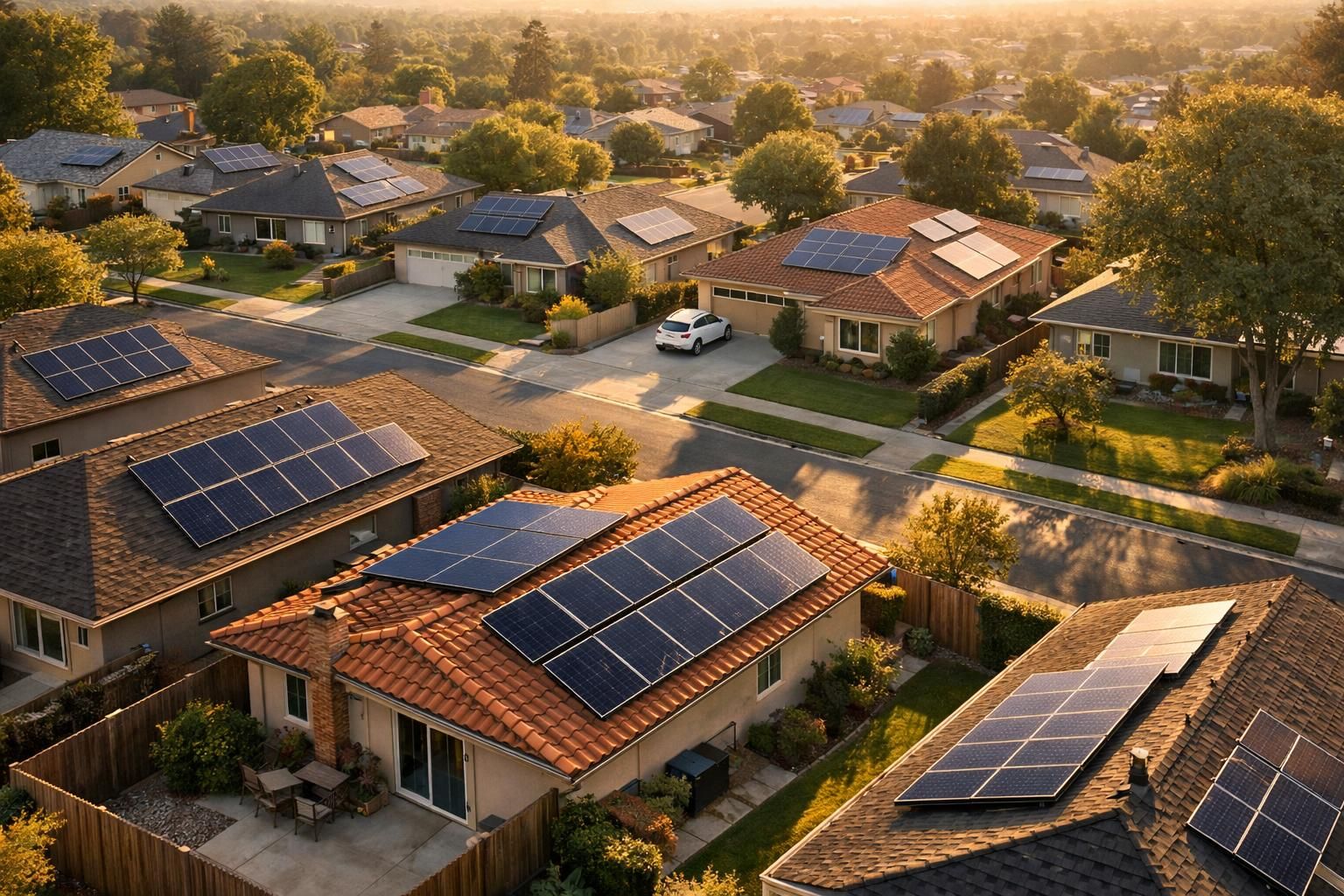
Many Washington homeowners feel uncertain about solar panel ownership or leasing. Understanding your agreement with the solar company is the critical first step before selling.
Owned panels: Paid off or financed
Owned solar panels make your home sale smoother. If you have paid them off, you do not need to involve a third party or worry about extra contracts. Buyers often prefer homes with paid-off solar because the panels become part of the property and can add 30% to 50% of the installation cost directly to your home's value. Washington's relatively high electricity rates from some investor-owned utilities make the energy savings argument even more compelling for buyers.
If you still have a solar loan, check whether it is secured by your property or unsecured. Secured loans must be paid in full before closing; unsecured loans stay in your name alone and do not tie up the sale. Washington uses escrow-based closings handled by a title company or escrow officer, so your escrow agent will need documentation of any lien or UCC filing associated with a financed system.
Leased panels or Power Purchase Agreement (PPA)
Leased solar panels and PPAs let homeowners use renewable energy without buying the system outright. A lease carries a fixed monthly payment; a PPA charges per kilowatt-hour generated. Both typically run 20 to 25 years and may include an annual escalator clause of 2% to 5%. Major providers in Washington include Sunrun, SunPower, and Tesla Energy.
If you sell a home with a leased system or PPA, the buyer must pass a credit check—most agreements require scores between 650 and 680—and may pay an assumption fee up to $250. Under standard appraiser guidelines, leased systems count as personal property, not real property improvements, so they generally do not add to appraised value.
How to identify your solar panel type
Identifying your solar panel type before listing is essential under Washington's seller disclosure laws. Here is how to confirm your situation:
- Check your original purchase or lease agreement for terms like "owned," "financed," or "leased."
- Review monthly electricity and solar company statements. An owned system typically reduces your utility bill; a lease or PPA shows a separate fixed or usage-based payment.
- Search Washington Department of Licensing or county records for a Uniform Commercial Code (UCC) filing, which signals a financed system tied to a lien.
- Check IRS Form 5695 if you claimed the federal Residential Clean Energy Credit—only system owners can claim it.
- Contact your solar installer or provider directly. Companies like Sunrun, Tesla, or Sunnova can confirm your ownership or lease status.
- Ask your mortgage lender whether an active solar lease affects your debt-to-income ratio at closing.
- Gather all legal documentation: warranties, installation permits pulled from your local jurisdiction (Seattle, Tacoma, Spokane, etc.), proof of ownership, and service contracts.
Selling a House With Owned Solar Panels
If you own your solar energy system outright, you can offer buyers lower electricity bills and long-term energy savings. Washington buyers—particularly in the Seattle and Bellevue markets—increasingly seek energy-efficient features, giving owned-panel homes a competitive edge.
Transferring panels with the home
Most solar installations are roof-specific and transfer with the property at closing. Washington real estate closings are handled through escrow, so your escrow officer will need proof of ownership, warranty documents, production history, and any service agreements. Panels that are fully paid off can increase property value by thousands of dollars. Warranties typically run 25 years for panels and 10–15 years for inverters. List all of this on your MLS listing to give buyers confidence. 1
Marketing solar as a value-add in Washington
Highlight energy bill savings with utility comparisons before and after installation. Include a "Solar Snapshot" in your listing: system size, manufacturer, production history, warranty coverage, and annual output. In competitive Washington markets, homes with owned solar can sell for up to 4.1% more—sometimes $15,000 higher—and move faster than homes with leased systems.
Washington's net metering rules allow owners to sell excess power back to their utility, a concrete financial benefit worth advertising. The state's sales tax exemption on solar equipment purchases is another talking point that demonstrates ongoing savings for the new owner.
Documentation needed: warranties, production history, maintenance records
- Full installation records from your solar company, including permits issued by your local Washington jurisdiction. 2
- Warranty documents: panel warranties (~25 years), inverter warranties (10–15 years), workmanship coverage (~10 years), and roof penetration warranties (~5 years).
- Maintenance logs showing upkeep on panels, inverters, and related equipment.
- Production data from your monitoring system and recent utility bills demonstrating energy savings.
- Any service agreements, lease contracts, or PPA documents if applicable.
- Access credentials for online monitoring systems if you are willing to share them with buyers during due diligence.
- All documents should also be presented to your Washington title/escrow company and any appraisers involved in the transaction.
Selling a House With Leased Solar Panels or a PPA

Selling a Washington home with leased solar panels or a PPA adds complexity, but understanding your options and working with an experienced agent will keep the process moving.
Option 1: Buyer assumes the lease
The most common path is having the buyer take over the existing solar lease. 3 The solar company runs a credit check on the buyer—typically requiring a minimum score of 650 to 680—and may charge an assumption fee of $0 to $250. The transfer process takes roughly 30 to 60 days and should begin early in the Washington escrow period to avoid closing delays. The new owner must qualify for both their mortgage and the ongoing lease payments, which can narrow your buyer pool.
Option 2: Seller buys out the lease
Paying off your solar lease before closing often costs $10,000 to $30,000 but converts the system to owned equipment, simplifying the sale and potentially increasing your sale price. Compare the buyout cost against the added value—a $6,000 buyout might add $8,000 or more in home value when marketed correctly. Note that some leases prohibit early buyouts until several years after installation due to federal tax credit recapture rules, so confirm the terms with your solar provider before committing. 3
Option 3: Seller prepays the lease balance
Prepaying the solar lease at Net Present Value can settle the agreement before closing, allowing the buyer to enjoy free solar energy for the remaining lease term. This typically requires less capital than a full buyout and can be a strong marketing point. Check your contract for prepayment penalties and consult a financial advisor, since past tax credits or depreciation may affect the amount owed. 4
Addressing buyer objections and timeline considerations
- Explain how leased solar panels lower electricity bills and provide predictable monthly energy costs. 3
- Provide copies of the lease agreement, maintenance records, and recent energy savings reports upfront.
- Share that approximately 77% of solar leases transfer successfully, according to industry data.
- Inform buyers that many Washington lenders now approve homes with leased solar panels, though FHA loans may count lease payments toward the buyer's debt-to-income ratio.
- Cash buyers and investors are often more flexible about assuming a lease than buyers using conventional financing.
- Contact your solar provider as soon as you list; Washington escrow closings typically run 30–45 days, and solar lease transfers can take an additional 30–60 days.
- Set clear expectations: sales involving a solar lease commonly take 60–90 days from accepted offer to closing.
- Work with an agent experienced in renewable energy transactions in your Washington market.
Disclosure Requirements and Legal Considerations in Washington

Washington State requires sellers to complete a Seller Disclosure Statement (Form 17) before closing. This form asks about the property's energy systems, including solar installations. You must disclose whether your panels are owned, financed, or leased, and provide all associated contracts and documentation. Failure to disclose known material facts can expose you to legal liability under Washington's consumer protection laws.
Washington-specific obligations
Washington's escrow-based closing system means your title company or escrow officer will request all solar-related agreements before issuing a clear title. If a UCC lien exists on a financed system, it must be addressed before or at closing. Washington does not impose a state income tax, but the state does have a Real Estate Excise Tax (REET) paid at closing—typically by the seller—which is calculated on the full sale price including any value attributed to the solar system.
Washington's net metering statute gives solar homeowners the right to sell excess power back to their utility at retail rates. Documenting this benefit for buyers strengthens your marketing position, especially in markets served by Puget Sound Energy or Seattle City Light.
Importance of providing solar documentation during listing
Appraisers, lenders, and Washington escrow officers will all request solar documentation. Key records include installation reports, warranties, utility bills showing savings, production history, and maintenance logs. MLS rules require you to disclose ownership or lease status. Providing complete records upfront reduces delays and supports an accurate appraisal, particularly in competitive markets like Seattle or Bellevue where buyers and their agents are experienced and thorough.
How Solar Affects Your Sale Timeline and Price

Impact on buyer pool and marketability
Owned solar panels broaden your buyer pool because buyers avoid extra qualification steps. In Washington's competitive markets, energy efficiency is a genuine selling point. Leased panels narrow the pool because buyers must qualify for both their mortgage and the lease, and some lenders will not finance properties with active solar leases. Cash buyers and investors are typically more open to lease assumptions. Data shows about 77% of leases transfer successfully, but one in five sellers reports the lease created friction with potential buyers.
Pricing strategies and setting realistic expectations
Buyers typically value installed solar at roughly $4 per watt of capacity, which can increase a home's value by 4–7% or as much as $29,000 on a median-priced property. 5 In Washington markets with higher electricity rates—such as areas served by investor-owned utilities—buyers will pay a premium for homes with documented energy savings. Use production history, net metering credits, and utility bill comparisons to support your asking price. Factor in any lease buyout costs or remaining loan balances when calculating net proceeds, and consult an agent familiar with solar sales in your specific Washington community.
Conclusion
Selling a Washington home with solar panels or a solar lease is manageable when you understand your options and prepare the right documentation. Showcase the energy savings, net metering benefits, and Washington state incentives that make your system valuable. Work closely with your real estate agent and escrow officer to meet all disclosure requirements under Form 17 and keep your transaction on schedule. With careful planning, you can reach more buyers and achieve the best possible outcome.
If you want to skip the complexity entirely, KDS Homebuyers purchases homes directly for cash—solar panels, leases, and all. Visit kdshomebuyers.net to request your free, no-obligation cash offer and find out how quickly you can close on your own timeline.
FAQs
1. How does owning solar panels affect selling a house in Washington?
Owned solar panels can make your Washington home more attractive to buyers seeking lower energy costs. They may add meaningful value to your appraised price and can be transferred with the property through the standard Washington escrow process.
2. What should I know if my Washington home has a solar lease?
Tell your real estate agent early so there is time to coordinate with the solar company before your escrow period. The buyer must qualify to assume the lease or you may need to buy it out before closing.
3. Does Washington require me to disclose my solar lease on Form 17?
Yes. Washington's Seller Disclosure Statement (Form 17) requires you to disclose material facts about your property's energy systems, including whether solar panels are owned, financed, or leased. Failure to disclose can create legal liability.
4. Will a solar lease affect my Real Estate Excise Tax at closing?
Washington's REET is calculated on the full sale price. Lease payments assumed by the buyer may affect how the transaction is structured, so consult your escrow officer or a real estate attorney about the specific impact on your closing costs.
5. Should I work with a specialist when selling a solar-equipped home in Washington?
Yes. Work with an agent experienced in renewable energy transactions in your market—whether that is Seattle, Tacoma, Spokane, or elsewhere in Washington. They can guide disclosures, coordinate with your solar provider, and help educate buyers about the system's benefits.
References
- ^ https://www.solarenergyworld.com/blog/solar-faqs/transfer-solar-when-selling-home/ (2025-05-15)
- ^ https://www.bostonsolar.us/solar-blog-resource-center/blog/finally-solar-explained-for-realtors/ (2025-11-14)
- ^ https://www.solar.com/learn/selling-a-home-with-leased-solar-panels/ (2026-01-14)
- ^ https://www.homelight.com/blog/selling-a-house-with-leased-solar-panels/ (2024-08-26)
- ^ https://solartechonline.com/blog/do-solar-panels-add-value-to-home-guide/
