

Selling a House With Termite Damage: What Buyers Need to Know in Colorado
If you need to sell a house with termite damage in Colorado, you are not alone. Termite infestations and damaged wood affect homeowners across the state, from older bungalows in Denver's historic neighborhoods to ranch-style homes along the Front Range. 1 This guide covers Colorado-specific disclosure requirements, inspection reports, repair options, and how to protect your home's value. 3
Key Takeaways
- Termite damage can lower your home's value by up to 25%. Repairs range from $500 for minor fixes to over $10,000 for severe structural issues.
- Colorado law requires sellers to disclose known termite history on the state's Seller's Property Disclosure form. Failure to disclose can result in lawsuits or loss of sale.
- A licensed pest control company should provide a Wood-Destroying Organism (WDO) report before listing. These cost $75–$150 and support buyer confidence and mortgage approval.
- You can sell as-is at a discount (typically 10–30% below market), repair before listing, or work with cash buyers. Each option affects price, speed, and legal risk differently.
- FHA and VA mortgage approvals require proof that all termite problems were resolved before closing. Treatment records, repair receipts, and transferable warranties keep deals on track.
Understanding Termite Damage Impact

Termite damage can lower your home's value and may deter buyers during real estate transactions. A pest control company or licensed contractor can assess the damage and help you understand the cost of needed repairs. While Colorado's semi-arid climate limits some termite species, subterranean termites remain a significant concern along the Front Range and in areas with older wood-framed construction.
Structural vs. cosmetic damage and their impact on value
Structural damage from termites reaches deep into the foundation, framing, and floors. 1 Signs include sagging floors, warped walls, or doors that won't close properly. These issues can drive repair costs from $5,000 to over $10,000, and real estate appraisals often drop by up to 20 percent for homes with structural termite damage.
Cosmetic damage — bubbling paint or minor holes along baseboards — usually costs under $500 to fix but does not affect structural stability. Even so, any history of termite activity can cut your home's value by up to 25 percent compared to similar homes without that record. Buyers in markets like Denver and Aurora may hesitate due to the stigma of past infestations, even when treatment is complete and a warranty is in place.
Common buyer concerns: foundation, framing, and floors
Buyers routinely check the foundation, framing, and floors for termite damage before making an offer. Subterranean termites — the most common species found along Colorado's Front Range — build mud tubes from soil to wood in crawl spaces, which raise immediate red flags during home inspections.
Sagging floors or warped walls signal structural damage from past infestations. Home inspectors examine these areas for hollow-sounding wood, mud tubes, and termite droppings. Severe infestations can lead to repair costs between $500 and $10,000 or more. Buyers will also ask for proof of completed termite treatment and inquire about warranties against future activity.
Typical repair costs by severity ($500–$10,000+)
Termite repair costs vary widely depending on severity. Below is a clear breakdown to help you plan your next steps.
| Damage Level | Type of Service | Estimated Cost Range | Details & Examples |
|---|---|---|---|
| Minor | Spot Treatments / Minor Repairs | $500 – $1,000 |
|
| Moderate | Localized Treatment / Spot Repairs | $1,200 – $3,000 |
|
| Serious | Whole-House Fumigation / Major Repairs | $2,500 – $8,000 |
|
| Severe | Structural Repairs / Full Remediation | $3,000 – $10,000+ |
|
Localized treatments typically start around $1,200. Whole-house fumigation often runs $2,500 or more. Full structural repairs can reach $10,000 or higher. Many Colorado sellers work with pest control companies and licensed contractors to get accurate estimates before deciding how to proceed.
Disclosure Requirements
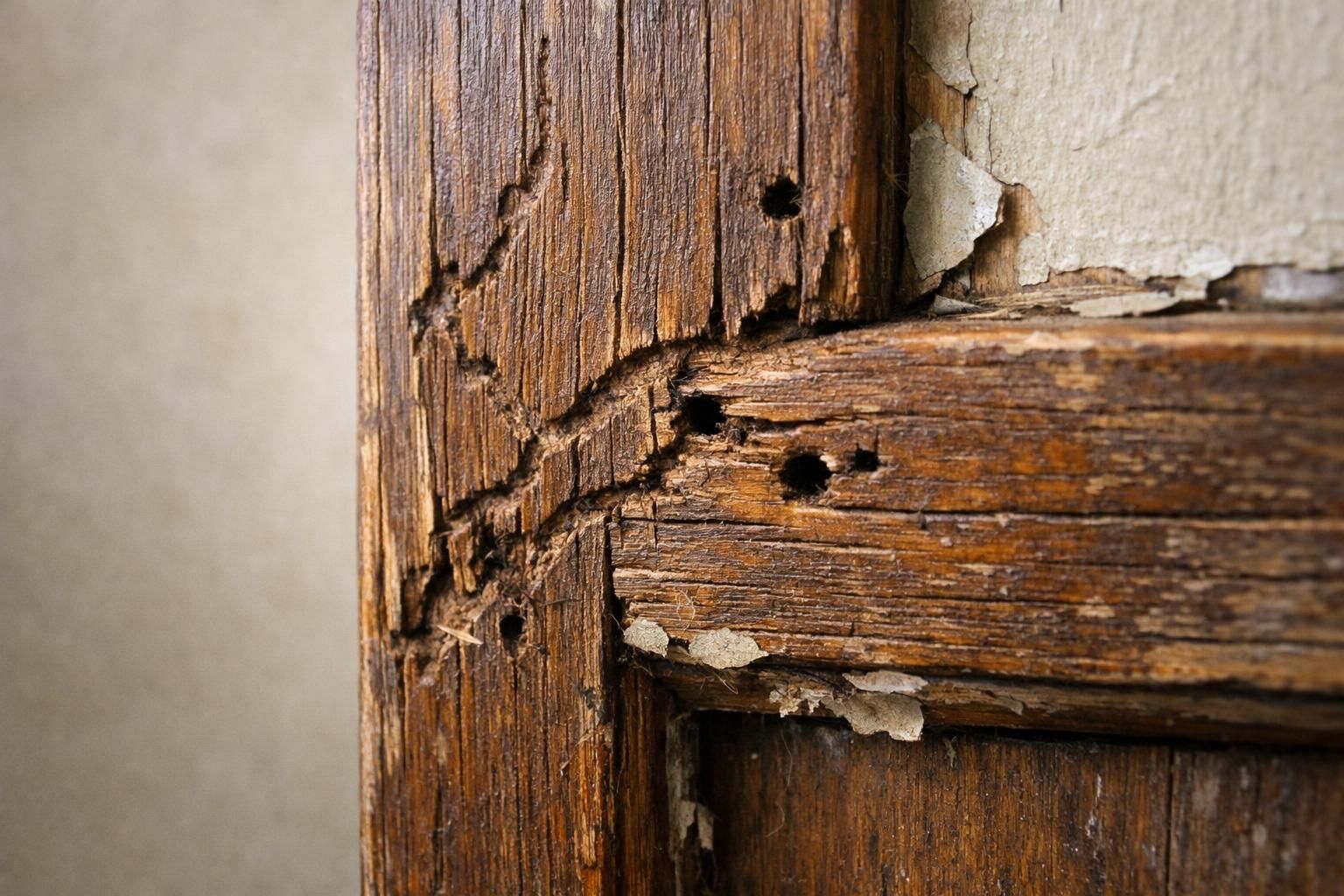
Colorado law requires sellers to disclose known termite damage during real estate transactions. A knowledgeable real estate agent can help you navigate these requirements and avoid problems with mortgage lending or closing.
Colorado disclosure obligations for known termite damage
Colorado requires sellers to complete a Seller's Property Disclosure (SPD) form, which includes questions about pest infestations, structural damage, and any known wood-destroying organism activity. 2 You must detail the termite history, all repairs performed, and any treatments applied. Failing to report active termite colonies, structural damage, or prior treatment can expose you to buyer lawsuits and loss of the sale. 3
Federal rules also apply when government-backed loans are involved. FHA and VA programs require proof that the home is free from active termites and that damaged wood has been repaired before closing. Always work with a Colorado-licensed real estate agent and pest control professional to ensure your documentation is accurate and complete.
Definition of 'known damage' and consequences of non-disclosure
"Known damage" includes any evidence of termite infestation or structural damage you discover yourself, learn about from an inspection, or receive from a licensed pest control company. Past treatment records, repair documentation, or warranties all count as proof and must be disclosed.
Non-disclosure in Colorado carries serious consequences. Buyers can pursue fraud claims and seek to reverse the transaction if they uncover hidden issues after closing. Colorado courts may order you to pay damages exceeding what honest disclosure would have cost — for example, covering $10,000 in repairs rather than offering a smaller negotiated credit upfront. Full transparency protects your equity and reduces legal exposure.
Getting a Termite Inspection
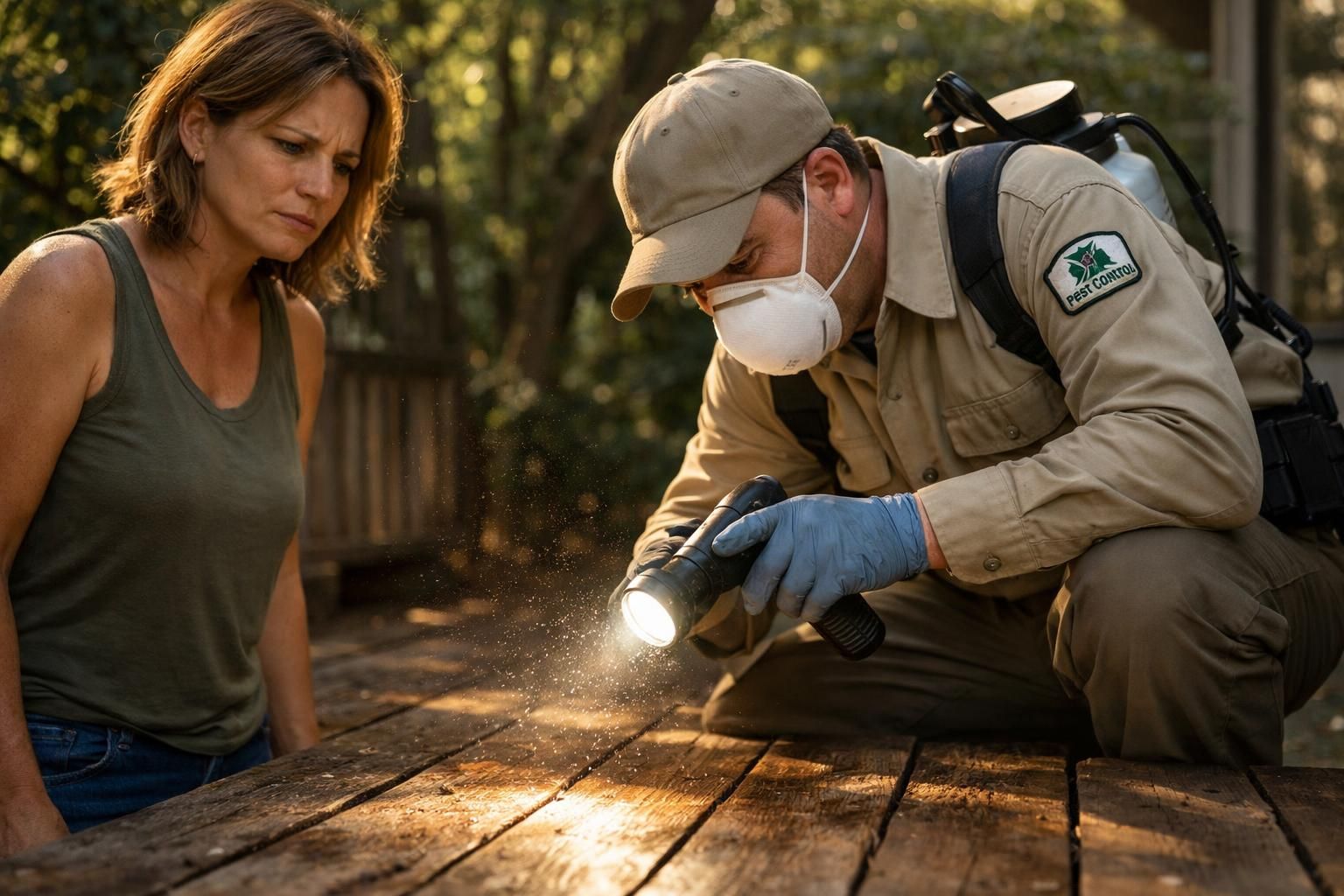
A Colorado-licensed pest control company can inspect your property for mud tubes, termite droppings, and structural damage. A Wood-Destroying Organism (WDO) report gives buyers confidence and supports mortgage approval.
When to order an inspection vs. when buyers handle it
Order a termite inspection 30 to 90 days before listing your home. Colorado real estate agents generally recommend sellers obtain their own pest inspection first, particularly in areas with known subterranean termite activity along the Front Range. An up-to-date WDO report helps you identify hidden structural damage before buyers do. Reports older than three months may not satisfy FHA or VA lenders.
If you skip the inspection, buyers will likely request one during their inspection period. They may then ask for price reductions, treatment credits, or withdraw their offer if they find undisclosed problems. Paying for your own inspection upfront lets you address issues early and avoid costly surprises later in the transaction.
WDO reports and cost expectations
A WDO inspection examines crawl spaces, attics, basements, and visible wood for active infestations or past damage from termites and other wood-destroying pests. Inspectors classify findings as active problems, previous repairs, or conditions that could attract future colonies — such as moisture issues common in Colorado basements.
Professional WDO reports typically cost between $75 and $150 in Colorado. Clean reports boost buyer confidence and can reduce negotiation friction over termite history. Many Colorado real estate agents recommend this step for older homes or properties in higher-risk areas.
Your Selling Options

You have several paths available if your Colorado home has termite damage or a history of infestation. Real estate agents and pest control professionals can help you weigh which approach fits your timeline and financial goals.
Repair before listing: contractors, timelines, and benefits
Fixing termite damage before listing can boost your sale price and build buyer trust. Most buyers prefer homes with documented, professional repairs.
- Hire a Colorado-licensed pest control company to inspect for mud tubes, bubbling paint, or termite droppings.
- Obtain a WDO report confirming the extent of infestation or structural damage.
- Select contractors who specialize in structural repairs. Colorado law requires licensed contractors and permits for structural work involving framing and load-bearing elements.
- Expect repairs to take two to eight weeks depending on severity, including replacing damaged beams, treating affected areas, and addressing cosmetic issues. 4
- Budget from $500 for minor cosmetic repairs to over $10,000 for severe structural damage.
- Use termite-resistant materials in high-risk areas to deter future infestations.
- Obtain a warranty on extermination services, typically lasting five to ten years.
- Save all receipts and reports as documentation for your Colorado SPD form and for FHA/VA mortgage review.
- Schedule a follow-up inspection after repairs to present a clean record during showings.
Sell as-is with price reduction: calculating discounts
Selling as-is often means accepting an offer below market value. Cash buyers and investors typically pay 60% to 80% of fair market value, factoring in termite repair and treatment costs. On a $400,000 Colorado home, that could mean concessions of $12,000 to $32,000.
Homes with visible structural damage require larger discounts — sometimes 10% to 30% below comparable homes with no termite history. Real estate agents often suggest offering targeted credits, such as a termite warranty or treatment credit, rather than broad price reductions. Cash buyers in Colorado markets like Colorado Springs typically close within two to eight weeks.
Sell to cash buyers/investors: pros and cons of skipping repairs
Working with cash buyers lets you skip repairs and move quickly. You do not need a termite inspection, warranty, or pest control work before closing. These buyers offer fast closings — sometimes within days — and remove inspection contingencies. 5
The tradeoff is a lower sale price. Investors factor in the full cost of treatment and structural repairs, which can range from $500 to over $10,000. 4 If you need speed or face costly damage, this route reduces stress — but expect offers below traditional market value.
Working With Traditional Buyers

Traditional buyers in Colorado may be cautious about termite history. Work with your real estate agent to address concerns proactively and keep the transaction moving.
How termite damage affects mortgage approvals (FHA/VA specifics)
FHA and VA loans require a home to be free of active termite infestation before mortgage approval. Appraisers look for mud tubes, bubbling paint, or visible structural damage. If problems are found, you must complete treatment and repairs and provide a clean WDO report from a Colorado-licensed pest control company before closing.
Unresolved termite issues can cause lenders to deny financing. Even minor termite history narrows your buyer pool, since many conventional lenders also scrutinize pest reports. You may need to repair damaged framing or flooring first so the property meets loan standards. Expect buyers to request documentation of extermination methods, such as bait systems or chemical treatment, along with ongoing monitoring records.
Negotiating post-inspection and offering warranties
After a home inspection reveals termite damage, buyers may request repairs, price reductions, or walk away. 6 Offering targeted repair credits rather than blanket price cuts can keep deals together. Buyers want clear documentation of recent treatment from a licensed Colorado pest control company.
A transferable termite warranty — typically $300 to $800 per year — gives buyers assurance that future retreatment or repairs will be covered. Colorado real estate agents sometimes recommend setting up an escrow holdback to cover any remediation identified in the WDO report. Offering warranties or ongoing monitoring plans demonstrates transparency and builds trust with buyers concerned about structural damage or the home's termite history.
Pricing Strategy
Set your asking price with help from a Colorado real estate agent who understands termite history, local home values, and current pest control documentation.
Competitive pricing with known damage
Buyers notice termite history immediately. Research recent sales of comparable homes with similar issues in your area. Price yours slightly below homes with no pest history. In Colorado markets where subterranean termites are known to be active, buyers may accept some repair history but will still expect a discount.
Always factor in estimated treatment and repair costs — ranging from $500 to over $10,000. Professional documentation from a licensed pest control company about prior treatment or existing warranties can support your price point. Colorado agents familiar with damaged properties often suggest listing 5–15% below unaffected comparable homes to stay competitive without discouraging traditional buyers.
When to price aggressively vs. wait for the right buyer
Price aggressively if repairs are extensive, you need to sell quickly, or the local market is slow. Cash buyers and investors actively seek as-is Colorado homes and look for meaningful discounts. Adjust your price promptly if post-inspection reveals worse structural damage than expected.
In a hot market — like Denver's competitive metro area — you may be able to wait for a buyer who values your property even with a termite history, especially if you offer pre-paid inspections, clear disclosure records, and a transferable warranty. Sellers who can hold out longer may achieve better offers from buyers less concerned about cosmetic damage when detailed remediation records are provided.
Conclusion: Get a termite inspection, evaluate your selling options, and choose the best path for your financial and timeline needs.
Selling a Colorado home with termite damage does not close off your options. Schedule a pest inspection to understand exactly what you are dealing with. Review repair reports, warranty options, and your Colorado SPD disclosure obligations carefully.
Weigh cash offers against repairing and listing on the open market. Whether you are in Denver, Colorado Springs, or anywhere along the Front Range, choose the path that fits your budget and timeline — your next move can still be a smart one.
If you want to skip repairs and close quickly, KDS Homebuyers buys Colorado homes for cash in any condition, including properties with termite damage. Visit kdshomebuyers.net to request a free, no-obligation cash offer and find out what your home is worth today.
FAQs
1. What signs show termite damage during a Colorado home inspection?
Buyers and inspectors look for mud tubes along foundation walls, termite droppings, hollow-sounding wood, and bubbling paint. Subterranean termites — the species most common in Colorado — build mud tubes connecting soil to wood in crawl spaces and basements.
2. What does Colorado law require sellers to disclose about termites?
Colorado sellers must complete the state's Seller's Property Disclosure (SPD) form, which includes questions about known pest infestations, wood-destroying organism history, and structural damage. Failure to disclose known termite issues can expose you to buyer lawsuits.
3. Can structural termite damage lower my home's value in Colorado?
Yes. Untreated structural damage can reduce property value by up to 25%. Buyers may request price reductions or seek cash buyers willing to purchase as-is.
4. What treatment methods do Colorado pest control companies use?
Licensed Colorado pest control companies use bait systems, liquid soil treatments, and targeted extermination to remove active subterranean termite colonies. Treatment costs depend on the size of the infestation and the method used.
5. Should I offer a warranty after repairing termite damage?
Yes. A transferable termite warranty gives Colorado buyers confidence that future infestations will be addressed. Warranties typically cost $300 to $800 per year and can support a stronger asking price during negotiations.
References
- ^ https://ultrasafepest.com/the-impact-of-termites-on-property-value/
- ^ https://www.redfin.com/blog/selling-a-house-with-termite-history/ (2025-08-14)
- ^ https://journal.firsttuesday.us/brokerage-reminder-timely-termite-inspections-eliminate-the-risk/29751/ (2022-02-21)
- ^ https://www.corkvalleyproperties.com/blog/selling-a-house-with-termite-damage-your-best-options/
- ^ https://emorywheel.com/article/the-pros-and-cons-of-selling-property-to-a-cash-buyer-20250316 (2025-03-16)
- ^ https://www.inspectionsupport.com/negotiating-after-a-home-inspection-to-get-the-deal-you-want/
