

Can You Sell a House With Unpermitted Work? Here's What to Know in Washington
Selling your home can feel stressful if you discover unpermitted work. Many Washington homeowners don't realize that projects like room additions or electrical rewiring require a building permit from the local building department. 1 This post explains how to sell a house with unpermitted work in Washington while meeting disclosure requirements and following code compliance rules. 3
Key Takeaways
- Washington state law requires sellers to disclose known unpermitted work on the Seller Disclosure Statement (Form 17). Failing to do so can lead to legal liability.
- Unpermitted renovations—finished basements, room additions, deck construction—can lower market value by 5% to 20%. Lenders often refuse loans for homes with code violations; cash buyers may pay only 70%–80% of fair value.
- Appraisers do not count unpermitted square footage toward official market value. FHA and VA loans require all remodeling to have proper permits before closing.
- Retroactive permits typically cost $500–$2,000 plus repairs, which is usually less than the price reduction buyers will demand.
- Selling as-is, offering closing credits, or selling to a cash buyer are all valid options — each affects your timeline and final sale price differently.
What Is Unpermitted Work?

Unpermitted work happens when a homeowner makes changes or repairs without building permits from the local building department. In Washington, this can cause problems with code compliance, insurance coverage, and property records if not addressed before a sale.
Definition of unpermitted work
Unpermitted work means you or a previous owner completed home renovations, repairs, or additions without obtaining required approval from your local Washington building department. This includes finishing basements, adding bathrooms, rewiring electrical systems, constructing decks, converting garages into living spaces, removing walls, replacing HVAC systems, reroofing, or doing plumbing repairs.
Washington's building codes — administered at the county and city level under the Washington State Building Code Council — require approval and inspection for any change that affects safety or structure. Skipping the permit process creates code violations that show up during inspections and can affect your insurance and market value when selling.
Washington's statute of limitations on nondisclosure claims gives buyers time to pursue legal action after discovering hidden issues — another strong reason to get ahead of permit problems before listing.
Common examples: finished basements, bathroom additions, electrical rewiring, deck construction, converting garages, removing walls, adding rooms, HVAC replacements, roofing, plumbing work
Many Washington homeowners complete renovations without proper building permits. These unpermitted projects look normal but can create serious issues during a sale.
- Finished basements often include new electrical or plumbing that requires a permit. Skipping this step triggers problems with home inspectors and lenders.
- Bathroom additions require approval for plumbing and venting to meet Washington state code standards.
- Electrical rewiring must be done by a licensed contractor and pass inspection. Insurance companies may deny claims if uninspected wiring causes damage.
- Deck construction involves structural work that demands a building permit in cities like Seattle and Tacoma — both of which actively enforce permit requirements.
- Garage conversions affect property taxes, mortgage appraisals, and official square footage records.
- Removing walls without permits can void title insurance or trigger expensive structural repairs.
- Adding rooms or enlarging windows typically requires updated plans filed with your local building department.
- HVAC replacements must meet Washington's energy code standards; missing permits can result in insurance claim denials.
- Roofing projects involve load and weatherproofing requirements — missing permits can stall as-is sales before closing.
- Unpermitted plumbing work risks leaks, mold, and water damage that complicate both inspections and sales.
Why permits exist: safety, building codes, and property records
Washington building permits ensure home renovations meet state and local codes. These codes protect your safety and the well-being of occupants. Electrical rewiring and HVAC replacements must follow rules that prevent fires and carbon monoxide hazards. 1
Local building departments — from Seattle's Department of Construction and Inspections to Spokane's Building Services — maintain property records whenever a permit is pulled. Accurate records help future buyers, lenders, and appraisers confirm code compliance. If you apply for permits after unpermitted work is already done, expect higher fees and possible penalty charges on top of standard permit costs. 1
How Unpermitted Work Affects Home Sales

Unpermitted renovations can slow your sale and complicate your transaction. Washington buyers and their agents frequently raise code compliance concerns, which directly affects your market value and negotiating position.
Disclosure requirements
Washington state law requires sellers to complete a Seller Disclosure Statement (Form 17) disclosing known material defects — including unpermitted work. You must check the appropriate boxes and describe any home renovations completed without building permits. Omitting known unpermitted work is a violation of Washington's disclosure laws and can expose you to legal liability. 2
Washington courts may allow buyers to seek rescission of the sale or damages if they discover hidden code violations after closing. In competitive markets like Seattle and Bellevue, buyers and their agents scrutinize Form 17 carefully. Real estate attorneys in Washington recommend full, written disclosure so buyers understand all risks before making an offer.
Appraisal issues and financing challenges
Washington appraisers typically exclude unpermitted square footage from a home's official appraised value. A converted garage or finished basement done without permits may add nothing to your market value on paper. Lenders commonly refuse mortgages for homes with known building code violations, and FHA and VA loans require all remodeling to have proper permits before closing.
Buyers in the Seattle or Tacoma metro areas may struggle to secure financing until permit issues are resolved. Some lenders require removal of unpermitted work or retroactive permits from the building department before closing can proceed. Insurance companies may also exclude coverage for unpermitted spaces, creating additional risk for both buyer and seller.
Homes with code compliance problems in Washington typically sell for 5% to 20% less than comparable permitted properties.
Buyer negotiation leverage
Washington buyers routinely use unpermitted work as negotiating leverage. Concerns about future repairs, retroactive permit costs, and resale risk can prompt buyers to request price reductions of 10%–20%. On a $500,000 home, that means offers as low as $400,000–$450,000. Cash buyers and investors often offer even less — around 70%–80% of market value.
Buyers may also request closing credits to cover retroactive permits or contractor repairs. Homes with significant unpermitted work tend to sit longer on the market as conventional buyers wait for issues to be resolved. Working with an experienced Washington real estate agent helps you understand your negotiating position and identify which repairs or disclosures preserve the most value.
Legal liabilities for nondisclosure
Failing to disclose unpermitted work in Washington can create serious legal exposure. Buyers have a window to file claims after discovering hidden code violations, and Washington courts may order you to pay for repairs, permit fees, legal costs, or cancel the sale entirely. 2
If a seller is found to have intentionally concealed unpermitted renovations, fraud claims become possible. Washington real estate attorneys strongly recommend thorough documentation and honest disclosure of any unpermitted changes before listing your home.
Your Options When Selling
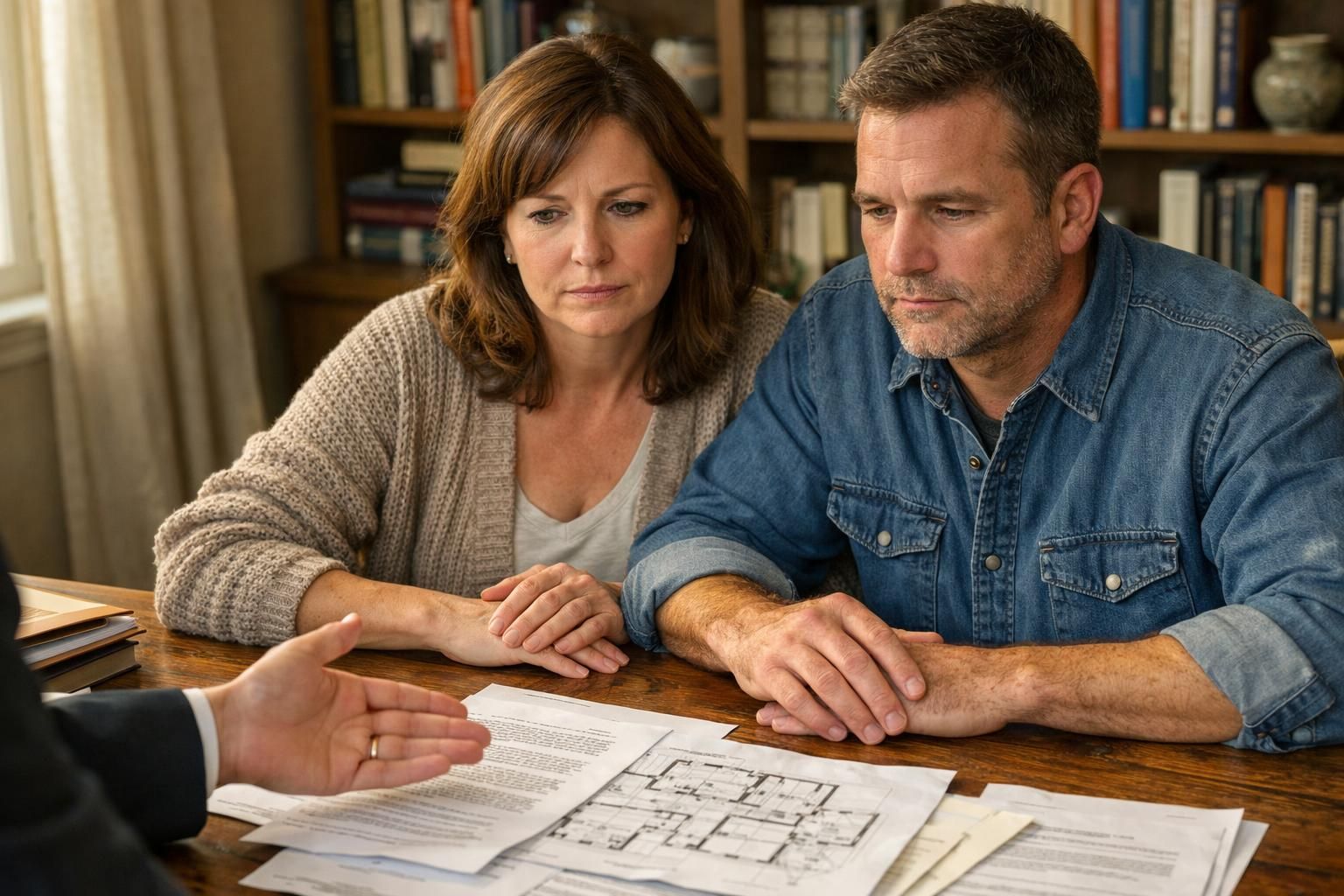
You have several paths forward when selling a Washington home with unpermitted work. A real estate agent and real estate attorney can help you choose the best approach for your situation.
Get retroactive permits
Retroactive permits can bring your Washington home into code compliance and strengthen your position as a seller. The process can be involved, but it often costs less than the price reduction buyers will demand.
- Start by pulling records from your local building department — Seattle's SDCI, Tacoma's Permits and Development, Spokane's Building Services, or your county office — to compare your property history with original blueprints.
- Hire a licensed Washington contractor or home inspector to assess the scope of unpermitted work.
- Submit a permit application for each modification made without prior approval.
- Expect retroactive permit fees of $500–$2,000 per project, plus possible penalty fees for work done without prior inspection.
- Be prepared for inspectors to require access behind walls or ceilings to verify construction quality and safety.
- Budget for corrections — repairs from retroactive inspections can range from $5,000 to $25,000 depending on what needs fixing.
- Timelines vary: smaller projects may take 2–6 months; major changes like additions or garage conversions can take significantly longer.
- Keep all documentation — permit applications, inspection reports, contractor receipts — organized for buyer review at closing.
Remove the unpermitted work
In some cases, removing unpermitted work is the most straightforward way to clear title and satisfy buyers and lenders.
- Get licensed contractor estimates for removing unpermitted additions, conversions, or structures.
- Review Washington building codes and local municipal requirements with your contractor before starting removal.
- Consider costs carefully — removing an unpermitted bedroom addition can cost $12,000 or more, but leaving it unresolved may cost far more in price reductions or failed sales.
- Remove any work that presents fire hazards, such as amateur electrical rewiring or uninspected plumbing.
- Check with your local building department about requirements to restore spaces to original condition before closing.
- Document all demolition with photos, receipts, and inspection reports to include with your Form 17 disclosures.
- Have a home inspector verify that removed areas now meet Washington building codes after work is complete.
Sell as-is with disclosure
You can sell your Washington home as-is and provide full disclosure of unpermitted work on Form 17. Be specific: for example, "Basement finished in 2019 without permits; electrical and plumbing installed by contractors but not inspected by the city." Price reductions of 10%–20% are common for as-is sales with code compliance issues.
This approach attracts cash buyers and real estate investors comfortable with permitting problems. Expect a smaller buyer pool and longer days on market. Work with a Washington real estate agent experienced with distressed or as-is properties to reach buyers who understand these risks.
Offer a credit at closing
Offering a closing credit lets buyers handle the cost of retroactive permits or corrections themselves, while you avoid upfront repair expenses. Credits typically range from $5,000 to $25,000 depending on the scope of work. Your real estate agent can help negotiate the amount and structure it in the purchase and sale agreement.
Use licensed contractor estimates and local building department fee schedules to arrive at a fair credit amount. Document the credit clearly in the settlement statement so all parties remain transparent.
Sell to a cash buyer
Selling to a cash buyer is one of the fastest ways to resolve unpermitted work complications in Washington. Cash buyers like KDS Homebuyers purchase homes with unpermitted work and do not require repairs or permits before closing. 1
Cash buyers typically pay 70%–80% of market value. On a $500,000 Washington home, that means an offer of roughly $350,000–$400,000. While lower than a retail sale, the speed and certainty — closings often happen in 10–30 days — can outweigh the price difference when facing complex permit issues. 3
This path removes financing hurdles entirely and eliminates drawn-out retroactive permitting timelines. It suits Washington homeowners who need a hassle-free exit without expensive renovations or months of bureaucratic back-and-forth with local building departments.
Sell and Stay: A Unique Solution for Homeowners with Unpermitted Work

A sell and stay arrangement allows you to sell your Washington property to an investor and lease it back while resolving code compliance issues. You access equity immediately without having to move, freeing up cash to pay retroactive permit fees or hire a licensed contractor. 4
Lease-back periods vary by investor, giving you time to work through the Washington permit application process. This option suits sellers who need flexible terms rather than a quick discounted sale. Investors specializing in these arrangements often look past unpermitted renovations as long as you cooperate with local building departments. Working with a Washington real estate agent familiar with sell-and-stay deals helps keep the process transparent and protects your interests.
Conclusion

Selling a Washington home with unpermitted work brings real challenges, but you have clear options. Honest disclosure on Form 17 and a proactive approach protect you from legal risk and give buyers confidence. Whether you pursue retroactive permits, sell as-is, offer a credit, or work with a cash buyer, the right strategy depends on your timeline, budget, and the scope of the unpermitted work.
If you want a fast, straightforward sale without permit headaches, KDS Homebuyers buys Washington homes in any condition — unpermitted work and all. Visit kdshomebuyers.net to request a free cash offer today.
FAQs
1. Can you sell a house with unpermitted work in Washington?
Yes. You can sell a Washington home with unpermitted work, including as an as-is sale. However, you must disclose known unpermitted work on the Seller Disclosure Statement (Form 17), and code compliance issues will likely affect your market value and buyer pool.
2. What are Washington's disclosure requirements for unpermitted work?
Washington law requires sellers to complete Form 17 and disclose all known material defects, including unpermitted renovations. Failure to disclose can result in legal claims from buyers after closing.
3. How does unpermitted work affect a home appraisal in Washington?
Appraisers typically exclude unpermitted square footage from market value calculations. Lenders — including FHA and VA — require proper permits before approving loans, which limits your buyer pool to cash purchasers if significant unpermitted work exists.
4. Who should I consult before listing a Washington home with unpermitted work?
Consult a Washington real estate attorney, a licensed contractor, and a local real estate agent experienced with permitting issues. A home inspector can assess whether past work meets current Washington building code standards.
5. Can I get retroactive permits in Washington?
Yes. Most Washington cities and counties allow retroactive permit applications. The process involves inspections, documentation, and fees — and possibly corrections if work doesn't meet current code. Contact your local building department, such as Seattle's SDCI or Spokane's Building Services, to start the process.
6. Are cash buyers more likely to purchase Washington homes with unpermitted work?
Yes. Cash buyers and real estate investors are generally willing to purchase Washington properties with unpermitted work or code violations. They bypass lender requirements and can close quickly, though typically at 70%–80% of market value.
References
- ^ https://www.homelight.com/blog/selling-a-house-with-unpermitted-work/ (2025-10-15)
- ^ https://salisburylehighpa.gov/wp-content/uploads/2025/10/THE-RISKS-OF-BUYING-A-HOME-WITH-UNPERMITTED-RENOVATION-WORK.pdf
- ^ https://www.redfin.com/blog/selling-a-house-with-unpermitted-work/ (2025-06-30)
- ^ https://orchard.com/blog/posts/selling-a-house-with-unpermitted-work (2021-10-22)
