

Selling a House With Water Damage: What to Disclose and How to Price It in Washington
You may feel stressed if you need to sell a house with water damage in Washington. Water problems can lower your home value and lead to costly repairs or mold growth. 1 This guide explains what Washington law requires you to disclose, how to price your property fairly, and what options are available to you. 2 Find the best way forward before listing your home. 3
Key Takeaways
- Washington sellers must disclose all known water damage, leaks, mold, and repairs using Form 17 (Seller Disclosure Statement). Failing to disclose past flooding, foundation issues, or mold can lead to lawsuits, deal cancellations, or civil penalties under Washington's seller disclosure law (RCW 64.06).
- Water-damaged homes in Washington typically sell for 15–30% less than comparable undamaged properties. Severe Category 3 "black water" cases often attract offers at only 50–70% of after-repair value (ARV), particularly from cash buyers and investors in markets like Seattle and Tacoma.
- Professional inspections—by home inspectors, mold specialists, and structural engineers—are critical. These reports reveal hidden problems and are required by most lenders before approving financing on damaged properties.
- Major repairs range from $15,000 to $70,000 depending on severity; minor fixes may cost $1,200–$5,000. Washington's wet climate increases the risk of recurring moisture problems, making thorough remediation especially important.
- Cash buyers offer quick sales in as little as 3–14 days but typically pay below market value. This route can make sense when repairs are cost-prohibitive or when you need to sell quickly due to relocation, probate, or financial hardship.
Types of Water Damage
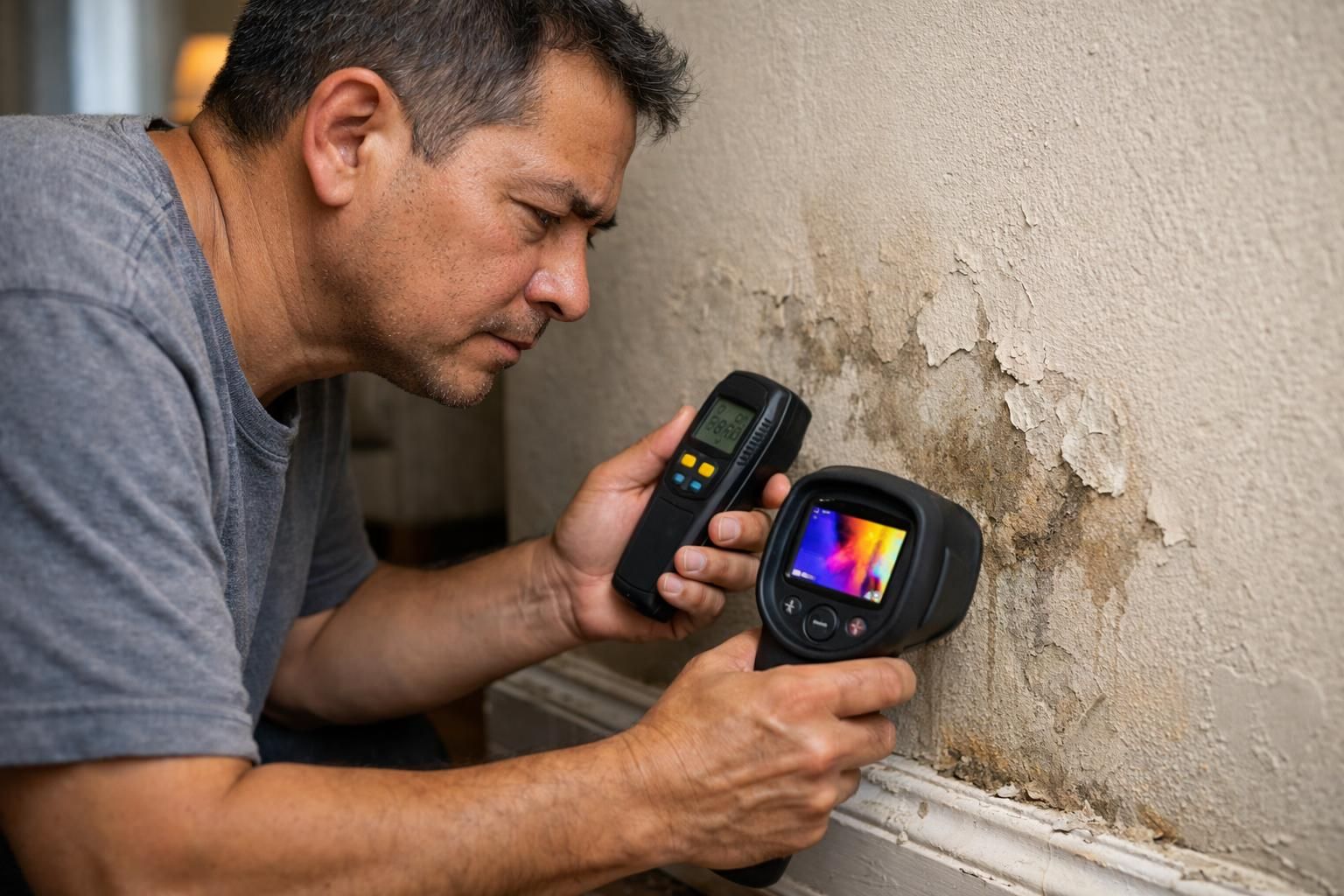
Water damage can appear in many forms and may impact your property well beyond what is visible on the surface. Washington's rainy climate — especially west of the Cascades — makes moisture intrusion a common and serious concern for homeowners in Seattle, Tacoma, Bellevue, and surrounding areas. Home inspectors often use moisture meters, thermal cameras, and drywall sampling to uncover hidden issues.
Visible damage: stains, warping, mold
Stains on ceilings, walls, and baseboards signal past water intrusion. These marks often result from a burst pipe or roof leak and can lower your home's appraised value. Warping affects wood floors, drywall, doors, and trim; even slight swelling means moisture reached deep layers. Most particle board items swell quickly and become unsalvageable, while solid wood may recover in about six weeks with dehumidifiers.
Mold starts growing within 24 to 48 hours after water exposure. Washington's damp climate makes basements, crawl spaces, and attics especially vulnerable. You might find black spots or fuzzy patches on drywall, carpet pads, or ceilings. Black mold (Stachybotrys) must be professionally removed due to health risks, and Washington's disclosure law requires you to report any known mold to buyers before closing. 1
Hidden damage: behind walls, foundation issues
Water damage hiding behind walls or beneath floors can cause major structural problems. Leaky pipes, aging water heaters, and poor drainage often lead to unseen moisture collecting in concealed spaces. Crawl space flooding is particularly common in western Washington due to the region's high annual rainfall.
Water seeping into foundation cracks can weaken the base of your home and attract wood-destroying insects such as termites — a concern Washington inspectors take seriously. Serious foundation issues can prevent buyers from obtaining conventional financing, as most lenders require proof of repairs before approving loans on homes with structural concerns. A licensed structural engineer's report helps document the extent of damage and supports your disclosure obligations under Washington law.
Categories of water: clean (Category 1), gray (Category 2), black (Category 3)
Water damage falls into three categories. Category 1 (clean water) comes from a burst supply line or pipe and poses the lowest health risk. Category 2 (gray water) comes from appliances like washing machines and contains contaminants that could cause illness. Category 3 (black water) includes sewage backups and floodwater and carries the highest health risk due to bacteria and toxins.
Insurance companies treat black water as a major issue; professional cleanup often takes up to six months for large jobs involving structural repair. Appraisers deduct all repair costs and apply a stigma factor of 10% or more for black water-damaged homes. Most lenders will not approve FHA loans on properties with untreated black water issues because they fail strict HUD standards. Cash buyers typically offer only 50% to 70% of market value after repairs in these severe cases.
Legal Disclosure Requirements

Washington has clear seller disclosure requirements. Before listing your home, you must complete Form 17 — the Seller Disclosure Statement — as required under Washington's Seller Disclosure Act (RCW 64.06). A real estate attorney or licensed agent can help you understand exactly what water-related information must be disclosed to potential buyers.
Washington's Form 17 Seller Disclosure Statement
Washington's RCW 64.06 requires most residential sellers to deliver a completed Form 17 to buyers before they are bound to a purchase agreement. This form asks you to disclose all known material defects, including water damage, past flooding, leaks, mold, and foundation concerns. Buyers have three business days after receiving Form 17 to rescind their offer if they find the disclosures unacceptable.
Even if your home is sold "as-is," you are still required to disclose known defects. Washington does not follow a strict "buyer beware" standard — sellers must affirmatively report known issues. Federal law also requires sellers of homes built before 1978 to disclose potential lead paint hazards. 2
Required disclosures: leaks, flooding, past repairs, mold, foundation issues
On Form 17, you must disclose every known instance of leaks, flooding, or water damage — including burst pipes, roof leaks, sump pump failures, and past repairs, even if you believe the issue has been fully resolved. Mold problems and foundation issues that have appeared at any time must also be reported.
Proper documentation protects both you and the buyer. Save inspection reports, repair receipts, insurance claim records, and photos. Over-disclosing rather than under-disclosing is the safer approach — it demonstrates good faith and protects against future legal disputes. If you are uncertain about what qualifies as a material defect under Washington law, consult a real estate attorney before listing.
Consequences of non-disclosure: lawsuits, deal cancellation, penalties
Failing to disclose known water damage in Washington can result in lawsuits, deal cancellations, and significant financial penalties. If a buyer discovers undisclosed leaks or flooding after closing, they may file a civil claim in Washington Superior Court for damages, including repair costs, attorney fees, and other losses. In cases involving intentional concealment, courts may treat non-disclosure as fraud, which carries additional civil liability.
Attorney fees in Washington typically range from $250 to $400 per hour, and many real estate attorneys work on contingency. Beyond litigation costs, buyers may cancel the sale during the rescission period if they believe the disclosures are incomplete. Honesty upfront is always less costly than defending a lawsuit later.
Getting Professional Assessments
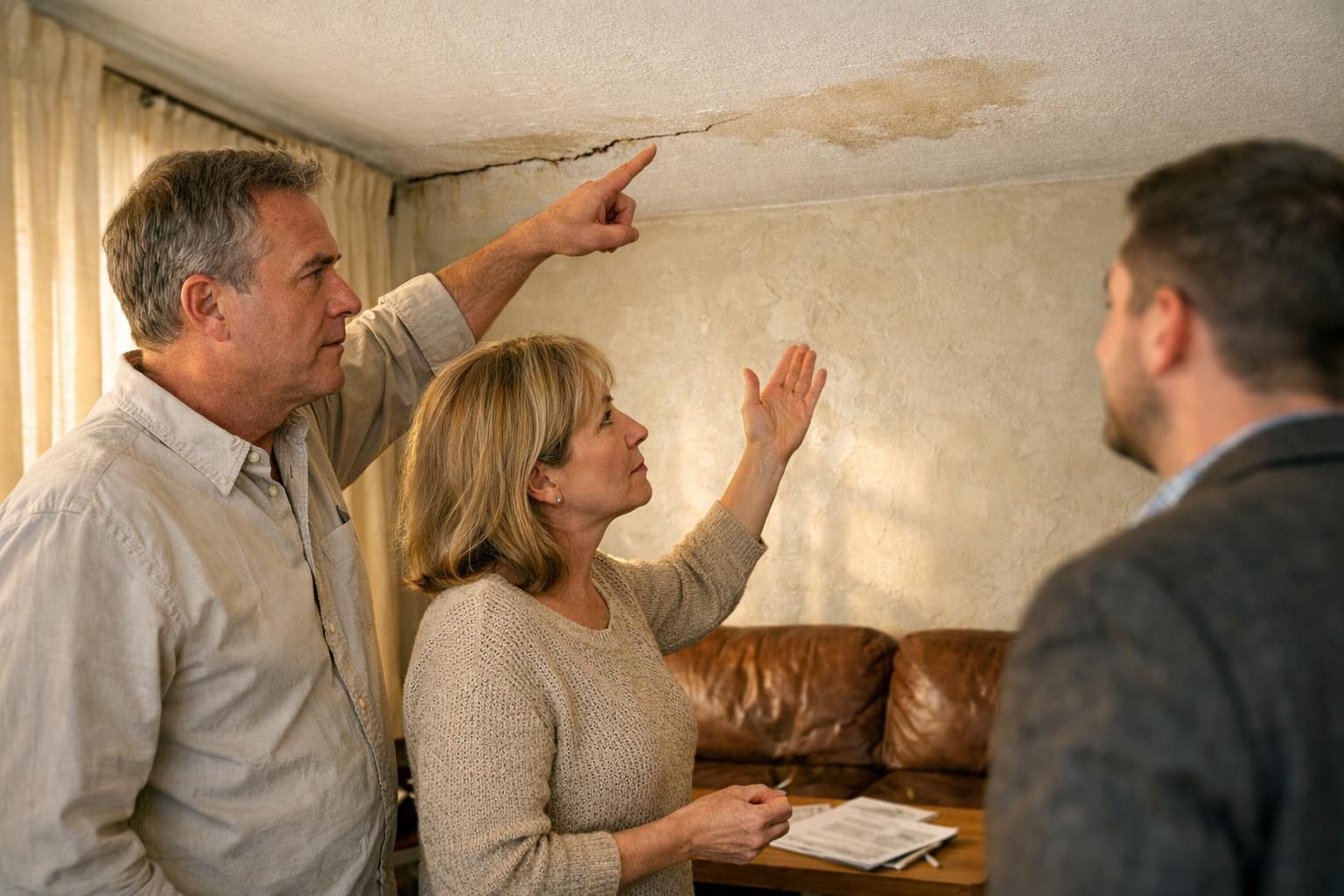
Hiring a home inspector, mold specialist, or structural engineer helps you uncover hidden water damage and gives buyers confidence in the condition of your property.
Water damage inspection
A licensed Washington home inspector will check for stains, warped flooring, odors, and rot, and use moisture meters and thermal cameras to detect hidden moisture behind walls or under floors. Inspection reports are important for disclosure compliance and are often required by insurance companies before they pay out claims.
Drying after water remediation typically takes 3 to 7 days, but lingering mold may remain undetected without professional testing. Documenting all findings maintains buyer trust and protects both parties from future legal disputes under Washington's disclosure laws.
Mold testing
Certified mold inspectors use moisture meters and air sampling pumps to detect mold after water damage. If your home has had standing water for more than 24 to 48 hours, schedule a professional inspection immediately. Hidden areas — especially behind drywall, under floors, or in crawl spaces — often harbor toxic mold growth that is not visible to the naked eye.
Washington buyers and their lenders increasingly request mold testing documentation before closing. Proof of a clean mold assessment — or evidence of professional remediation — gives buyers confidence and helps you avoid price renegotiations or deal cancellations after the inspection period.
Structural engineering report for foundation concerns
A structural engineering report is often required by lenders when water damage has affected a home's foundation. FHA loans have strict HUD guidelines regarding structural integrity, and homes with unresolved foundation issues may not qualify for conventional financing.
An engineer's report confirms whether the house is safe and helps set a fair market price based on actual repair needs. Major foundation repairs in Washington range from $15,000 to $70,000, and appraisers may apply a 10 to 20 percent stigma deduction for reported structural concerns. A clear engineering report supports your transparency obligations under RCW 64.06 and builds buyer confidence during negotiations.
Repair vs Sell As-Is Decision

A Washington real estate agent can help you compare repair costs against your home's expected market value using a comparative market analysis. The right choice depends on your timeline, budget, and the severity of the damage.
Costs of minor vs major repairs
Minor water damage repairs typically cost between $1,200 and $5,000, covering drying, stain treatment, basic mold removal, and repainting. Homeowners insurance may cover some of these costs if the damage resulted from a covered event such as a burst pipe.
Major repairs — including foundation work, structural drywall replacement, or severe mold remediation — can reach $15,000 to $70,000. Investing heavily in repairs does not always guarantee recovery of those costs at closing. Many Washington sellers overestimate their return on investment when repairing significant water damage before listing.
Decision factors: time, urgency, financial capacity
If you need to move quickly — due to probate, divorce, job relocation, or a pending insurance situation — selling directly to a cash buyer can allow closing in as little as 3 to 14 days. Traditional sales in Washington's market often take 30 to 60 days or longer, particularly if lenders require repairs before approving financing.
If you have the financial capacity to make repairs, a repaired home will generally fetch a higher price. For extensive structural damage, however, fixing everything can be time-consuming and expensive. Many investors offer 50% to 70% of ARV for as-is purchases. Selling as-is reduces upfront costs while still complying with Washington disclosure requirements.
Pricing Strategy
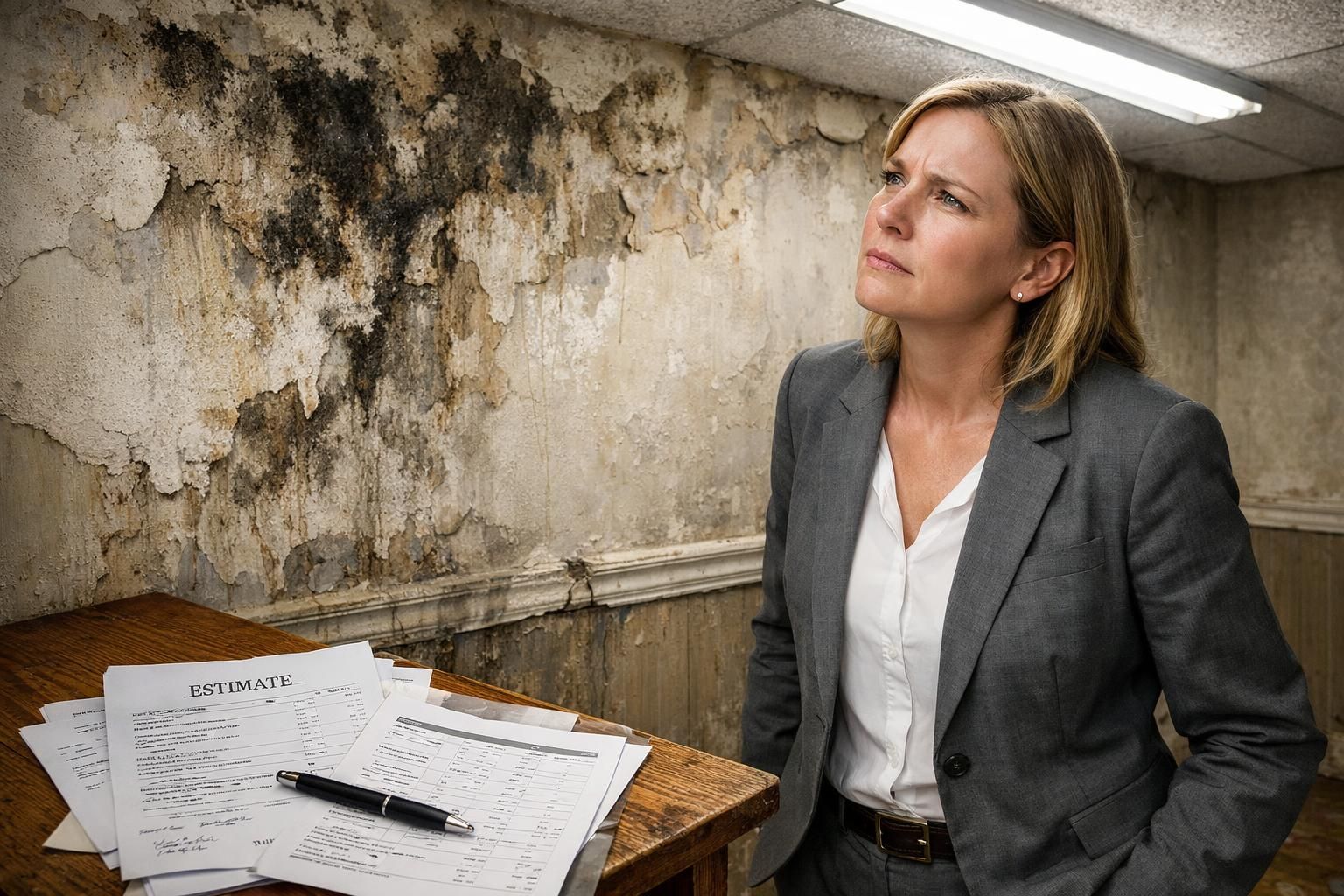
Pricing a water-damaged home in Washington requires balancing repair costs, market conditions, and buyer expectations. Work with a local real estate agent familiar with your specific market — whether in Seattle, Spokane, or a smaller community — to avoid undervaluing your property.
Adjusting price if repaired vs selling as-is
Homes with past water issues in Washington typically sell for 15 to 30 percent less than comparable undamaged properties, even after repairs. Appraisers subtract repair costs and add a stigma factor of up to 20 percent because buyers remain concerned about hidden structural damage or recurring moisture problems.
Selling as-is generally attracts investors and cash buyers who expect significant discounts, with offers commonly at 50 to 70 percent of ARV. Gather multiple cash offers to compare deals and use documented inspection and engineering reports to support your asking price during negotiations.
Contractor estimates and investor pricing models
Get multiple written bids from licensed Washington contractors for all necessary repairs — water damage remediation, mold removal, structural fixes, and sump pump replacement. These quotes help you evaluate investor offers with real numbers rather than estimates.
Investors and cash buyers use ARV-based pricing models, subtracting repair costs and their profit margin (often 30% to 50%). Most investors assume worst-case scenarios for hidden damage, which is reflected in their offers. Professional remediation cost data from industry standards also shapes these calculations. Accurate documentation from inspectors and engineers is your best tool for defending your asking price.
Marketing Challenges
Listings with water damage face close scrutiny from lenders and appraisers in Washington, which can delay or derail a sale. Transparent listings with clear photos and honest descriptions help build trust and keep your agent prepared for tough questions.
Appraisal issues and lender restrictions
Appraisers in Washington will subtract repair costs and apply a 10 to 20 percent stigma deduction for known water damage. Active leaks, untreated mold, or black water contamination typically cause conventional lenders and FHA appraisers to flag the property, delay closing, or decline financing altogether.
Homes with foundation problems linked to water intrusion rarely pass traditional mortgage approval without documented repairs. Cash buyers bypass these lender restrictions entirely, making them a faster and more predictable option for sellers of seriously damaged properties.
Honest listings and photo strategies
Disclose all water damage in your listing and use clear photos to document stains, warped floors, or visible mold. Highlight completed professional inspections and repair records. If you repaired a burst pipe or installed a new sump pump, show before-and-after images with dates.
Washington's disclosure laws make hiding water damage legally risky. Honest listing language that addresses both the problems and the steps taken toward resolution builds buyer trust and reduces the risk of post-closing disputes. If structural damage remains unrepaired, note it clearly and include any contractor estimates you have received.
Buyer Types and Negotiations
In Washington, you may encounter cash buyers, real estate investors, and — less commonly — traditional buyers financing through a lender. A knowledgeable real estate agent can help you navigate negotiations and secure fair offers for your water-damaged property.
Selling to investors, flippers, or cash buyers
Most sellers of water-damaged homes in Washington choose to work with investors or cash buyers. These buyers purchase homes as-is and can typically close in 3 to 14 days. Cash buyers generally offer 50% to 70% of ARV but provide certainty and speed that traditional buyers cannot match.
Investors will likely conduct their own inspections and use contractor estimates to finalize their offer. They prefer complete disclosure about leaks, sump pump failures, past flooding, foundation issues, and insurance claims so they can accurately assess risk. Selling FSBO may save on agent commissions but can slow the process unless your price is very competitive for the condition of the home.
Handling inspection negotiations and credit requests
Buyers often request repair credits or price reductions after a home inspection reveals water damage. Prepare for negotiations centered on documented contractor estimates and inspection findings. Many buyers will request proof that licensed professionals handled remediation for any structural or mold-related damage.
Washington's disclosure laws require you to respond truthfully about all known water-related issues. Failing to negotiate in good faith can lead to deal cancellation or expose you to liability if undisclosed defects are discovered after closing. Detailed documentation is your strongest protection in these conversations.
Next Steps for Washington Sellers
Review your obligations under Washington's Form 17 disclosure requirements and assess the extent of your water damage with professional help. Then decide whether repairing, listing traditionally, or selling as-is to a cash buyer makes the most sense for your situation.
Options for selling quickly or as-is
Selling to a cash buyer is often the fastest option for Washington homeowners dealing with water damage. Traditional sales through agents typically take 30 to 60 days or more, especially when lenders require repairs before approving financing. Cash sales can close in as little as 3 to 14 days with no repairs required.
Keep all documentation — past inspection reports, repair receipts, insurance claims — ready for potential buyers. Home warranties may provide some coverage for recent incidents like failed sump pumps, but read the terms carefully. Be cautious of off-market offers that pressure quick decisions without proper inspections. Selling at a loss may also have tax implications; consult a tax professional familiar with Washington's capital gains rules, as the state does have a capital gains tax for certain high-value transactions.
Partnering with cash buyers for a simplified process
Cash buyers provide a straightforward path to selling a water-damaged home in Washington. They purchase properties as-is — whether the home has burst pipes, mold, crawl space flooding, or foundation problems — with no repairs required before closing. These buyers use firm pricing models that are not dependent on appraisals or lender approval, making the process faster and more predictable for homeowners under stress.
Cash deals typically close within 7 to 14 days. Working with reputable buyers reduces the risk of last-minute deal collapses due to inspection findings or financing issues. Always verify the buyer's credentials and track record before signing any agreement.
Conclusion
Selling a house with water damage in Washington requires careful attention to disclosure obligations under RCW 64.06 and Form 17. Accurate pricing depends on professional assessments, documented repair costs, and an honest understanding of the stigma that water damage carries in the market. Whether you choose to repair and list traditionally or sell as-is to a cash buyer, transparency protects you legally and builds buyer confidence.
If you are facing water damage and want a fast, straightforward sale without the stress of repairs or lengthy negotiations, KDS Homebuyers can help. Visit kdshomebuyers.net to request a free cash offer and learn how quickly you can move forward.
FAQs
1. What must I disclose about water damage when selling my house in Washington?
Washington law requires you to complete Form 17 (Seller Disclosure Statement) under RCW 64.06. You must disclose all known water damage, past flooding, leaks, mold, sump pump failures, and foundation issues — even if you believe the problem has been fully repaired.
2. How does water damage affect home value in Washington?
Water damage typically reduces a Washington home's value by 15 to 30 percent compared to similar undamaged properties. Appraisers deduct repair costs and may apply an additional 10 to 20 percent stigma factor for serious cases.
3. Can I sell a house with water damage without making repairs in Washington?
Yes. You can sell as-is, but you must still fully disclose all known defects on Form 17. Cash buyers and investors are the most likely purchasers for as-is water-damaged properties in Washington.
4. Should I hire a real estate agent to help sell my water-damaged home?
A licensed Washington real estate agent can help you set a fair price, navigate Form 17 requirements, and connect you with buyers experienced in purchasing damaged properties. They can also advise whether targeted repairs would meaningfully increase your sale price.
5. What risks do sellers face if they hide water damage in Washington?
Non-disclosure of known water damage can result in civil lawsuits filed in Washington Superior Court, financial damages, attorney fees, and potential deal rescission. In cases of intentional concealment, courts may treat the conduct as fraud, increasing your liability significantly.
References
- ^ https://frontierrestoration.com/blog/mold-and-real-estate-transactions-buyers-and-sellers-guide/ (2025-10-21)
- ^ https://marinacciolaw.com/seller-disclosures-california-lawsuits/ (2026-01-12)
- ^ https://housecashin.com/knowledge-base/sell-water-damaged-house/
- ^ https://www.redfin.com/blog/can-you-sell-a-house-with-water-damage/ (2025-06-30)
