

Selling a House With Well Water: What Buyers Want to Know in Washington
Selling a house with well water in Washington State can feel stressful, especially if you have not done this before. Water testing is a top priority because buyers and lenders want proof that the water supply is safe. 2 This guide covers well inspection requirements, Washington-specific disclosure rules, and how to handle buyer concerns about water quality. Find out what steps help make selling easier and protect your property value. 1
Key Takeaways
- Washington State has tens of thousands of registered private wells, particularly in rural areas east of the Cascades and in counties surrounding Olympia, Spokane, and Tacoma.
- Selling a home with a well in Washington means providing recent certified tests for bacteria, nitrates, lead, and arsenic; FHA and VA loans require proof the water meets EPA standards and flows at least 3–5 gallons per minute.
- Washington's Seller Disclosure Act (RCW 64.06) requires you to disclose your water source, known water quality issues, and system condition on the Form 17 disclosure statement.
- Common well problems—low flow rates, aging pumps, or bacterial contamination—can delay sales or force price reductions; addressing them before listing protects your asking price.
- Cash buyers can skip lender-required well certifications and water quality upgrades, making as-is sales simpler for Washington homeowners with private wells.
Overview of Well Water Systems and Their Role in Home Sales
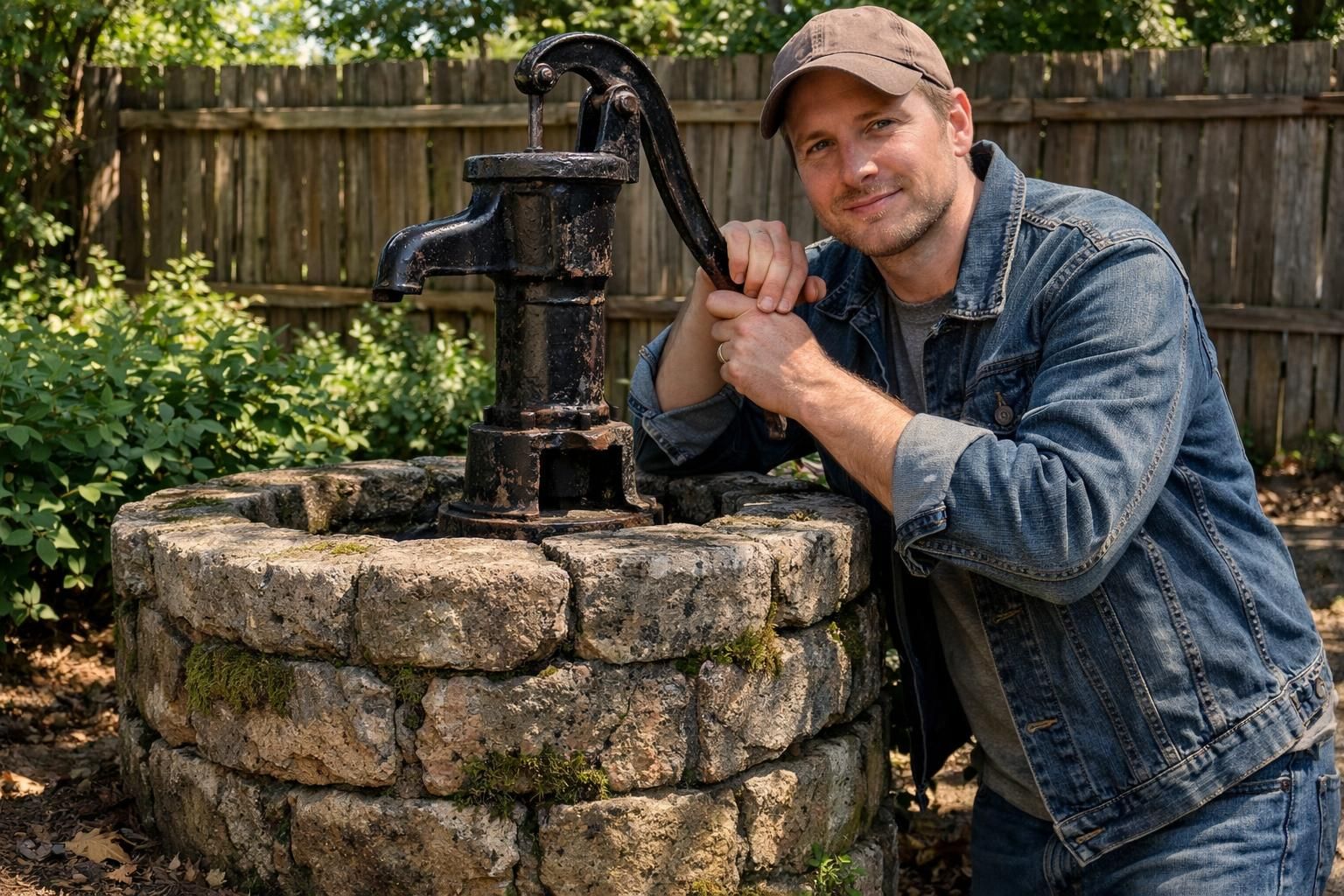
Many buyers look closely at private well systems and water quality before making an offer. Understanding how Washington's groundwater regulations, your well's flow rate, and local county requirements affect your sale helps you avoid costly surprises.
Difference between private wells and municipal water
Private wells pull groundwater from beneath your property, while municipal water comes from a city-managed supply. With a private well, you manage everything—well maintenance, pressure tanks, flow rate, and annual water testing.
Municipal water carries monthly bills between $50 and $150 but follows strict EPA and Washington State Department of Health (DOH) standards; the local authority handles regular testing and repairs. Connecting to municipal systems costs roughly $2,000 to $8,000 upfront in most Washington communities.
Drilled wells can cost more initially—between $8,000 and $15,000—but often eliminate monthly water bills entirely. In rural areas of Eastern Washington, Kitsap Peninsula, and Island County, private wells are common because public utility connections simply are not available. 1
Prevalence of wells in Washington State
Washington has hundreds of thousands of registered private wells, with rural counties like Stevens, Ferry, Okanogan, and Whatcom showing the highest concentrations. Many properties in areas surrounding Spokane and Olympia rely on private wells because public water service does not extend to their lots.
Washington Department of Ecology and the DOH both maintain oversight of private well construction and water quality standards. As a homeowner with a private well, you are responsible for annual testing and system upkeep under state guidance.
Why buyers and lenders scrutinize well systems
Lenders and buyers pay close attention to private well systems because water quality affects both safety and financing. 4 Mortgage companies using FHA and VA programs require proof that your well delivers safe, potable drinking water free from bacteria, nitrates, lead, and arsenic. Loan approval can fall through without this documentation.
Washington State also requires sellers to disclose known water quality problems and system condition on the statutory Form 17 disclosure. Water problems such as low flow rate or outdated pressure tanks can scare off buyers or reduce your property value, and insurance providers want clear test results before offering coverage.
Required Well Testing and Inspections
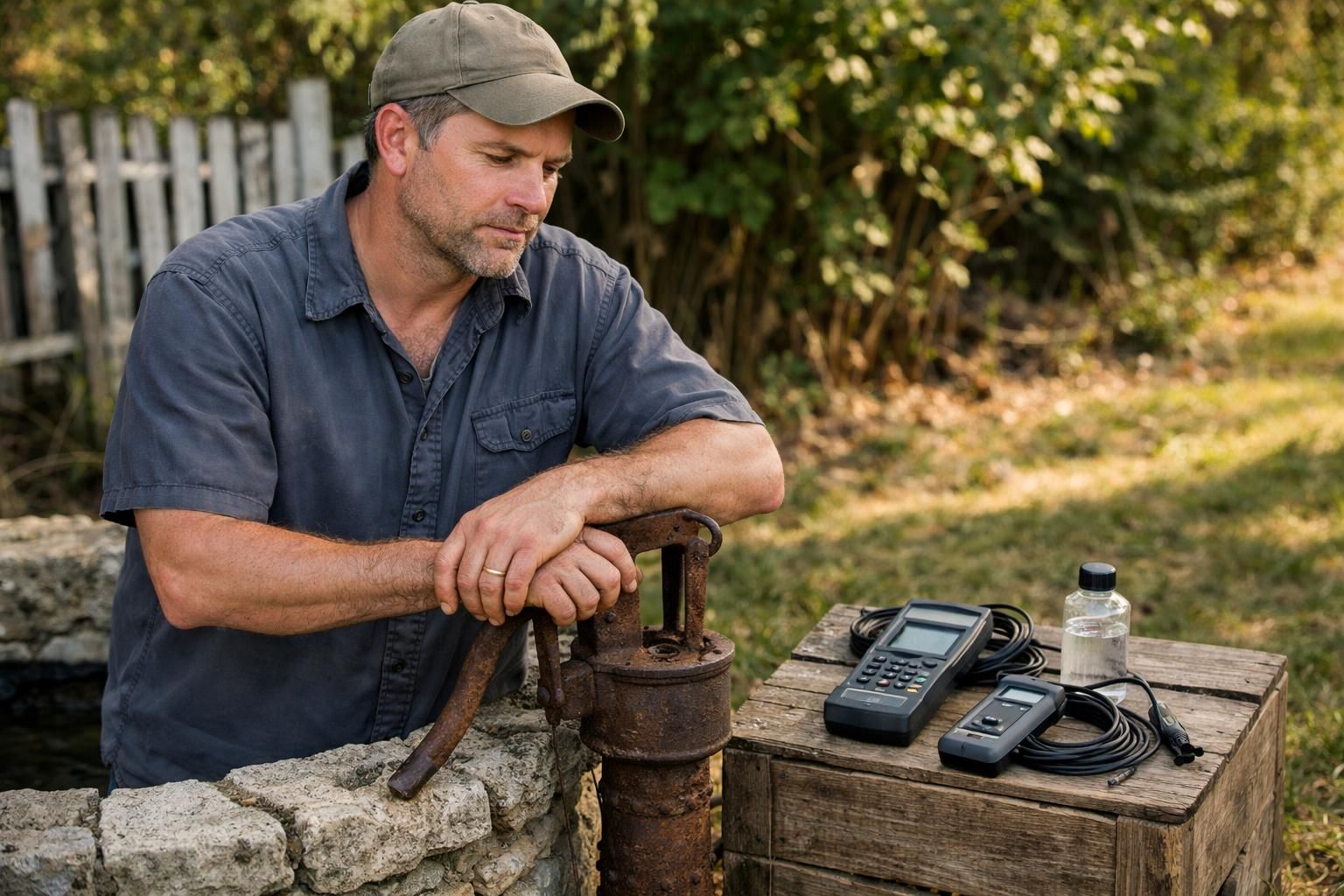
Every lender asks for well inspection reports to confirm water quality and safety. A certified specialist using a state-approved lab can spot common issues with your private well before you list.
Common tests: bacteria, nitrates, lead, arsenic
Selling a home with a private well in Washington means taking water testing seriously. Buyers, lenders, and inspectors will insist on proof that your water meets state and federal safety standards.
- Test for coliform bacteria and E. coli. The Washington DOH recommends annual testing for private well owners, and these are the most common safety concerns flagged during home sales.
- Test for nitrates, especially if the property sits near agricultural land or has a septic system nearby. High nitrate levels threaten health for infants and pregnant women.
- Check for lead contamination. Older plumbing components connected to well systems may introduce lead into the water supply.
- Screen for arsenic. Naturally occurring arsenic is a known concern in certain Washington geologic formations, particularly in parts of Eastern Washington.
- FHA and VA lenders require documented proof that tests meet EPA drinking water standards before approving financing.
- Use a Washington DOH-certified laboratory so results are accepted during the home inspection and financing process.
- Plan for test costs between $100 and $400 depending on the number of contaminants screened.
Who pays for tests and typical costs
In Washington real estate transactions, sellers often cover initial well water testing costs, though buyers may order their own tests during the inspection period. Your agent can help negotiate these responsibilities during contract negotiations.
Basic bacteria tests typically cost $25 to $75 at a DOH-certified lab. Full panels screening for nitrates, arsenic, and lead run from $150 to over $400. 6 Professional well inspections generally run between $300 and $600.
Clarifying who pays upfront saves financial surprises. Many Washington sellers share lab reports with buyers as part of the disclosure process; this transparency speeds negotiations when lenders require strict proof of water quality. 7
Timing of testing during the inspection period
Washington sellers often order well water testing before listing to avoid surprises during the buyer's inspection period. Buyers typically request their own water tests after mutual acceptance of an offer.
Expect buyer-ordered test results to take 7 to 10 days after samples are collected. Full review of well system and water quality documentation can add two to four weeks to a transaction timeline. Washington purchase and sale agreements commonly include contingencies tied to well and water quality approval, so plan for this extra time if your home uses an older system or has a combined well and septic setup.
Disclosure Requirements for Selling a Home with Well Water in Washington

Washington law requires sellers to share detailed information about their water source and system condition—learn how these obligations affect your home sale.
Washington's Seller Disclosure Act obligations
Washington's Seller Disclosure Act (RCW 64.06) requires you to complete Form 17 before closing. This form includes direct questions about your water source—whether it is a private well, shared well, or public system—and requires disclosure of any known water quality problems, contamination history, or system defects.
You must disclose the well's age, type, maintenance history, and any known issues with flow rate or water quality. Failing to disclose known problems can expose you to legal liability after closing under Washington law. If your property includes a septic system connected to the well area, you must disclose that condition as well.
Washington also requires sellers to disclose whether the well is shared with neighboring properties and whether any water rights agreements are in place. Providing accurate records builds trust during inspections and protects you throughout the transaction.
Importance of sharing system age, maintenance history, and water quality
Buyers in Washington want to know the well's depth, age, and any past repairs. Share installation records, pressure tank service logs, and any water treatment system documentation.
Provide recent water quality test results showing levels of bacteria, nitrates, lead, or arsenic, along with the flow rate in gallons per minute from your most recent inspection. Include average annual maintenance costs and list improvements such as new filtration systems or upgraded well caps.
This transparency makes it easier for buyers to secure FHA or VA financing that requires detailed well documentation and gives buyers confidence in your system's reliability.
Common Well Problems That Can Impact Home Sales
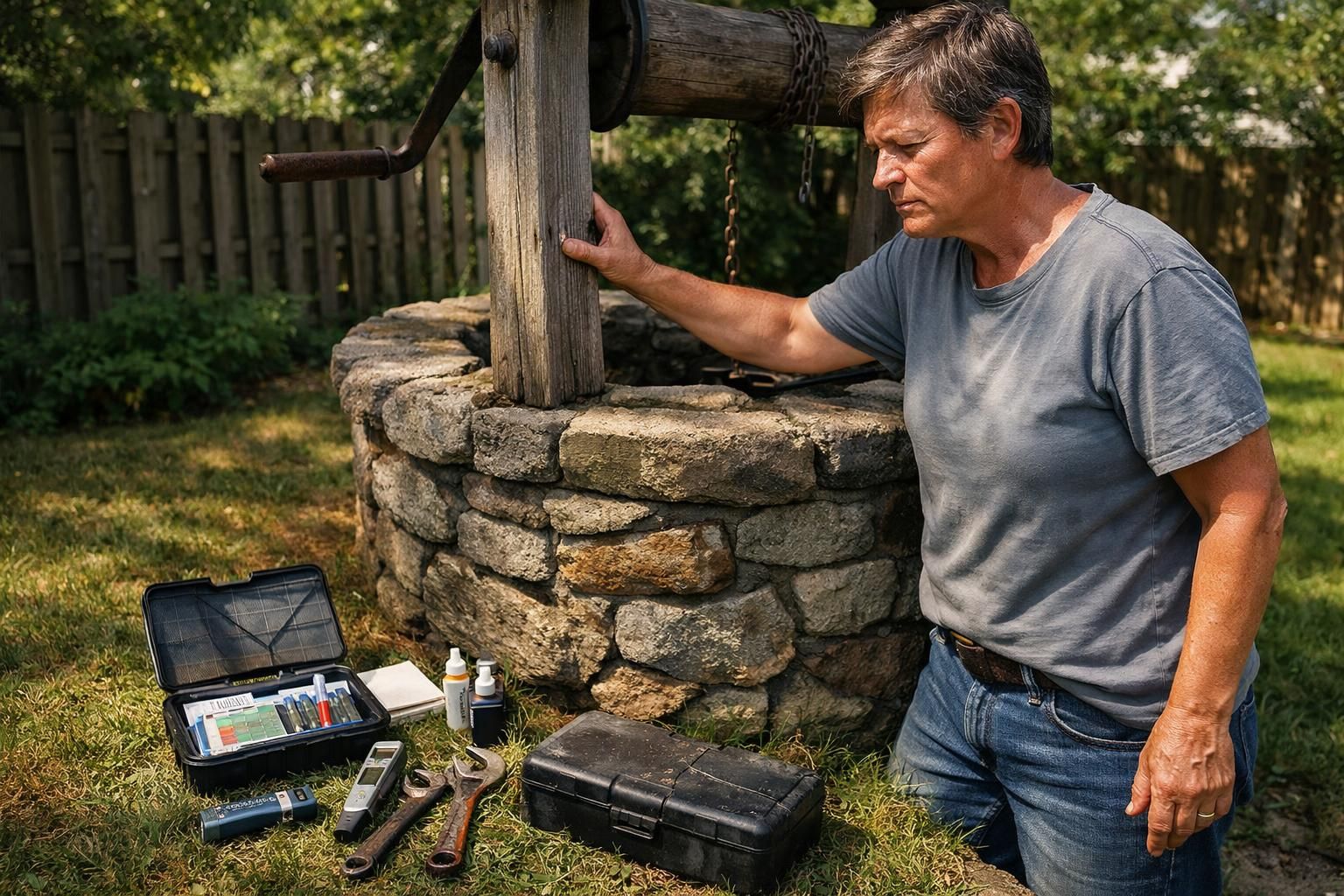
Dry wells, low flow rates, contamination, and outdated equipment
- Dry wells leave households without a reliable water source. If your well cannot supply enough gallons per minute, you will see low pressure and trouble meeting buyer and lender requirements. Most lenders want at least 5 GPM for conventional loans and 3 GPM for FHA financing.
- Low flow rates often trace back to shallow wells, clogged pumps, or worn pressure tanks. During dry summer months in Eastern Washington, seasonal low flow is a known issue that buyers and their lenders will flag.
- Contamination risks in Washington include bacteria, nitrates from agricultural runoff, arsenic in certain Eastern Washington geological formations, and iron or manganese common in some Puget Sound area groundwater.
- Outdated equipment such as aging pumps and failing pressure tanks reduce flow rate and threaten water quality. Most submersible pumps last 10 to 15 years; older well caps may let surface debris enter the system.
- Lenders may require repairs or filtration systems if tests show poor water quality or system failure. Certified lab testing costs range from $100 to $500 depending on the panel.
Effects on buyer financing and negotiations
FHA and VA lenders require your well water to meet EPA standards and deliver a steady flow rate. If your private well cannot provide at least 3 to 5 gallons per minute or shows contamination, buyers may struggle to get financing approved. 9
Buyers will often ask you to install a water filtration system or repair old equipment before closing. Some seek price reductions if tests find bacteria, nitrates, lead, or arsenic above safe levels. Properties with older wells or low flow rates limit buyer loan options, and expect more repair requests compared to homes connected to municipal water. 8
How to Prepare Your Well for Sale in Washington

Test water early and gather maintenance records
- Schedule water testing before listing, using a Washington DOH-certified laboratory. 10
- Test for bacteria, nitrates, lead, and arsenic—the contaminants most commonly flagged by lenders and inspectors. 11
- Keep copies of all recent water test results in one folder ready to share during the inspection process.
- Gather well logs, drilling records, and construction reports registered with Washington Department of Ecology.
- Collect service history for pressure tanks, pump repairs, and any water treatment systems installed.
- Include septic system records if applicable, since Washington buyers and lenders often review both systems together.
- Note the age of major components—well cap, pressure tank, pump—and any upgrades completed.
- Document the most recent measured flow rate in gallons per minute.
- Include receipts from licensed Washington well contractors who performed any system work.
Address obvious issues and document flow rate
- Service the well pump and inspect the pressure tank before listing. Replacing worn parts reduces buyer concerns and avoids a second inspection request.
- Check for sulfur odors or iron staining around fixtures—common issues in parts of Western Washington—and address them before showings.
- Keep the wellhead area clear of debris and vegetation for easy inspector access.
- Run a flow test before listing using gallons per minute as the standard measure. Most Washington lenders expect 4 to 5 GPM minimum for residential use.
- Repair any leaks in pipes or fittings connected to the well system; leaks cause low flow and reduce buyer confidence.
- Install a water filtration system if recent tests show arsenic or other contaminants above federal or Washington DOH guidelines.
- Document every repair, cleaning, and flow test result to share with buyers and appraisers during negotiations.
Financing Considerations for Buyers
FHA/VA loan requirements for well certifications
FHA and VA loans set strict standards for homes with private wells in Washington. Both programs require certified well inspections before closing to confirm the water meets EPA drinking water quality standards. Water testing must show safe levels for bacteria, nitrates, lead, and arsenic.
FHA rules call for a minimum flow rate of 3 gallons per minute; VA guidelines generally mirror these requirements. Arrange tests with a licensed Washington well professional during the inspection period. If results show poor water quality or low flow, repairs or additional treatment systems are required before buyers using government-backed financing can close.
Conventional loan guidelines and cash buyer advantages
Conventional lenders in Washington often require water testing before approving a loan for homes with private wells. You may need to show proof that your well meets their standards for water quality, and some lenders set specific limits on contaminant levels that can slow down or complicate the transaction.
Cash buyers offer clear advantages when selling a Washington home with well water. They do not rely on traditional financing, so there are no lender-required certifications or water quality upgrades to complete. Cash deals move quickly—many close in days rather than weeks—and cash buyers typically purchase homes as-is, meaning fewer negotiations around repairs or flow rate documentation.
Negotiating Repairs vs. Price Reductions
When to fix well issues vs. reduce the sale price
- Fix serious problems affecting health—bacteria, lead, or arsenic above safe limits—before listing. Washington buyers need these issues resolved to secure FHA or VA financing.
- Resolve flow rate shortfalls if your well does not meet lender minimums of 3 to 5 GPM. Low flow can stop a loan from closing entirely.
- Address failing pressure tanks or pumps early; buyers are wary of outdated equipment and may request large repair credits.
- Offer a price reduction if you cannot afford needed repairs, but expect buyers to negotiate further to account for their own repair risk.
- Share maintenance documentation and recent water test results during showings to build confidence and reduce negotiation friction.
- In competitive Western Washington markets like the Seattle metro or Bellevue area, minor issues may justify a small closing credit rather than costly pre-listing upgrades.
- Tackle easy fixes before listing since visible neglect reduces buyer trust and hurts offers.
Typical buyer requests and setting realistic expectations
Most Washington buyers request proof of recent water testing before moving ahead. Expect them to order separate tests for bacteria, nitrates, lead, and arsenic. If your private well does not meet safety standards, buyers may ask you to install treatment systems or offer credits at closing.
Buyers also want documentation on system age, flow rate records, and pressure tank condition. Offering a home warranty covering major well components can ease concerns about older equipment. Setting realistic expectations helps you avoid drawn-out negotiations while staying firm on price when your water quality meets current standards and maintenance records are solid.
Conclusion
Selling a home with well water is manageable with preparation
With some planning, Washington homeowners can handle selling a property with a private well. Well-maintained systems with clear records—including Washington DOH-certified test results and Department of Ecology well logs—often sell just as easily as homes on city water, especially in rural areas east of the Cascades or on the Olympic Peninsula.
Buyers want proof of good water quality and reliable flow rate, but most concerns fade when you show current test results and solid maintenance history. Washington real estate agents familiar with well properties can guide you through Form 17 disclosure requirements and help you gather the documentation lenders need.
Cash buyers can simplify the process by purchasing homes as-is
Cash buyers often close deals fast and buy homes in their current condition. You do not need to worry about fixing well water issues, updating a pressure tank, or bringing your private well up to strict FHA or VA standards before closing. This approach can save time and help you avoid costly repairs before your home inspection. 13
You also skip many traditional fees by selling to a cash buyer. These buyers remove delays linked to water testing requirements, septic system reviews, and flow rate documentation required by government-backed loans. If you prefer a smoother sale without out-of-pocket repair costs or stress over outdated equipment, selling as-is can offer real relief.
If you are ready to sell your Washington home with a private well and want to skip the lender requirements entirely, KDS Homebuyers purchases homes directly for cash in any condition. Visit kdshomebuyers.net to request your free, no-obligation cash offer today.
FAQs
1. What do buyers check about well water before buying a house in Washington?
Buyers ask for recent DOH-certified water test results and well maintenance records. They want to know the well's age, depth, water quality, and whether pressure tanks and pumps are in working order. Washington's Form 17 disclosure also prompts questions about shared wells and any known contamination history.
2. How important is a well inspection during a Washington home sale?
A thorough well inspection is essential. It checks the physical condition of the system, tests for safe drinking water standards, examines pressure tanks, and confirms consistent flow rate—all of which affect financing approval and buyer confidence.
3. What are common water quality concerns with private wells in Washington?
Common concerns include coliform bacteria, nitrates from agricultural areas in Eastern Washington, arsenic in certain geological formations, and iron or manganese in some Puget Sound area wells. Regular DOH-certified testing addresses these issues early in the sale process.
4. How can Washington sellers prepare their home with a private well for sale?
Schedule a professional well inspection, gather all maintenance records and well logs registered with the Department of Ecology, run a current flow test, and complete your Form 17 disclosure accurately. Sharing clear records with buyers and their lenders builds trust and speeds the transaction.
References
- ^ https://www.wraggbrothers.com/private-well-vs-municipal-water-complete-comparison
- ^ https://pmc.ncbi.nlm.nih.gov/articles/PMC10985836/
- ^ https://www.usgs.gov/mission-areas/water-resources/science/domestic-private-supply-wells
- ^ https://etrlabs.com/well-water-testing-for-real-estate-transactions-why-its-a-must-before-buying-or-selling/?srsltid=AfmBOoq0r714WP9VStGPeftcwxq2WRgEBT061epju9yEvf8dgDERAa5_
- ^ https://pmc.ncbi.nlm.nih.gov/articles/PMC5662198/
- ^ https://etrlabs.com/well-water-testing-for-real-estate-transactions-why-its-a-must-before-buying-or-selling/?srsltid=AfmBOoq7JhAbvRr1pWb5Zz1xiFmwPpltbL0EUG2PSPwzauEGYWuDaB6l
- ^ https://pmc.ncbi.nlm.nih.gov/articles/PMC3001807/
- ^ https://pmc.ncbi.nlm.nih.gov/articles/PMC7527252/
- ^ https://www.epa.gov/sites/default/files/2014-12/documents/to_sell_or_not_to_sell.pdf
- ^ https://www.watersystemscouncil.org/download/wellcare_information_sheets/For%20Real%20Estate%20Professionals/REP-Buying-Selling-with-a-Well.pdf
- ^ https://www.redfin.com/blog/how-to-sell-house-with-well-water/
- ^ https://www.skillingsandsons.com/blog/flow-rate-selling-real-estate-with-a-water-well/
- ^ https://www.offthemrkt.com/lifestyle/how-cash-home-buyers-can-simplify-your-home-selling-process
