

How to Sell an Inherited House: Step-by-Step Guide in Washington
Selling inherited property in Washington State can feel overwhelming when you are facing probate court, ongoing property costs, and new financial responsibilities. Many heirs do not realize that inherited homes continue to accrue property taxes and maintenance expenses until the estate is fully settled. 1 This step-by-step guide explains how to handle Washington's probate process, assess market value, manage capital gains taxes, and choose the best selling option for your situation. 2
Key Takeaways
- Washington probate typically takes 6 to 12 months for straightforward estates, but complex cases—especially those involving disputes or real property in multiple counties—can stretch to two years or longer. Cash buyers may close within weeks after probate ends; traditional listings often take eight months or more from start to finish.
- The IRS uses a stepped-up basis for inherited property. Your cost basis resets to the home's fair market value on the date of death, not the original purchase price. Selling soon after inheriting can greatly reduce or eliminate capital gains taxes.
- Washington does not have a state income tax, but it does impose a real estate excise tax (REET) on property sales—typically paid by the seller. Rates are tiered based on sale price. Estates above the Washington estate tax threshold (currently $2.193 million as of 2024) also owe state estate tax.
- Gather essential documents before selling: deed, will or trust, two years of tax records, death certificate, Letters Testamentary, mortgage statements, and a property appraisal. Having these ready prevents delays in King, Pierce, Snohomish, or any other county's probate court.
- All debts—mortgages, liens, and property taxes—must be satisfied before heirs receive sale proceeds. Order a title search and obtain payoff letters early to avoid last-minute surprises.
Understanding Your Situation

Handling inherited property in Washington comes with state-specific rules and decisions. Understanding Washington's probate laws and estate tax structure helps you move forward with confidence.
Overview of Washington probate basics
Probate in Washington is governed by the Washington Probate Act (Title 11 RCW). When a valid will exists, the Superior Court in the county where the deceased lived—such as King County Superior Court in Seattle or Pierce County Superior Court in Tacoma—oversees estate administration and the transfer of property to heirs. Without a will, Washington's intestacy laws determine who receives assets like real estate.
The court appoints a personal representative (Washington's term for executor) to pay debts, file tax returns, and distribute real property. Washington allows "nonintervention" administration in many cases, which gives the personal representative broad authority to act without court approval for each step—often speeding up the process significantly compared to states with more restrictive probate rules.
Some assets skip probate entirely if held in joint tenancy with right of survivorship, a revocable living trust, or through a community property agreement. Washington is a community property state, which affects how marital assets are classified and transferred. Small estates may qualify for simplified procedures under Washington's small estate affidavit process if the gross estate value falls below a certain threshold.
Identifying mortgages, liens, or tax issues
Identifying financial encumbrances early prevents costly delays when selling inherited property in Washington.
- Review the mortgage statement to confirm whether the home carries an active mortgage or reverse mortgage. Lenders require payoff before ownership can transfer.
- Contact the lender promptly after the owner's death to request a payoff amount. Reverse mortgages must typically be settled within six months of the owner's passing to avoid foreclosure.
- Search county records—available through the county assessor and recorder's office—for liens, judgments, or unpaid HOA dues. In the Seattle metro area, unpaid contractor liens and HOA assessments are especially common on older properties.
- Order a title search through a Washington-licensed title company to uncover hidden claims. Title issues are a leading cause of closing delays statewide.
- Check property tax records with the county assessor. Washington property taxes are paid in two installments (April 30 and October 31), and delinquent taxes accrue interest and penalties quickly.
- Determine whether the estate owes Washington state estate tax. Washington's estate tax exemption is $2.193 million (2024), with rates ranging from 10% to 20% above that threshold—one of the lowest exemptions in the country.
- Confirm federal estate tax obligations. The federal exemption is $13.61 million per individual in 2024, so most estates will not owe federal estate tax.
- Consult a Washington estate attorney or CPA experienced in real estate taxation to identify all debts and tax obligations before listing the property.
- Gather deeds, wills, loan statements, tax returns, and insurance policies. These documents prove ownership and clarify which financial issues need resolution before closing.
Managing multiple heirs and decision-making
When multiple heirs inherit Washington real estate, all must agree before a sale can proceed. If one heir wishes to keep the home, that person may buy out the others based on current fair market value. Disagreements can result in a partition action filed in Washington Superior Court, potentially forcing a court-ordered sale. 1
Family meetings and open communication help resolve disputes early. Washington estate attorneys and professional mediators can facilitate negotiations if conflicts arise. Remember that Washington's community property laws may also affect how a surviving spouse's share is calculated before any distribution to other heirs. Each heir is individually responsible for capital gains taxes on their share of the proceeds based on their pro-rata portion of the stepped-up basis. 2
Checklist of essential documents
Washington's probate courts and title companies require a specific set of documents before a sale can close.
- Deed: Obtain the current recorded deed from the county recorder's office to establish legal ownership.
- Will: Secure the most recent will; it must be filed with the Superior Court in the county where the decedent resided.
- Tax Records: Collect county property tax statements for at least the past two years to identify any outstanding balances.
- Death Certificate: Present a certified copy—title companies, lenders, and Washington's Department of Revenue require it.
- Letters Testamentary or Letters of Administration: Issued by the Superior Court, these grant the personal representative authority to act on behalf of the estate.
- Community Property Agreement (if applicable): Washington couples sometimes use these agreements to transfer property automatically to the surviving spouse outside of probate.
- Schedule A from Form 8971: Use this IRS form for stepped-up basis reporting when required by federal law.
- Receipts for Repairs or Improvements: These may increase your cost basis and reduce capital gains tax exposure.
- Mortgage Statement: Confirm current loan balances, including any home equity lines or liens.
- Homeowners Insurance: Confirm active coverage; insurers may treat vacant inherited property differently and require a vacancy endorsement.
- Property Appraisal Report: A date-of-death appraisal establishes your stepped-up basis and supports Washington estate tax filings.
- Title Insurance Policy: Locate the existing policy to help resolve any ownership questions at closing.
- Trust Documents: Include copies of any revocable or irrevocable trusts naming beneficiaries.
- Washington Estate Tax Return (Form ET-706): Required if the gross estate exceeds Washington's $2.193 million exemption; must be filed within nine months of the date of death.
Always consult a Washington-licensed estate attorney or CPA for guidance on local rules, state estate tax obligations, and any county-specific filing requirements.
Legal & Financial Considerations

Washington has several state-specific tax rules that directly affect the net proceeds from selling inherited property. Understanding these before listing can protect your bottom line.
Understanding the stepped-up basis for taxes
The stepped-up basis significantly reduces tax exposure when selling inherited property. The IRS resets your cost basis to the property's fair market value on the date of death—not what the original owner paid. For example, if a parent bought a Seattle home for $150,000 and it was worth $800,000 at their passing, your starting basis becomes $800,000. Selling close to the date of inheritance often results in little or no capital gains taxes.
Long-term capital gains on inherited homes are taxed at 0%, 15%, or 20% federally depending on your income level. Washington does not have a traditional state income tax, but as of 2023, Washington imposes a 7% capital gains tax on long-term gains exceeding $262,000 (adjusted annually for inflation). However, the sale of real estate is currently exempt from Washington's capital gains tax—only certain financial assets like stocks and bonds are subject to it. Always confirm current rules with a Washington CPA, as tax law can change.
If you live in an inherited primary residence for two of the five years before selling, you may still exclude up to $250,000 (single) or $500,000 (married filing jointly) of gain under federal rules. IRS Notice 2016-27 warns against reporting a basis higher than the figure used for estate tax purposes.
Washington's real estate excise tax (REET)
Washington imposes a real estate excise tax on the sale of real property. The tax is tiered based on the selling price:
- 1.1% on the portion of the sale price up to $525,000
- 1.28% on the portion between $525,000 and $1.525 million
- 2.75% on the portion between $1.525 million and $3.025 million
- 3.0% on any portion above $3.025 million
REET is typically paid by the seller at closing and must be submitted to the county treasurer before the deed can be recorded. Given median home prices in the Seattle and Bellevue areas, most inherited property sales will fall into at least the second tier. Factor REET into your net proceeds calculation when comparing selling options.
Addressing property taxes, insurance, and maintenance costs
Ongoing holding costs can erode your net proceeds if the estate takes months to settle.
- Washington property taxes are assessed by each county and paid in two installments—April 30 and October 31. Delinquent taxes accrue 12% annual interest plus penalties. Contact the county treasurer immediately if payments are behind. 3
- Homeowners insurance typically costs $1,500 to $2,500 annually. If the home is vacant, notify the insurer—many standard policies limit coverage after 30 to 60 days of vacancy and may require a separate vacancy endorsement.
- Utility costs continue even if the home is unoccupied. Budget several hundred dollars per month for electricity, water, and gas.
- Lawn care and exterior maintenance average $100 to $200 per month. Neglected properties in cities like Spokane or Tacoma may attract code enforcement notices.
- Some Washington municipalities impose additional fees or fines on vacant or blighted properties. Check with local code enforcement early.
- Track all holding costs with a spreadsheet or expense app. These costs reduce your taxable gain and should be documented carefully for your CPA.
Consulting estate attorneys and CPAs
A Washington estate attorney helps you navigate Title 11 RCW, confirms whether nonintervention administration applies, and ensures all heirs' rights are properly documented before a sale. 4 If disputes arise among heirs, an attorney can facilitate agreements or represent your interests in Superior Court.
A CPA familiar with Washington's estate tax structure—including the state's $2.193 million exemption and tiered rates—can calculate your true net proceeds after REET, federal capital gains taxes, and any state estate tax owed. Washington's estate tax return (Form ET-706) must be filed within nine months of the date of death. Penalties for late filing can be significant, especially for estates with real property in high-value markets like Seattle or Bellevue.
Settling debts before selling
Outstanding debts must be resolved before title can transfer cleanly in Washington.
- Review all mortgage statements, tax bills, and lien notices. Contact lenders promptly to confirm payoff amounts.
- Reverse mortgages typically require settlement within six months of the owner's death to avoid foreclosure proceedings.
- Order a title search through a Washington title company to uncover hidden liens, unpaid property taxes, contractor claims, or old judgments recorded with the county.
- Request payoff letters from each lien or judgment holder before listing. These clarify the exact amounts needed to clear encumbrances at closing.
- Use sale proceeds to satisfy secured debts—mortgages and tax liens—before distributing funds to heirs under Washington's probate distribution rules.
- Ensure all lien releases are recorded with the county auditor after payment so the buyer receives clear title.
Assessing the Property
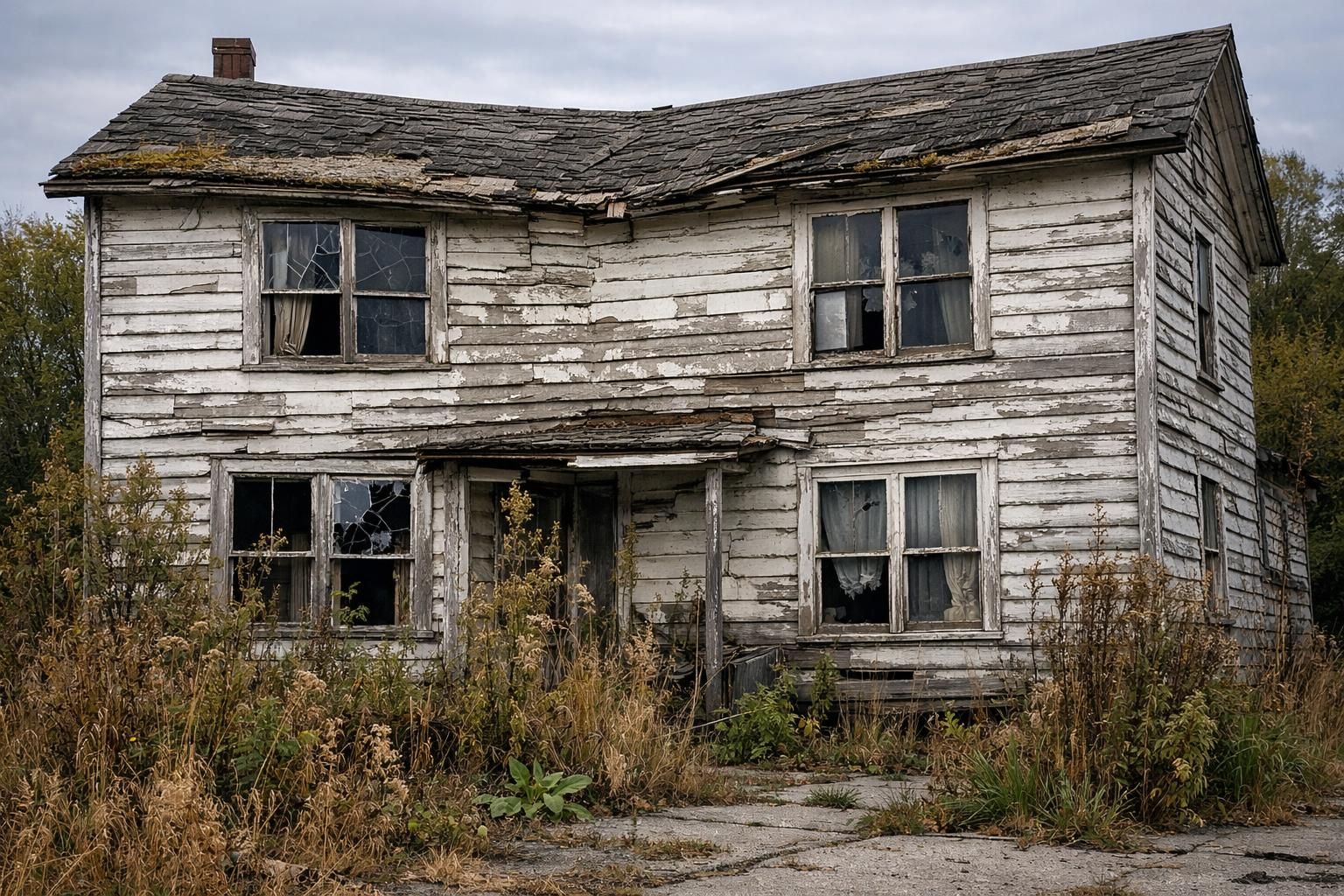
Start with a professional appraisal to establish fair market value. Bring in a qualified inspector to identify issues that could affect your selling options and net proceeds.
Evaluating the condition of the house
Hire a Washington state-licensed home inspector to produce a detailed condition report. In older neighborhoods across Tacoma, Spokane, and Seattle's south end, common issues include aging electrical panels, original plumbing, moisture intrusion, and deferred roof maintenance. Real estate professionals use inspection findings to estimate repair costs and calibrate fair market value. Homes needing more than $20,000 in repairs often attract cash buyers and investors rather than traditional buyers seeking move-in-ready properties.
Importance of inspections
A certified inspector can uncover hidden defects—faulty wiring, foundation issues, water damage, or asbestos in pre-1980 construction—that would not appear during a casual walk-through. Washington's seller disclosure requirements (RCW 64.06) obligate sellers to disclose known material defects, making a thorough pre-listing inspection especially important. Inspection findings shape your decision about repairs versus selling as-is and protect you from legal challenges after closing.
Deciding between repairs or selling as-is
Selling as-is provides fast access to cash and avoids the cost and stress of renovation. However, it typically yields a lower price. In competitive Western Washington markets—particularly in the Seattle-Tacoma corridor—move-in-ready homes command significant premiums. Permanent improvements not only increase sale price but also raise your cost basis, reducing taxable gain.
Consider the local market, the condition of the home, and your timeline before deciding. A comparative market analysis from a local agent, combined with contractor bids, will give you the data needed to make an informed choice.
Balancing emotional attachment with practical decisions
Inherited property often carries deep sentimental value alongside practical financial responsibilities. 5 Clearing out decades of belongings while navigating probate paperwork can feel overwhelming. Grief counseling resources are available throughout Washington, including through community organizations in Seattle, Olympia, and Spokane. 6 Creating a structured plan that separates emotional decisions from financial ones—supported by trusted professionals—helps you protect both your family's memories and your financial interests.
Your Selling Options

Washington homeowners have three primary paths for selling inherited property. Each carries different tax implications, timelines, and responsibilities under state law.
Traditional listing with a realtor: pros and cons
| Pros | Cons |
|---|---|
|
|
Selling to a cash buyer: pros and cons
| Pros | Cons |
|---|---|
|
|
Keeping the property as a rental: responsibilities and implications
Washington has detailed landlord-tenant laws under the Residential Landlord-Tenant Act (RCW 59.18) that all rental property owners must follow, including required notice periods, security deposit handling rules, and habitability standards. 7
| Responsibility/Implication | Details & Facts | Tools & Concepts |
|---|---|---|
| Income Potential |
|
|
| Ongoing Costs |
|
|
| Legal Responsibilities |
|
|
| Management Challenges |
|
|
| Financial Planning |
|
|
Preparing to Sell

A comparative market analysis from a Washington real estate agent helps you set a competitive listing price. Clearing personal belongings before listing makes the home easier for buyers to envision as their own.
Clearing out personal belongings and furniture
- Estate sale companies can liquidate household contents but typically charge 30% to 40% commission on total sales.
- Donating items to Washington-based nonprofits and charities allows you to claim itemized tax deductions if you document values and obtain proper receipts.
- Keep all receipts for moving, cleaning, and disposal—these costs reduce your taxable gain when calculating the stepped-up basis at sale time.
- Junk removal services operating throughout Washington can provide rapid cleanout if timing is critical.
- Maintain utilities during the clearing process so inspectors can safely assess the property and future showings can proceed without issue.
- Use digital inventories or professional appraisers for antiques or unusual assets; accurate documentation supports asset protection within the estate administration timeline.
Managing utilities and maintenance
- Keep all utility accounts active and paid to prevent service shutoffs that could damage the property.
- Maintain homeowners insurance coverage, averaging $1,500 to $2,500 per year. If the home sits vacant, obtain a vacancy endorsement to preserve full coverage. 9
- Pay Washington property taxes on schedule—April 30 and October 31 installments—to avoid liens and penalties that can delay the estate settlement.
- Handle lawn care and exterior maintenance regularly. Budget $100 to $200 per month. Neglected properties in Washington municipalities may generate code enforcement complaints.
- Install timers on lights or smart security cameras if the home is empty. This deters vandalism and allows remote monitoring for out-of-state heirs.
- Track all holding costs from day one—these expenses reduce taxable gain and help you accurately calculate net proceeds.
Deciding on repairs versus selling as-is
Get detailed bids from Washington state-licensed contractors before committing to renovations. 10 If significant defects exist, selling as-is may be more practical—but in strong Western Washington markets, move-in-ready homes can command premiums that justify targeted repairs. Permanent improvements increase your cost basis under stepped-up basis rules, which reduces capital gains exposure. A comparative market analysis will clarify which approach maximizes your net proceeds after REET, commissions, and any applicable taxes. 10
Getting a comparative market analysis
Ask a Washington real estate agent for a comparative market analysis (CMA) based on recent sales of similar homes in your specific county or neighborhood. Market conditions vary significantly between Seattle's urban core, Spokane's East Side neighborhoods, and rural Eastern Washington communities. A CMA is not a formal appraisal, but it provides valuable context for pricing. For establishing your stepped-up basis for tax purposes, use a certified date-of-death appraisal from a Washington-licensed appraiser.
Timeline & Process
Selling an inherited house in Washington involves coordinating probate court timelines, county recording requirements, and state tax deadlines. Knowing each step helps you plan and minimize holding costs.
Typical selling timeline from listing to closing
- Washington probate typically runs 6 to 9 months for simple estates under nonintervention administration; contested or complex estates can take 18 to 24 months in Superior Court.
- Listing with a real estate agent generally adds 8 to 12 months from start to finish after probate concludes.
- Cash buyers can close in as little as one to three weeks after probate ends, significantly reducing ongoing property tax and insurance expenses.
- Preparing documents—deed, Letters Testamentary, tax records, mortgage payoff letters—early prevents delays at the county auditor and title company.
- Home inspections and appraisals typically take one to two additional weeks and directly influence pricing and negotiations.
- Clearing personal belongings and completing any agreed repairs may take several days to several weeks depending on the home's size and condition.
- Once an offer is accepted, traditional closing procedures—title search, REET calculation and payment, lender underwriting (if applicable)—take 30 to 60 days.
- Proceeds distribution occurs after all debts, REET,
