

Selling a Vacant House: Risks, Costs, and Smart Options in Colorado
Selling a vacant house in Colorado comes with real stress, uncertainty, and financial risk. A vacant property is three times more likely to be burglarized than an occupied one. 2 This guide explains what Colorado homeowners need to watch out for and shares smart selling options that can protect your investment and peace of mind.
Key Takeaways
- Vacant houses are three times more likely to be burglarized and face a 35% greater chance of vandalism compared to occupied homes. 2
- Insurance for vacant properties often costs 50% to 100% more, and most standard homeowners policies will not cover damage after the home is empty for 30–60 days.
- Colorado's harsh winters make frozen pipes a serious threat—repairs typically run $5,000–$15,000. Mold remediation can add another $500 to $6,000.
- Ongoing expenses including utilities, property taxes, HOA fees, mortgage payments, lawn care ($50–$1,000/month), and municipal code violation fines drain equity while your home sits on the market.
- Selling options include traditional sales with staging, listing as-is to cash buyers or investors, or rent-to-own arrangements. Each carries different timelines, costs, and effort levels.
Common Reasons Colorado Homes Become Vacant
Life changes can leave a house empty and vulnerable. In Colorado, vacancy often follows inheriting a property—especially when heirs live out of state or family members disagree about whether to keep or sell. 1 Job relocation is another major driver, particularly in fast-growing corridors like Denver and Colorado Springs, where people sometimes move quickly and leave homes behind.
Divorce frequently leads to temporary vacancies as couples sort out property settlements. Financial hardship—whether from job loss or an inability to keep up with mortgage payments and Colorado property taxes—can cause homeowners to walk away. Aging loved ones who transition to memory care or assisted living facilities also leave homes unoccupied, sometimes for extended periods as families navigate Colorado's probate process.
Each situation carries its own emotional weight and immediate practical risks that affect your property's curb appeal, market value, and equity over time.
The Emotional Toll of Managing a Vacant Property
Caring for an empty house feels overwhelming, especially when it involves a family home or the estate of a loved one. Family disagreements over what to do with inherited property can stall decisions for months. Managing maintenance from afar—common for Colorado homeowners who relocated for work—adds another layer of stress. Worry about code violations, neighborhood decline, or squatters can weigh heavily while you're still grieving or adjusting to a major life change. Knowing you're not alone in this situation may help as you explore your options.
What Defines a Vacant vs. Unoccupied Home?
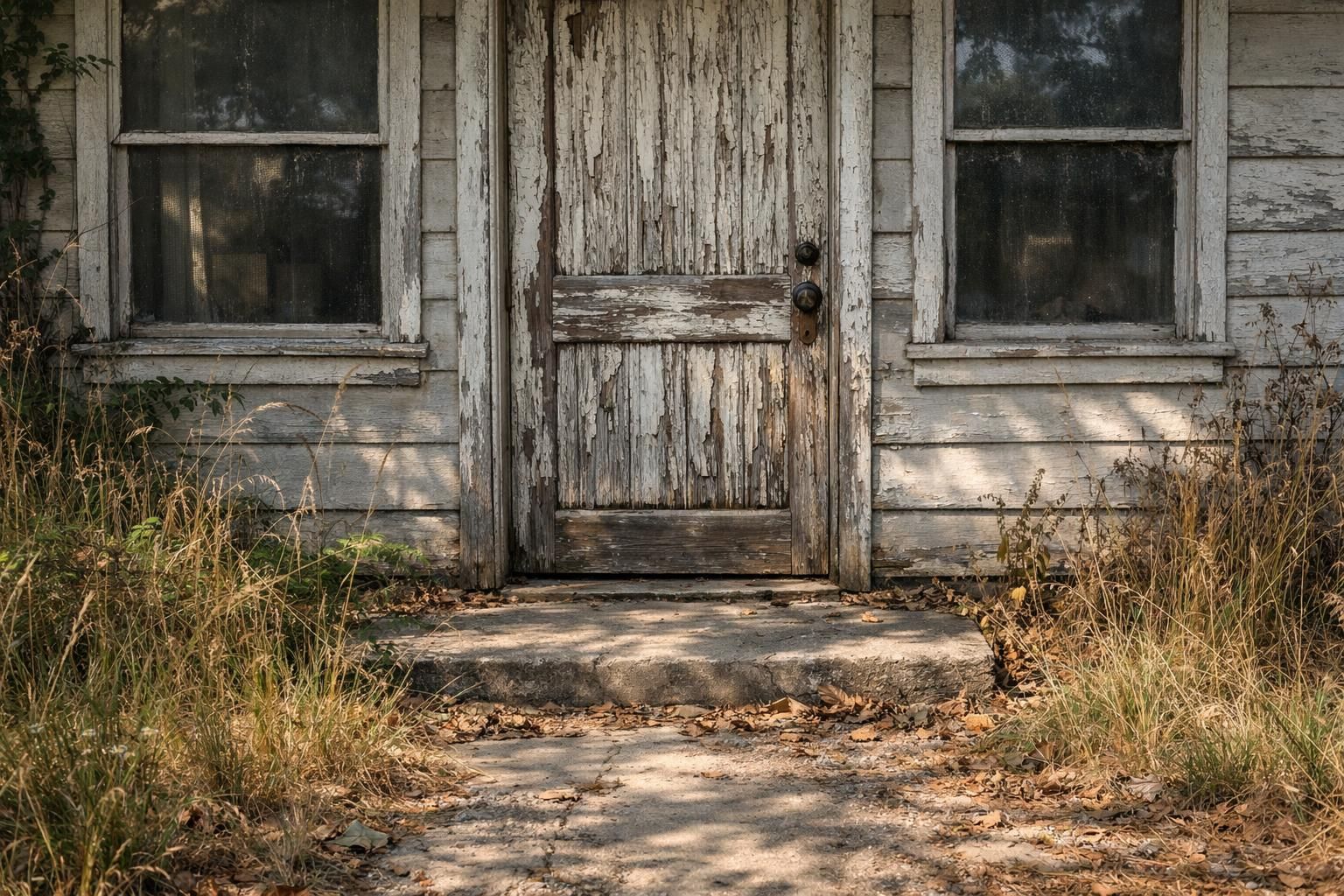
A vacant house stands empty with no personal items or regular visits. An unoccupied home may simply be between tenants or owners but still shows signs of activity. This distinction matters significantly for insurance coverage and legal liability in Colorado.
Why the Distinction Matters for Insurance and Liability
Most insurance companies define a home as vacant once no one has lived there for more than 30 consecutive days. After 30–60 days of vacancy, standard homeowners insurance policies typically stop covering damage from water leaks, break-ins, or vandalism.
Liability exposure also increases. Under Colorado premises liability law, property owners can be held responsible for injuries on their land—including injuries to trespassers in some circumstances. If children are injured on an empty property, the attractive nuisance doctrine may apply. Specialty vacant home insurance often costs 50–100% more than standard coverage but provides the protection you need while selling.
Major Risks of Vacant Properties in Colorado
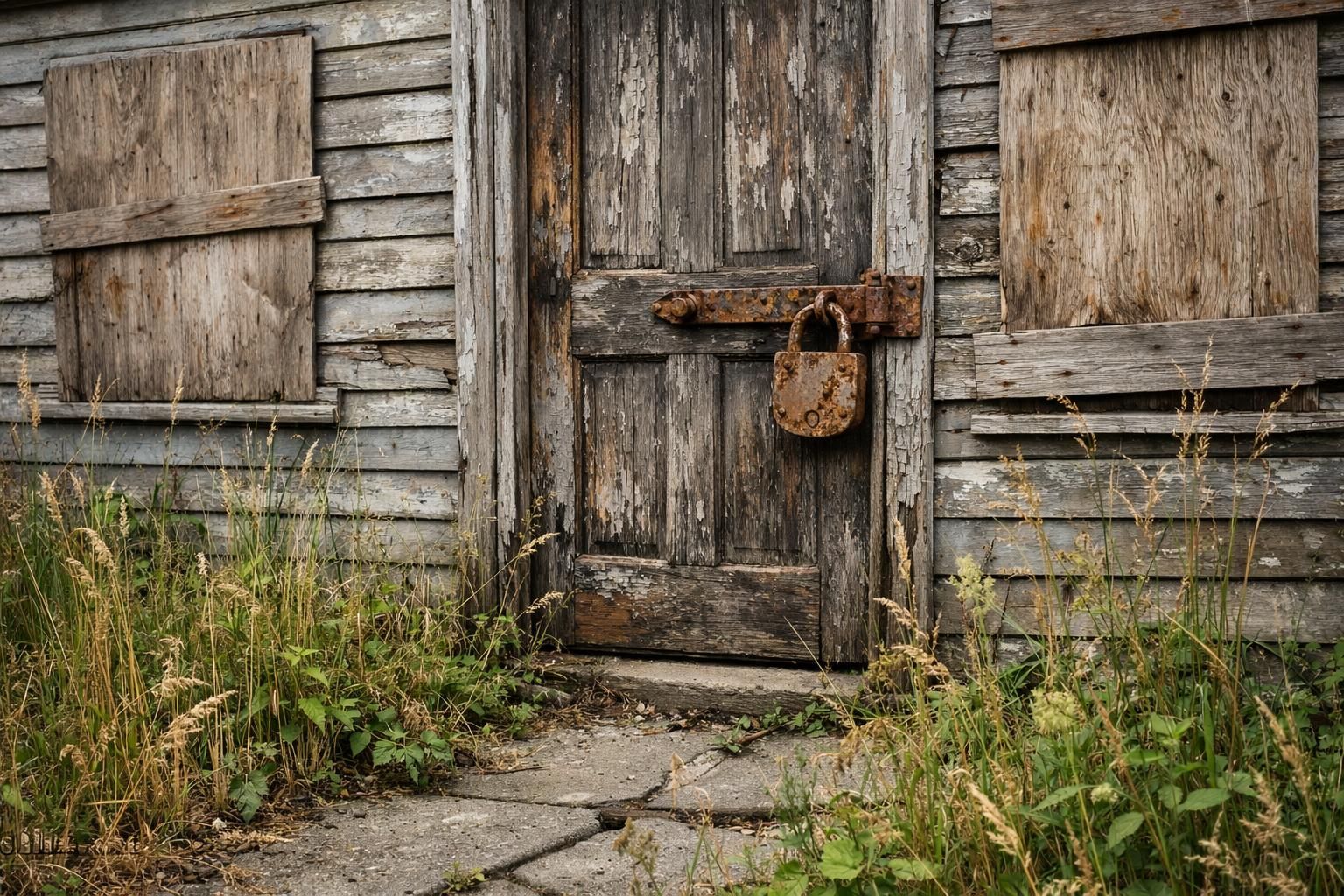
Colorado's climate and legal environment create specific risks for vacant properties that go beyond what homeowners in milder states face.
Break-ins, Vandalism, and Squatters
Your empty house is three times more likely to be burglarized and faces a 35% greater chance of vandalism. Thieves target vacant properties for copper pipes and appliances. Vandals can cause thousands in damage that lowers curb appeal for potential buyers.
Squatters present a particular challenge under Colorado law. Removing unauthorized occupants can take weeks or longer depending on the specific circumstances and whether the individual claims any legal right to occupy the property. Colorado's adverse possession laws require continuous, open occupancy for 18 years to establish a claim—but even short-term squatters can cause costly damage and delays.
Reinforced doors, timer lights, smart locks, and camera monitoring systems help protect your property. Notifying neighbors and local law enforcement that a property is vacant also reduces risk during the selling process.
Weather Damage, Frozen Pipes, and Mold Growth
Colorado winters are particularly brutal on empty homes. Denver and the Front Range regularly see overnight temperatures drop well below freezing, and mountain properties can sit in subfreezing conditions for weeks. A burst pipe can release more than 400 gallons of water per hour, with repair costs typically ranging from $5,000 to $15,000. In severe cases, damage can exceed $50,000 if it goes undetected.
Insurance companies typically require the thermostat to be set at a minimum of 50–55°F and mandate regular inspections to keep coverage active on a vacant Colorado property.
Mold can appear within 24 to 48 hours of moisture exposure. Professional remediation averages $500 to $6,000 depending on severity. Regular snow removal is also essential—Colorado's heavy snowfall can stress roofs and create structural issues that compound repair costs.
Pest Infestations and Code Violations
Vacant properties across Colorado, from Aurora to Lakewood, are vulnerable to rodent and insect infestations, particularly in homes where debris has accumulated. Pest damage to wiring, insulation, and walls can be costly and can deter buyers.
Colorado municipalities actively enforce property maintenance codes. Overgrown lawns, accumulated debris, or unsecured structures can trigger fines of $50 to $250 per incident per week until corrected. Denver and Colorado Springs have active code enforcement programs that track violations in public records—violations that can complicate your sale and signal neglect to potential buyers.
Ongoing Costs That Drain Equity

Owning a vacant house in Colorado means carrying costs that quietly shrink your equity month after month.
Higher Insurance Premiums
Vacant home insurance costs 50 to 100 percent more than a standard homeowners policy. Many major insurers refuse coverage after six months of vacancy. After 30 to 60 days, standard policies often lapse or sharply limit protection. Specialty policies come with higher deductibles, lower coverage limits, and mandatory weekly inspection requirements with documented proof of visits.
Utilities, Lawn Care, Property Taxes, HOA Fees, and Mortgage Payments
Colorado property taxes are assessed annually and continue regardless of occupancy. The state's Gallagher Amendment history and TABOR rules have shaped how property taxes are calculated, but vacant residential properties receive no special rate reduction simply for being empty. HOA fees—common in Denver-area subdivisions and mountain communities—continue accruing monthly and can result in liens if unpaid.
Winterization utilities run $50 to $150 per month in Colorado's colder climates. Lawn care and snow removal are ongoing necessities, and neglecting either can trigger municipal code violations. Mortgage interest accrues until the sale closes, draining equity with each passing month.
Monthly Cost Snapshot
A typical month carrying a vacant Colorado home might include: $50–$150 in utilities for heating and basic service; a 50–100% insurance premium increase; $200–$1,000 for lawn care and snow removal; ongoing property taxes and HOA fees; and several hundred dollars in general maintenance. Mortgage payments continue on top of all of this. Every month without a buyer increases your total carrying cost and reduces the net proceeds you'll see at closing.
Selling Challenges for Vacant Colorado Homes

Colorado's real estate market is competitive, but vacant homes still face significant hurdles that occupied homes do not.
Lowball Offers and Financing Difficulties
Investors and cash buyers often view vacant properties as negotiating opportunities, knowing these homes typically sell for 15–30% less than comparable occupied homes. Extended time on market—common with vacant listings—only increases the pressure to accept lower offers.
Traditional mortgage lenders grow cautious with homes that have been vacant over six months. FHA and VA loans are frequently denied when visible deferred maintenance or vacancy issues are present. Appraisals on vacant homes can come in lower due to perceived risk, further narrowing your buyer pool to those who can pay cash or accept added risk.
Inspection Issues, Appraisal Complications, and Longer Market Times
Home inspectors routinely find more issues in vacant homes—water intrusion, deferred maintenance, and aging systems that weren't caught early. Lenders often require additional reports or demand repairs before approving a mortgage, adding weeks or months to the process.
Appraisers struggle with vacant properties when comparable sales are limited. The result is often a lower appraised value, which invites lowball offers and pushes market time even longer. Real estate professionals report that empty homes in Colorado's urban and suburban markets consistently spend more time listed than similar staged or occupied homes. 4
Essential Maintenance for Vacant Colorado Properties
Weekly Checks, Winterization, and Security
Walk through the property weekly and document each visit for insurance compliance. 5 Forward mail, remove flyers, and maintain landscaping so the home appears occupied from the street.
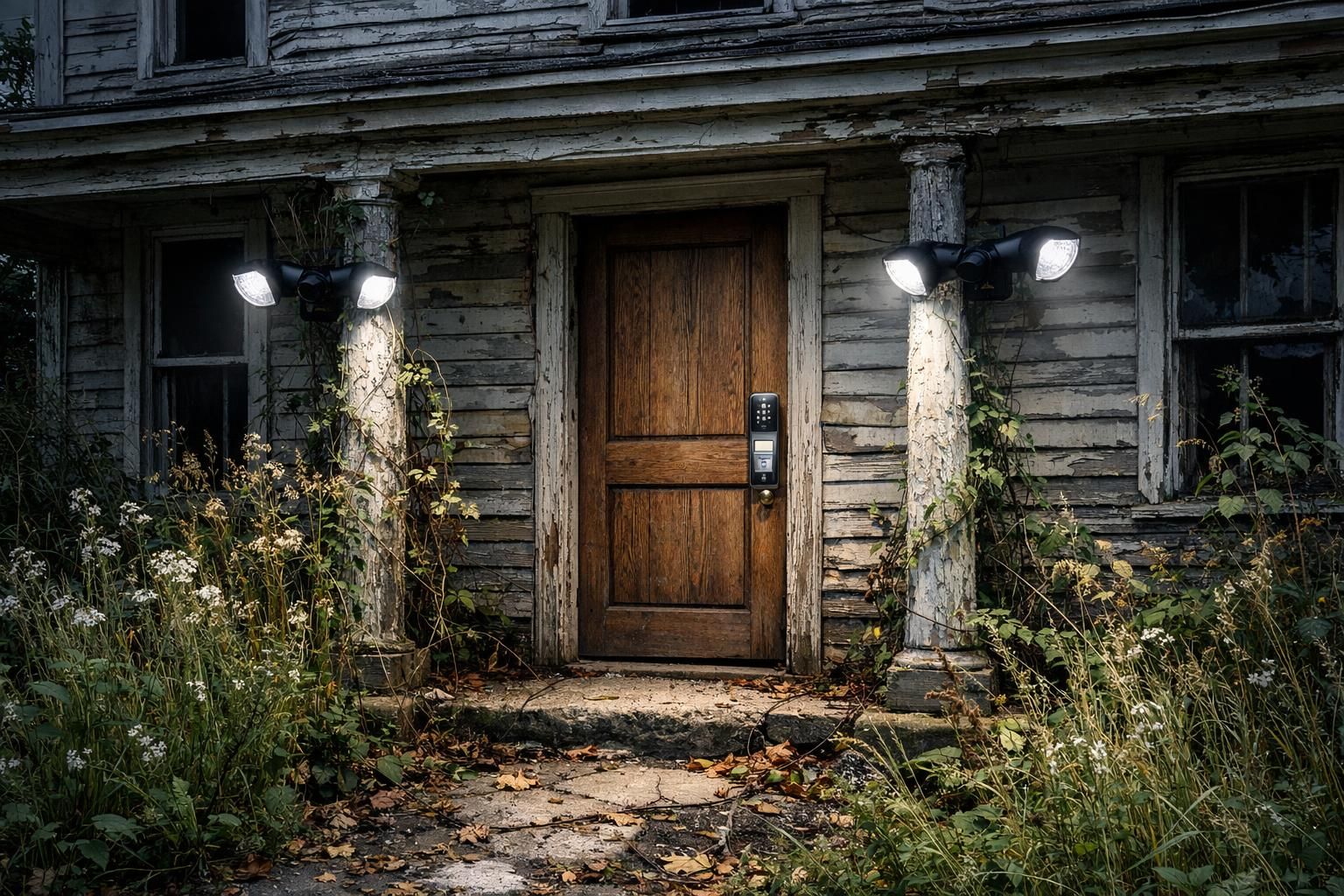
Before Colorado's cold season hits, drain all water lines, shut off exterior faucets, add antifreeze where needed, and keep heat set between 50°F and 55°F. Budget $50–$150 per month for winter heating costs. Install smart locks, motion-activated floodlights, and camera systems. Steel panel security for windows and doors adds another layer of protection against vandals and squatters.
Mail Forwarding and Insurance Documentation
Set up mail forwarding immediately and stop newspaper delivery. Keep detailed records of every inspection—photos, dated checklists, and signed logs from anyone checking on the property. Colorado insurance companies require documented proof of regular maintenance before paying claims on vacant properties. Store all receipts for lawn care, snow removal, and repairs. These records also demonstrate responsible stewardship to potential buyers and their agents.
Smart Selling Options for Vacant Colorado Homes
Traditional Sale with Staging and Repairs
Staging helps buyers visualize the space and form an emotional connection with a property that would otherwise feel cold and empty. Focus on key rooms—living room, kitchen, primary bedroom. Virtual staging is a cost-effective alternative that performs well in online listings, which is where most Colorado buyers begin their search.
Complete known repairs before listing to avoid inspection surprises and low offers. High-quality listing photos are essential in competitive Colorado markets. Disclose past repairs transparently to build buyer trust and comply with Colorado's seller disclosure requirements.
Listing As-Is, Cash Buyers, and Rent-to-Own
Listing as-is typically brings lower offers but eliminates repair costs and speeds up closing. Cash buyers and investors purchase Colorado homes in any condition, often closing within days or weeks. You avoid agent commissions, carrying costs, and the uncertainty of traditional financing falling through.
Rent-to-own arrangements attract buyers who can't secure traditional financing immediately. These deals take longer than a direct cash sale but can generate income while you work toward a final closing. Investors seeking rental properties in Colorado's strong rental market may also see value in your vacant home without requiring costly upgrades.
Comparing Timelines, Costs, and Effort
Traditional sales with staging and a real estate agent can stretch over several months. Agent commissions in Colorado typically run 5–6% of the sale price, plus repair and staging costs. Staged homes may achieve higher prices but require significant time and investment.
Cash buyers close in days or weeks, eliminating holding costs like property taxes, insurance, HOA fees, and utilities. Offers are generally lower, but the net proceeds after carrying costs and commissions can be comparable. Rent-to-own provides income during an extended timeline but requires more ongoing management. For many Colorado homeowners dealing with inherited properties or relocation, the certainty and speed of a cash sale outweigh the potential upside of a traditional listing.
Action Checklist for Colorado Homeowners Managing a Vacant Property
Steps to Protect and Prepare Your Property for Sale
Conduct a full walk-through to identify maintenance issues before listing. Schedule weekly property checks and document each visit. Winterize by draining plumbing, setting the thermostat to at least 55°F, and sealing windows and doors to prevent Colorado's freeze-thaw damage. Arrange regular lawn care and snow removal to maintain curb appeal and avoid municipal fines.
Install smart locks, motion-activated lights, and security cameras. Forward mail and pause deliveries so the home appears occupied. Keep utilities active to satisfy insurance requirements. Organize all inspection logs, repair receipts, HOA documents, tax statements, and utility records so buyers and their agents see evidence of consistent property upkeep.
Conclusion
Owning a vacant home in Colorado doesn't have to mean months of stress, rising costs, and uncertainty. You have real options—from traditional sales with staging and repairs, to listing as-is, to selling quickly to a cash buyer. Each path has different trade-offs, but the right choice depends on your timeline, financial situation, and goals.
Many Colorado homeowners find that selling to a cash buyer eliminates the most painful parts of the process: costly repairs, carrying expenses, appraisal complications, and the risk of deals falling through due to financing. A cash sale means no agent commissions, no open houses, and no waiting. You can close on your schedule and move forward with confidence.
If you're managing a vacant property in Colorado and want to explore your options, KDS Homebuyers is here to help. Visit kdshomebuyers.net to receive a free, no-obligation cash offer and find out how quickly you can put this property behind you.
FAQs
1. What are the main risks of selling a vacant property in Colorado?
Vacant Colorado homes face higher risks of break-ins, vandalism, frozen pipe damage, and code violations. Without regular maintenance, small problems can become expensive repairs quickly—especially during harsh winters.
2. How do Colorado property taxes work on a vacant home?
Property taxes in Colorado continue to accrue on vacant residential properties at the standard residential assessment rate. There is no vacancy exemption—taxes are due regardless of whether anyone lives in the home.
3. How does curb appeal affect vacant home sales in Colorado?
Strong curb appeal is especially important in competitive markets like Denver and Aurora. Clean landscaping, snow-free walkways, and a well-maintained exterior signal to buyers and their agents that the property has been cared for.
4. Is virtual staging effective for vacant Colorado homes?
Virtual staging is a cost-effective option that works well in online listings, where most Colorado buyers start their search. Physical staging creates a stronger emotional connection during in-person showings but requires higher upfront investment.
5. How long can squatters legally stay in a vacant Colorado home?
Colorado's adverse possession statute requires 18 years of continuous, open occupancy to establish a legal claim—but even short-term unauthorized occupants can cause costly damage and require legal action to remove. Acting quickly and securing the property from the start is the best approach.
References
- ^ https://communityprogress.org/blog/what-is-heirs-property/ (2024-07-22)
- ^ https://catalog.results4america.org/strategies/vacant-properties (2025-09-30)
- ^ https://www.rentbottomline.com/blog/selling-a-property-thats-sitting-empty-and-costing-you-money (2026-01-24)
- ^ https://www.researchgate.net/publication/341159853_Shrinking_housing_market_long-term_vacancy_and_withdrawal_from_housing_market
- ^ https://www.dawgsinc.com/securing-vacant-property-during-winter-months-a-comprehensive-guide/
- ^ https://prosourcehomebuyers.com/blog/selling-to-a-cash-home-buyer-to-break-free-from-the-financial-burden-of-foundation-problems
