

Selling a Vacant House: Risks, Costs, and Smart Options in Washington
Selling a vacant house in Washington state comes with stress, uncertainty, and real financial risks. A vacant property is three times more likely to be burglarized than an occupied one. 2 This guide explains what Washington homeowners need to watch out for and shares smart selling options that can protect your investment and peace of mind. 3
Key Takeaways
- Vacant houses are three times more likely to be burglarized and face a 35% greater chance of vandalism compared to occupied homes. 2
- Insurance for vacant properties often costs 50% to 100% more, and most standard homeowners policies will not cover damage after the home sits empty for 30–60 days.
- Frozen pipes in Washington's wet winters can cause $5,000–$15,000 in repairs; mold — a particularly serious concern in the Pacific Northwest — may add another $500 to $6,000.
- Ongoing expenses including property taxes, utilities, lawn care ($50–$1,000/month), and Seattle or Tacoma code violation fines ($50–$250/week) drain equity while your home sits on the market.
- Selling options include a traditional sale with staging, listing as-is to cash buyers or investors, or rent-to-own. Working with local Washington real estate professionals reduces stress throughout the process.
Why Homes Become Vacant in Washington
Life changes can leave a house empty and vulnerable. In Washington, vacancy often follows inheriting property, especially when heirs property disputes or probate delays slow decisions. 1 The Seattle and Bellevue tech job market drives frequent relocations, forcing homes to sit empty for months at a time.
Divorce, financial hardship, and aging loved ones entering care facilities are also common reasons Washington homes become vacant. Each situation brings emotional challenges and immediate risks that affect your property's curb appeal, market value, and equity over time.
Caring for a vacant house often feels overwhelming — especially when you're managing it remotely or navigating family disagreements about whether to sell. Knowing you are not alone may ease some of this burden as you explore your options.
What Defines a Vacant vs. Unoccupied Home?
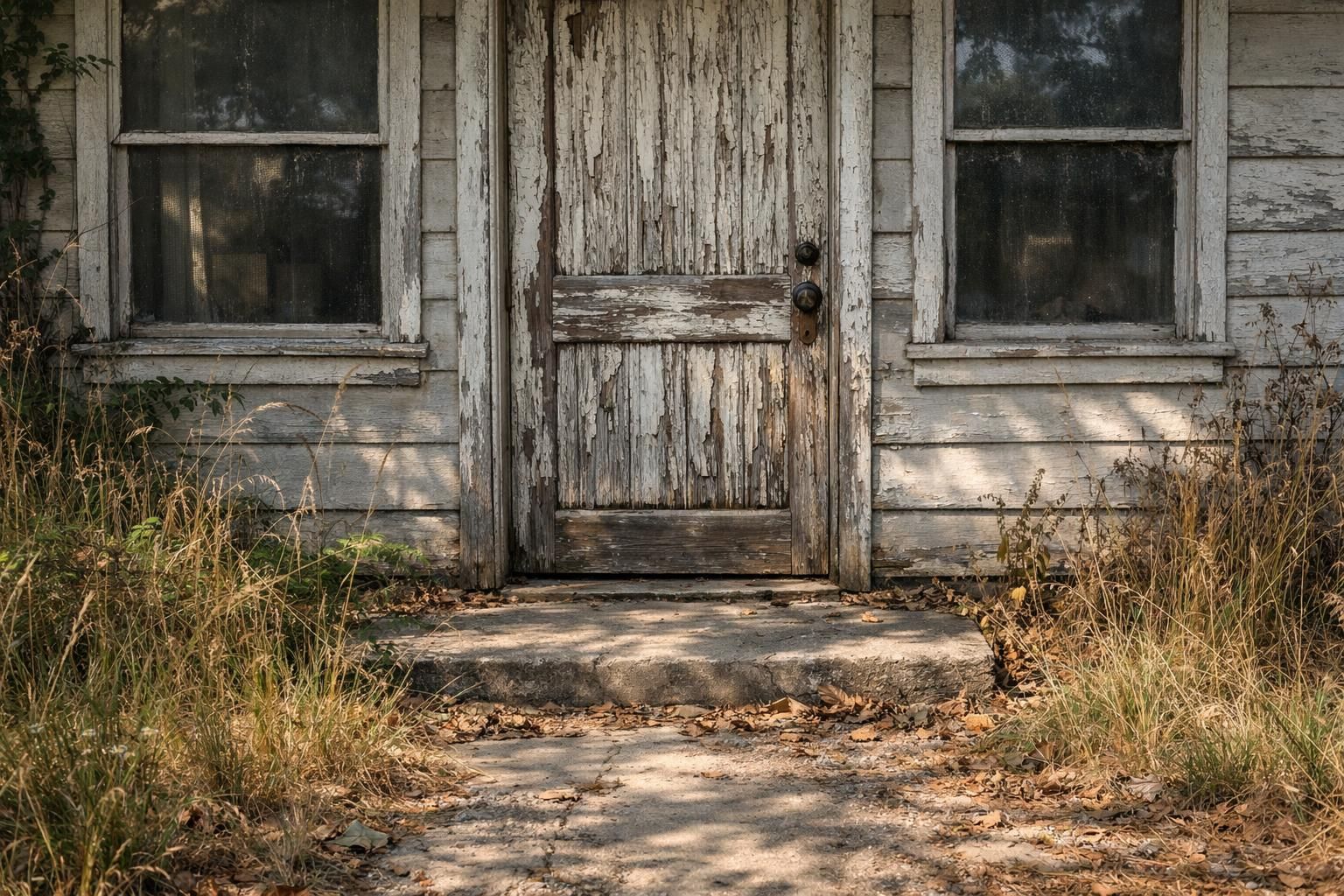
A vacant house stands empty with no personal items or regular visits, while an unoccupied home might simply be between tenants but still has signs of life. Understanding this distinction helps you choose the right insurance policy and protects your investment.
Key definitions and why the distinction matters for insurance and liability.
Vacant homes have no one living in them for more than 30 consecutive days. Unoccupied properties still have furnishings and receive regular care, even if no one stays there every night. Insurance companies look closely at this distinction. After 30–60 days of vacancy, most standard homeowners insurance policies will not cover damage like water leaks or break-ins.
Liability risks also shift with vacant status. Under Washington's premises liability standards, legal exposure rises if someone is injured on an empty, unsecured property. Many insurers require proof of weekly property checks to keep coverage valid. Specialty vacant home insurance often costs 50–100% more but provides needed protection while you navigate the selling process.
Major Risks of Vacant Properties
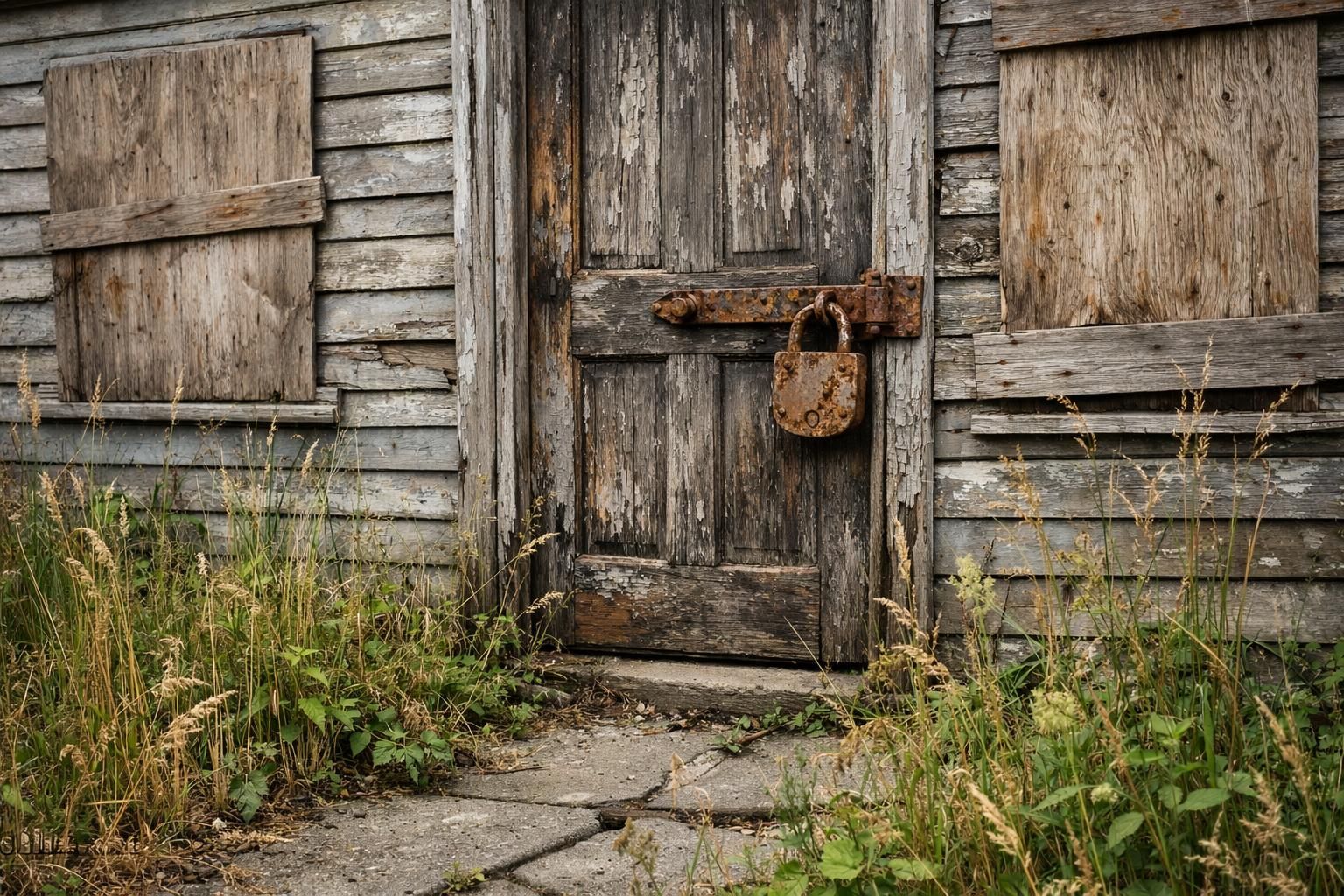
Leaving a house empty in Washington exposes you to much higher risks than occupied homes face. Security systems, smart locks, and regular property maintenance can make a real difference in protecting your investment.
Break-ins, vandalism, and squatters.
Vacant homes face a much higher risk of crime than occupied properties. Your empty house is three times more likely to be burglarized, and faces a 35% greater chance of vandalism. Thieves often target vacant properties for copper pipes or appliances — a known problem in Seattle, Tacoma, and Spokane neighborhoods.
Squatters may move in quickly if the home sits empty too long. Removing them in Washington can be a slow process depending on how long they have been present and whether adverse possession claims arise. Reinforced doors, timer lights, smart locks, and monitoring systems help protect your property during the selling process.
Weather damage, frozen pipes, and mold growth.
Washington's wet winters and freezing temperatures create serious risks for empty homes. A burst water line may release more than 400 gallons of water per hour, causing severe damage before anyone discovers it. Repair costs from frozen pipes typically range between $5,000 and $15,000; in severe cases expenses can exceed $50,000.
Mold is a particularly serious concern in the Pacific Northwest, where high humidity and rainfall create ideal conditions. Mold can appear within 24–48 hours of moisture exposure, and professional remediation averages $500 to $6,000 depending on severity. Insurance companies often require you to maintain heat at 50–55°F and conduct regular inspections to keep coverage active. Draining pipes before cold snaps and maintaining proper heating prevents most freeze-related repairs.
Pest infestations and code violations.
Pest infestations often take hold in vacant properties, especially in Western Washington's damp climate. 2 Rodents and insects can damage walls, wiring, and insulation while creating unsanitary conditions for future buyers. Overgrown lawns or accumulated debris may trigger municipal code violations in cities like Seattle, Tacoma, or Olympia, resulting in fines of $50 to $250 per incident each week until addressed. Code enforcement officers can demand immediate cleanup, with penalties increasing over time.
Ongoing Costs That Drain Equity

Owning an empty house in Washington often means higher insurance rates, continued maintenance costs, and state-specific tax obligations. These ongoing expenses can quietly shrink your home's equity while the selling process stretches on.
Higher insurance premiums (50–100% increase for vacant homes).
Vacant home insurance often costs 50 to 100 percent more than regular homeowners' policies. Insurance carriers treat empty houses as high-risk because break-ins, water damage, and vandalism are more likely when no one lives there. After your property sits unoccupied for 30 to 60 days, most standard coverage ends or sharply limits protection. To keep any insurance in effect, you must buy a specialty policy — usually with higher deductibles and lower coverage limits.
Utilities, lawn care, property taxes, HOA fees, and mortgage payments.
Utility bills for an empty house do not go away. Washington's rainy season means heating and moisture control are essential year-round. Lawn care remains critical; overgrown grass can result in city fines ranging from $50 to $250 per violation.
Washington state has no personal income tax, but property taxes continue at the full assessed rate on a vacant property. Washington also imposes a real estate excise tax (REET) on property sales — the rate is graduated based on sale price, reaching up to 3% on higher-value properties in markets like Seattle or Bellevue. HOA fees are due monthly regardless of occupancy, and missing payments can trigger liens against your property. Mortgage interest accrues each month until the sale closes, draining equity with every payment.
Monthly cost breakdown example.
Each month, owning a vacant Washington home can drain your savings quickly. Utilities may run $50 to $150 just to maintain basic heat and prevent moisture damage. Insurance premiums jump by 50% to 100%. Lawn care can cost $200 to $1,000 per month, especially if code violation fines between $50 and $250 stack up. 3 Property taxes, HOA fees, pest control, and weather-related repairs can add several hundred dollars more each month — all while your equity continues slipping away.
Selling Challenges for Vacant Homes

A vacant house often struggles to stand out in Washington's competitive real estate market, making it hard for buyers to form an emotional connection. Home staging or virtual staging can boost visual appeal and help your property compete with occupied homes.
Lowball offers and traditional financing difficulties.
Investors and cash buyers often see an empty house as a chance to make lowball offers. Many know that vacant properties sell for 15–30% less than similar occupied homes. Extended listing times increase pressure and may push you into accepting less to end ongoing costs.
Traditional mortgage lenders hesitate with these deals, especially if a home has been empty over six months. FHA and VA loans frequently get denied due to deferred maintenance or obvious vacancy problems. Issues with appraisals happen more often, shrinking your pool of qualified buyers in Washington's already-competitive markets.
Inspection issues, appraisal complications, and longer market times.
Home inspections on vacant homes often uncover deferred maintenance, water damage, or past repairs that need attention. Lenders may demand costly fixes before approving a mortgage. Appraisers face challenges with vacant houses due to visible deterioration and the absence of furnishings that help buyers visualize the space. Washington real estate professionals report that empty houses spend weeks or even months longer on the market compared to staged or occupied homes. 4
Essential Maintenance for Vacant Properties
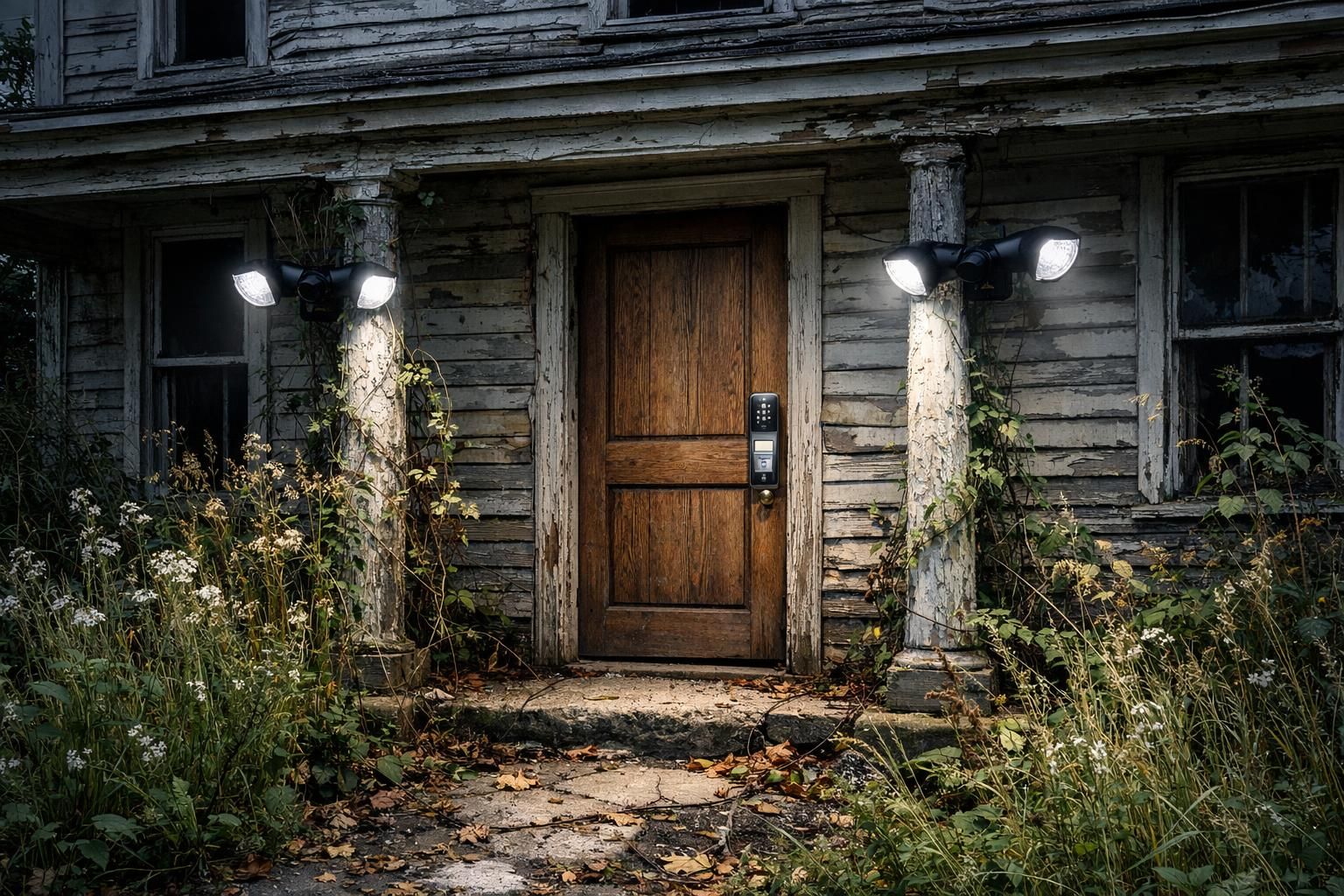
Weekly checks, winterization steps, and security measures.
Walk through your empty Washington home each week and inspect for water damage, leaks, or pest problems. Insurance providers require these regular checks to keep coverage valid. 5 Forward mail and remove flyers so the property looks cared for from the street.
Before cold weather arrives — particularly in Eastern Washington or at elevation — drain all water lines, shut off exterior faucets, and add antifreeze where needed. Keep heat set between 50°F and 55°F. Install smart locks, motion-activated floodlights, and camera monitoring. Join a neighborhood watch or notify nearby residents so more eyes are on your property while it sits on the market.
Mail forwarding and documentation for insurance.
Set up mail forwarding to your current address right away and stop newspaper delivery. Keep detailed records of all home maintenance for your empty house. Take photos during weekly inspections and keep signed checklists from anyone checking on the property. Most Washington insurance companies demand proof of regular checks before paying claims for water damage or vandalism. Store receipts for lawn care and professional repairs — these documents support future insurance claims and show reliable property upkeep throughout the selling process.
Smart Selling Options for Vacant Homes
Traditional sale with staging and repairs.
Staging a vacant property helps buyers picture themselves living in the space. Focus on key rooms like the living room, kitchen, and primary bedroom. Renting basic furniture or using virtual staging keeps costs down while boosting visual appeal in online listings. Curb appeal matters in Washington — fresh landscaping, solar lights, and a painted front door create strong first impressions even in overcast weather.
Complete repairs before listing to prevent low offers or problems during inspections. Fix known issues such as water damage, outdated fixtures, or peeling paint. Arrange high-quality real estate photos and be transparent about past repairs to build trust with buyers.
Listing as-is, selling to investors or cash buyers, and rent-to-own scenarios.
Listing your vacant Washington home as-is can speed up the selling process, though it usually brings lower offers. Cash buyers purchase properties as-is and often close within days or weeks, helping you stop mortgage payments, utilities, and insurance premiums that drain equity. Some waive inspections to make the sale smoother.
Rent-to-own arrangements attract buyers who cannot secure traditional financing right away. These scenarios offer flexibility but may take longer than a direct cash sale. Investors looking for rental properties in Seattle, Tacoma, or Spokane markets may see value in your empty house without requiring top-tier upgrades. All of these options reduce risks tied to vandalism, code violations, and ongoing maintenance costs.
Comparison of timelines, costs, and required effort.
Traditional sales with staging, repairs, and an agent often stretch over several months. Washington real estate professionals typically charge commissions of 5–6% of the sale price, and you will also owe the graduated real estate excise tax at closing. Staged homes take more work but can bring higher prices in strong markets like Seattle or Bellevue.
Cash buyers or investors can close in days or weeks, cutting holding costs like property taxes, HOA fees, utilities, and insurance. These buyers accept as-is conditions so you skip costly repairs and marketing tools. Offers tend to be lower, but the speed and certainty often outweigh the difference when carrying costs are eating into your equity every month.
Action Checklist for Washington Homeowners Managing a Vacant Property
Practical steps to protect and prepare the property for sale.
Conduct a full walk-through to spot maintenance issues before you list. Set up weekly property checks and document each visit for insurance compliance. Winterize by draining plumbing, setting the thermostat to at least 55°F, and sealing windows and doors to prevent water damage — especially important in Western Washington's wet climate and Eastern Washington's hard freezes.
Arrange regular lawn care or moss removal (a common Washington issue) to keep curb appeal strong and avoid municipal fines. Install smart locks, motion-activated floodlights, and alarm monitoring. Keep utilities active as many Washington insurers require this for coverage. Gather inspection logs, repair receipts, HOA documents, property tax statements, and utility bills so potential buyers see proof of reliable upkeep throughout the selling process.
Conclusion
Facing a vacant house in Washington can feel overwhelming, but you have real options. A traditional sale with staging and repairs can maximize your price in competitive markets. Listing as-is or selling to a cash buyer removes the burden of repairs and speeds up closing — often within days instead of months. Each path limits ongoing costs like insurance, property taxes, and Washington's real estate excise tax obligations that accumulate while the home sits empty.
Selling your vacant house to a cash buyer removes the stress of expensive repairs and carrying costs. Cash buyers purchase properties as-is, even with foundation issues or water damage that might deter traditional buyers. 6 You skip agent commissions, long listing periods, and inspection contingencies that delay closing. This path gives you immediate liquidity and peace of mind while eliminating risks tied to vandalism, code violations, and ongoing maintenance of an empty home.
If you are ready to move on from a vacant Washington property, KDS Homebuyers can help. Visit kdshomebuyers.net for a free, no-obligation cash offer and find out how quickly you can close on your own timeline — no repairs, no commissions, no stress.
FAQs
1. What are the main risks of selling a vacant property in Washington?
A vacant Washington home faces higher chances of water damage from the state's wet climate, theft, vandalism, and mold growth. Without regular maintenance, small problems quickly become costly repairs.
2. Does Washington have a real estate excise tax when I sell?
Yes. Washington state imposes a graduated real estate excise tax (REET) on property sales. Rates increase with the sale price and can reach up to 3% on higher-value transactions. Plan for this cost when evaluating your net proceeds.
3. Is home staging or virtual staging better for a vacant Washington home?
Physical staging helps buyers form an emotional connection, especially in key rooms like the living room. Virtual staging is cost-effective and works well for online listings, which is how most Washington buyers begin their search.
4. What security steps help protect an unoccupied home in Washington?
Smart locks allow real estate agents access without leaving keys unsecured. Motion-activated floodlights deter intruders, and remote monitoring systems let you track the property from anywhere — important for out-of-state owners managing a home in Seattle, Spokane, or rural areas.
5. Why should I price a vacant Washington home carefully?
An empty house often sells slower than occupied homes and can draw lowball offers from investors who factor in repair costs. Pricing it right from the start attracts more serious buyers and reduces the time you spend paying carrying costs on a property no one is living in.
References
- ^ https://communityprogress.org/blog/what-is-heirs-property/ (2024-07-22)
- ^ https://catalog.results4america.org/strategies/vacant-properties (2025-09-30)
- ^ https://www.rentbottomline.com/blog/selling-a-property-thats-sitting-empty-and-costing-you-money (2026-01-24)
- ^ https://www.researchgate.net/publication/341159853_Shrinking_housing_market_long-term_vacancy_and_withdrawal_from_housing_market
- ^ https://www.dawgsinc.com/securing-vacant-property-during-winter-months-a-comprehensive-guide/
- ^ https://prosourcehomebuyers.com/blog/selling-to-a-cash-home-buyer-to-break-free-from-the-financial-burden-of-foundation-problems
