

25 Things That Fail a Home Inspection (And What to Do About Them) in Washington
You may worry about what things that fail a home inspection could stop your sale or delay your purchase. Home inspections often uncover issues like water damage, outdated wiring, and foundation cracks that can affect safety and cost. 1 This guide covers the most common problems found by Washington State home inspectors, explains how they affect homeowners insurance or your home loan, and offers steps you can take to fix them.
Find out what makes or breaks real estate deals before listing your house or making an offer in markets like Seattle, Tacoma, or Spokane.
Key Takeaways
- Home inspections in Washington often fail because of major issues like foundation cracks, roof damage, outdated wiring (such as Federal Pacific Electric or Zinsco panels), and plumbing problems (for example, polybutylene pipes). Repairs for these items can cost from $2,000 up to $20,000. 135
- About 11% of home sales fall apart after a failed inspection. Over one third (about 35%) need further negotiation due to inspection findings. Washington buyers may ask for repairs, credits at closing, or lower prices when inspectors find serious defects. 1
- Insurance companies can deny coverage on homes with high-risk features like aluminum wiring or old electrical panels. Washington lenders may also refuse loans for properties with water intrusion, mold growth, or other code violations.
- Washington State law requires sellers to complete a detailed Seller Disclosure Statement (Form 17) disclosing all known material defects — including radon gas levels above 4 pCi/L (mitigation costs: $800–$2,500) and environmental hazards — before a buyer's review period begins.
- If repair bills outweigh the added value they bring to your house — especially for roofs ($8K–$12K+), foundations ($15K+), or plumbing upgrades — consider selling "as-is," offering credits at closing, or marketing to cash buyers who close fast without demanding repairs. 1011
Understanding Home Inspection Failures in Washington
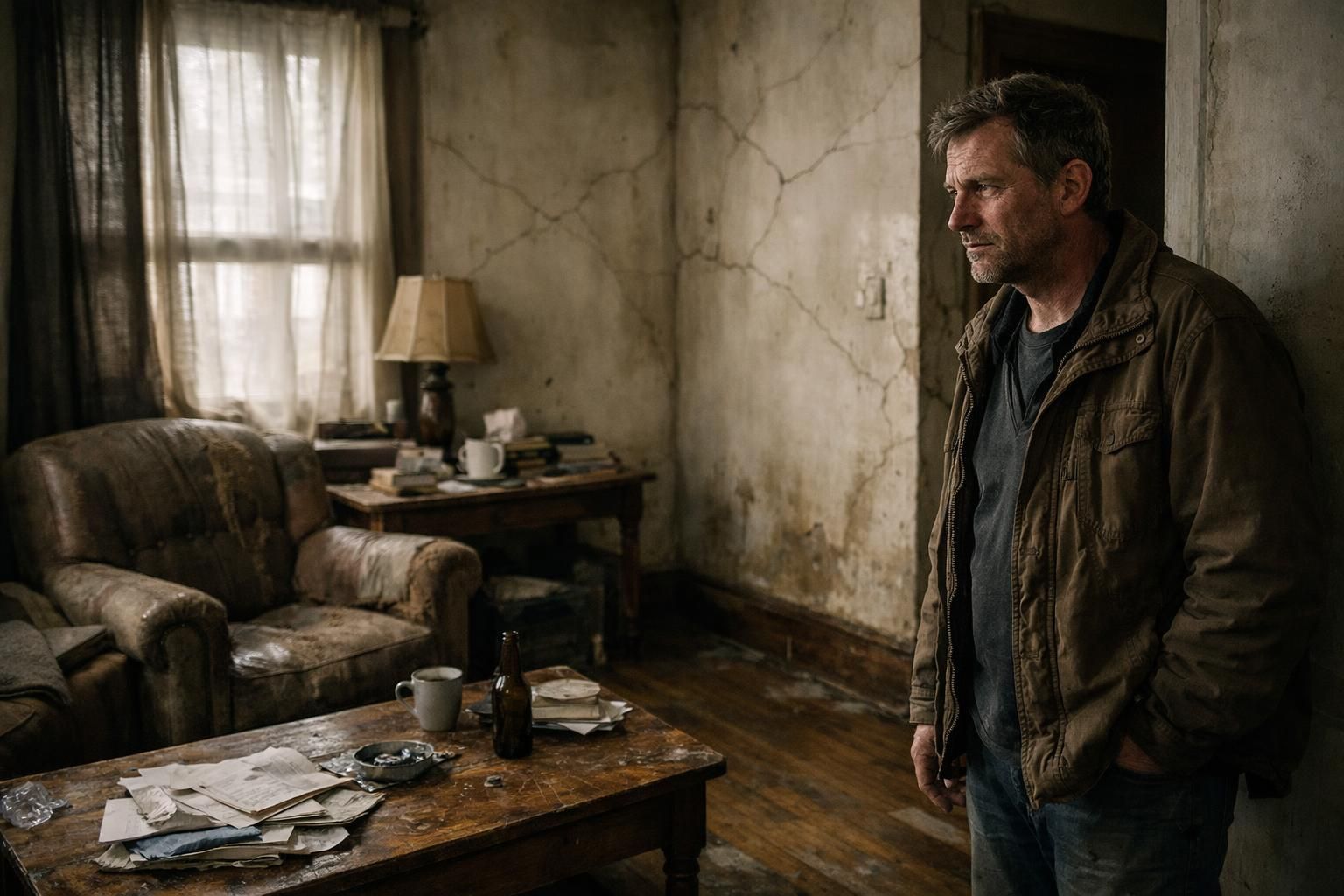
Home inspection failures can feel overwhelming, but they do not always mean you lose your chance to sell or buy a home in Washington. Understanding how these issues affect contracts and insurance coverage helps you make smarter choices with your real estate agent and inspector.
What does 'failing' really mean?
A failed home inspection means one or more serious issues with the house could impact safety, function, or value. Washington home inspectors are licensed through the Washington State Department of Labor & Industries and follow standards set under state law. They look for problems like foundation cracks, outdated electrical panels, water damage, and missing carbon monoxide detectors — all flagged as health, safety, or code concerns. 1
If your property fails an inspection, it does not automatically stop the sale. However, you may face costly repairs or delays as buyers request credits, price reductions, or fixes before moving forward with a mortgage. Inspectors also flag plumbing problems and HVAC defects that raise red flags for insurers or lenders. Many Washington sellers choose pre-listing inspections to discover issues ahead of time and avoid surprises during negotiations. 2
Difference between deal-breakers and negotiable items
Deal-breakers in a Washington home inspection often involve major problems like foundation cracks, serious water damage, structural issues, faulty HVAC systems, or outdated electrical panels. These can affect your ability to get home insurance or prevent mortgage approval. Repairs for these items may cost thousands of dollars.
Negotiable items cover less urgent concerns like minor plumbing issues, missing GFCI outlets, small roof repairs, low water pressure, or cosmetic fixes. Buyers might request closing credits or price reductions rather than demanding full repairs up front. In Washington, real estate agents use inspection contingency clauses — typically with a 10-business-day review window — to help both sides reach solutions that keep the deal moving forward.
Options for buyers: repairs, credits, or price reductions
Home inspection problems can feel overwhelming, especially with water damage or structural issues. Acting fast and knowing your options gives you more control during negotiation.
- Ask your real estate agent to help you get 2–3 repair bids from licensed Washington contractors for each major concern like foundation cracks, roof damage, or outdated electrical panels.
- Request that the seller handles repairs before closing — especially for safety hazards such as missing GFCI outlets, mold growth, or plumbing problems.
- Negotiate for a credit at closing if you want more control over repair quality or timing. Seller-paid credits typically cover urgent items like a corroded water heater or aging HVAC system.
- Push for a price reduction if major repairs are needed, such as replacing polybutylene pipes or addressing significant structural issues in crawlspaces common to older Seattle or Tacoma homes.
- Use your inspection contingency window to walk away with limited financial risk if negotiations stall. Washington purchase agreements typically allow buyers to cancel for inspection reasons within the agreed contingency period.
- Evaluate any home warranty offers carefully. A warranty can help with general upkeep but should not replace negotiating larger credits for costly repairs on foundations, roofs, or heating systems.
The 25 Most Common Home Inspection Issues
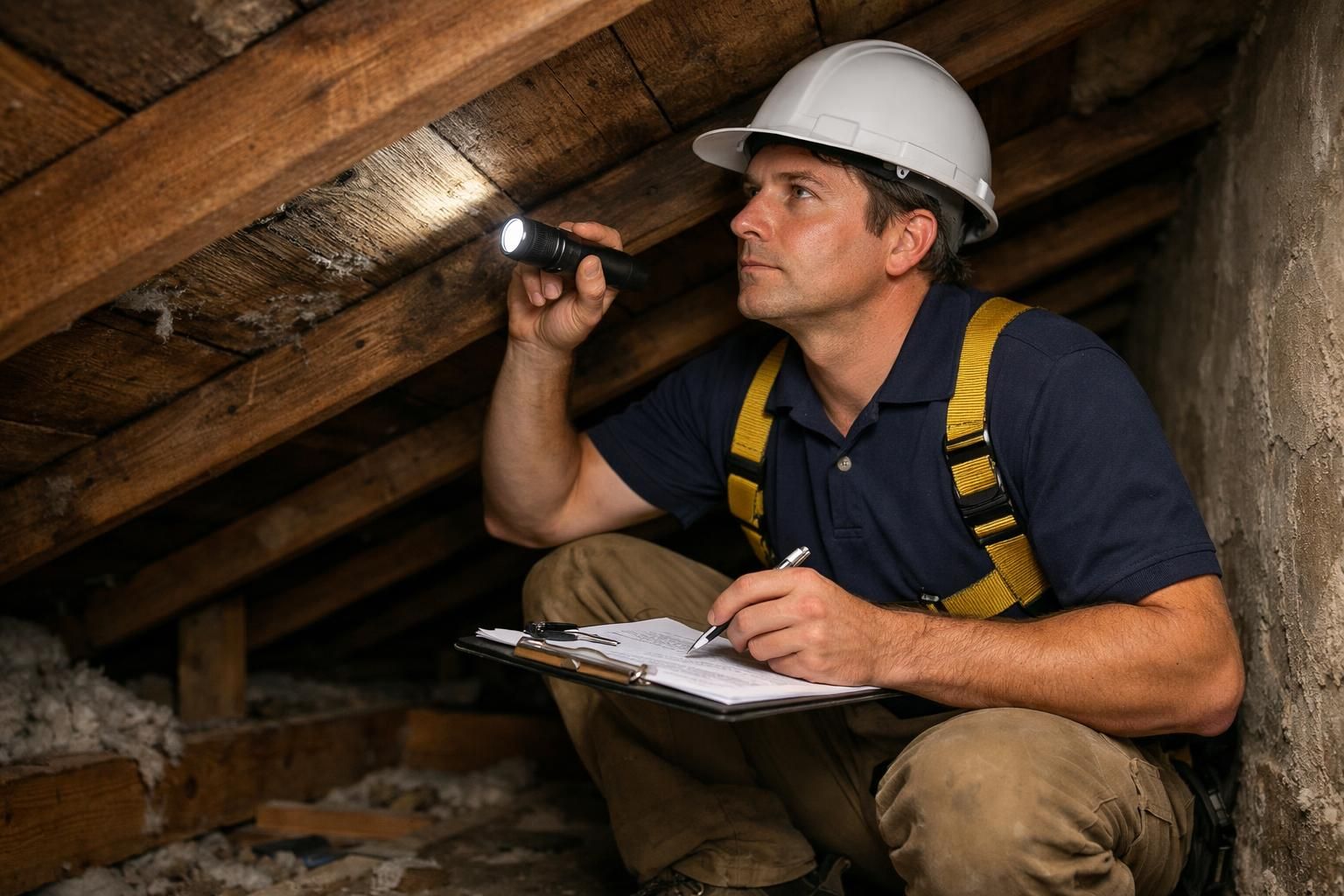
Home inspections can reveal surprises with your roof, plumbing systems, or heating and cooling units. Washington's wet climate makes water intrusion, mold, and drainage problems especially common. Learning about the most frequent structural issues, electrical concerns, and plumbing problems helps you decide on the right repairs before listing or buying.
Structural Problems
Foundation cracks wider than 1/4 inch are major red flags for Washington home inspectors. Uneven or sloping floors, cracked ceilings, and active basement leaks signal serious structural issues. Washington's expansive clay soils and heavy rainfall mean foundation settling and water intrusion are especially common west of the Cascades. Repairs can range from $2,000 to more than $15,000 if extensive work is needed.
Improper grading around the home directs water toward the foundation and worsens movement over time. Rotted beams or pest-damaged framing also weaken stability. A roof nearing the end of its lifespan increases costs and risks during inspection contingency negotiations.
Foundation cracks and uneven floors
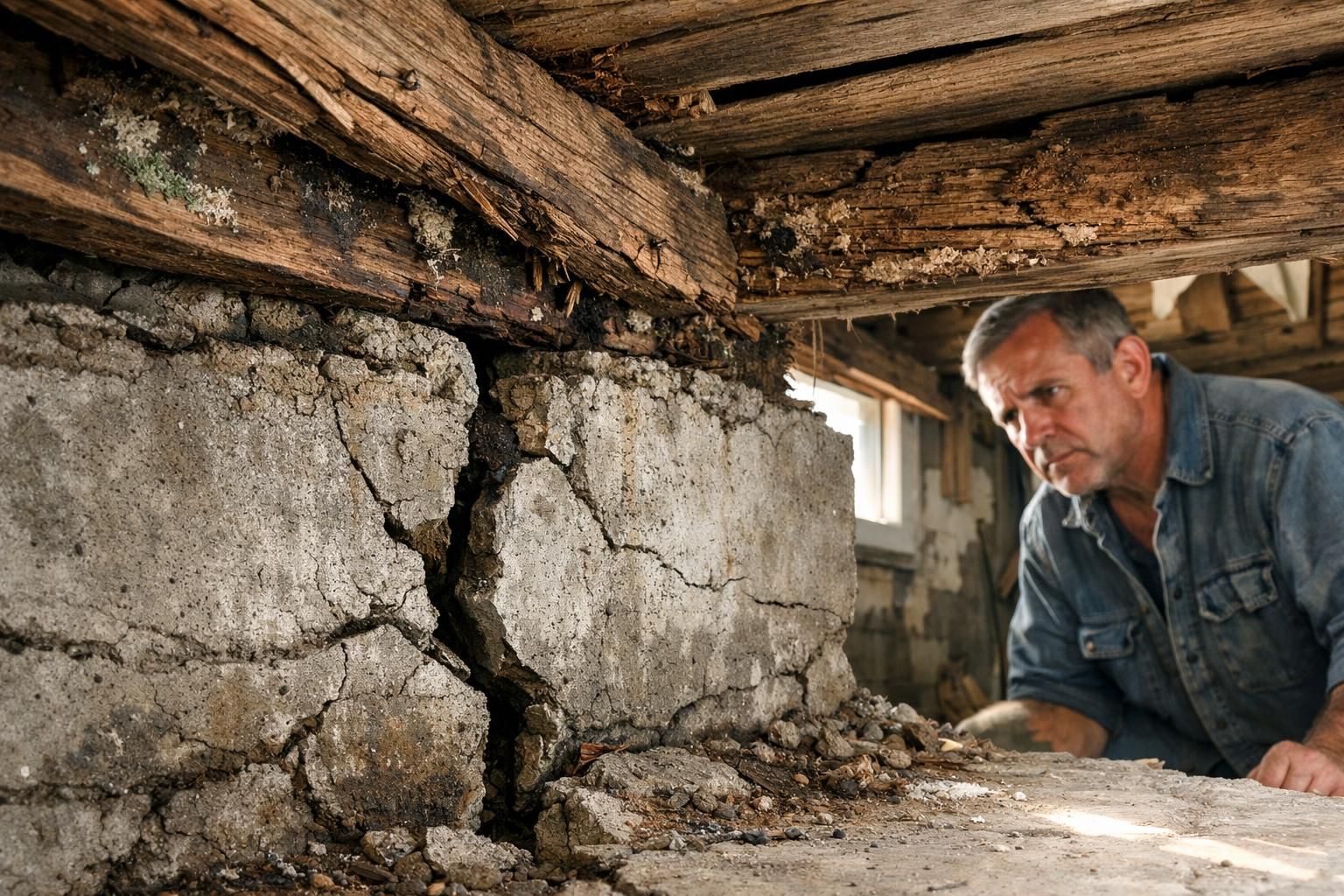
Cracks in the foundation wider than 1/4 inch often trigger concern during a Washington home inspection. You might also notice uneven floors, sagging beams, or ceiling cracks. In western Washington, wet winters and clay-heavy soils accelerate foundation settling. Basement leaks or significant movement usually point to bigger trouble under the surface.
Repair costs range widely — you could pay $2,000 for simple crack sealing or more than $15,000 for major work involving beams and framing. If an inspector finds sloping floors or visible wall movement, consult a qualified Washington contractor before moving forward.
Roof damage and missing shingles
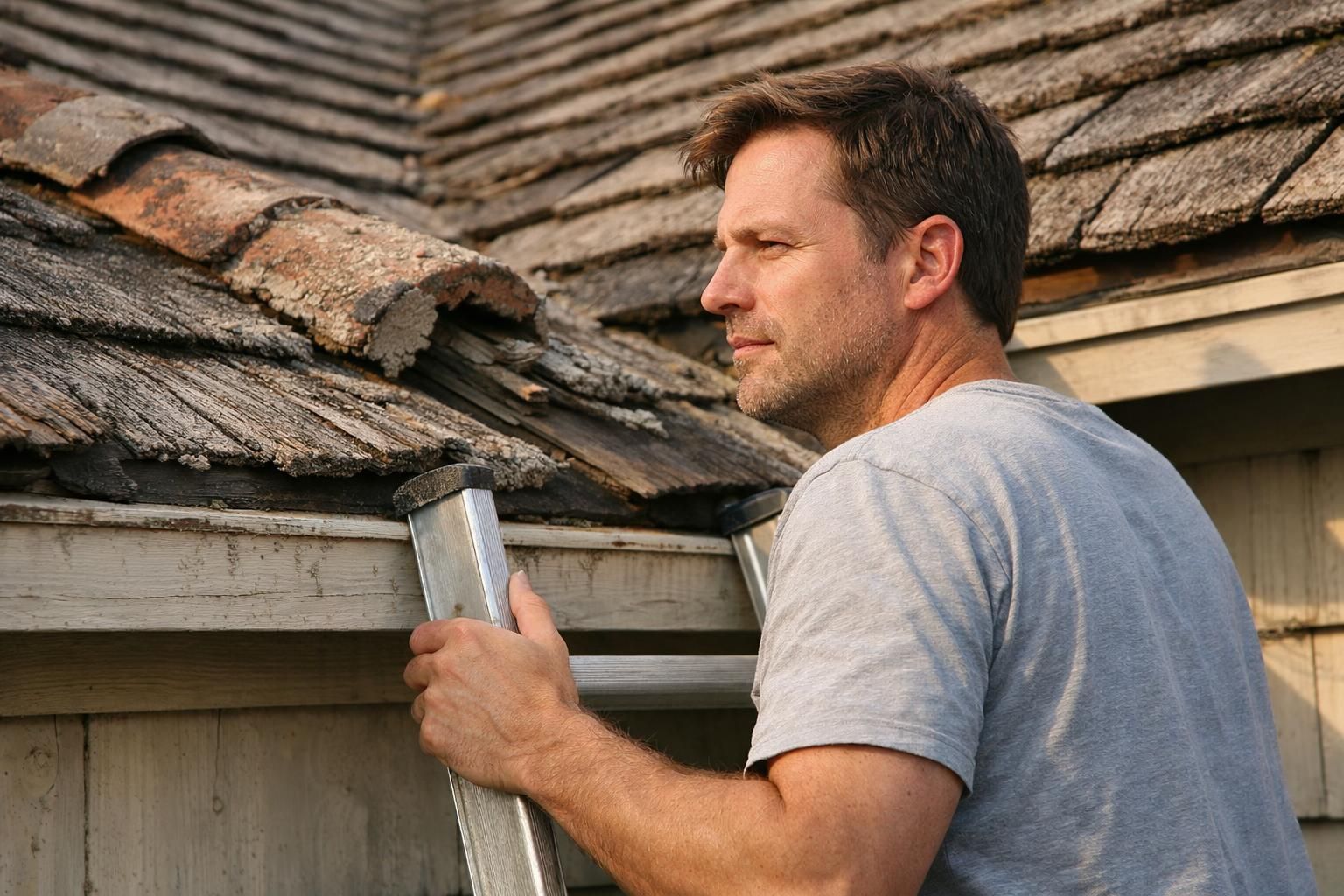
Washington's rainy climate makes roof condition one of the most scrutinized items in any home inspection. Damaged roofs or missing shingles lead to water intrusion and costly repairs. Curling shingles, cracked apex tiles, moss growth (extremely common in the Pacific Northwest), and worn caulking all signal an aging roof that could fail inspection. A roof with less than 3–5 years of life left raises red flags for buyers and insurance companies.
Replacing a roof averages $8,000 to $12,000, while larger homes can exceed $20,000. Old gutters or poor drainage worsen the problem by allowing moisture into your foundation. Addressing roofing problems before listing helps avoid last-minute negotiations during escrow.
Water intrusion and improper drainage
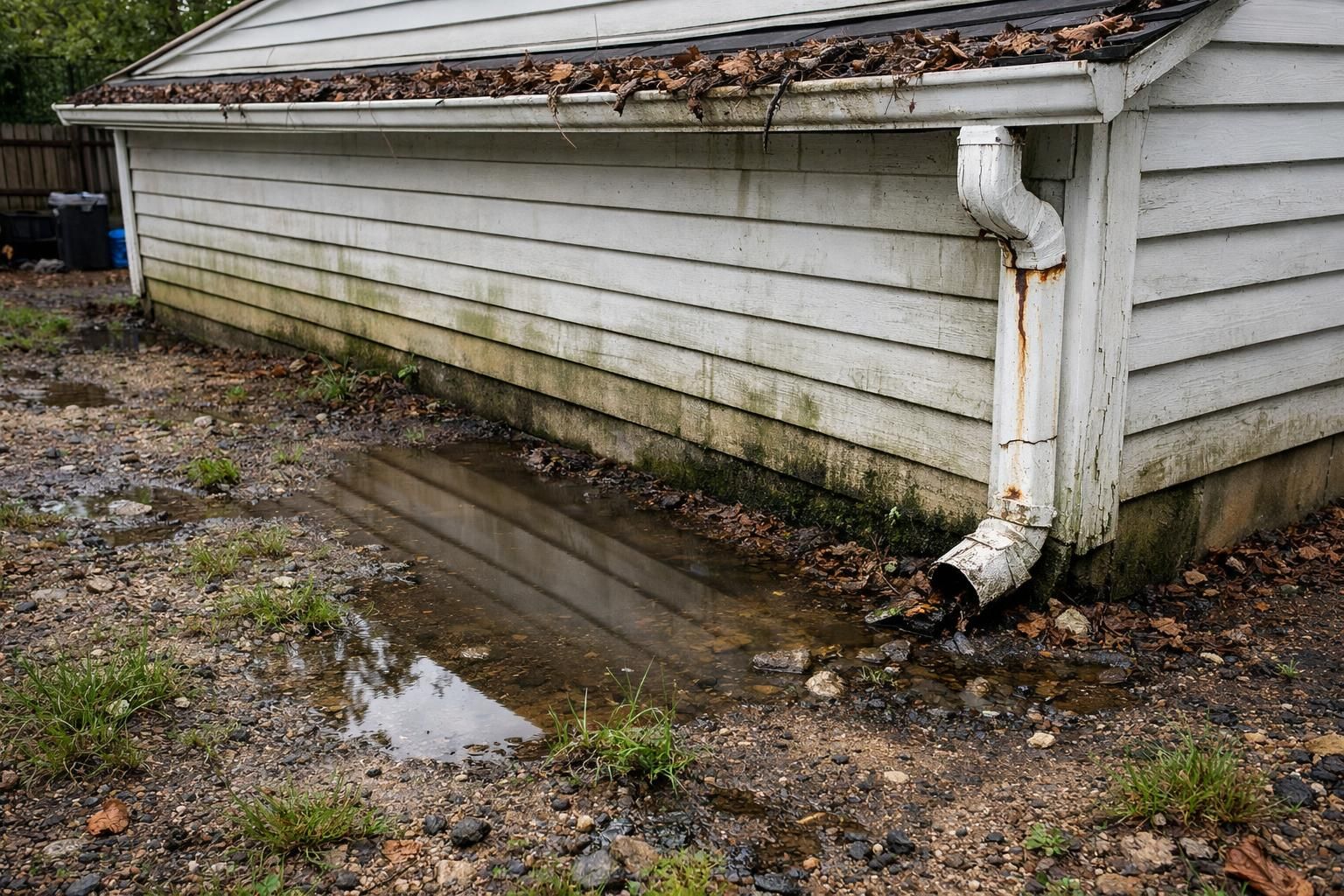
Water intrusion from improper grading, clogged gutters, or failing drainage pipes can lead to costly foundation cracks and mold. In Washington's rainy climate — particularly west of the Cascades — this is one of the most frequently flagged inspection concerns. Address drainage issues before they compound into larger structural problems.
Electrical Issues
Outdated electrical panels such as Federal Pacific Electric or Zinsco often raise red flags during Washington home inspections. Homes built before 1990 may still use these panels. These units can be fire hazards and usually provide only 100-amp service, insufficient for modern electrical demands. Insurance companies sometimes refuse coverage on homes with these brands until replaced. Panel replacement costs between $1,500 and $3,000; upgrading to 200 amps raises that to $2,000–$4,000.
Aluminum wiring found in homes built before 1972 poses a serious fire risk — up to 55 times greater than copper. Permanent repairs require full rewiring with copper or approved fixes like COPALUM crimps and AlumiConn connectors installed by licensed Washington electricians. Ungrounded wall sockets also fail many inspections; upgrading to GFCI outlets improves safety and satisfies lender requirements.
Outdated electrical panels
Many Washington homes built before 1990 use outdated panels like Federal Pacific Electric or Zinsco. These brands have known safety issues and pose a high fire risk. 3 Modern HVAC systems and electronics often overload old panels that provide only 100-amp service. Insurance providers sometimes refuse coverage for homes with these hazardous panel types. 3 Replacement costs range from $1,500 to $3,000. Address any outdated wiring before listing to avoid lost deals over failed inspection contingencies.
Aluminum wiring
Homes built before 1972 often contain aluminum wiring. 4 This outdated wiring increases fire risk by up to 55 times compared to copper. Warning signs include hot or scorched outlets, flickering lights, and a burning plastic smell. If you spot these issues, contact a Washington-licensed electrician right away. Permanent repairs include replacing aluminum wires with copper, installing COPALUM crimps, or using AlumiConn connectors. Temporary fixes are not enough — only permanent solutions that meet Washington State building codes are acceptable.
Ungrounded outlets
Ungrounded outlets can put your family at risk for electric shock and may lead to fires. A licensed Washington electrician can upgrade outlets to GFCI models, which offer better protection and satisfy current code requirements.
Plumbing Concerns
Leaky pipes, dripping faucets, and water stains quickly raise red flags during a Washington home inspection. Inspectors often spot outdated piping like galvanized steel or polybutylene pipes. Galvanized steel corrodes inside over time, restricting water flow. Polybutylene (PB) pipes were used in about 10 million U.S. homes between 1978 and mid-1995 and are prone to internal fractures that cause major leaks and water damage.
Insurers often deny coverage for homes with PB plumbing. Sewer line camera inspections cost $200–$400 while repairs can range from $3,000 up to $10,000 or more. Water heaters older than ten years are likely past their service life; replacement ranges from $800–$2,000. Missing anti-siphon devices on outdoor spigots are a simple fix that inspectors expect as standard.
Leaky pipes and fixtures
Dripping faucets, damaged pipes, and water stains often cause a Washington home inspection to fail. Inspectors treat leaking plumbing as a red flag for water damage or hidden mold. Galvanized steel pipes in older homes corrode over time and restrict water flow. Camera inspections of sewer lines typically cost $200–$400; repairs can exceed $10,000 for major problems. Replacing old or faulty fixtures protects your home's value and avoids bigger plumbing issues later.
Polybutylene pipes
Polybutylene pipes often raise a red flag during any Washington home inspection. These flexible water supply lines appeared in about 10 million homes built between 1978 and the mid-1990s. 5 Home inspectors spot them by their colors — gray, white, blue, silver, or black — and the PB2110 stamp. Internal fractures can trigger leaks or sudden pipe bursts leading to serious water damage and mold problems.
Many insurance companies deny coverage for homes with polybutylene pipes due to their high failure rate. 5 If you find these pipes in your property, talk with a licensed Washington plumber about full replacement options before listing.
Water heater problems
Water heaters can fail due to age, leaks, or faulty pressure relief valves. In Washington, water heaters must be strapped for seismic safety — inspectors will flag missing or improper strapping. Inspect your water heater for corrosion and verify that temperature settings and flue connections meet safety standards.
HVAC Problems
Furnace issues often fail a Washington home inspection. Older furnaces or air conditioners can be expensive to replace, with costs reaching $3,000 to $7,500 for new units. A cracked heat exchanger creates a serious carbon monoxide poisoning risk. In Washington's wet climate, poor ventilation also raises red flags — inadequate airflow increases humidity, strains HVAC systems, and leads to mold growth that buyers want resolved before closing.
Furnace issues
Cracked heat exchangers often fail an inspection because they cause urgent carbon monoxide hazards. Residential CO poisonings from faulty furnaces are the main source of exposure, especially during Washington's cold, wet winters while people sleep. 6 Repair or replacement can run $3,000 to $7,000. Washington law requires carbon monoxide alarms in all homes — install detectors near bedrooms and test them regularly before selling.
Poor ventilation
Poor ventilation is especially problematic in Washington's wet climate, leading to stale air, excess moisture, and mold growth. HVAC systems, exhaust fans, and proper attic ventilation all help improve indoor air quality and protect against moisture damage that inspectors routinely flag.
Safety Hazards
Radon gas, mold, and carbon monoxide are common safety hazards that fail Washington home inspections. Radon is invisible and odorless but causes lung cancer over time. If the inspector finds levels above 4 pCi/L, a mitigation system is required — costing $800 to $2,500 in most Washington markets. Washington's Seller Disclosure Statement (Form 17) requires disclosure of known radon problems during real estate transactions.
Mold signals water intrusion or poor ventilation — particularly common in western Washington homes. Remediation can cost between $500 and more than $6,000. Missing or outdated carbon monoxide detectors pose serious risk; Washington State law requires CO alarms in all dwellings. Replacements range from $20 to $200 per unit.
Radon gas
Colorless and odorless, radon slips into homes through foundation cracks or gaps. High levels often go undetected until a home inspection reveals them. If a test shows higher than 4 pCi/L, federal guidelines recommend immediate mitigation costing $800 to $2,500 in most areas. Washington State's Form 17 Seller Disclosure Statement requires homeowners to disclose known radon problems. Most buyers treat unsafe radon levels as a deal-breaker. Seal foundation openings or install a venting system before listing your property.
Mold and moisture damage
Mold and moisture damage often result from plumbing problems, roof leaks, or poor drainage — all especially prevalent in western Washington. Home inspectors look for visible growth and use moisture meters to find hidden issues behind walls or under flooring. Older homes built before 1980 may also have asbestos in materials that must be disclosed during a Washington sale.
Mold remediation costs range from $500 to $6,000 or more depending on the extent of contamination. Mortgage lenders often deny loans until certified remediation is complete. If you see warped floors, peeling paint, or musty odors near basements or crawlspaces, act quickly to limit structural damage and protect indoor air quality.
Missing carbon monoxide detectors
Washington State law requires carbon monoxide alarms in all residential dwellings. Missing or outdated detectors will be flagged on any inspection report. Install detectors on every floor and near sleeping areas — this is both a legal requirement and a basic safety measure that protects your family and keeps your sale on track.
Exterior Concerns
Damaged siding ranks among the most common Washington home inspection failures, exposing the house to the region's heavy rainfall. Loose planks, holes, or rot allow moisture to seep in and drive up maintenance costs. Inspectors flag deteriorated caulking, broken weather seals, and damaged flashing around windows and doors.
Decks present significant safety hazards if they show wood rot or unsafe railings. To meet Washington building code, deck railings must stand at least 36 inches high with balusters no more than 4 inches apart. Wood debris stored under decks attracts pests like carpenter ants that can create structural problems over time. 87
Siding damage
Cracks, warping, or loose panels on your exterior often show up during a Washington home inspection and raise concerns about water intrusion. Washington's rainy climate makes intact siding critical for protecting against moisture, insects, and rot. Inspectors spot faded paint, rotted boards, and visible holes as warning signs. Repairs range from resealing gaps to replacing large sections with durable materials such as fiber cement or vinyl. Prompt fixes help you avoid delays during closing and prevent bigger structural issues later.
Deck safety issues
Deck safety issues often cause a failed Washington home inspection. Inspectors check that railings reach at least 36 inches in height and that balusters sit no more than 4 inches apart. Unsafe railings, wood rot, and loose hardware like hinges and fasteners all get flagged for repairs. 1 Insurance companies may deny coverage or reduce payouts after claims caused by unsafe decks. Repair these problems before the inspector arrives so buyers feel confident about your property's exterior spaces.
What to Do When Issues Are Found
You may feel overwhelmed when your Washington home inspector uncovers unexpected problems. Your real estate agent can help you weigh your options and create a plan that protects your interests.
Assess severity and cost
Start by prioritizing the most urgent issues. Foundation cracks or water damage can cause bigger problems over time. Minor foundation repairs might run $2,000, but major structural work often tops $15,000. Roof replacement usually costs $8,000 to $12,000 for average homes; large roofs can exceed $20,000.
Review all inspection findings with your home inspector or real estate agent. Outdated electrical panels may need replacing at $1,500 to $3,000. Mold remediation starts around $500 but severe moisture damage can exceed $6,000. Understanding these repair ranges helps you decide whether to fix issues now or negotiate credits during closing. 1
Understand Washington disclosure obligations
Washington State law requires sellers to complete a Seller Disclosure Statement (Form 17) before a buyer's review period begins. This form is more comprehensive than seller disclosure requirements in many other states and covers structural defects, water intrusion, environmental hazards like radon, and the condition of all major systems including roof, plumbing, and electrical. You must disclose all known material defects — even if the current sale falls through, that knowledge follows you to future transactions.
Washington buyers typically have a three-business-day review period after receiving Form 17 to rescind their offer. Full disclosure protects you from legal liability later, and your real estate agent can help ensure nothing gets missed.
Consider options: repair, offer credit, reduce price, or walk away
You have several options after a Washington home inspection finds issues like foundation cracks, water damage, or outdated wiring.
- Repair problems such as damaged roof shingles or plumbing issues to speed up your sale. Major repairs may require reinspection and clearance letters from specialists.
- Offer a closing credit so the buyer handles repairs themselves — often attractive in competitive Seattle or Bellevue markets where buyers want control over contractor choice.
- Reduce your asking price if you want to sell quickly without fixing aging HVAC systems or making electrical updates.
- Walk away if repair costs are too high or safety risks are too serious; Washington inspection contingency clauses protect both sides' earnest money deposits during this step.
Understanding Mold and Moisture Damage in Washington
Mold and moisture damage are among the most common concerns in Washington State real estate. Heavy rainfall west of the Cascades, combined with older housing stock in cities like Seattle and Tacoma, creates ideal conditions for leaky pipes, roof infiltration, and poor crawlspace drainage. Even minor foundation cracks can let groundwater into basements or lower levels, leading to lasting water damage and hidden mold colonies.
Mortgage lenders often deny loans until certified remediation takes place. Insurance companies may refuse coverage if known moisture damage is not properly repaired. Mold remediation costs run from $500 for small surface cleanup to over $6,000 when full removal is needed across multiple rooms. Under Washington law, you must disclose existing mold before listing your house again. Prompt action improves your property's livability and avoids delays with buyers who require documentation of complete repairs by licensed contractors.
When Repairs Don't Make Financial Sense
If repair costs outpace the value they add to your home, Washington real estate agents often recommend exploring alternative selling methods or reaching out to cash buyers.
When repair costs outweigh added value
Major repairs like foundation work or roof replacement can cost $15,000 to $20,000 or more. Fixing polybutylene pipes may not boost your home's value enough to justify the expense, especially if buyers still worry about future insurance costs. Nearly 35% of real estate deals require renegotiation after inspection because repair estimates exceed added property value. In cases where estimated costs stretch far past your budget, Washington real estate agents often suggest offering credits or walking away instead of pouring money into repairs that won't pay off at closing.
Alternative selling methods for time or financial constraints
- Sell "as-is" and disclose issues like foundation cracks, plumbing problems, or an aging roof directly to buyers through Washington's Form 17. This attracts investors and cash buyers who do not expect upgrades.
- Offer closing credits so buyers handle repairs like outdated wiring, missing GFCI outlets, or water heater problems on their own schedule.
- Provide a home warranty covering HVAC systems, plumbing, or appliances for one year after closing.
- Target cash buyers from local investor groups if time is tight and inspection contingency problems are serious. These buyers often close within days and skip most traditional steps.
- Negotiate price reductions instead of handling mold remediation, deck repairs, or roof replacements yourself — letting buyers control how work gets done.
Cash buyers as an option
Selling to a cash buyer can help Washington homeowners avoid the stress of major repairs and lengthy negotiations. Cash buyers — often real estate investors — move fast and may waive the inspection contingency in competitive markets, speeding up the sale even if your property has plumbing problems or an aging HVAC system. They may make lower offers when they spot serious issues like roof damage or outdated electrical panels, but can often close within days rather than weeks. 10 If big repair bills outweigh your home's added market value, working with a reputable investor can save time and reduce stress. 11
Conclusion
Facing a Washington home inspection report can feel overwhelming, but you have options. Addressing key issues like foundation cracks, outdated wiring, water damage, and HVAC problems early will help protect your investment. Work with your real estate agent and a Washington State–licensed home inspector to understand each finding. Clear knowledge gives you more power in negotiations with buyers and insurance providers.
If costly repairs don't make financial sense for your situation, KDS Homebuyers purchases homes directly from Washington homeowners for cash — no repairs, no lengthy negotiations, and no surprises. Visit kdshomebuyers.net to request a free cash offer and find out how quickly you can close on your terms.
FAQs
1. What are the most common reasons a Washington house fails a home inspection?
Washington home inspections frequently flag water damage, foundation issues, aging roofs, outdated wiring, and mold. Washington's wet climate makes moisture intrusion and drainage problems especially common.
2. How can structural issues affect my Washington property during an inspection?
Structural problems like sloping floors or large foundation cracks raise safety concerns and may require costly repairs before closing. Washington's clay soils and seismic activity make foundation integrity a priority for inspectors and lenders alike.
3. Why do GFCI outlets matter in a Washington inspection report?
GFCI outlets protect against electrical shocks near water sources like kitchens or bathrooms. If your home lacks these outlets or has outdated wiring, it will likely fail this part of the inspection under current Washington building code.
4. What does Washington's Form 17 Seller Disclosure Statement require?
Form
