

What to Do Before Selling Your House: A Complete Checklist in Washington
Selling your home in Washington can feel stressful, especially if you face a tight timeline or major repairs. Well-maintained houses often sell for 10 to 20 percent more than those needing fixes. 3 This checklist on what to do before selling your house will guide you through repairs, paperwork, and smart choices whether you're in Seattle, Tacoma, Spokane, or a smaller Washington community. Read on to make each step simple and less overwhelming. 1
Key Takeaways
- Well-maintained homes often sell for 10% to 20% more than those needing repairs. 3 Start deep cleaning and major repairs about two months before listing your house.
- Selling options include using a real estate agent, FSBO, or cash buyers. Cash sales close in 7–14 days but usually get offers five to twenty-five percent below updated homes' prices.
- Gather key documents like deeds, tax records, permits, and utility bills before selling. Missing paperwork or unresolved liens can delay closing by months.
- Focus on high-return projects like basic landscaping and neutral paint colors. Homes with over $20,000 in needed repairs may see price cuts of 10%–20%.
- Washington uses a non-judicial foreclosure process with a minimum 120-day timeline. Understanding your state's specific rules helps you make faster, smarter decisions.
- Pre-listing home inspections cost around $296–$424 and help you spot issues early, preventing costly delays and building buyer trust.
Assess Your Timeline and Situation
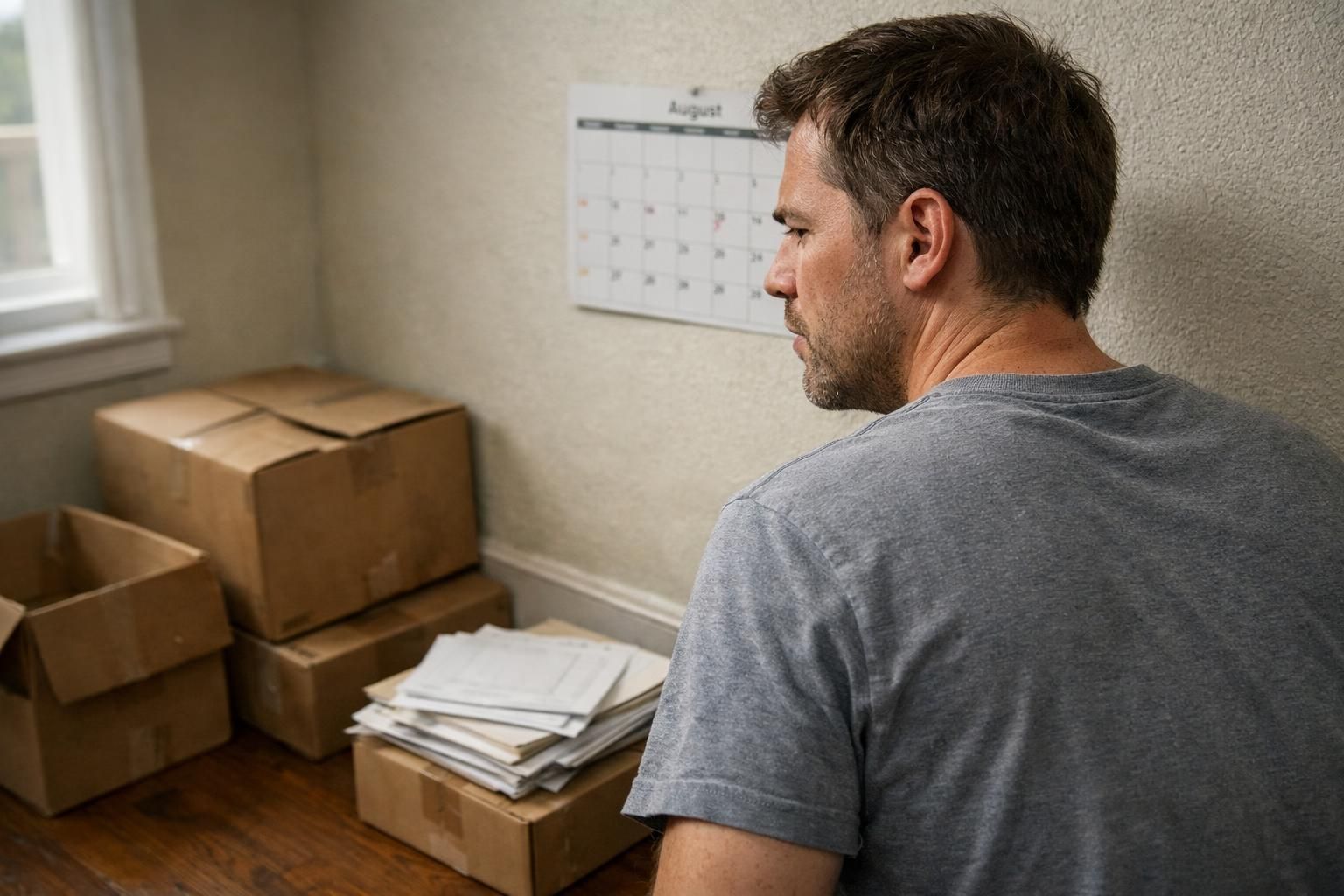
The timing of your move can shape your entire home selling process. Washington's real estate market varies significantly by region — Seattle and Bellevue typically see faster sales and stronger prices than rural areas — so understanding local conditions matters before you list.
Evaluate urgent versus flexible timelines
If you need to sell your house quickly in Washington, focus on steps that maximize speed and reduce stress. Urgent timelines often occur during job relocations to or from major employment hubs like Seattle or Bellevue, or during foreclosure threats. Monthly holding costs — mortgage payments, property taxes, homeowner's insurance, and utilities — can total $2,000 to $4,000 or more while your home is listed. 1
Flexible timelines let you plan each step for the best results. Homes listed in late spring generally perform well in Washington's competitive markets. Start preparing two months before your target listing date by tackling deep cleaning and essential repairs six weeks before going live. Early planning gives you time to interview agents, run a comparative market analysis, stage rooms with neutral tones for professional listing photos, and boost curb appeal.
Identify unique circumstances like relocation or foreclosure
Relocation, foreclosure, and other unique situations change the path of selling your house. Washington follows a non-judicial foreclosure process. Under Washington's Deed of Trust Act, lenders can begin foreclosure proceedings without going through the courts, but they must provide at minimum 120 days' notice before a trustee's sale can occur. This gives homeowners some time to explore options, but the process moves faster than judicial states, so acting quickly is critical.
Short sales require lender approval and often take three to six months. Inherited property may require probate court approval through Washington's Superior Court system, which can stretch six to eighteen months depending on estate complexity and whether heirs are in agreement.
Washington is not a community property state, though spouses still generally need to sign off on real estate transactions involving the family home. Rental properties in Washington require written notice to tenants — typically 20 to 90 days depending on the situation and lease terms — before listing or selling. Divorce cases usually require both spouses' consent and may involve a court order from Washington's Superior Court before a sale can proceed.
Understand Your Home's Current Condition
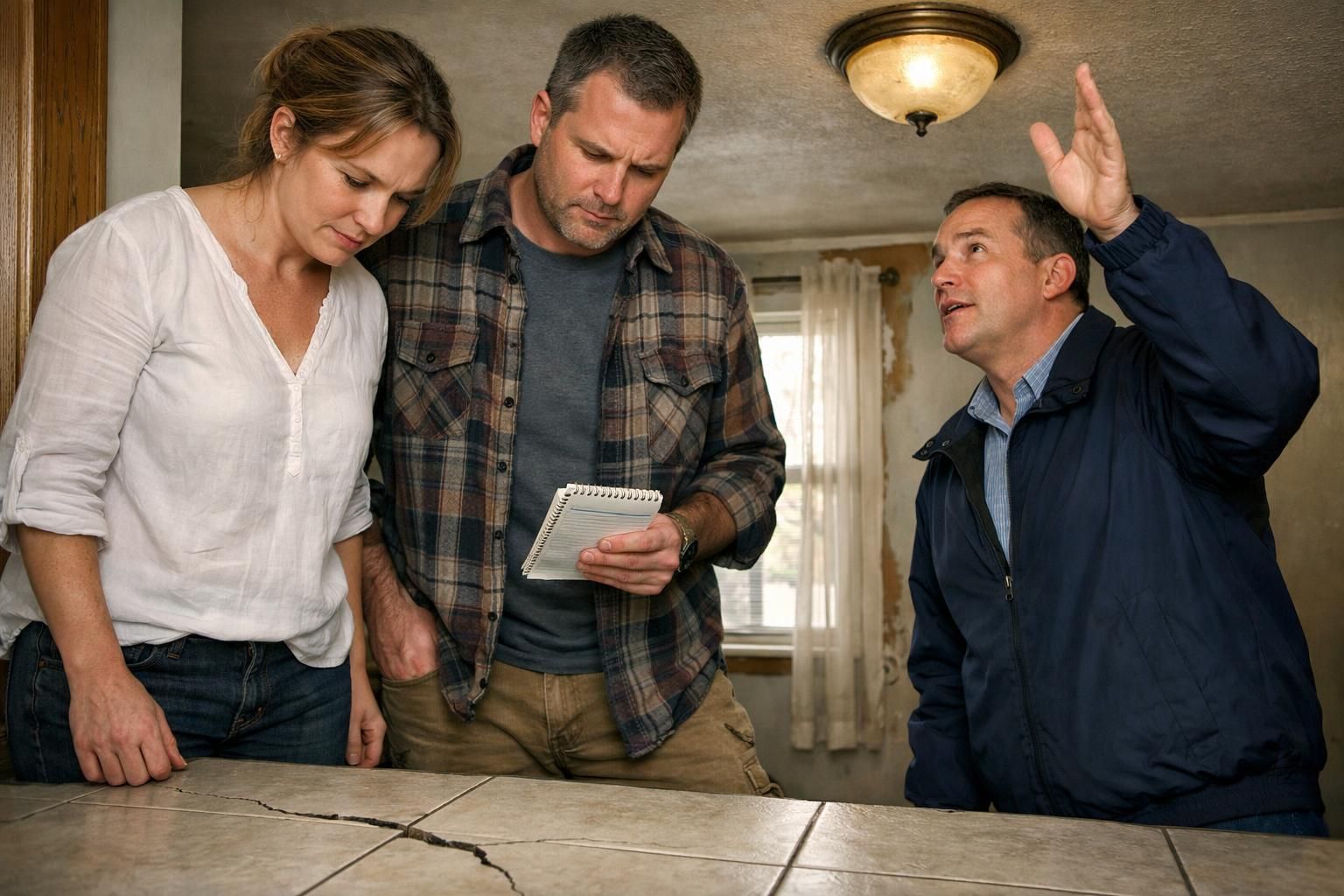
Walk through each room with a critical eye or bring in a Washington-licensed home inspector to spot any issues. Use their feedback and your own notes to prioritize repairs that could affect your asking price or market value.
Conduct a room-by-room walkthrough
Start your walkthrough with a checklist in hand. Inspect windows, doors, locks, and all major appliances for proper function. Test lights and outlets as you move through bedrooms, kitchens, and bathrooms. In Washington's wet climate, pay close attention to moisture-prone areas — under sinks, around toilet bases, in crawl spaces, and near basement walls — for signs of mold or water intrusion. 2
Check your HVAC system to confirm heating and cooling work properly. Open cabinets and pantries to check for pests or odors. Make sure any buyer-requested repairs are complete and documented. Addressing these details protects your asking price and strengthens your negotiating position.
Differentiate minor cosmetic issues from major structural problems
Spotty grass, small cracks in showers, loose deck boards, and outdated carpet are minor cosmetic issues. These can typically be addressed with basic maintenance, deep cleaning, or neutral paint — improvements that boost curb appeal without major investment.
Major structural problems include foundation repairs ($10,000–$40,000), roof replacement ($8,000–$15,000), and mold remediation (up to $10,000 for larger issues). Washington's rainy climate makes roof condition and moisture management especially important to buyers and lenders. Unpermitted additions or code violations must often be resolved before selling, as they can affect home appraisals and buyer financing options. Washington's Department of Labor and Industries oversees building permits statewide, so check with your local jurisdiction if you have concerns about past work.
Determine Your Selling Method

You have options for selling your home — listing with a real estate agent, selling by owner, or working with a local cash buyer. Review costs and average timelines in your Washington market before deciding which path meets your needs.
Compare traditional listing, FSBO, and cash sale options
Traditional listing with a real estate agent typically brings a higher asking price but takes more time. 3 Expect to pay closing costs and agent commissions, and prepare for home staging, deep cleaning, and possible repairs. Listings on the Northwest Multiple Listing Service (NWMLS) reach a large pool of buyers but can mean several months before you close.
FSBO (For Sale By Owner) lets you skip the agent's fee, but requires more effort in marketing, scheduling showings, negotiating, and handling paperwork including deeds and title insurance. Washington sellers using FSBO still must complete required disclosure forms.
Cash sales offer quick closings within 7 to 14 days. Cash buyers purchase as-is, so you skip extensive repairs or deep cleaning. 3 However, selling for cash typically means accepting a lower sale price. This approach works well for urgent situations — foreclosure threats, relocation timelines, inherited homes in poor condition, or properties with significant deferred maintenance.
Highlight costs, timelines, and repair expectations for each
A traditional listing typically involves $2,000–$10,000 for home staging, $300–$1,000 for professional photography, and $5,000–$15,000 in pre-listing repairs if you want your home move-in ready. Homes needing over $20,000 in repairs may see price cuts of 10%–20%. The timeline from listing to closing often spans two to six months. 4
FSBO may save you around 3% on the listing-side commission but requires significant time and effort. Cash buyers offer the fastest route — closings can happen in seven to fourteen days with an as-is sale. As-is offers typically run five to twenty-five percent below comparable updated homes, but you eliminate most preparation costs and repair headaches. 5
Gather Essential Documents

Organize your property records and financial paperwork before listing your house. A real estate agent or Washington title company can help you identify missing files and speed up the selling process.
Compile deeds, permits, tax records, and utility bills
Gather your property deed to confirm ownership. Secure permits for major home improvements — buyers and lenders want proof that work meets Washington's building codes. Collect recent property tax records from your county assessor's office; Washington counties like King, Pierce, and Spokane each maintain their own records portals.
Utility bills help prospective buyers estimate monthly costs, supporting your asking price. A title company will conduct a title search to check for liens, easements, or encumbrances. If your home is in a homeowners association (HOA), request an estoppel letter confirming dues status. Washington law requires sellers to complete a Seller Disclosure Statement (Form 17) disclosing known material defects. Homes built before 1978 also require a federal lead paint disclosure.
Address missing or outdated paperwork
Missing or outdated paperwork can delay your sale or put closing at risk. If permit records are incomplete, contact your local building department promptly — cities like Seattle, Tacoma, and Bellevue each have their own permitting offices. Homes with unpermitted work face extra scrutiny, and code violations may need correction before listing.
An incomplete or missing Washington Seller Disclosure Statement (Form 17) can expose you to legal liability and delay closing. Unresolved liens must be cleared before title transfers. Probate sales require Superior Court approval, which takes time. Staying organized and proactive helps you avoid costly surprises.
Address Legal and Financial Obligations

Check your finances to identify any unpaid loans or taxes that might slow the sale. Speak with a Washington real estate attorney or title company to clear up any issues and ensure a clean title transfer.
Resolve mortgages, liens, and back taxes
Start with a title search through your Washington title company. This uncovers liens, back taxes, or easements on your property. Washington will not allow closing until all mortgages are settled and outstanding liens cleared. Unpaid HOA dues or overdue county property taxes can result in new claims that hold up the sale.
Washington property taxes are paid in two installments — April 30 and October 31. Make sure payments are current before listing. Address these obligations early to avoid last-minute surprises that delay closing or put deals at risk.
Understand Washington's Capital Gains and Tax Considerations
Washington does not have a state income tax, but sellers should be aware of the state's Real Estate Excise Tax (REET). Washington's REET is a graduated tax paid by the seller at closing, ranging from 1.1% to 3% depending on the sale price. For most residential sales, the effective rate is reasonable, but higher-priced properties — common in King County — may reach the upper tiers.
At the federal level, the capital gains exclusion allows single filers to exclude up to $250,000 in profit and married couples up to $500,000, provided you've lived in the home as your primary residence for at least two of the five years before the sale. Washington's separate capital gains tax (enacted in 2021 and upheld by the state Supreme Court) applies to long-term capital gains above $262,000 (indexed for inflation) for certain asset sales — consult a tax professional to determine whether it applies to your real estate transaction.
Manage probate, divorce, or estate-related issues
Probate sales in Washington require authorization through Superior Court and can take six to eighteen months with multiple heirs involved. You may need to wait for court approval or file additional documentation before listing. Divorce brings its own hurdles — Washington's Superior Court typically requires both parties to consent before a sale proceeds, and a court order may be necessary to finalize terms.
Appointing a responsible estate administrator keeps things moving and reduces disputes among relatives. Only 46% of Americans have written wills, which leads to more complicated estate-related issues during sale negotiations. 6 Quick, organized action helps families avoid costly mistakes and streamline communication between all parties.
Make Strategic Decisions About Repairs and Improvements
Focus on projects that increase your market value and attract serious buyers. Talk with a real estate agent familiar with your local Washington market to compare your options based on home inspection findings and potential return on investment.
Focus on high ROI repairs and safety concerns
Start with repairs that offer a strong return on investment. Basic landscaping can raise your home's value by nearly $8,000 while costing as little as $200. 7 Painting the exterior averages around $3,000–$4,000 but could increase your sale price significantly. Neutral interior paint colors may add up to 5% in value.
In Washington's climate, roof condition is a major buyer concern — replace aging roofs if they are near end-of-life, since lenders and insurers often require it. Address moisture and drainage issues, particularly in older homes in western Washington where rainfall is heavy. Always resolve critical safety concerns first so your property passes inspections and qualifies for buyer financing without delay. 7
Weigh repair costs against selling as-is
Homes needing over $20,000 in repairs often see price drops of 10% to 20%. Selling as-is can lower your asking price by 5% to 25% compared to updated homes, but saves you from costly renovations and time-consuming projects. Cash buyers purchase properties as-is and may close within two weeks.
Consider offering credits at closing for essential repairs instead of completing the work yourself — this attracts buyer interest while reducing your hassle. Deep cleaning and decluttering before listing improve curb appeal and first impressions without major expense. If foreclosure or relocation is urgent, pricing your home to reflect needed repairs helps prevent delays.
Prepare Your Home for Showings
Clear out clutter and remove personal items to help buyers picture themselves in your space. Use home staging techniques and adjust lighting to highlight your home's best features for listing photos and open houses.
Declutter, deep clean, and stage key areas
Start by removing personal items and extra furniture from each room. Store family photos and collectibles off-site or in a storage unit. Set aside at least one month before listing for packing and organizing to boost buyer appeal.
Deep clean every space with special attention to kitchens, bathrooms, carpets, and any below-grade areas like basements or crawl spaces — common in Washington homes. Professional cleaning costs $25 to $80 per hour but creates a welcoming first impression that supports your asking price. Use neutral scents rather than strong perfumes, which can turn buyers away.
Stage key areas like the living room and dining area with minimal furniture and neutral décor to highlight natural light. Clear kitchen counters and hide all valuables before professional listing photos are taken. Most Washington buyers search online first, so presentation on platforms like Zillow or Redfin matters more than ever.
Boost curb appeal with simple landscaping updates
Pressure washing driveways, walkways, and siding quickly removes grime and boosts curb appeal — especially important in western Washington where moss and algae buildup is common. Trim hedges, prune branches, and mow the lawn for a tidy exterior that stands out in listing photos. Spending $50 to $200 on basic landscaping can raise property value by thousands according to industry data.
Focus on light touch-ups rather than costly new landscaping projects. Homes with well-maintained yards sell faster and at higher prices than those with neglected exteriors.
Consider a Pre-Listing Inspection
A home inspection before selling your house can prevent surprises during the sale. Washington real estate agents often suggest this step to help you protect your asking price and avoid delays in closing.
Identify potential buyer concerns early
Pre-listing home inspections cost between $296 and $424. Washington-licensed inspectors (regulated by the Washington State Department of Licensing) examine systems, structure, and major components like roofs, electrical panels, and crawl spaces. You can spot needed repairs before buyers see your house. 8
Sharing a recent inspection report builds buyer trust and demonstrates transparency. In many Washington transactions, lenders may also require pest inspections. Early action avoids costly negotiations and supports accurate pricing based on current local market conditions.
Decide whether to address issues or disclose them
Washington law requires sellers to complete a Seller Disclosure Statement (Form 17) disclosing known material defects — including plumbing issues, roof damage, foundation concerns, and moisture problems. If your home was built before 1978, federal law also requires lead paint disclosure.
You can choose to offer credits at closing instead of completing every repair yourself. This speeds up your timeline and saves money on renovations you won't benefit from after moving out. Many Washington sellers provide inspection reports upfront and adjust their asking price accordingly. Incomplete or missing disclosures can delay closing or create legal exposure later, so consult a Washington real estate agent or attorney to confirm what is required in your specific situation.
Conclusion
Getting your Washington home ready to sell doesn't have to be overwhelming. Taking time to address home maintenance, gather documents — especially Washington's required Seller Disclosure Statement — and choose the right selling method will pay off. Clean each room carefully, handle the repairs that matter most for buyer demand, and rely on professionals who know your local Washington market. These steps will help you sell faster and for the best possible price.
If you need to sell quickly or prefer to skip the repairs and showings entirely, KDS Homebuyers buys houses directly from Washington homeowners for cash — as-is, with no commissions or fees. Visit kdshomebuyers.net to request your free cash offer today.
FAQs
1. What are the first steps to take before selling your house in Washington?
Start with home preparation — deep cleaning, pressure washing, and basic repairs improve curb appeal. Gather your Seller Disclosure Statement (Form 17), permits, and tax records. A Washington real estate agent can guide you on local market conditions and pricing.
2. What disclosures are required when selling a home in Washington?
Washington sellers must complete a Seller Disclosure Statement (Form 17) disclosing known material defects. Homes built before 1978 also require a federal lead paint disclosure. Missing or incomplete forms can delay closing or create legal liability.
3. How does Washington's Real Estate Excise Tax affect sellers?
Washington's REET is a graduated tax paid by the seller at closing, ranging from 1.1% to 3% of the sale price. Higher-priced properties, particularly in King County, may reach the upper tiers. Budget for this cost as part of your closing expenses.
4. Should I get a pre-listing home inspection in Washington?
Yes. A pre-listing inspection by a Washington-licensed home inspector uncovers hidden issues early, allowing you to fix problems or adjust your price before showings begin — reducing the chance of deals falling through.
5. What is the foreclosure timeline in Washington?
Washington uses a non-judicial foreclosure process under its Deed of Trust Act. Lenders must provide at least 120 days' notice before a trustee's sale. If you are facing foreclosure, contact a Washington real estate professional or attorney promptly to explore your options.
References
- ^ https://www.zillow.com/learn/timeline-for-selling-your-home/ (2025-07-31)
- ^ https://www.rocketmortgage.com/learn/a-complete-final-walkthrough-checklist (2024-07-25)
- ^ https://prosourcehomebuyers.com/blog/quick-cash-sales-vs-traditional-listings-a-financial-guide
- ^ https://www.capcenter.com/learning/article/the-ultimate-pre-list-checklist-for-home-sellers (2026-02-16)
- ^ https://www.realtor.com/advice/sell/home-selling-checklist-things-to-do-before-selling/ (2025-10-22)
- ^ https://www.investopedia.com/articles/retirement/10/estate-planning-checklist.asp
- ^ https://www.homelight.com/blog/how-much-work-to-do-before-selling-house/ (2025-04-25)
- ^ https://dsdt.edu/pre-listing-vs-pre-purchase-inspection-whats-the-difference/ (2025-07-11)
